Arterial plaque is the #1 cause of heart attacks. Most doctors...

🏆 Daniel Raz | Men’s Fat-Loss Coach@DanielRaz_Fit
49 views
May 24, 2025
~3 min read
Advertisement
1
Arterial plaque is the #1 cause of heart attacks.
Most doctors blame high cholesterol when the real culprit is something else entirely.
Here's what's actually clogging your arteries—and why stents don’t prevent it: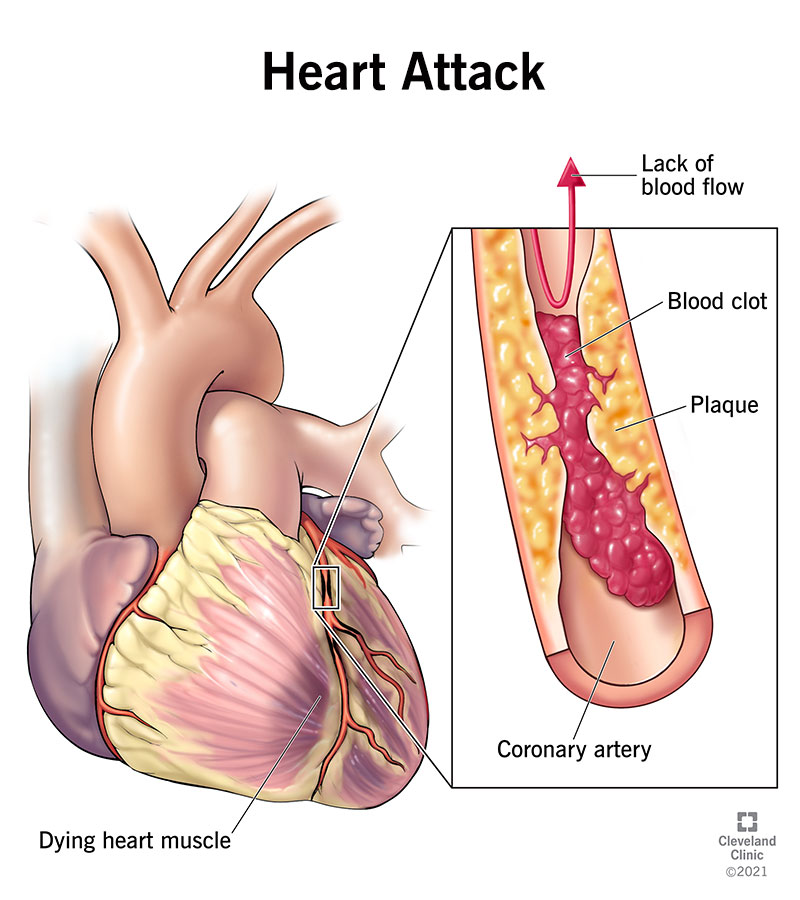
Most doctors blame high cholesterol when the real culprit is something else entirely.
Here's what's actually clogging your arteries—and why stents don’t prevent it:
2
First, meet Dr. @PrevMedHealth.
Board-certified preventative & occupational medicine physician.
He has over 620k subs on YouTube for talking about one thing: heart attacks & chronic diseases.
His opinion on heart attacks:

Board-certified preventative & occupational medicine physician.
He has over 620k subs on YouTube for talking about one thing: heart attacks & chronic diseases.
His opinion on heart attacks:
3
Let me clear up a massive misconception:
Plaque doesn't line the inside of your arteries like rust in a pipe.
It forms BETWEEN the inner lining (intima) and the muscle layer (media) of your artery wall.
That's why we can't predict heart attacks by "how clogged" your arteries are.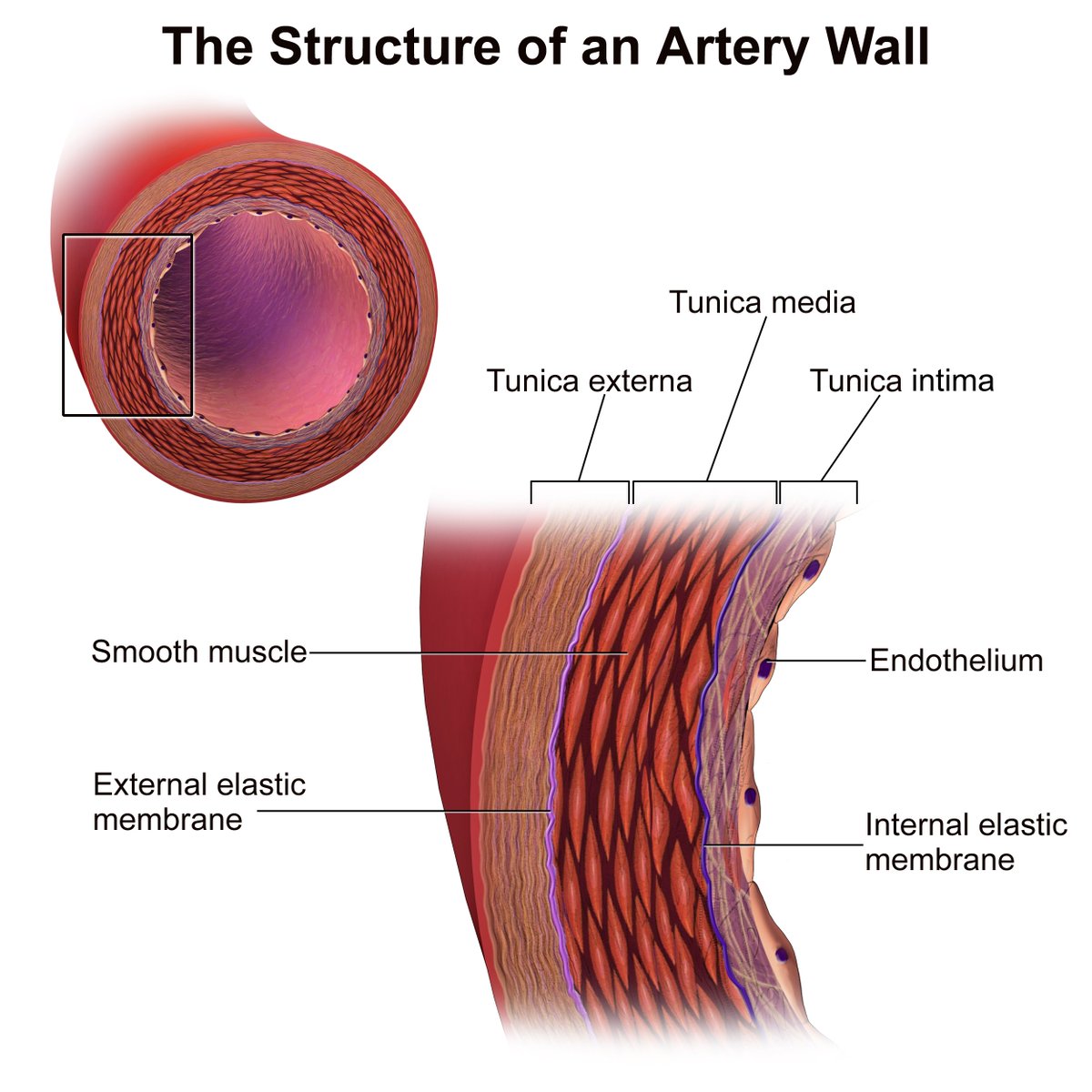
Plaque doesn't line the inside of your arteries like rust in a pipe.
It forms BETWEEN the inner lining (intima) and the muscle layer (media) of your artery wall.
That's why we can't predict heart attacks by "how clogged" your arteries are.
4
@PrevMedHealth Here's what ACTUALLY happens during a heart attack:
1. Soft plaque builds up between artery layers
2. Your immune system attacks it, making it "soft and mucousy"
3. This inflamed plaque RUPTURES
4. It touches flowing blood, forming a clot
5. Clot blocks blood flow = heart attack
1. Soft plaque builds up between artery layers
2. Your immune system attacks it, making it "soft and mucousy"
3. This inflamed plaque RUPTURES
4. It touches flowing blood, forming a clot
5. Clot blocks blood flow = heart attack
5
@PrevMedHealth So how does plaque get there in the first place?
The real villain: High blood glucose and insulin levels.
These damage your glycocalyx—tiny hair-like structures protecting your artery lining.
Without this protection, LDL particles slip between layers, creating plaque.
The real villain: High blood glucose and insulin levels.
These damage your glycocalyx—tiny hair-like structures protecting your artery lining.
Without this protection, LDL particles slip between layers, creating plaque.
0:09
6
@PrevMedHealth This is why stents and bypass surgeries don't prevent heart attacks!
Multiple clinical trials (COURAGE trial, ISCHEMIA trial) confirm this.
They may open blockages, but they don't stop the REAL problem: metabolic damage to your artery walls.
Multiple clinical trials (COURAGE trial, ISCHEMIA trial) confirm this.
They may open blockages, but they don't stop the REAL problem: metabolic damage to your artery walls.
1:03
7
@PrevMedHealth The truth about calcified plaque:
Contrary to what most doctors believe, calcium in your arteries isn't always bad.
It's a sign your body is STABILIZING soft, dangerous plaque.
People with calcified plaque have FEWER heart attacks than those with soft plaque.
Contrary to what most doctors believe, calcium in your arteries isn't always bad.
It's a sign your body is STABILIZING soft, dangerous plaque.
People with calcified plaque have FEWER heart attacks than those with soft plaque.
8
@PrevMedHealth Here's what conventional heart testing gets wrong:
↳ Stress tests only measure flow, not inflammation
↳ Doctors focus on LDL, ignoring metabolic health
↳ They're quick to recommend stents that don't prevent heart attacks
↳ Stress tests only measure flow, not inflammation
↳ Doctors focus on LDL, ignoring metabolic health
↳ They're quick to recommend stents that don't prevent heart attacks
9
@PrevMedHealth The carb-heart disease connection:
Blood sugar spikes (over 140 mg/dL) damage your artery lining.
This happens even if you're not diabetic! High insulin levels alone can "mow down" your protective glycocalyx.
Speaking of nutrition...
Blood sugar spikes (over 140 mg/dL) damage your artery lining.
This happens even if you're not diabetic! High insulin levels alone can "mow down" your protective glycocalyx.
Speaking of nutrition...
0:39
10
@PrevMedHealth Men 50+: Your body isn't broken—your nutrition is.
My 14-day Nutrition Protocol delivers:
- Precise calorie & macro calculations
• Daily meal plan that forces fat loss
RT + Comment "NUTRITION" and I’ll send it to you.
My 14-day Nutrition Protocol delivers:
- Precise calorie & macro calculations
• Daily meal plan that forces fat loss
RT + Comment "NUTRITION" and I’ll send it to you.
11
@PrevMedHealth Now, want to know if YOU have dangerous arterial inflammation?
Skip the stress test. Instead, get:
↳ OGTT with insulin response
↳ Fractionated lipid panel
↳ CIMT (carotid intima-media thickness test)
These show what's actually happening in your arteries.
Skip the stress test. Instead, get:
↳ OGTT with insulin response
↳ Fractionated lipid panel
↳ CIMT (carotid intima-media thickness test)
These show what's actually happening in your arteries.
0:53
12
@PrevMedHealth How to ACTUALLY protect your arteries:
1. Test metabolic health (OGTT with insulin)
2. Control blood glucose spikes (use a CGM)
3. Prioritize leg strength training
4. Add high-intensity interval training
5. Consider intermittent fasting to reset metabolism
1. Test metabolic health (OGTT with insulin)
2. Control blood glucose spikes (use a CGM)
3. Prioritize leg strength training
4. Add high-intensity interval training
5. Consider intermittent fasting to reset metabolism
13
@PrevMedHealth An occasional carb indulgence won't kill you IF you're metabolically healthy.
The damage comes from chronic, day-after-day exposure to high glucose and insulin.
Quick 20-minute exercise after an occasional treat can negate most of the harm.
The damage comes from chronic, day-after-day exposure to high glucose and insulin.
Quick 20-minute exercise after an occasional treat can negate most of the harm.
0:28
14
@PrevMedHealth The hierarchy of heart protection:
1. Diet (control carbs, lower insulin)
2. Exercise (HIIT + resistance training)
3. Sleep (critical for insulin sensitivity)
4. Stress management
5. Environment (avoid obesogens)
Notice medications aren't even in the top 5!
1. Diet (control carbs, lower insulin)
2. Exercise (HIIT + resistance training)
3. Sleep (critical for insulin sensitivity)
4. Stress management
5. Environment (avoid obesogens)
Notice medications aren't even in the top 5!
15
@PrevMedHealth True heart health is about your metabolic fitness, not your cholesterol numbers.
90% of adults have some metabolic dysfunction—most don't know it.
Protect your glycocalyx, strengthen your legs, measure what matters.
Your arteries will thank you.
90% of adults have some metabolic dysfunction—most don't know it.
Protect your glycocalyx, strengthen your legs, measure what matters.
Your arteries will thank you.