Non-Governmental Organizations (NGOs) are often seen as beacons of...

🌋🌋 Deep₿lueCrypto 🌋🌋@DeepBlueCrypto
17 views
Dec 31, 2025
~5 min read
Advertisement
1
Non-Governmental Organizations (NGOs) are often seen as beacons of hope, channeling funds and resources to address pressing global issues like poverty, education, and disaster relief. However, the altruistic facade of some NGOs masks sophisticated scams that exploit donor trust and siphon funds for personal gain. These scams typically involve creating fake or inflated causes, misrepresenting the impact of donations, or diverting funds to fictitious projects. The emotional appeal of helping vulnerable populations—children, refugees, or disaster victims—makes donors particularly susceptible. Scammers prey on this goodwill, using polished marketing, fabricated success stories, and urgent calls to action to extract money from well-meaning individuals, leaving little to no tangible impact on the causes they claim to champion.
One prevalent example is the "ghost charity" scam, where fraudsters establish NGOs with compelling names and missions, such as providing clean water to remote villages. These organizations produce slick websites and heart-wrenching images of suffering, urging donors to contribute to urgent campaigns. In reality, the NGO exists only on paper, with donations funneled to offshore accounts or personal expenses like luxury purchases. For instance, a fake NGO might claim to build wells in drought-stricken regions, showcasing photos of smiling children drinking clean water. Donors, unaware that these images are staged or stolen, contribute thousands, while the promised wells are never constructed, and the funds vanish. Such scams thrive on minimal oversight in certain regions, making it difficult for donors to verify the legitimacy of the organization or its projects.
Another insidious tactic involves "administrative bloat" scams, where legitimate-looking NGOs report exorbitant operational costs to justify keeping most donations. For example, an NGO might claim to support orphanages but allocate 80% of funds to vague "administrative expenses" like salaries, travel, or marketing, leaving a fraction for actual aid. Donors receive glossy reports with exaggerated impact metrics—like claiming to have fed thousands when only a handful benefited—creating an illusion of effectiveness. These scams exploit the complexity of nonprofit finances, discouraging scrutiny from donors who assume high overheads are normal. Ultimately, NGO scams not only rob donors but also erode trust in genuine organizations, leaving real beneficiaries stranded and underscoring the need for vigilance in charitable giving.
A thread on NGOs👇
One prevalent example is the "ghost charity" scam, where fraudsters establish NGOs with compelling names and missions, such as providing clean water to remote villages. These organizations produce slick websites and heart-wrenching images of suffering, urging donors to contribute to urgent campaigns. In reality, the NGO exists only on paper, with donations funneled to offshore accounts or personal expenses like luxury purchases. For instance, a fake NGO might claim to build wells in drought-stricken regions, showcasing photos of smiling children drinking clean water. Donors, unaware that these images are staged or stolen, contribute thousands, while the promised wells are never constructed, and the funds vanish. Such scams thrive on minimal oversight in certain regions, making it difficult for donors to verify the legitimacy of the organization or its projects.
Another insidious tactic involves "administrative bloat" scams, where legitimate-looking NGOs report exorbitant operational costs to justify keeping most donations. For example, an NGO might claim to support orphanages but allocate 80% of funds to vague "administrative expenses" like salaries, travel, or marketing, leaving a fraction for actual aid. Donors receive glossy reports with exaggerated impact metrics—like claiming to have fed thousands when only a handful benefited—creating an illusion of effectiveness. These scams exploit the complexity of nonprofit finances, discouraging scrutiny from donors who assume high overheads are normal. Ultimately, NGO scams not only rob donors but also erode trust in genuine organizations, leaving real beneficiaries stranded and underscoring the need for vigilance in charitable giving.
A thread on NGOs👇
2
Here’s a prev thread

🌋🌋 Deep₿lueCrypto 🌋🌋@DeepBlueCrypto
Non-Governmental Organizations (NGOs) are private, non-profit entities that operate independently of government control. They typically focus on a wide range of issues—humanitarian aid, environmental protection, human rights, and more—relying on funding from donations, grants, and sometimes government contracts. In the U.S., there are about 1.5 million NGOs, many of which enjoy tax-exempt status if they meet certain criteria, like serving educational, charitable, or scientific purposes. While they’re meant to be separate from government, they often receive federal or state funding through legitimate channels, such as grants for specific projects.
The misuse you’re asking about stems from a loophole where politicians allegedly exploit NGOs to push agendas or fund activities that couldn’t get through Congress directly. Here’s how it’s said to work: instead of passing a law to fund something controversial or unpopular—say, a program that might not survive public scrutiny or a partisan priority—politicians funnel taxpayer money to NGOs that align with their goals. These organizations then carry out the work, bypassing the legislative process. For example, an elected official might secure federal grants for an NGO that conveniently hires their allies, employs family members, or promotes their political narrative, all while claiming it’s for a noble cause like “community development” or “disaster relief.” The NGO structure provides a layer of deniability—technically, it’s not the government doing it, so it skirts restrictions like campaign finance laws or constitutional limits on federal power.
This isn’t just speculation; historical patterns back it up. Look at campaign finance before the 2002 McCain-Feingold Act—politicians used “soft money” loopholes to dodge contribution limits, channeling funds through party organizations. NGOs can play a similar role today. Billions in federal funds going to NGOs for migrant resettlement, with critics claiming it’s a way to support policies Congress wouldn’t openly vote for, like mass immigration. Or take officeholder-controlled nonprofits—studies show leaders like governors and mayors have raised millions in anonymous donations through these groups, using them to boost their image or agendas without the transparency required of campaign funds.
The mechanics are straightforward. Congress appropriates money—say, through agencies like the Department of Homeland Security or USAID. These agencies award grants or contracts to NGOs, often with broad discretion. If the NGO’s leadership is politically connected, the funds can end up supporting initiatives that align with the politician’s interests, not necessarily the public’s. It’s not illegal on its face—NGOs can legally receive government money—but the lack of oversight and clear intent makes it ripe for abuse.
Stopping this isn’t simple, because NGOs aren’t inherently bad, and many do valuable work. Blanket bans would tank legitimate operations. But there are targeted fixes. First, transparency: require NGOs getting federal funds to disclose all donors, contracts, and spending details publicly, beyond what’s already mandated for tax-exempt status. Second, tighten eligibility—bar NGOs with clear ties to elected officials (like family members on payroll) from receiving grants. Third, enforce existing laws more aggressively; the Federal Election Commission and IRS could audit NGOs suspected of political overreach, though they’re often understaffed or hesitant to act. Legislation could also help—some lawmakers have proposed bills to strip tax-exempt status from NGOs involved in illegal activities or to limit federal funding unless they certify compliance with strict neutrality rules.
Politicians who benefit from this system have little incentive to close the loophole.
A thread on NGOs👇
The misuse you’re asking about stems from a loophole where politicians allegedly exploit NGOs to push agendas or fund activities that couldn’t get through Congress directly. Here’s how it’s said to work: instead of passing a law to fund something controversial or unpopular—say, a program that might not survive public scrutiny or a partisan priority—politicians funnel taxpayer money to NGOs that align with their goals. These organizations then carry out the work, bypassing the legislative process. For example, an elected official might secure federal grants for an NGO that conveniently hires their allies, employs family members, or promotes their political narrative, all while claiming it’s for a noble cause like “community development” or “disaster relief.” The NGO structure provides a layer of deniability—technically, it’s not the government doing it, so it skirts restrictions like campaign finance laws or constitutional limits on federal power.
This isn’t just speculation; historical patterns back it up. Look at campaign finance before the 2002 McCain-Feingold Act—politicians used “soft money” loopholes to dodge contribution limits, channeling funds through party organizations. NGOs can play a similar role today. Billions in federal funds going to NGOs for migrant resettlement, with critics claiming it’s a way to support policies Congress wouldn’t openly vote for, like mass immigration. Or take officeholder-controlled nonprofits—studies show leaders like governors and mayors have raised millions in anonymous donations through these groups, using them to boost their image or agendas without the transparency required of campaign funds.
The mechanics are straightforward. Congress appropriates money—say, through agencies like the Department of Homeland Security or USAID. These agencies award grants or contracts to NGOs, often with broad discretion. If the NGO’s leadership is politically connected, the funds can end up supporting initiatives that align with the politician’s interests, not necessarily the public’s. It’s not illegal on its face—NGOs can legally receive government money—but the lack of oversight and clear intent makes it ripe for abuse.
Stopping this isn’t simple, because NGOs aren’t inherently bad, and many do valuable work. Blanket bans would tank legitimate operations. But there are targeted fixes. First, transparency: require NGOs getting federal funds to disclose all donors, contracts, and spending details publicly, beyond what’s already mandated for tax-exempt status. Second, tighten eligibility—bar NGOs with clear ties to elected officials (like family members on payroll) from receiving grants. Third, enforce existing laws more aggressively; the Federal Election Commission and IRS could audit NGOs suspected of political overreach, though they’re often understaffed or hesitant to act. Legislation could also help—some lawmakers have proposed bills to strip tax-exempt status from NGOs involved in illegal activities or to limit federal funding unless they certify compliance with strict neutrality rules.
Politicians who benefit from this system have little incentive to close the loophole.
A thread on NGOs👇
3
7,000 NGOs receive 90% of the $300 billion in taxpayer money sent to nonprofits, without transparency.
Any group taking government funds should open its books and have its communications treated as public record.
In fact, all NOGs should be cut off.
Any group taking government funds should open its books and have its communications treated as public record.
In fact, all NOGs should be cut off.
0:34
4
WITHOUT CONSEQUENCES THEY NEVER CHANGE

5
6

7
"We just wanna see the evidence. That the program was doing— “actually doing good”, and not just funding graft in DC and warlords in some country.
Because over and over again we saw these sympathetic-sounding programs, right?”
Because over and over again we saw these sympathetic-sounding programs, right?”
1:21
8
President Trump's first rescissions package — clawing back wasteful spending in USAID, foreign aid, the Corporation for Public Broadcasting, and NPR — will be sent to Congress next week.
1:20
9
No USAID == No Democrats
10
Remember this from Nancy Mace
🌋🌋 Deep₿lueCrypto 🌋🌋@DeepBlueCrypto
@realDonaldTrump @elonmusk @JMilei @TulsiGabbard @RobertKennedyJr @AutismCapital @MsMelChen @nayibbukele @MarioNawfal @DOGE @liz_churchill10 🔥🔥🔥Rep. Nancy Mace is on 🔥 🔥🔥
11

12
Hmm 🤔

13
Because they find loopholes through NGOs and foreign shell company entities to launder money
14
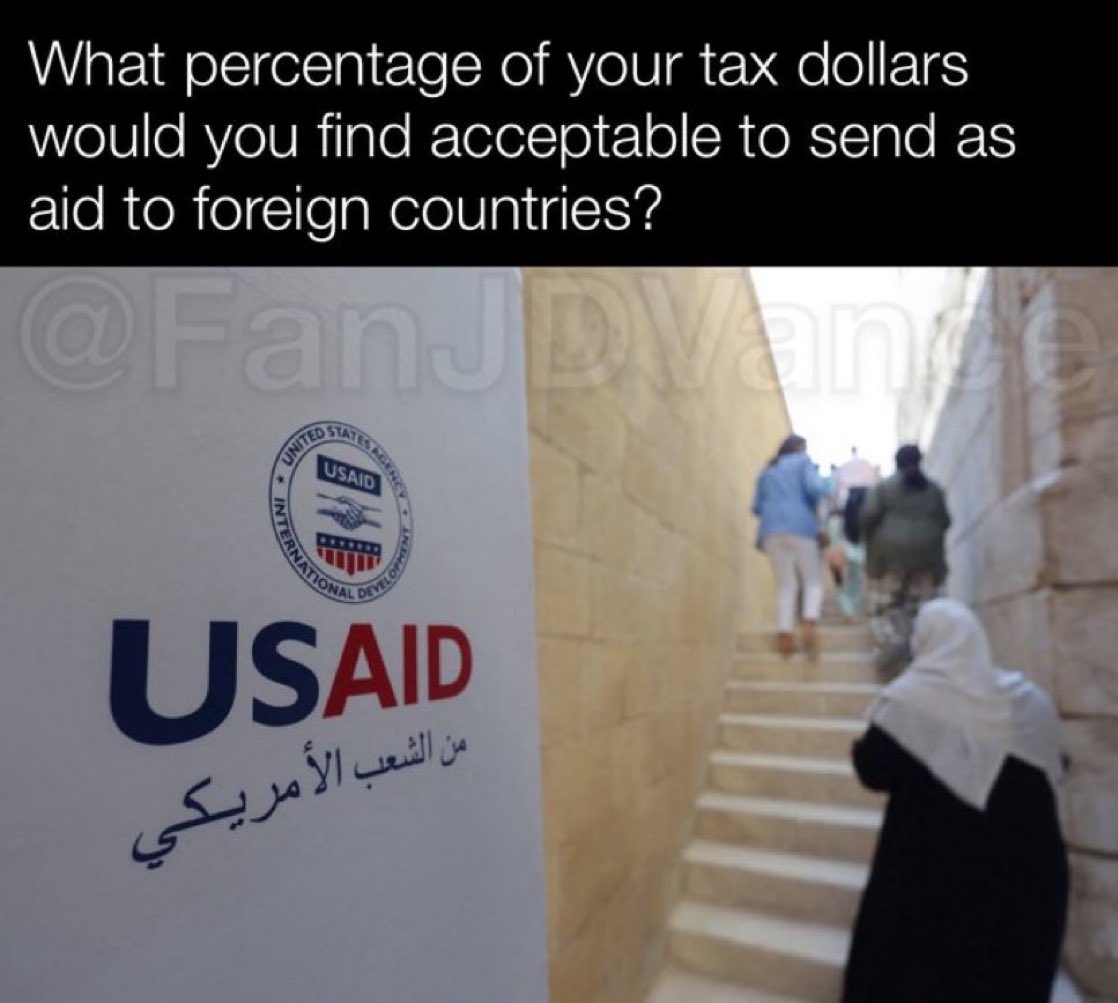
ZERO PERCENT

15
USAID paid Hollywood stars to travel to Ukraine to get pictures with Zelensky
🚩Van Dam - $1,500,000
🚩Ben Stiller - $4,000,000
🚩Sean Penn - $5,000,000
🚩Orlando Bloom - $8,000,000
🚩Angelina Jolie – $20,000,000
CAN WE GET OUR MONEY BACK?
🚩Van Dam - $1,500,000
🚩Ben Stiller - $4,000,000
🚩Sean Penn - $5,000,000
🚩Orlando Bloom - $8,000,000
🚩Angelina Jolie – $20,000,000
CAN WE GET OUR MONEY BACK?
1:50
16
Let’s stop this nonsense

17
These are some of rhetorical WORST Scandals Inside USAID No One Talks About
WE NEED TO STOP FUNDING USAID AND AUDIT EVERY FREAKING NGO THATS OPERATING WITH THE US TAXPAYERS MONEY
WE NEED TO STOP FUNDING USAID AND AUDIT EVERY FREAKING NGO THATS OPERATING WITH THE US TAXPAYERS MONEY
9:59
18
USAID official and 3 company executives plead guilty in fraud and bribery scheme involving at least 14 contracts worth over $550 million
USAID Official Roderick Watson took bribes, was showered with lavish gifts— including cash, laptops, thousands of dollars in tickets to a suite at an NBA game, a country club wedding, downpayments on two residential mortgages, cell phones, and jobs for relatives.
In exchange for the bribe payments, Watson influenced the award of contracts by manipulating the procurement process at USAID.
Watson faces a maximum penalty of 15 years in prison.
H/t: @libsoftiktok

USAID Official Roderick Watson took bribes, was showered with lavish gifts— including cash, laptops, thousands of dollars in tickets to a suite at an NBA game, a country club wedding, downpayments on two residential mortgages, cell phones, and jobs for relatives.
In exchange for the bribe payments, Watson influenced the award of contracts by manipulating the procurement process at USAID.
Watson faces a maximum penalty of 15 years in prison.
H/t: @libsoftiktok
19
20

21
Truth ✅

22

23
"Basically the government funded NGOs are a way to do things that would be illegal if they were the government."
2:18
24
Good riddance
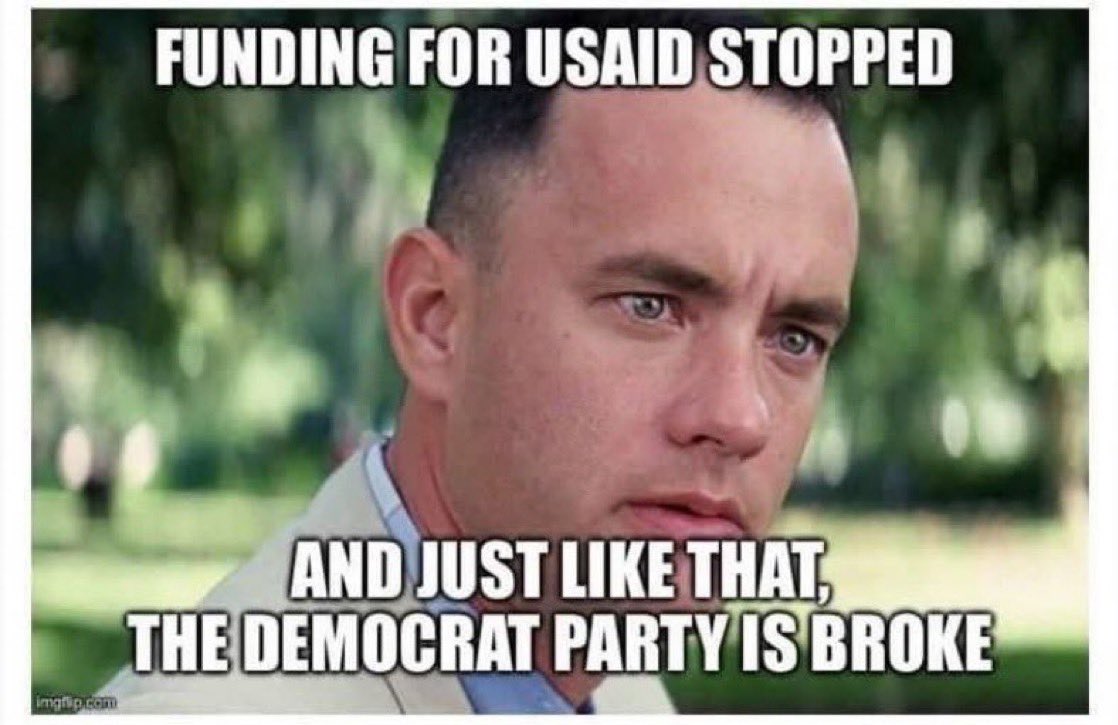
25
That’s how Democrats operate with taxpayers money funneled through NGOs & USAID

26
Wow… that’s huge
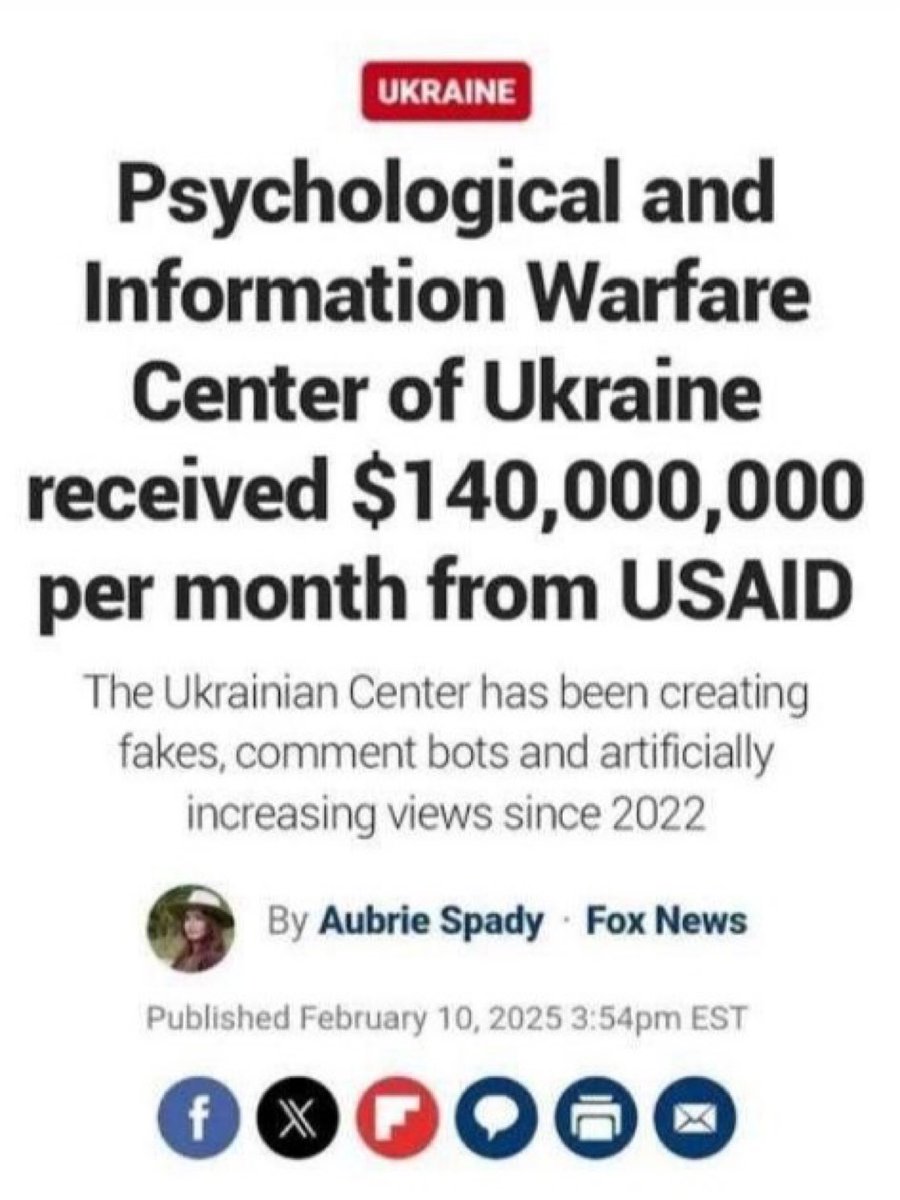
27
Democrats seem to be getting desperate for money

28
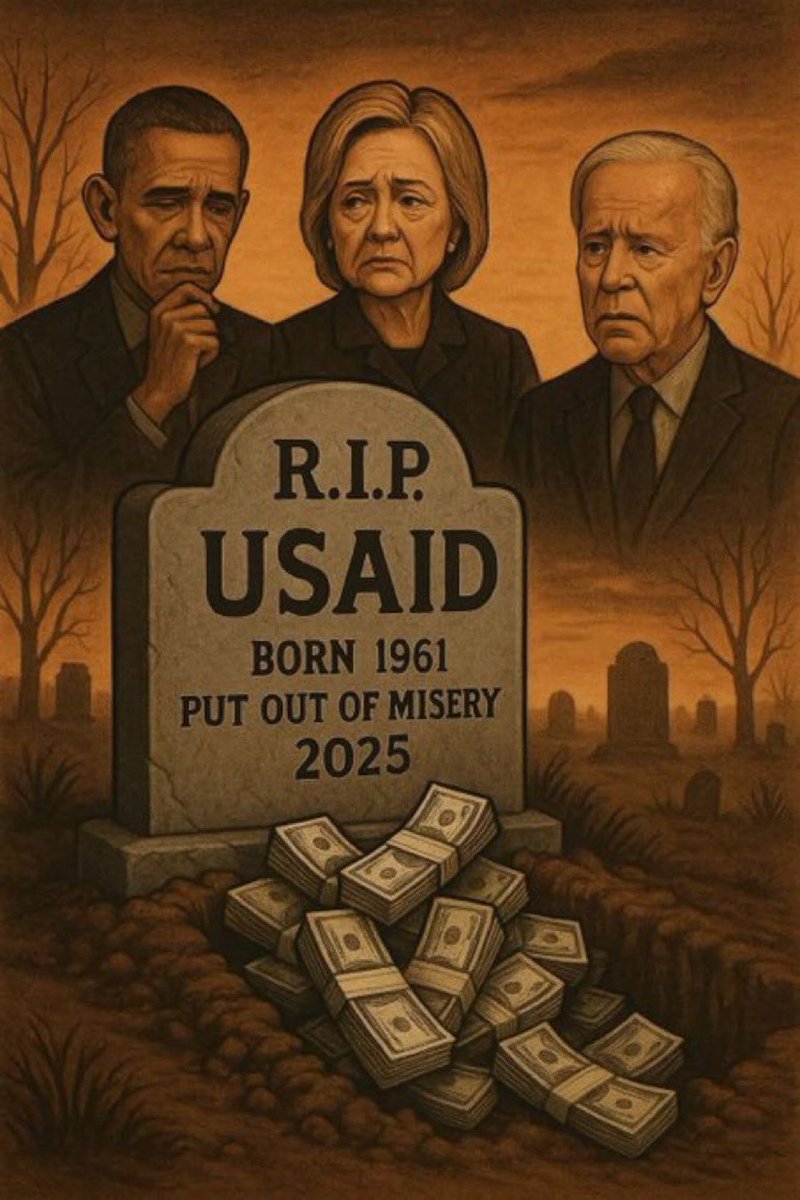
USAID is officially dead

29

30
31
Thank God… USAID is shutdown

32

33
Homeless man in Oregon explains a Democrat NGO money laundering scam
He explains how NGOs all sign up the same homeless people for apartments and services, the NGOs get their signatures to be paid, and then never house them after the first day/week
He explains how NGOs all sign up the same homeless people for apartments and services, the NGOs get their signatures to be paid, and then never house them after the first day/week
1:26
34
Democrats in Congress have been using USAID for decades to fund their political campaigns.
Thank god for that ending the USAID money laundering scheme for the Democrats
Thank god for that ending the USAID money laundering scheme for the Democrats
35

36

37
USAID and NGOs
38
I’m sure it’s all connected… 💯%

39
ZERO PERCENT
40
Elon Musk and DOGE were right. Rep Tim Burchett confirms Congress is laundering millions of our tax dollars to Democrat’s billionaire donors NGOs
‼️ He also says United Nations staff have created thousands of NGOs and WE’RE PAYING FOR THEM ALL ‼️
‼️ He also says United Nations staff have created thousands of NGOs and WE’RE PAYING FOR THEM ALL ‼️
1:40
41

42
NGOs
Foundations
Woke DEI grants
Ukraine & Israel wars
Foundations
Woke DEI grants
Ukraine & Israel wars
43
Of course… but they never do

44
This is a $7.4 Billion Joe Biden was trying to steal through an NGO.
It’s Called Natcast!
THESE CRIMINALS SHOULD BE IN PRISON FOR THESE KINDS OF MASSIVE FRAUDS
It’s Called Natcast!
THESE CRIMINALS SHOULD BE IN PRISON FOR THESE KINDS OF MASSIVE FRAUDS
0:54
45
💯

46
Thank God

47
ARREST TIM WALZ AND STOP THE GRIFT
0:22
48
