On May Day, remember: African workers didn’t just fight for wages,...

K.Diallo ☭@nyeusi_waasi
21 views
May 03, 2025
~2 min read
Advertisement
1
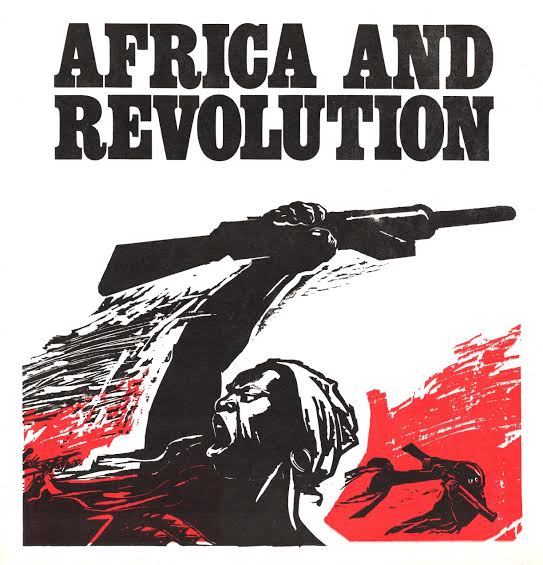
On May Day, remember: African workers didn’t just fight for wages, they sparked revolutions. A thread on strikes that shook colonial empires.
2
The 1897 Lagos Strike marked a pivotal moment in Nigeria’s resistance to British colonial rule. Workers demanded better wages and working conditions, setting the stage for future labor movements across Africa.

3
The 1941 Katanga Mines Strike in Congo saw workers protest harsh conditions, low wages, and exploitation by Belgian colonizers. Despite brutal suppression, it laid the groundwork for future labor and nationalist struggles.

4
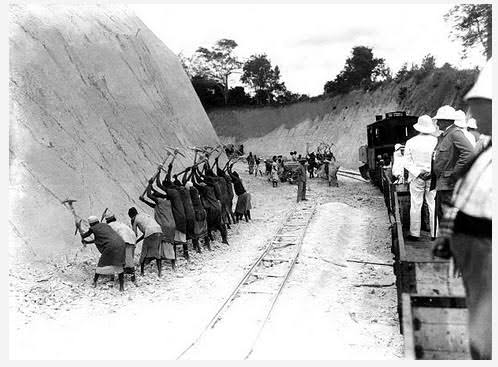
The 1948 Tanganyika Railway Strike (in present-day Tanzania) involved workers demanding improved wages and conditions. It helped fuel labor movements in East Africa and deepened anti-colonial sentiments.

5
The 1945–1946 Senegalese General Strike, led by labor unions, demanded better wages and conditions under French rule. Though repressed, it energized Senegal’s independence movement.

6
The 1946 African Mine Workers' Strike in South Africa was a landmark event. Thousands of miners protested for fair wages and safer conditions, exposing deep racial inequalities and inspiring anti-colonial activism.

7
The 1926 Sierra Leone Railway Strike saw African workers protest poor wages and harsh treatment. It became a catalyst for labor and anti-colonial struggles in West Africa.

8
The 1948 Zanzibar General Strike was a major demand for better conditions under colonial rule. It sparked nationalist sentiment that contributed to Zanzibar’s 1964 revolution.

9
In 1939, Dar es Salaam port workers in Tanzania protested low wages and poor conditions under British rule — one of the earliest major labor movements in East Africa.

10
In 1952, Kenyan railway workers demanded wage increases and improved conditions, fueling nationalist resistance like the Mau Mau Rebellion.

11
In 1959, Rwandan farm workers rose up against harsh treatment and low pay under Belgian colonialism, laying the groundwork for later nationalist movements.

12
The 1948 Sudanese Railway Strike saw workers demand fair wages and better conditions under British-Egyptian rule. It became a turning point in Sudan’s road to independence in 1956.

13
The 1943 Gold Coast Strike (now Ghana) was led by gold mine workers demanding fair treatment. It ignited labor activism that played a key role in Ghana’s liberation.
14
The 1950–1951 Malagasy Uprising in Madagascar was both a nationalist revolt and a workers’ strike against French exploitation. It significantly pushed the island toward independence.
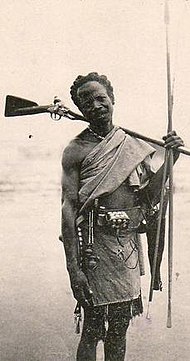
15
The 1947 Mauritius Sugar Workers' Strike protested the harsh conditions in sugar plantations. It was a key moment in the fight for workers’ rights and national sovereignty.
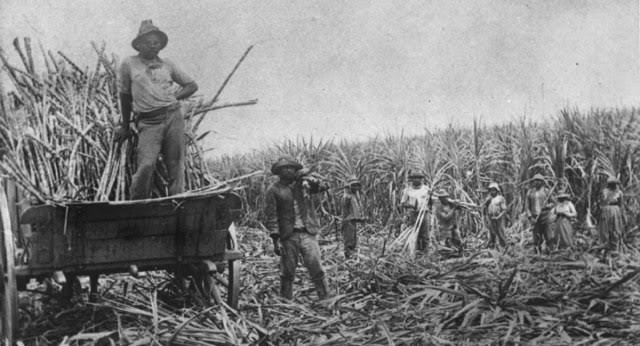
16
This article by George Padmore, published in Tribune on 23 December 1937, reports on coordinated working-class action in the Gold Coast (now Ghana) against attempts to impose below-market prices for cocoa.

