Aerobic Training Strength Training HIIT Are all forms of “cardio”...

Pratik Patel@PratikxPatel
18 views
Mar 20, 2025
~2 min read
Advertisement
1
Aerobic Training
Strength Training
HIIT
Are all forms of “cardio”
But can Strength Training and/or HIIT provide the SAME level of benefits/improvements to the cardiovascular system/aerobic capacity/cardiovascular health as Aerobic Training?
The answer is NO
And here’s why👇🏽🧵

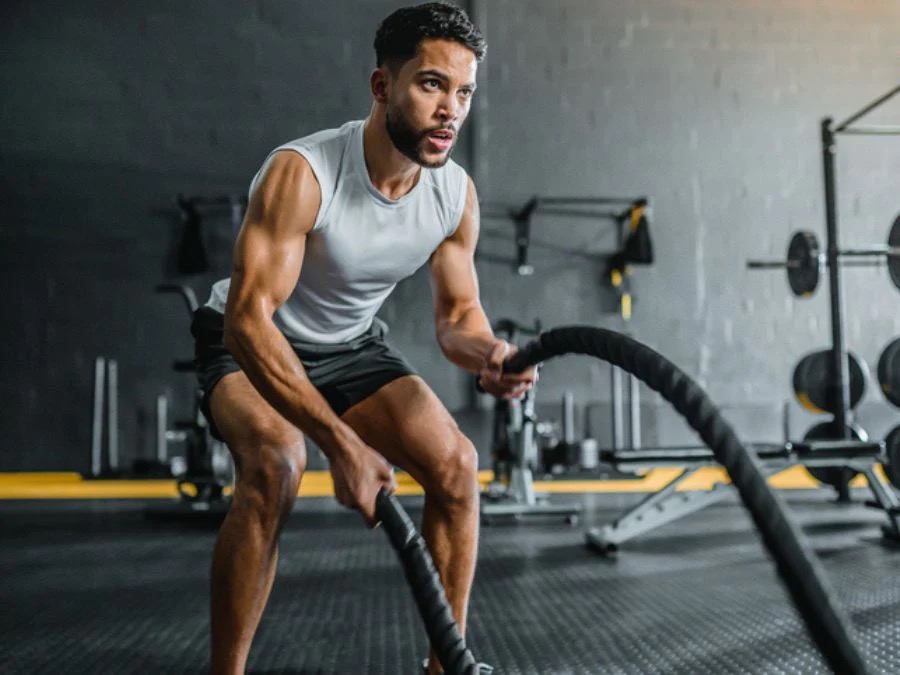
Strength Training
HIIT
Are all forms of “cardio”
But can Strength Training and/or HIIT provide the SAME level of benefits/improvements to the cardiovascular system/aerobic capacity/cardiovascular health as Aerobic Training?
The answer is NO
And here’s why👇🏽🧵
2
Aerobic Training Adaptations
Structural Changes:
-Increased left ventricular volume and wall thickness (eccentric hypertrophy) enhance stroke volume (SV)
-This is driven by volume overload from sustained cardiac output demands
Functional Changes:
-Greater capillary density, mitochondrial volume, and oxidative enzyme activity improve VO2max and aerobic capacity
Efficiency:
-Lower resting heart rate (HR) and faster HR recovery result from enhanced parasympathetic tone
Primary Outcome:
-Optimized oxygen delivery and utilization for endurance performance
3
Strength Training Adaptations
Structural Changes:
-Mild concentric hypertrophy (thicker ventricular walls) occurs due to pressure overload, with minimal chamber expansion
Functional Changes:
-Improved blood pressure regulation and reduced vascular stiffness, but limited effects on mitochondrial density or capillarization
Efficiency:
-Modest HR reduction and anaerobic threshold improvement, especially in circuit formats
Primary Outcome:
-Enhanced force production with secondary cardiovascular benefits
4
HIIT Adaptations
Structural Changes:
-Combines eccentric and concentric hypertrophy, increasing SV and cardiac output
Functional Changes:
-Rapid increases in VO2max, mitochondrial biogenesis, and glycolytic capacity bridge aerobic and anaerobic systems
Efficiency:
-Improved HR recovery and endothelial function due to high-intensity stimuli
Primary Outcome:
-Hybrid endurance and power gains
5
Are They the Same or Different?
Similarities:
-All three improve cardiac output, endothelial function, and HR recovery to varying extents, reflecting shared cardiovascular stress responses
Differences:
-Aerobic training excels in oxidative capacity and endurance (e.g., VO2max gains of 15-20% vs. 5-10% in strength training)
-Strength training prioritizes muscular and vascular strength with minimal aerobic impact
-HIIT offers a balanced, intensity-driven adaptation profile. Specificity dictates outcomes
6
Can these modalities alone match Aerobic Benefits?
-High-intensity strength training (e.g., 80-90% 1RM to failure) can boost VO2max by 5-10% and improve vascular health, but it lacks the sustained aerobic stimulus for mitochondrial and capillary growth
-Circuit-style resistance training approximates HIIT effects, increasing VO2max up to 15%, yet still falls short of aerobic training’s 20-30% gains over similar durations
-Strength training’s intermittent nature limits oxidative adaptations compared to aerobic training’s continuous demand
-HIIT, blending both, outperforms strength training alone for aerobic capacity
7
TLDR
Aerobic training drives eccentric hypertrophy, mitochondrial growth, and capillary density, optimizing endurance
Strength training induces concentric hypertrophy and vascular benefits but minimally enhances aerobic capacity
HIIT blends both, rapidly boosting VO2max and power
They overlap in cardiac output and endothelial gains but diverge in specificity: aerobic for endurance, strength for force, HIIT for hybrid efficiency
Strength training to failure improves VO2max modestly (5-10%) but can’t replicate aerobic training’s oxidative adaptations
HIIT bridges this gap more effectively
While strength training and HIIT offer valuable CV benefits, they DO NOT fully replicate the specific adaptations achieved through dedicated aerobic training
For optimal cardiovascular health, incorporating a BALANCED mix of these training modalities is essential