The year is 722. A small band of Christian warriors, outnumbered...

Humble Flow@HumbleFlow
6 views
Feb 12, 2025
~3 min read
Advertisement
1
The year is 722.
A small band of Christian warriors, outnumbered and cornered in the mountains of northern Spain, prepares for battle.
Their leader, Pelayo, has no empire, no great army—just faith and determination.
What happens next changes history forever:
A small band of Christian warriors, outnumbered and cornered in the mountains of northern Spain, prepares for battle.
Their leader, Pelayo, has no empire, no great army—just faith and determination.
What happens next changes history forever:
2
In 711, the Muslim armies of the Umayyad Caliphate swept through Spain, crushing the Visigothic Kingdom.
Within a few years, nearly the entire Iberian Peninsula fell under Islamic rule.
Within a few years, nearly the entire Iberian Peninsula fell under Islamic rule.
3
The conquest seemed total.
The Visigothic king, Roderic, was killed in battle.
The remaining nobility either fled or submitted.
But in the rugged mountains of Asturias, one man refused to surrender: Pelayo.
The Visigothic king, Roderic, was killed in battle.
The remaining nobility either fled or submitted.
But in the rugged mountains of Asturias, one man refused to surrender: Pelayo.
4
Pelayo was a Visigothic noble, possibly of royal blood.
After the conquest, he rejected Muslim rule and took refuge in the mountains.
He gathered a small band of warriors, determined to resist.
After the conquest, he rejected Muslim rule and took refuge in the mountains.
He gathered a small band of warriors, determined to resist.
5
The Umayyad governor of al-Andalus, Al-Qama, saw Pelayo as nothing more than a nuisance.
He sent an army—estimates range from a few thousand to 20,000 men—to crush the rebellion before it could spread.
He sent an army—estimates range from a few thousand to 20,000 men—to crush the rebellion before it could spread.
6
Pelayo had fewer than 300 men.
But he had something more powerful than numbers: the terrain and the conviction that God was on his side.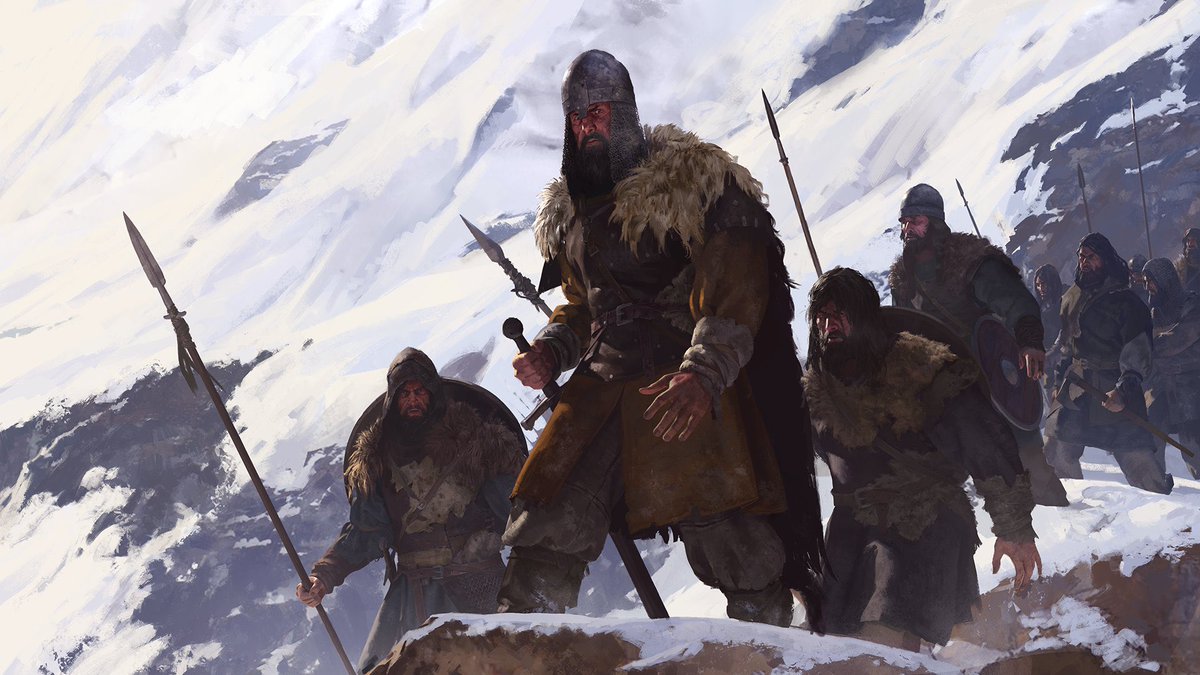
But he had something more powerful than numbers: the terrain and the conviction that God was on his side.
7
The battle took place in the Picos de Europa mountains, at the entrance of a narrow valley near Covadonga.
The Umayyads marched into the valley, unaware of the trap waiting for them.
The Umayyads marched into the valley, unaware of the trap waiting for them.
8
As the Muslim army advanced, Pelayo’s men, hidden among the rocks, unleashed a deadly ambush.
Arrows and stones rained down on the invaders, causing chaos.
Arrows and stones rained down on the invaders, causing chaos.
9
The narrow pass prevented the Muslim forces from using their superior numbers.
Trapped and unable to maneuver, they were cut down by the Asturian warriors.
Trapped and unable to maneuver, they were cut down by the Asturian warriors.
10
The Umayyad army, in complete disarray, attempted to retreat.
But the mountainous terrain turned their escape into a massacre.
Most were killed. Al-Qama himself was slain in battle.
But the mountainous terrain turned their escape into a massacre.
Most were killed. Al-Qama himself was slain in battle.
11
Some reports say a handful of survivors fled south, only to be swallowed by an avalanche, which was later seen as divine intervention.

12
News of the victory spread.
For the first time, it was clear that Muslim rule in Spain was not unbreakable.
The myth of Umayyad invincibility was shattered.
For the first time, it was clear that Muslim rule in Spain was not unbreakable.
The myth of Umayyad invincibility was shattered.
13
Pelayo was declared King of Asturias, founding the first Christian kingdom in Spain.
What began as a small rebellion turned into the first step in the Reconquista—a 700-year struggle to reclaim Spain.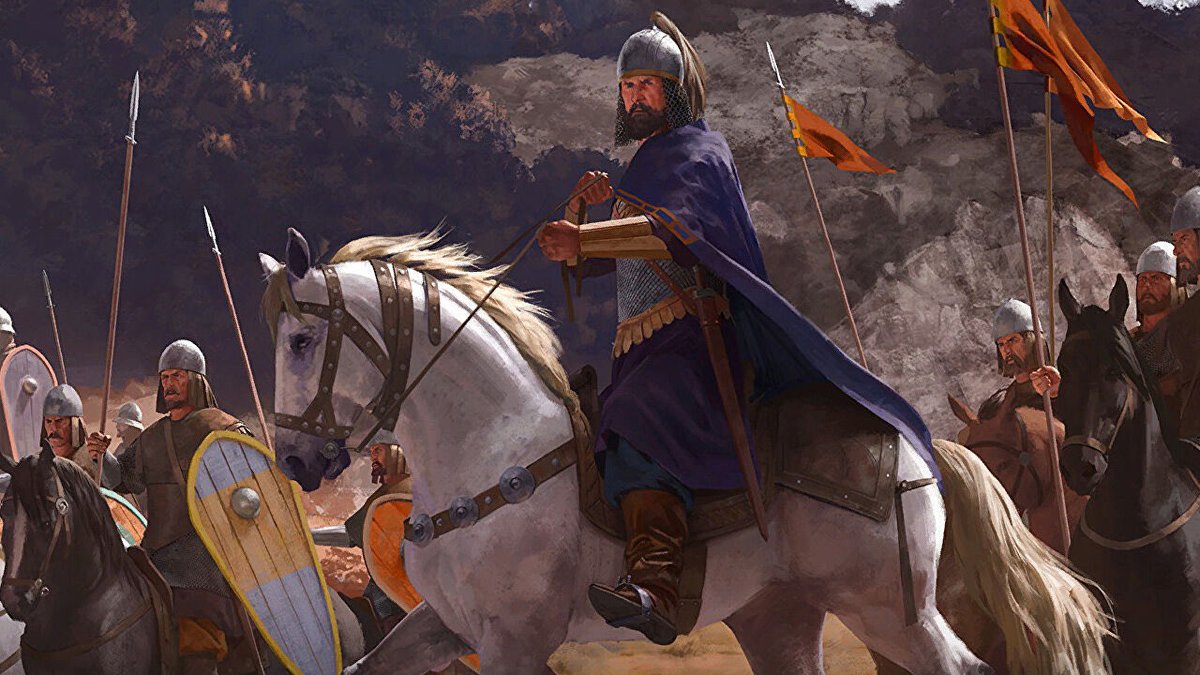
What began as a small rebellion turned into the first step in the Reconquista—a 700-year struggle to reclaim Spain.
14
The Umayyads dismissed Covadonga as an isolated incident.
They focused on expanding their empire elsewhere.
But their failure to crush Pelayo gave Christian resistance time to grow.
They focused on expanding their empire elsewhere.
But their failure to crush Pelayo gave Christian resistance time to grow.
15
Over the next centuries, Asturias expanded, inspiring new Christian kingdoms—León, Castile, and Aragon—to join the fight.

16
By 1492, the last Muslim stronghold in Spain, Granada, fell to King Ferdinand and Queen Isabella.
The Reconquista was complete—but it all started with Pelayo and his 300 men at Covadonga.
The Reconquista was complete—but it all started with Pelayo and his 300 men at Covadonga.
17
Today, Covadonga is a symbol of resistance and faith.
Pelayo’s victory was more than just a battle—it was the spark that kept Christian Spain alive.
Pelayo’s victory was more than just a battle—it was the spark that kept Christian Spain alive.
18
If Pelayo had failed, would Spain have ever been Christian again?
Would Europe have remained the same?
Would Europe have remained the same?
19
If you found this thread valuable, please:
✅RT the first tweet and help others find this thread
✅Join 3,900+ others and join my FREE newsletter — it goes deeper on topics like this:
athenaeum.beehiiv.com/subscribe
✅RT the first tweet and help others find this thread
✅Join 3,900+ others and join my FREE newsletter — it goes deeper on topics like this:
athenaeum.beehiiv.com/subscribe

