i earned a 15k bug bounty from @Aptos, by demonstrating how to...

moon shiesty@moonshiesty
45 views
Jan 27, 2025
~5 min read
Advertisement
1
i earned a 15k bug bounty from @Aptos, by demonstrating how to bypass aptos coin (fungible-asset) freeze functionality
i also proposed the patch which fixed the issue in aptos-framework upgrade v1.24.1
here's how i found and fixed the issue:
i also proposed the patch which fixed the issue in aptos-framework upgrade v1.24.1
here's how i found and fixed the issue:
2
we need to start with some background on the latest aptos token standard: fungible assets (FA) standard
aptos fungible asset balances are stored in objects owned by the user. to deposit, transfer, and freeze FA balances, users/admins need to pass in reference to the store: Object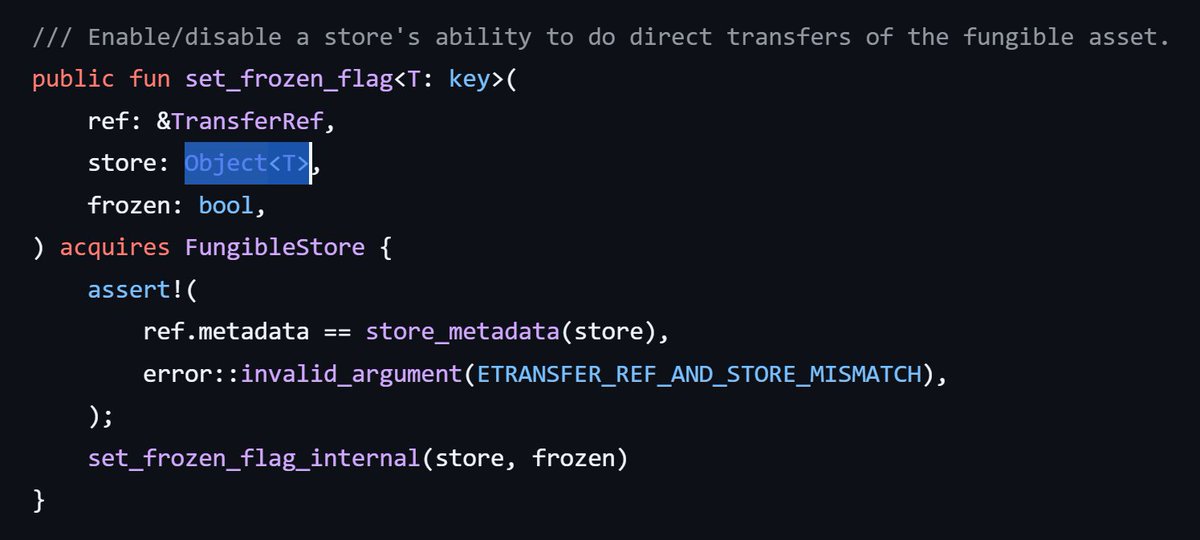
aptos fungible asset balances are stored in objects owned by the user. to deposit, transfer, and freeze FA balances, users/admins need to pass in reference to the store: Object
3
to create a new reference to an object, the object must exist. this means if the object is deleted, new reference to the object cannot be created
however the aptos object implementation allows objects to be deleted, while resources stored in the same object address still exists
this means if you delete the object containing a FungibleStore, the FA admin (circle, tether, thala) with the freeze capability can no longer create a reference to that object
as a result those assets can never be frozen
however the aptos object implementation allows objects to be deleted, while resources stored in the same object address still exists
this means if you delete the object containing a FungibleStore, the FA admin (circle, tether, thala) with the freeze capability can no longer create a reference to that object
as a result those assets can never be frozen
4
deleting the object also means the exploiter cannot create new references to the Object containing FungibleStore. the trick is to store a reference of type Object, before deleting the object
this allows the exploiter to continue to deposit/withdraw from that FungibleStore, while the admin cannot freeze the funds
storing an Object reference to the FungibleStore is step 1) of the exploit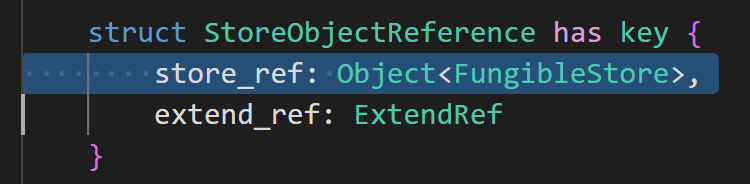
this allows the exploiter to continue to deposit/withdraw from that FungibleStore, while the admin cannot freeze the funds
storing an Object reference to the FungibleStore is step 1) of the exploit
5
this exploit would be entirely pointless if the exploiter had no way to later withdraw funds
and before users can withdraw a FungibleAsset, there is an ownership check: signer == object.owner
normally this check requires the object metadata, ObjectCore still exists
but i found a way to bypass this check
here is the previous object::owns() implementation, can you spot the issue?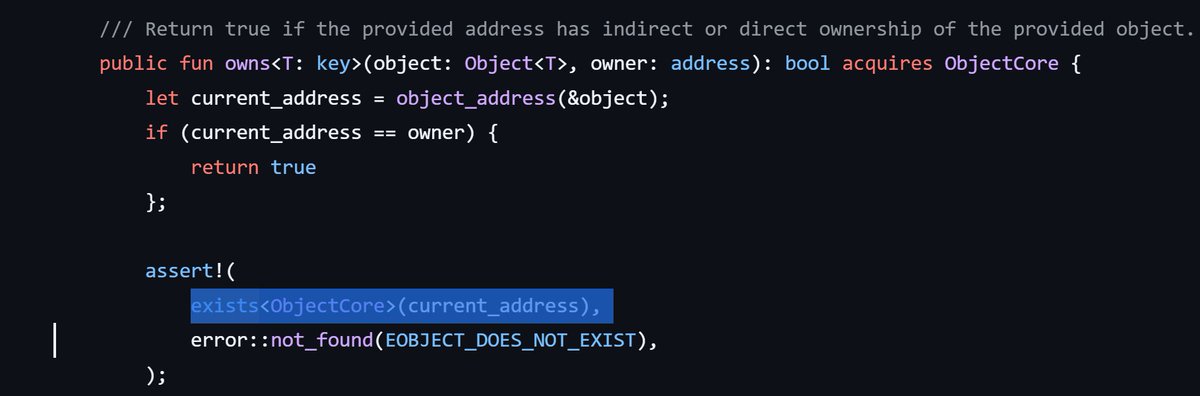
and before users can withdraw a FungibleAsset, there is an ownership check: signer == object.owner
normally this check requires the object metadata, ObjectCore still exists
but i found a way to bypass this check
here is the previous object::owns() implementation, can you spot the issue?
6
here is the 15k issue: object::owns() assumes if the object is the "owner" (ie the object is the signer to withdraw), the object still exists
this assumption does not hold true; a user can store the object's ExtendRef and generate signatures for the object, even AFTER the object is destroyed
step 2) to the exploit is storing the FungibleStore's Object's ExtendRef
this assumption does not hold true; a user can store the object's ExtendRef and generate signatures for the object, even AFTER the object is destroyed
step 2) to the exploit is storing the FungibleStore's Object's ExtendRef
7
we're still in the function constructing the FungibleStore object, lets fill in the remaining steps
step 3) we save the DeleteRef to later delete the object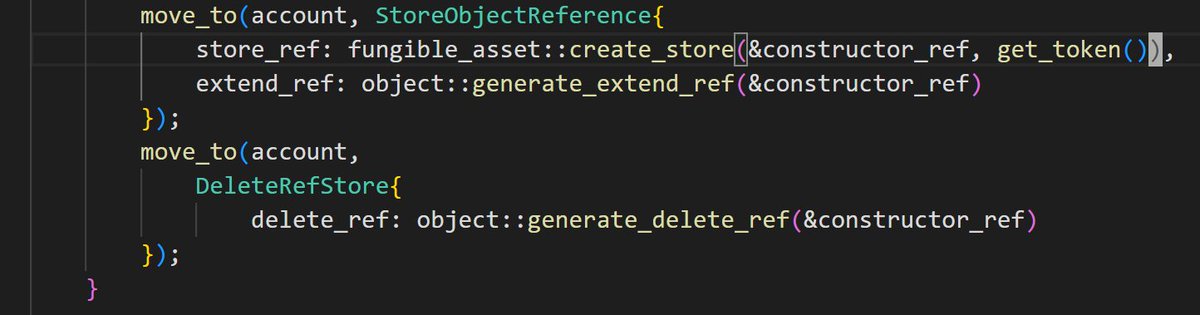
step 3) we save the DeleteRef to later delete the object
8
for now, the FungibleStore appears normal, it can be deposited, withdraw, frozen just a normal store
now lets say the exploiter has done some malicious activity and wants to prevent the admin from freezing their funds
step 4) we delete the Object
from this point on, the only way to withdraw, freeze or deposit funds is through the single Object reference we have stored
no other modules or users can read/write to this reference
now lets say the exploiter has done some malicious activity and wants to prevent the admin from freezing their funds
step 4) we delete the Object
from this point on, the only way to withdraw, freeze or deposit funds is through the single Object
no other modules or users can read/write to this reference
9
one example of where a bad actor could abuse this, was the @ThalaLabs exploiter
the thala admin was able to freeze MOD and thAPT balances, ending the drawdown of MOD and thAPT liquidity. with this trick, the exploiters assets could never be frozen, presenting an existential risk to MOD and thAPT liquidity
circle, tether and most stablecoin issuers also have AML compliance obligations to freeze OFAC and other illegal on-chain activity
moon shiesty@moonshiesty
the exploiter removes staked liquidity and swaps into 400k APT
finally thala freezes the exploiters MOD and thAPT and the exploiter returns 400,000 APT to the thala treasury leaving the account with a balance of 0.01 APT
finally thala freezes the exploiters MOD and thAPT and the exploiter returns 400,000 APT to the thala treasury leaving the account with a balance of 0.01 APT
10
at any point the exploiter can use their Object reference to withdraw their funds
the withdraw address can also be another FungibleStore Object with freeze disabled, preventing the admin from ever freezing or seizing malicious funds, all while the exploiter can continue to misuse their funds
step 5) withdraw all funds to a new address
the withdraw address can also be another FungibleStore Object with freeze disabled, preventing the admin from ever freezing or seizing malicious funds, all while the exploiter can continue to misuse their funds
step 5) withdraw all funds to a new address
11
you can view the proof of concept exploit here:
github.com/MoonShiesty/fa…
aptos patched the issue in aptos-framework v1.24.1
you can deploy this code, to confirm it's patched
github.com/MoonShiesty/fa…
aptos patched the issue in aptos-framework v1.24.1
you can deploy this code, to confirm it's patched
12
here is the current object::owns() implementation
can you spot what aptos changed?
can you spot what aptos changed?
13
aptos moved the object existence check before short-circuiting 'true' when current_address == owner
this guarantees that if an object is owned by an address, the object still exists
now when the object metadata containing the owner is destroyed, developers are guaranteed there is no longer an object "owner"
this guarantees that if an object is owned by an address, the object still exists
now when the object metadata containing the owner is destroyed, developers are guaranteed there is no longer an object "owner"
14
now when the exploiter destroys the object containing the funds, they are no longer the object owner. this means they also can't withdraw their funds
github.com/aptos-labs/apt…
github.com/aptos-labs/apt…
15
shoutout to the @Aptos team for quickly triaging and addressing the issue
there were only 23 days between the bug report, and the governance vote approval patching the issue
there were only 23 days between the bug report, and the governance vote approval patching the issue
16
aptos is shipping features to make objects more intuitive and easier to reason about. this will help prevent similar issues in the future
AIP-112, allows objects to manage access policies for resources stored inside them
this will allows aptos devs to restrict access to resources stored inside an object, if the object is destroyed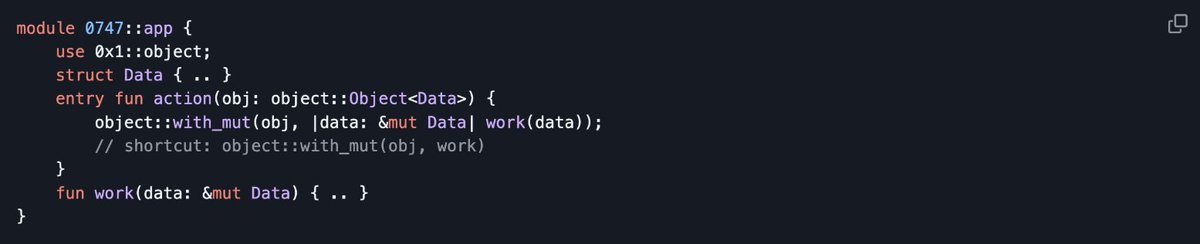
AIP-112, allows objects to manage access policies for resources stored inside them
this will allows aptos devs to restrict access to resources stored inside an object, if the object is destroyed
17
for those who know, this conversation highlights some deep technical differences between @SuiNetwork object model and aptos
i like the direction aptos objects are headed. and i like how aptos objects are more powerful than sui objects; aptos object don't force developers into specific design patterns
aptos objects model is also clearly more complicated than sui's object model. this makes aptos objects more difficult to understand and reason about. in my opinion this was a key factor that contributed to this issue making into prod
i hope the new features in the aptos pipeline continue to make objects more useful, while providing the tools and apis to easily and securely reason about objects
18
this is also a lesson that formal verification can't solve every issue
object::owns() behavior was formally specified, but the specification itself contained an incorrect assumption that objects cannot sign for themselves after they are destroyed
the only way to find this issue was to read the code and reason about the way objects and the fungible asset api interact
object::owns() behavior was formally specified, but the specification itself contained an incorrect assumption that objects cannot sign for themselves after they are destroyed
the only way to find this issue was to read the code and reason about the way objects and the fungible asset api interact
19
@SuiNetwork shoutout to @HackenProof bug bounty portal
it's a good system to incentivize devs to find and report issues
didn't get the max 1m bounty, maybe next time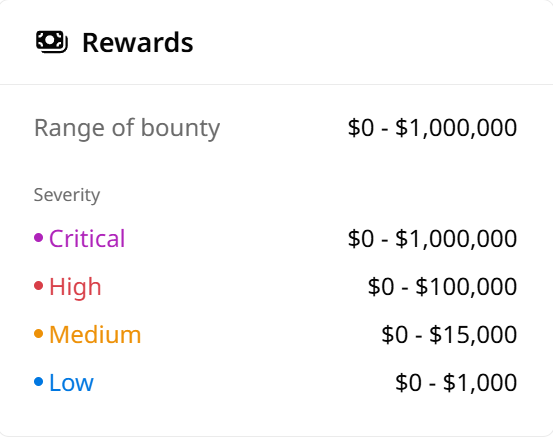
it's a good system to incentivize devs to find and report issues
didn't get the max 1m bounty, maybe next time
20
how did i find this bug?
i was reviewing @mirage_protocol code and thought to myself "i should check we never destroy an object containing a FungibleStore by mistake, then there's probably no way recover the funds"
so i looked. turns out you can still withdraw after destroying the object, if a reference of type Object exists
my next thought was "doesn't that mean you can't freeze the assets" 🤔
so i created the proof-of-concept, demonstrated it locally and submitted to the aptos bug portal
i racked my brain, and fungible_asset was the only aptos-framework code impacted by this issue
its possible other protocols were affected depending on implementation. i did some research and i wasn't able to find any
i was reviewing @mirage_protocol code and thought to myself "i should check we never destroy an object containing a FungibleStore by mistake, then there's probably no way recover the funds"
so i looked. turns out you can still withdraw after destroying the object, if a reference of type Object
my next thought was "doesn't that mean you can't freeze the assets" 🤔
so i created the proof-of-concept, demonstrated it locally and submitted to the aptos bug portal
i racked my brain, and fungible_asset was the only aptos-framework code impacted by this issue
its possible other protocols were affected depending on implementation. i did some research and i wasn't able to find any