In 1980, the DDR achieved a miracle. After a decade of labor, E...

Ælþemplær@Aelthemplaer
25 views
Jan 02, 2025
~4 min read
Advertisement
1
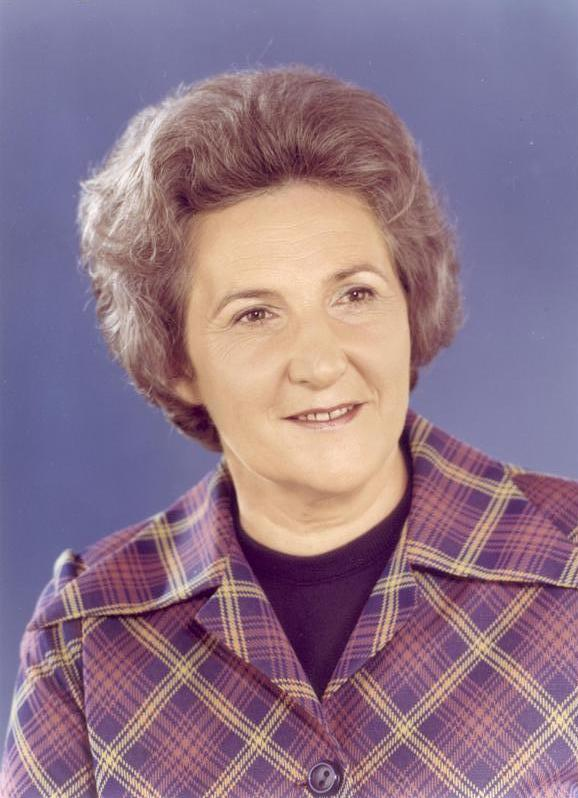
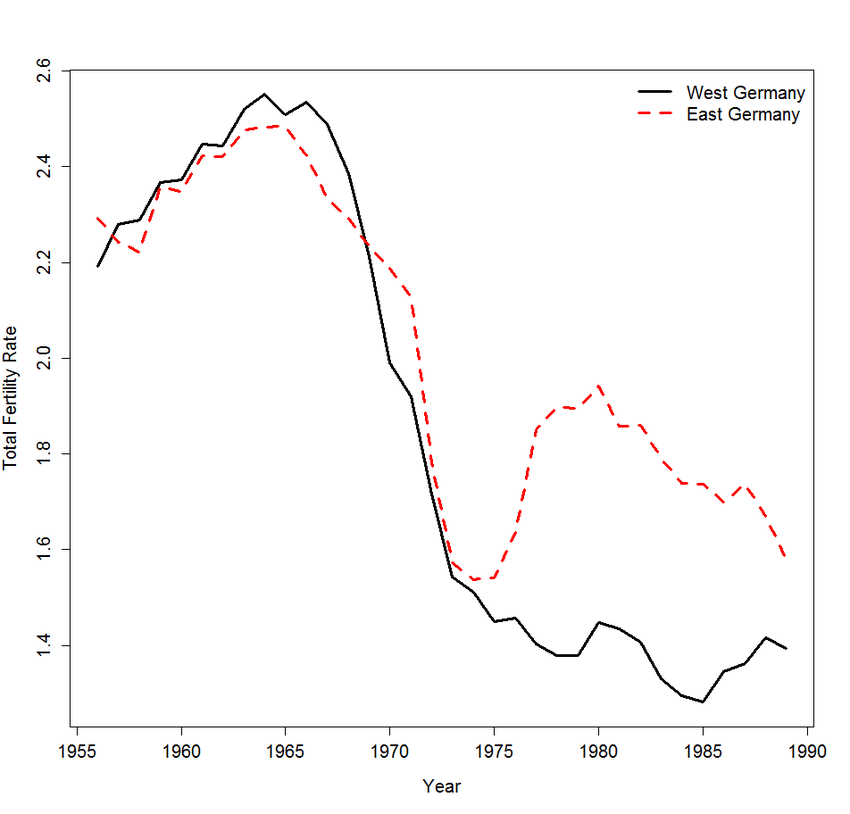
In 1980, the DDR achieved a miracle. After a decade of labor, E Germany's birthrate had reached 2.0 from a low of 1.2 - effectively hitting replacement birthrate - higher than the US at the time. But, how did they manage to do this? One woman stands out. Inge Lange...👇
2
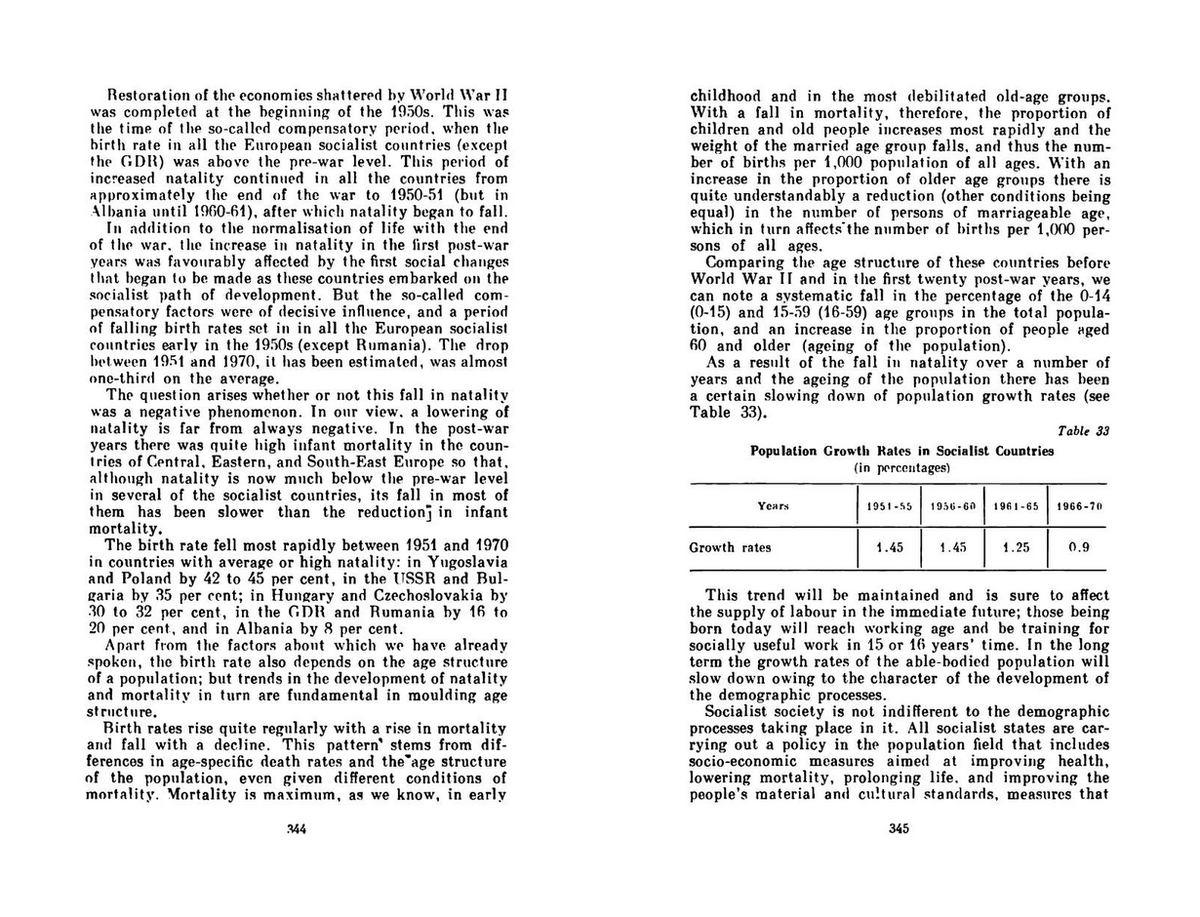
Between 1965 through 1975, the DDR birthrate had gone from 2.5 to 1.5. It was crashing fast. As the head of the Women's Department of the Central Committee of the Socialist Unity Party, Inge Lange could comb the data and see doom coming for the DDR...
3
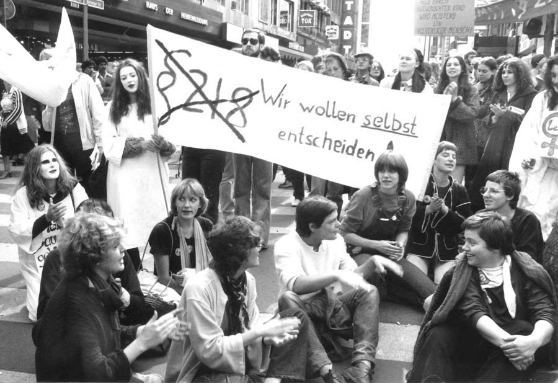
Lange was in many ways the primary cause of the DDR's collapsing birthrate. She has been the primary advocate for abortion acces and birth control throughout the 60s and this had been done during a shortage of manpower - Germany had yet to recover from WW2 losses.
4
However, her friendship with Margot Honecker - wife of the Chairman - meant she had the best means to influence fixes to this disaster she had caused. She had introduced a bug into the DDR's socialist code, and she was going to patch that bug.

5
Her political formulation became colloquially known as Mutterpolitik, or "Mommy Politics". It was a Dual-earner Model in which the DDR would encourage women to participate both in work and motherhood as socialist ideals.

6
At it's core was the belief that children should be burden-free and the state should expend capital to make sure it's burden-free. The DDR created a massive spiderweb of childcare and kindergarten, generous maternity time, and State guaranteed job security.

7
Of course, it must be mentioned here there was a double reason for this childcare support: The DDR was competing with the Church. If they could gain the loyalty of children first, the church wouldn't be able to grab them later.

8
One example of this can be found when a western Journalist, Colin McGlashan, visited the DDR and found that, past the socialist propaganda, the girls in school were being trained to mothers, not atomized labour. This was an important shift in the socialist culture of the DDR.


9
Job security was such that even if a Mother decided to leave a job for taking care of the kids, she was guaranteed a role of equal position when she returned to the work force. This may have been a primary motivator for why women started to have kids again.

10
The DDR evan began copying some of the natalist policies from before the war that promoted families. Cash bonuses were given for each child born, and public housing requests rosters put families at the top rather than single people or foreign labor.

11
Due to their closeness, West and East Germany could not properly censor each other's radio and television. As such, the DDR could actively play off western culture. The West's obsession with working mothers without any children became one such trope to play off.

12
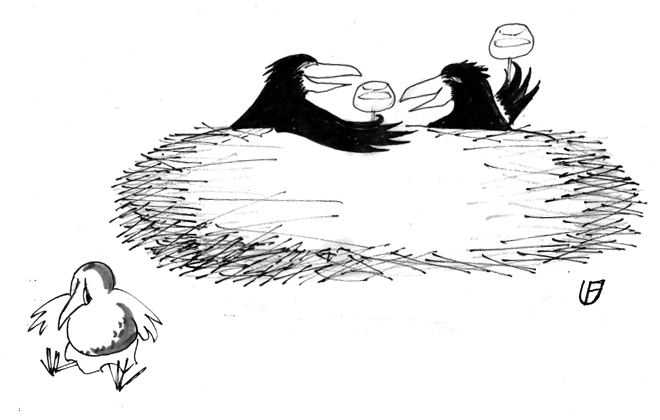
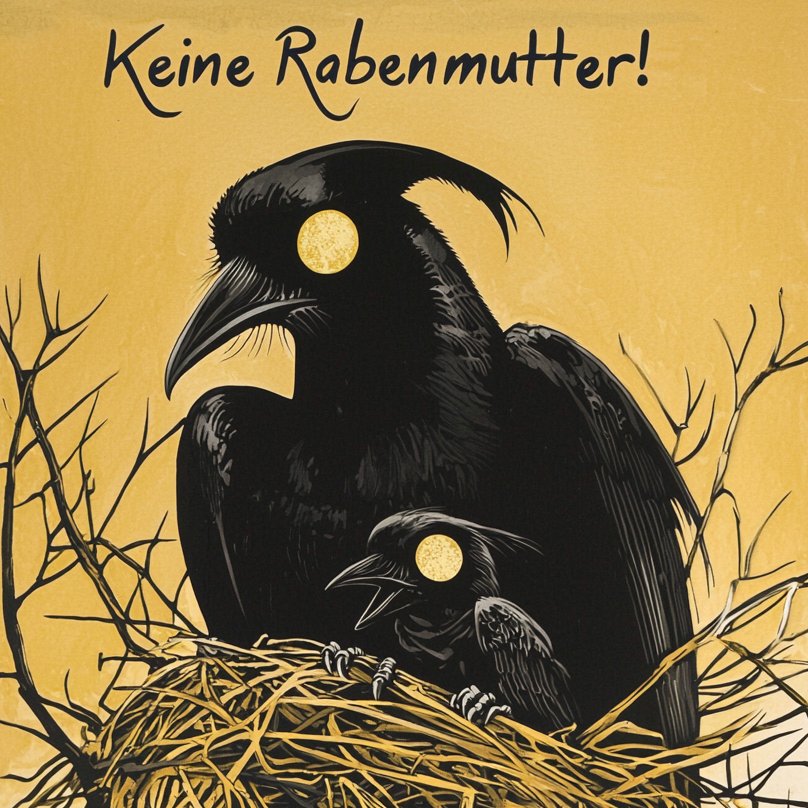
For example, at the time West Germany had a meme called the Rabenmutter - Raven Mother. This was a woman who neglected her children for work. The DDR subverted this meme. East Germany had no Rabenmutters!
13
Some have even stated that because abortion was freely available, but the incentives to have children was all the more higher, this actually created a culture of deciding to have children - to this day, women in Saxony enjoy some of the highest fertility rates.


14
These efforts brought Lange considerable political clout and was a close friend of the Politburo. However, this closeness resulted in her expulsion from politics after reunification, being somewhat a symbol of DDR oppression despite her efforts.

15
The DDR Demographic miracle of 1980 was not just a statistical anomaly but the result of comprehensive pro-natalist policies hitherto unreplicated in the West. In fact, to this day, the DDR remains the ONLY European country since 1970 to achieve a growth in fertility rates of .8
16
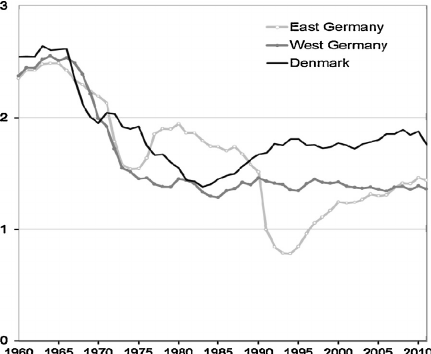
Sadly the Birthrate did indeed sink again after 1980 as the DDR went broke, but it is perhaps worth noting that even the post 1980 slump is less than the total collapse following reunification. Once Western cultural values spread East, the DDR was cooked.
17
One wonders why the example of the DDR is not studied more comprehensively by demographic experts today. By replicating the policies of the DDR, we could quite quickly change the demographic trends in the west. What reason is there not to?

18
@threadreaderapp unroll
