Long-Range Bomber Aviation in Afghanistan by: Виктор Марковский...

Славян@SlavAesthetics
38 views
Nov 17, 2025
~50 min read
Advertisement
1
Long-Range Bomber Aviation in Afghanistan
by: Виктор Марковский (Viktor Markovsky), 2011
The Afghan war and the events in the Middle East led to a serious change in the structure of the Soviet Air Force in this area and, first of all, the aviation of the southern districts - TurkVO and SAVO. Previously considered secondary, the South had fighters of the 12th Air Defense (PVO) Army and front-line aviation (FA) of the districts, which numbered only three regiments of the IBA (Fighter-Bomber Aviation), armed with far from new equipment (Su-17 of the first series and MiG-21PFM). The bombing forces of both districts were limited to a single regiment of the FBA (Front-line Bomber Aviation) - 149th BAP in Nikolaevka on the Yak-28I. In the early 1980's, a number of measures aimed at increasing the strike capabilities of this group followed: regiments were re-equipped with new equipment, and some fighter units were transferred from the Air Defense to the Air Force, reorganizing them to strengthen the IBA and FBA. Although there were still no Long-range aviation (DA) forces in the districts, all its units remained concentrated in the European part of the country, on the border with China and the Far East. However, the formidable shadow of Long-range Aviation had been hovering over Afghanistan since the very first days of the deployment of troops...
by: Виктор Марковский (Viktor Markovsky), 2011
The Afghan war and the events in the Middle East led to a serious change in the structure of the Soviet Air Force in this area and, first of all, the aviation of the southern districts - TurkVO and SAVO. Previously considered secondary, the South had fighters of the 12th Air Defense (PVO) Army and front-line aviation (FA) of the districts, which numbered only three regiments of the IBA (Fighter-Bomber Aviation), armed with far from new equipment (Su-17 of the first series and MiG-21PFM). The bombing forces of both districts were limited to a single regiment of the FBA (Front-line Bomber Aviation) - 149th BAP in Nikolaevka on the Yak-28I. In the early 1980's, a number of measures aimed at increasing the strike capabilities of this group followed: regiments were re-equipped with new equipment, and some fighter units were transferred from the Air Defense to the Air Force, reorganizing them to strengthen the IBA and FBA. Although there were still no Long-range aviation (DA) forces in the districts, all its units remained concentrated in the European part of the country, on the border with China and the Far East. However, the formidable shadow of Long-range Aviation had been hovering over Afghanistan since the very first days of the deployment of troops...
2
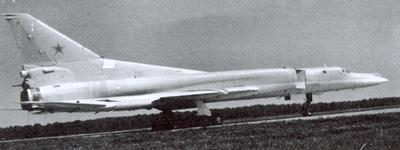
Assuming extreme scenarios, up to an open clash with the "vanguard of imperialism" and "reactionary Arab regimes," the command took appropriate steps to ensure the operation. Although the original directive of the General Staff of December 24, 1979, required only "to put on full combat readiness... TurkVO and SAVO aviation for a possible increase in the group of Soviet troops in Afghanistan," readiness affected almost all parts of the Air Force and Air Defense, including Long-range Aviation. Unlike the usual alarms conducted according to the scenario of a nuclear conflict, this time the "Dal'niks" were tasked with ensuring the advance of troops, if necessary using their striking capabilities and crushing resistance with conventional ammunition. So, in Engels, even Myasishchev's "Emki" (M's) of the 1096th and 1230th TBAP (Tactical Bomber Aviation Regiment) were prepared for bombing attacks, removing fuel "barrels" from tankers and refitting them for suspension on cassette pylons of 52 FAB-250's or 28 FAB-500's. Tu-16's were transferred from Orsha to Khanabad Airbase closer to the border, and from Priluk to Semipalatinsk. We took everything we needed with us, including large-caliber bombs. They received a combat mission on the spot - to strike at the northwestern outskirts of Herat, and due to the ambiguity of the situation (the first reports of "satisfaction of the Afghan side's request for military assistance" appeared only on December 29th), the flight had to be carried out under cover of darkness. The reason for this order was the fear of meeting serious resistance in this city, because in March, 1979, there was a major uprising supported by the local garrison and led to the deaths of thousands of people. The information received by the "Dal'niks" about the deployment and forces of the enemy was not very definite: "A dozen of them or a whole division, whether they were sitting in the house or rallying on the city square, no one knew anything about it," recalled the Commander-in-Chief of the DA, V. V. Reshetnikov. As a result, the raid did not take place. The deployment of troops took place almost without interference.
3
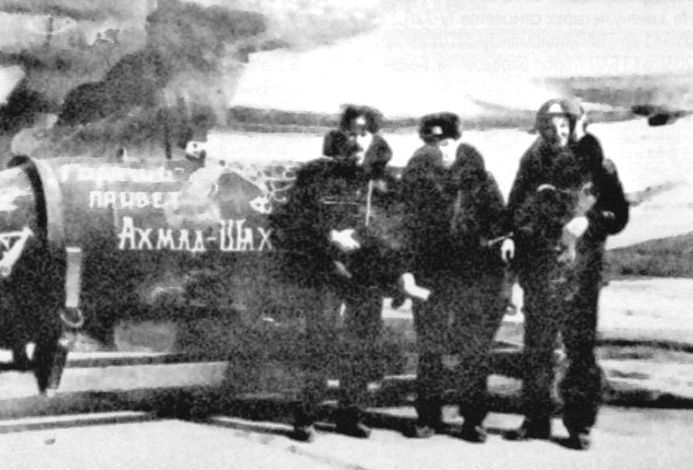
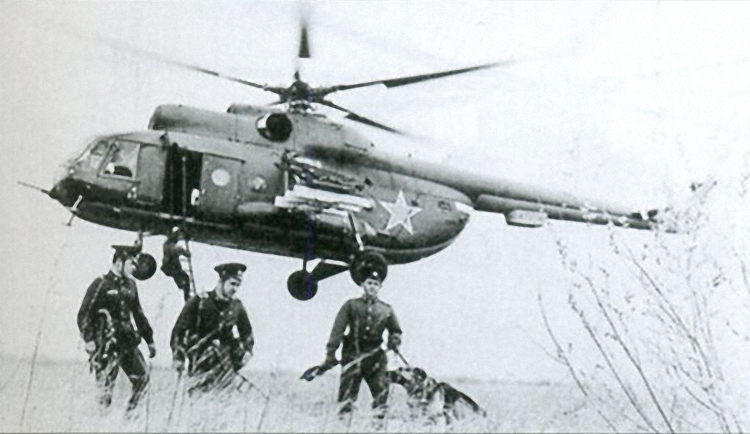
Despite the proliferation of hostilities, in the early years of the war, the 40th Army managed with the air forces of the army and front-line aviation at hand. The exception was the appeal for help to the DA, when it was necessary to strike at the lapis lazuli mines in the northern district of Jurm, which belonged to the possessions of Ahmad Shah. The blatant disregard for the central government and the willfulness of the owner of these places were based, in addition to his personal abilities and the military strength of the rebels, also on the ancestral crafts of these places - the extraction of precious stones. Tangible revenues from their export strengthened Massoud's power and allowed him to .to pursue their own policy, well supplying their troops in the tradition of the combination of war and trade accepted in the East. The area, where the central government was not recognized at the best of times, haunted Kabul, which constantly made attempts to "feel" the deposits. Another operation to "undermine the Dushman economy" was being prepared for the summer of 1981 - in the tradition of planned economy, the directives of the USSR Ministry of Defense at the beginning of the year demanded "to liberate from the rebels at least 70% of the country's territory and 80% of county and parish centers." During the preparation, the reconnaissance found a field airfield near the village of Sarnsang, from which the stones were exported to Pakistan. The Mi-8's of the Soviet Border Troops from Gulkhana were sent to this area, but the mines were well guarded, and the helicopters came across unusually dense anti-aircraft fire. Before reaching the target, they turned back, bringing an impressive set of holes. The next step was a raid by an entire helicopter squadron from Faizabad, but the work was banned from the Air Force headquarters of the 40th Army, considering it too risky.
4
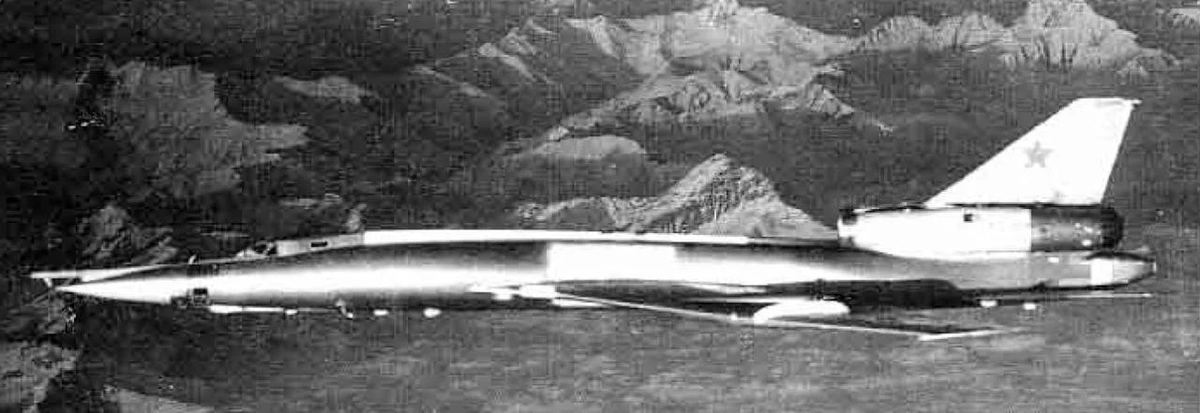
They decided to destroy the mines by bombing, but a considerable distance separated them from the airfields of the 40th Army and the border base of the TurkVO, Jurm. It was not an easy task for the MiG-21 and Su-17 pilots, who had rather modest sighting and navigation equipment, to look for a target lost among glaciers and mountain ranges (a year earlier, a group of Chirchik MiG-21's on the route were so "blown away" by jet currents that they deviated almost 100 km and landed in Bagram literally on the last liters of fuel). The strike were assigned to the DA, and on June 10, a heavy bombardment squadron worked in Jurm. The bombing was conducted from heights of 10,000-12,000 meters, not so much for fear of fire from the ground, as for the safety of flying over mountains reaching heights of 5,000-6,500 meters here (the target itself lay at the foot of the "mark 6729m" - the highest peak of the Afghan Hindu Kush). It was not possible to determine the effectiveness of the strike, but it is known that even before that, lapis lazuli mining was carried out there in an explosive way...
5
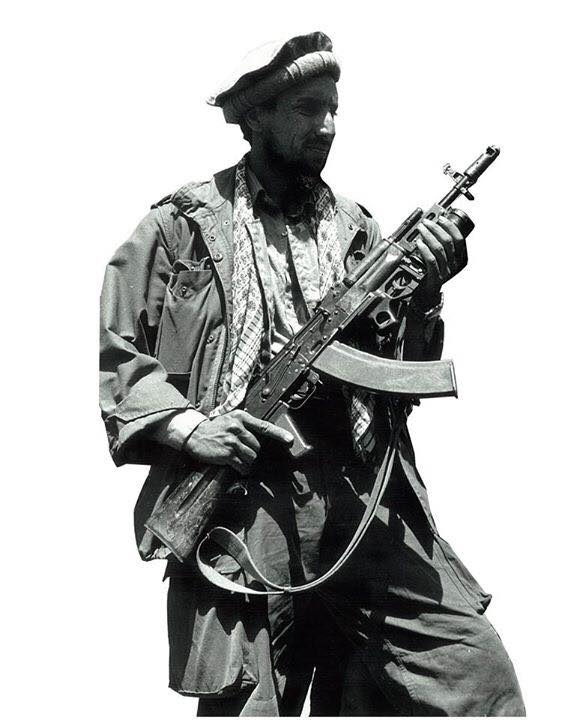
Long-range Aviation reappeared over Afghanistan during a large-scale Panjshir operation in 1984. For the previous two years, a truce had been in force with Massoud, according to which the 40th Army even pledged to provide him with "aviation and artillery support in the event of armed clashes between his detachments and rival formations." The promise "not to carry out air strikes on Panjshir" was specifically stipulated. A GRU Lieutenant Colonel sent to him conducted personal work with Ahmad Shah, "introducing him to the Soviet way of life and the works of classics of Marxism." However, the world was shaky: the increasing influence of the "Panjshir Lion" aroused the jealousy not only of Kabul, but also of the numerous Soviet apparatus, which justified its role by war. To get rid of this "splinter", one of the high-ranking KGB officers, who was not used to spending money on trifles, proposed radical measures: "To plan a set of military tactical measures (operation) against the Ahmad Shah group, including using weapons of special power." The latter implied not only the participation of Defense Minister S. L. Sokolov himself in the leadership of the operation, but also an unprecedented large-scale involvement of aviation.
6
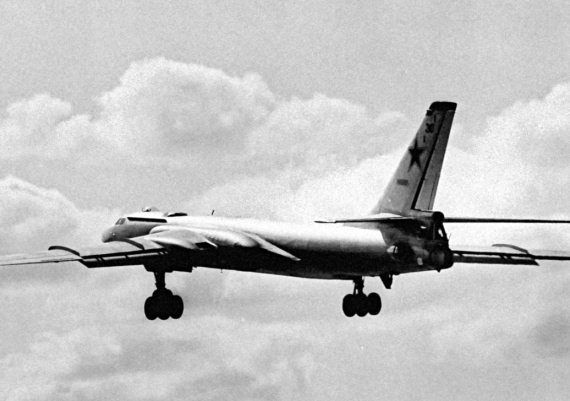
In addition to the Air Force of the 40th Army, four FA (front-line aviation) regiments from border airfields were involved in the raids, and the use of ammunition of the largest calibers required the participation of the "Dalnikov". In early April, a squadron of the Bobruisk 200th Guards was relocated to Khanabad. TBAP on Tu-16's, capable of delivering 9 tons of bombs to the target at once, including three-, five- and nine-ton loadouts. Six Tu-22M2 from the 1225th TBAP from the Zabaikalsky Belaya airfield under the command of the deputy also flew to the Maryy-2 base, the Commander of the regiment, Podpolkovnik (Lieutenant Colonel) V. Galanin. The volume of work ahead was obvious: warehouses could not accommodate all the imported ammunition, and bombs of all types and calibers were piled around everywhere - on parking ramps, between runways, and along taxiways. All these supplies were to be dumped on Panjshir, where intelligence estimated the number of Massoud's detachments at 3,500 fighters by April 1984. In other words, for every 12-15 enemy men, there was one Soviet aircraft or helicopter.

7
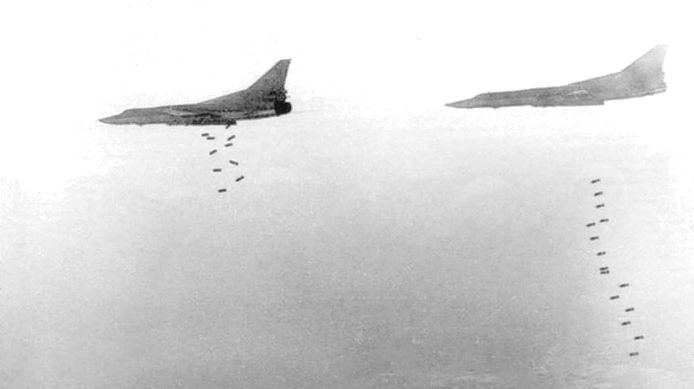
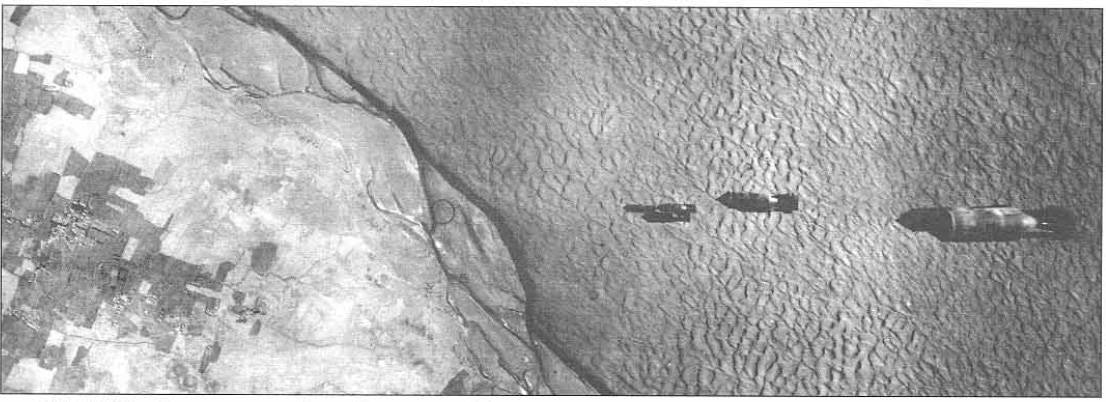
At 04:00 on April 19th, the bombers went on target. The Tu-16's were the first to rise, then the Tu-22M2's, after half an hour 60 Su-24s followed them. The concentration of aircraft in the sky over Panjshir was such that the "sides" approaching the impact site were recommended to turn on the RSBN (short-range radio navigation system) only from the near border, otherwise the radio station in Bagram, which had a capacity of 100, would've been "choked" full of aircraft (higher density is not found in the capital's airports). In order for pilots to better navigate over unfamiliar terrain, "beacons" for onboard radar gauges with corner reflectors of the type that stood on training ranges were installed there in advance. The "Dal'niks" entered targets higher than the rest, dropping bombs from 9,000-10,000m through dense clouds. The strikes of the "twos" (Tu-22M2's) were especially impressive: each of the aircraft carried 64 OFAB-250-270, which fell out in a series from horizontal flight, after which dozens of hectares below boiled up in a continuous carpet of ruptures. To maintain alignment, the bomb pylon locks were opened in a certain order: in pairs on the left and right, front and back.
8
Massive strikes lasted for the first three days of the operation, but the "Tu-shkas" (Tupolev's) from Khanabad and Maryy performed only one sortie in the morning - after it, the targets were covered in a dusty veil, and combat work and for secrecy was ordered to be conducted at dusk. This was the end of DA's participation in the operation. Already in May, her aircraft left the border airfields.

9
The effectiveness of high-altitude bombing proved to be low. One of the reasons for this was the unsuitable nature of the ammunition used. The heavy explosives that shook the earth did not achieve results: the few barriers in the path of the troops revealed by intelligence did not stay in one place, leaving the areas in time. The 3,000, 5,000 and 9,000kg bombs themselves did not correspond at all to the tasks of fighting manpower and even destroying buildings - when they were created, they were not intended to be used against ground targets at all! Heavy FABs appeared in the late forties as the only means of combating large ships at that time and have remained in service since then, although the characteristics of their striking effect on other objects were not even evaluated (the exception were "half-trucks", which were considered acceptable for strikes on industrial facilities, dams and underground structures). Even with the bombing of "enemy villages", which completely swept away houses and duvals, the real effect was small. The power of the impressive-looking bombs was wasted: the radius of lethal damage by the FAB-3000 shock wave did not exceed 39m and even for the FAB-9000 remained within 57m. Disabling contusions with bleeding from the nose and ears, the enemy received, respectively, 158 and 225 meters around - a result inferior to a series of "front-line caliber" bombs dropped from the attack aircraft. Despite all this, for several sorties, infrequent in the practice of the "dalnikov", the commanders of both groups received the Order of the Red Banner of Battle.

10
It is customary to compare the Afghan campaign with the Vietnam War. There is a parallel in evaluating the work of DA. History repeated itself: starting with the use of attack aircraft and fighter aircraft, the American Air Force was drawn into an endless chain of increasing strikes, and a year later they involved strategic aviation in the matter, trying to solve all tasks with a tonnage of bombs. Nevertheless, for all the apparent similarity, fundamental differences should be taken into account. The OKSVA ("Limited Contingent of Soviet Troops", aka Soviet Invasion forces in Afghanistan) was five times smaller than the American forces in Vietnam, the fighting was much smaller in scale, and, accordingly, the Air Force of the 40th Army, even with the units involved, was an order of magnitude inferior to the many thousands of the US Aviation Armada. North of the 16th parallel, the United States still dealt with the state, including enterprises, warehouses, transport hubs with bridges, stations and ports - the usual large targets for bombing. Even in the South, where widespread carpet bombing was practiced, the target was a network of roads along which reinforcements and weapons were transferred.
11
These recipes were not suitable for fighting a disparate and small-numbered enemy, as was the case in the purely anti-guerrilla Afghan War. Accordingly, DA's participation in it remained episodic. The enemy carried everything he needed with him, not needing the support provided by military science on infrastructure - fortifications, warehouses, headquarters and barracks, which were habitually searched for by intelligence. Even the fortresses and caves that had been preserved for a long time, which could serve as a haven for the Mujahideen and looked like a "reliable target", were immediately left by the fighters accustomed to nomadism, who dissolved into the mountains and "greenery". When the greatest damage was caused by ambushes on roads and in villages, the power of the bombers was not used.
12
Yet an awkward situation was developing: the enemy continued to gain strength, expanding its sphere of influence, but was not suitable for overly powerful aircraft, which literally did not notice the enemy. This fully applied to the results of the "Big Panjshir" in 1984. Although the then Commander of the 40th Army, Lt. Gen. L. E. Generalov, called it "an example of the largest and most effective operation," the real successes were more than modest. Panjshir had to be abandoned, and the detachments that had escaped heavy losses and Massoud himself returned to it. The conclusion of the Chief Prosecutor's Office read: "Experience has confirmed the low effectiveness of conducting large-scale military operations from a military point of view, and sometimes their political damage." As for the bombing attacks, the infantry spoke even more clearly, reproaching the aviators that they "eat their chocolate for nothing";
13
And yet in the summer of 1986, the DA was again involved in the work on Afghanistan: the very presence of such a powerful force required its use. In those months, a widely declared withdrawal of a part of the OKSVA was being prepared, during which 6 Regiments were to leave the country (however, the army was replenished in parallel), and long-range bombers were to prevent the movement of dushmans and the shelling of outgoing columns. In addition, a number of operations were planned in the south that needed air support. By this time, in addition to the usual military operations to "purge" the provinces and return them to the rule of Kabul - an occupation as regular as hopeless - strikes on bases and base areas had began, on which the "regiments" and "fronts" began to rely, uniting former disparate gangs under the command of major field commanders. There were bases that served as a support for one formation, transshipment bases and points from which weapons were shipped and caravans were sent, and large base areas that included headquarters, warehouses, weapons and ammunition workshops, communication centers and training centers. Places for them were inaccessible gorges lost in the mountains.
14
Characterizing the qualitative changes, an analytical note from the Army Combat Training Directorate back in October 1984 drew attention to the appearance of objects that "the rebels are preparing for stubborn defense in engineering terms." Aviation became the most reliable means of defeating them. However, the "pinpricks" of the 40th Army Air Force, forced to operate at a considerable distance from the bases, did not have proper successes: at such a distance, Bagram fighters and attack aircraft could, at best, deliver a couple of bombs, and due to supply difficulties from time to time, the headquarters was even forced to impose restrictions, obliging them to hang only one bomb at a time! (However, by that time, all combat payloads was usually dropped in the first approach, and the result of the strike depended more on its accuracy than on the number of bombs.) Also, the explosive power of the "five hundred" (FAB-500) maximum for them was not enough to destroy shelters, often cut into solid rock or filled with concrete. Curiously, even the sappers failed to undermine some caves - the laid charges could not bring down the vaults, and the explosions only "cleaned" them as if under a broom. Protected targets required proper measures of "influence", and then those very large-caliber bombs turned out to be suitable. A high-explosive blow from above caused concussions, cracking and collapse of the stone that filled up the caves, and landslides filled up their entrances.
15
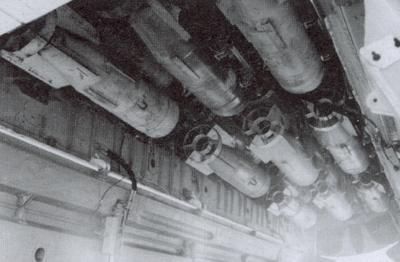
Bombing along the slopes had an impressive effect: the descent of hundreds of tons of stones buried the mouths of caves and approaches to them, cornices fell to the bottom of gorges, few roads and trails rested on piles of rock blocks, and the enemy had to spend weeks searching for workarounds. To prevent the power of the explosion from being wasted on the surface, the fuses were set to fire with a delay that allowed the bomb to deepen and explode in the thickness of the mountain. AVU-E and AV-139E electric fuses were usually used, specially designed for large-caliber bombs and high-altitude bombing. They were distinguished by increased safety - the final arming took place only 18-23 seconds after separation from the aircraft. The use of special thick-walled FAB-1500-2600TS turned out to be particularly advantageous. Despite the "one and a half" caliber, they had an actual mass of more than 2.5 tons, and a durable cast "head" of ten centimeters thick (against 18mm walls of a conventional FAB-1500), like a battering ram, allowed to go deep into the rock. Thus, 469kg of its contents gave a greater effect than 675kg of explosives of the M-46 and M-54 types (in addition, TNT hexogen TGAS-5, which filled the teesk (тээску?), had a one-and-a-half equivalent compared to TNT in other large-caliber bombs). The three-ton bombs of the M-46 and M-54 models contained 1400 and 1387kg of TNT each, the five-ton FAB-5000M-54 contained 2207.6kg, and the nine-ton FAB-9000M-54 contained 4297kg. The 1950 model ammunition had already been decommissioned by the mid-80s, as had the armor-piercing monsters BrAB-3000 and -6000, which could be useful here.
16
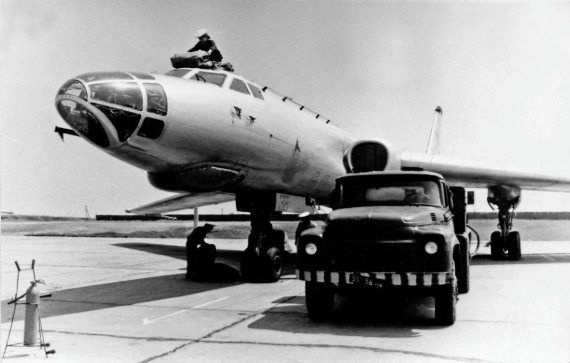
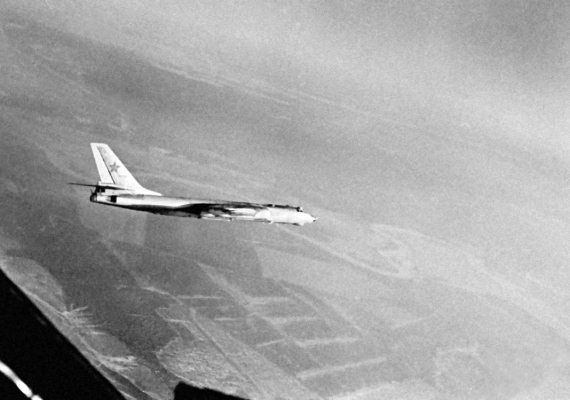
Tu-16 of the 251st Guards took part in the raids. The Red Banner TBAP, relocated to Maryy from the Belaya Tserkva (Bila Tserkva in Ukraine). In those summer months, the advantage of freedom from "seasonal" problems was clearly manifested, because of which the combat load of FA aircraft depended not so much on the task as on the time of year. The heat sometimes did not even allow the aircraft, "overloaded" with a couple of bombs, to be lifted off the ground - a fresh (June) confirmation of this was the Su-17, "refused" on takeoff in Bagram. And the Tu-16 with bomb bays loaded "to the brim" and with half refueling could easily cover the entire territory of Afghanistan. Anti-aircraft fire did not pose a threat to the long-range bombers who bombed from alitutude, but the appearance of the latest F-16s in Pakistan, which had already managed to "mark" the attack in May by two Afghan aircraft, generated fears. Therefore, the Tu-16 sorties covered the MiG-21bis of the 115th Guards IAP from Kokaita, which turned out to be associated with the only incident in the entire "race". The stern gunner of one of the "Tup's", Ensign N. Slipchuk, known in the regiment as a romantic and poet, suddenly mistook the fighters catching up with them for enemy fighters and, without hesitation, opened fire. The firing lasted half a minute, which was enough to land the entire ammunition supply of 1000 shells in one long burst. The fighters shied away from the route, but the preparation of the shooter, fortunately, left much to be desired, and all the damage was reduced to replacing the "shot" cannon barrels (the normal queue for overheating and wear should not exceed 200-300 rounds).
17
The use of DA "under the curtain" became the most widespread, in the last months of the war. They turned to the "dalniks" for help in October 1988, with the beginning of the final stage of the withdrawal of troops, when the enemy's actions were expected to intensify: finally, many opposition leaders threatened with particularly painful strikes, not only in the usual manner of hitting in the back, but also gaining points on the eve of a future struggle for power. Other leaders saw in the withdrawal of Soviet troops an opportunity to "sort out" Kabul without hindrance, and at the same time resolve contradictions among themselves, and they willingly went to sign "non-aggression pacts" with the 40th Army. The word "rebels", which gradually fell out of use, became an echo of the changes, which confirmed the well-known: "Mutiny cannot end with luck - otherwise it's name is different." Peace agreements with the Mujahedeen, in which the leadership of the OKSVA had well-known experience, allowed for the unhindered withdrawal of troops, but "from above" the way home was seen differently. Nevertheless, the position of the headquarters of General B. V. Gromov and the leadership of the operational group of the USSR Ministry of Defense, headed by Army General V. I. Varennikov, significantly affected the organization of the withdrawal and the work of the involved aviation forces.
18
By the autumn of 1988, part of the 40th Army Air Force (up to 45%) had already left the DRA. To compensate, along with other forces, by the end of October, a separate DA group was formed, seconded to the SAVO Air Force (the TurkVO was eliminated by this time, but the headquarters of the united district and the Air Force KP (Command Post) were located in Tashkent). The main task of the group was assigned to cover the withdrawn units and locations with pre-emptive strikes on the areas of deployment of opposition firepower, as well as disrupting the shelling of large cities, striking bases and warehouses, supporting Afghan troops in blockaded garrisons, designed to "eliminate political deformations in the abandoned areas of the country."

19
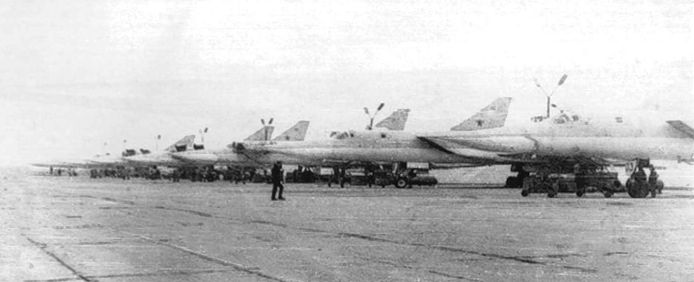
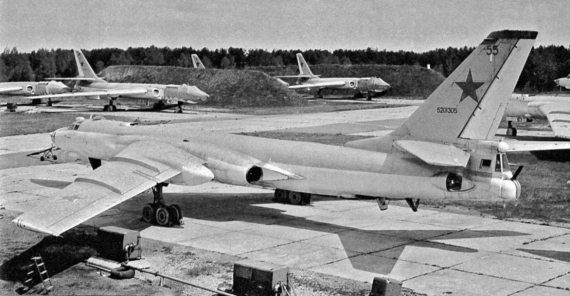
The group included aircraft and crews of the Guards units of DA: the squadron of Tu-16's of the 251th Guards TBAP from Belaya Tserkva, and two squadrons of Tu-22M3 from Poltava 185th Guards TBAP. They were stationed at two nearby airfields, Maryy-1 and Maryy-2, the only ones available at the time, even if lying further from the target than the border bases (for the "long-range" the difference of 200-300km was not significant). In Maryy-1, there was the 1521st Airbase of MiG-23 and MiG-29 fighters, who "played along" as the enemy during the training of IA (Fighter Aviation) pilots, deployed 11 Tu-16s - three detachments and two control group vehicles. There was a local airport on the other side of the runway, which was another reason for the division of the DA group: Maryy-1 was used to receive "transporters" with the troops being withdrawn, UN representatives were invited there, and the menacing-looking "Backfires" did not fit well into the ideas of Western diplomats about the implementation of the Geneva Agreements. The Tu-16s, which taxied methodically to the start day after day, attracted less attention by engaging in "planned combat training."

20
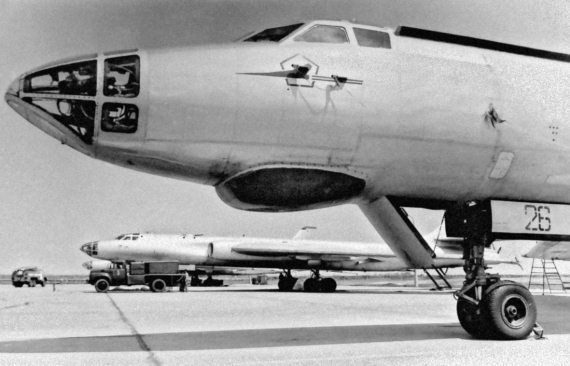
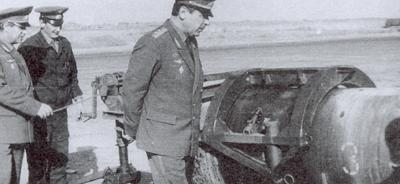
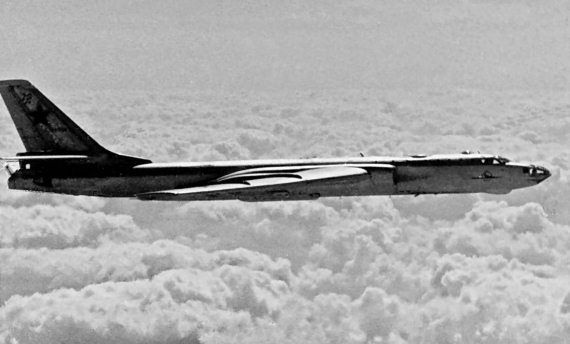
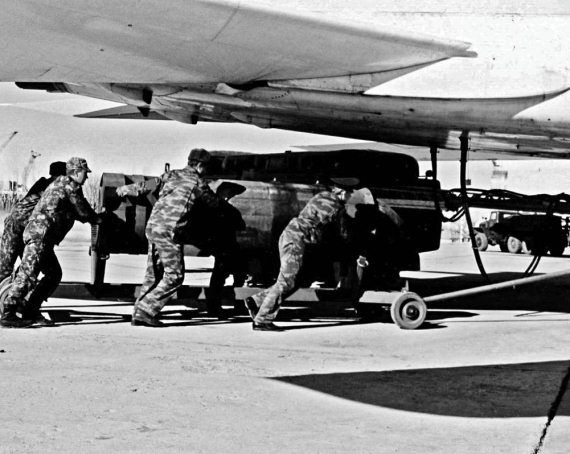
The "Tup's" from Belaya Tserkva were of a respectable age - almost all of them began service in the early sixties and were the same age as their pilots. Unlike those who were sent to the Air Force of the 40th Army, who tried to be selected according to qualifications of at least 1-2 classes, the working methods of the "dalnikov" allowed them to attract almost the entire flight crew, bypassing any special training. The same applied to aircraft that had not undergone any modifications: in order to "take and throw", the capabilities of a veteran were quite enough. By 1988, the Tu-16 remained the only aircraft capable of carrying the FAB-9000, and this advantage was finally in demand. There were also problems: at home, no one had to deal with monster bombs, for which an entire structure was mounted in the cargo bay - a BD-6 bomb-rack pylon with massive beams and struts. Transportation of the "nine-ton" required personal transport - a BT-6 trolley, which could be moved by the efforts of several dozen people. Cumbersome equipment, unaccustomed to one of the first attempts to hang a bomb, led to the fact that the skewed FAB-9000 got stuck in the compartment and almost fell down. The gunsmiths scattered and only managed to put the recalcitrant bomb in place the second time. The "nine-ton" were the main cargo, but from time to time smaller caliber bombs were also used, up to the "scattering" FAB-250, which were taken in loads of 24. Such differences in loading were explained not so much by tactical necessity as by interruptions in transportation, which "emptied out" warehouses throughout the country.
21
Many targets lay in the vicinity of Kandahar and Jalalabad, which had already been abandoned by Soviet troops. The bombing here was in the nature of a counterweight to the continuous shelling and sorties, especially since there was no hope for active actions by government garrisons. This also affected the nature of the work of the "dalnikov", who for the most part did not imagine the objects of the strikes, distinguishing them only geographically. Upon returning, questions about which targets were bombed were answered with the words: "Those that were indicated."

22
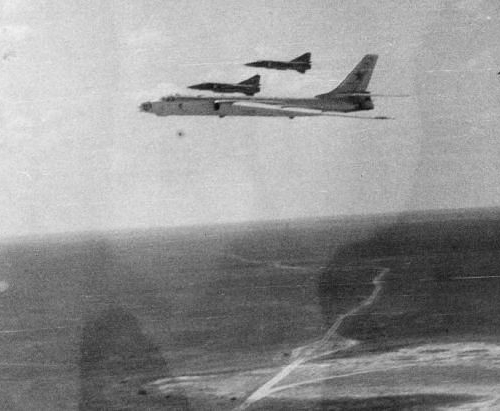
Flights to the "far corners" took 3.5-4 hours. Due to the fact that they had to work right at the Pakistani border, and they did not have to rely on their own weapons and passive defense equipment (Tu-16s were not equipped with IR countermeasures, mandatory in the Afghan sky, having only "seeders" of dipole tapes for radar interference), each flight was accompanied by fighter cover, and because of the duration the escort of the raids was replaceable, the neighboring MiG-29s saw off and met the group, sometimes the Su-17M3 duty unit from Maryy-2 was involved for this. Confirming their partly fighter purpose, the Su-17 carried a pair of R-60 missiles and PTB-800 tanks, which allowed them to escort bombers over the north of the DRA. Closer to the goal, the baton was taken by MiG-23MLD from the 120th IAP in Bagram.
23
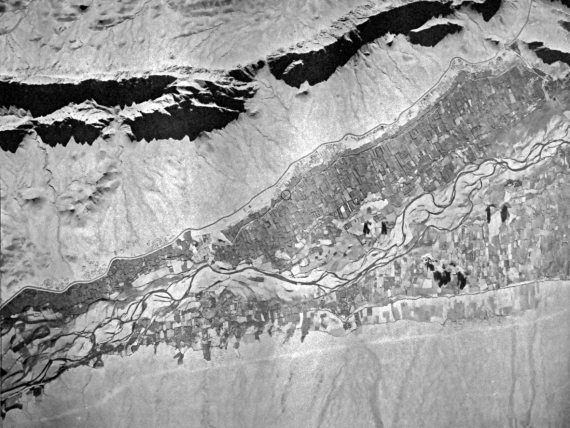
One squad of three Tu-16s was constantly sent to bombard. Departures were usually scheduled in the morning, and they went to the target without using the RBP-4 radio sight, "blind" and useless over mountains where there were no clear radar landmarks (the thirty-year-old device was able in theory to detect objects from 150-180km, but only if they stood out well against the background of the terrain, and was suitable, as they said, "to notice the skyscrapers and the Statue of Liberty"). On the route, navigational calculations using the ARK-5 and the DISS (Doppler radar used for navigation) "Trassa" were dispensed with, and the flight mode was almost constant: altitude 10,000-11,000m and a speed of 850km/h. With access to the target, the bombing was conducted by a navigator using an OPB-11 optical sight.
24
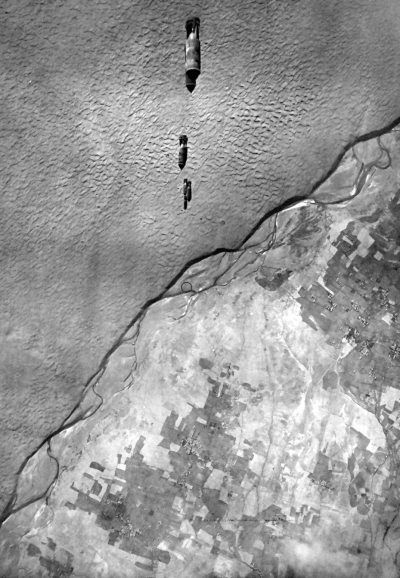
Sometimes the Tu-16 was involved in night strikes, while the area was illuminated by SAB's from the Su-17s. One day, helicopters were sent to monitor the results of the strike, but they did not find any traces of the target - a powerful collapse buried not only the object itself, but also the entire former terrain. Another time, paratroopers flew out to "clean up" the bombing area in the green zone. Upon their return, they reported: "You have beaten off the hunt to fight there for a long time." There were also some misses - the inevitable satellites of high-altitude bombing, in which dispersion of about 300-500m was considered normal: the explosions of the "nine-ton" lay too close to the checkpoint near Kabul and led to concussions of the soldiers on duty there, some of whom lost their hearing. In just three months of operation, the Tu-16 dropped 289 total FAB-9000M-54 bombs. The pilots themselves were "covered up" and the flight altitude, which allowed them not to be afraid of fire from the ground, inspired confidence and made departures a routine matter. The work was facilitated by the organization of its "shift method": some of the crews from time to time flew home on vacation, and others replaced them, so that participation in the war for them was limited to 15-20 combat sorties. The trouble was caused by the "very old" cars themselves, which constantly had minor failures and breakdowns, which is why planes were involved in flights as they were in good condition. To the credit of the old but sturdy Tu-16, even with failures in the air, it was possible to complete the task, and the crews tried to eliminate malfunctions right in flight (the dignity of "elderly" and not very complicated equipment). The cabin of the "Tup's" allowed access to many units and shelves of equipment, in all corners, just in case, all sorts of small parts, fasteners, clamps, contouring, etc. were piled up, and crew members put screwdrivers and pliers in their pockets.
25
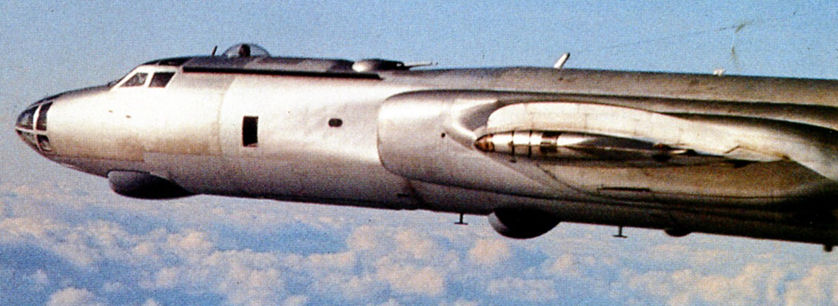
Even a serious incident that happened in January 1989 with a Tu-16 under Capt. E. Pomorov did not prevent us from reaching our goal. On the plane carrying the FAB-9000, the nose blister was torn off at an altitude of 10,100m. A furious whirlwind burst into the cockpit of the bomber, traveling at a speed of 850km/h. Inside, the temperature dropped to outside -50°C, and the vacuum hit the ears. Navigator Capt. Lylov had the worst of all, who found himself right under the chilling stream. It remained only to thank the fur flight jackets and headsets with retro glasses that were preserved in the equipment of the Tu-16 crews. In case of depressurization, the instructions prescribed an immediate descent, but there were only 15 minutes left to the target, and the commander continued to keep the aircraft on a level and course. The crew bombed off, although not particularly well aimed (it was not up to it under the wind raging in the cabin) and safely made it home. For this flight, Capt. Pomorov received the Order of the Red Star, and the rest of the crew received medals for Military Merit.
26
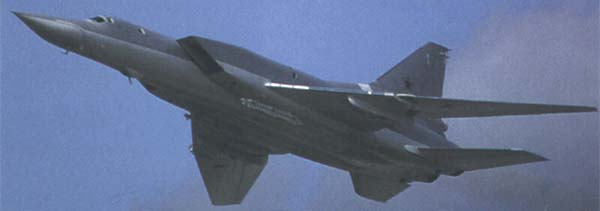
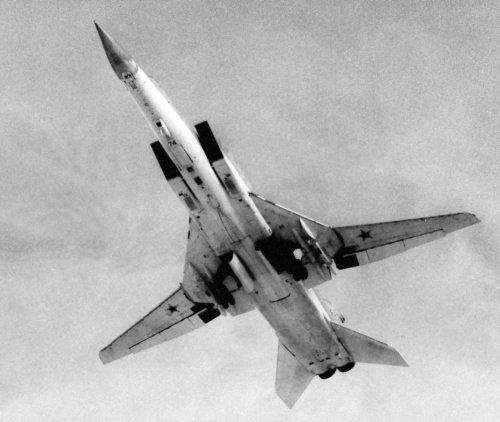
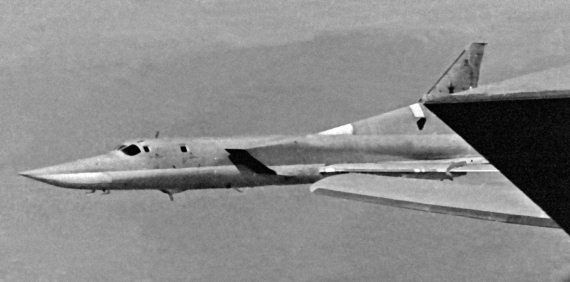
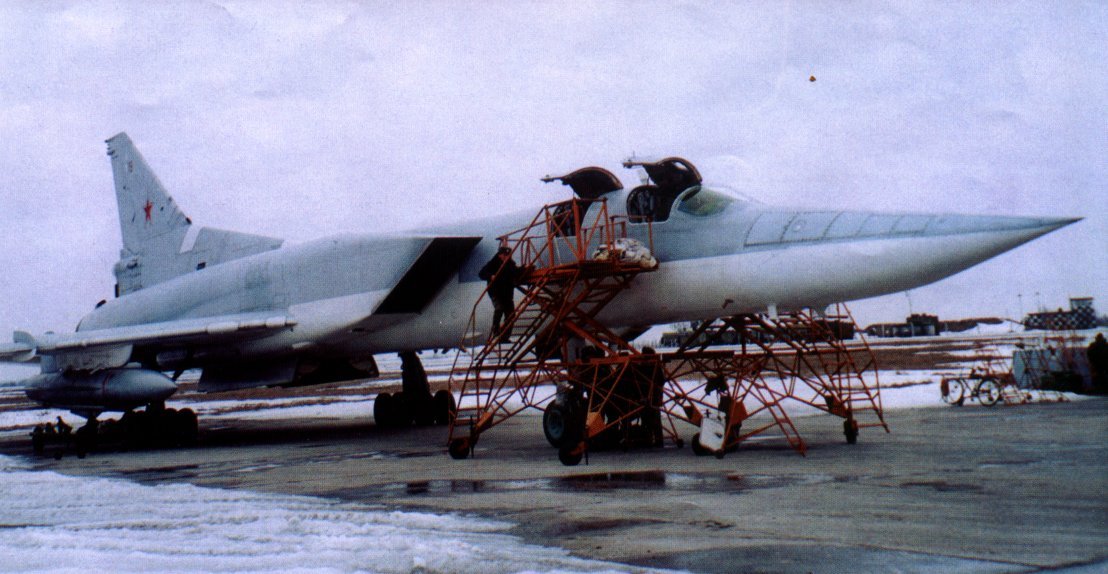
The Tu-22M3 of the Poltava regiment settled in Maryy-2, where the 156th APIB was based on the Su-17M3, which at that time received a breather from almost continuous work in the Afghan campaign. The involvement of Poltava residents for the combat debut of new bombers was justified by the fact that the 185th Guards TBAP was a leader in the development of the aircraft and had the greatest experience in its operation, including flights to long-range ranges with practical bombing. The appearance of the "triples" meant a qualitatively new level of the "Afghan" Air Force grouping. The new vehicles had an advanced NK-45 navigation system and sighting and navigation equipment, which gave accurate access to targets and bombing, high-quality radio communication equipment and an impressive range of combat loads. Although the Tu-22M3 cargo compartment was not designed for bombs larger than three tons, the total weight of the cargo could reach 24 tons. For work from Maryy, more moderate options were chosen, not exceeding 12 tons, for reasons of preserving "volatility".

27
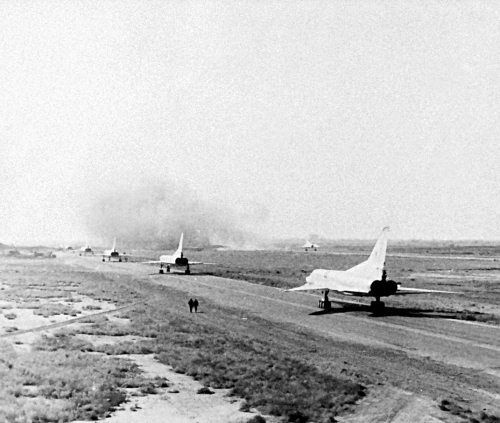
On October 28, two squadrons of 8 aircraft flew to Maryy-2 from Poltava together with the leadership of the regiment - Commander V. I. Nikitin, his deputies Podpolkovniks Parshin and Androsov, and the navigator of the regiment A. N. Libenkov. The squadrons were led by Komesk-1 (Squadron Commander) PodPolk. R. N. Saberov and Komesk-2 PodPolk. I. P. Degterev. So the regiment had the "troika" of the very first series (the flip side of the lead operation), inferior to newer machines, and among them were aircraft not yet equipped with IR countermeasures, two Tu-22M3 of the last series borrowed from the 402nd TBAP from Orsha. With the help of Il-76 and An-12, technical personnel, necessary equipment and replacement pilots were transferred to Maryy (a total of 21 crews were involved in the work).
28
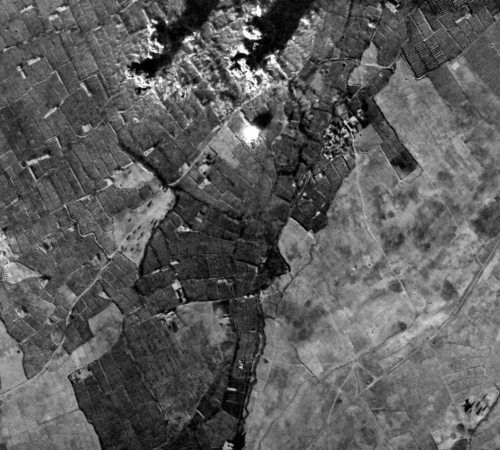
The first flight took place on October 31. As in the two following ones, the targets were located near Kandahar - in the mountain range in the north and "greenery" in the south along the Dori River, where there were detachments blocking roads to the city. On November 3, bombs landed in the vicinity of the Kandahar air base, from where it was fired. The next day, the target was the town of Jalez, which lay in a favorable place for the Dushmans - a gorge with access directly to Kabul. The panorama of the capital opened from the nearby mountains, and the highway to the south passed nearby.
29
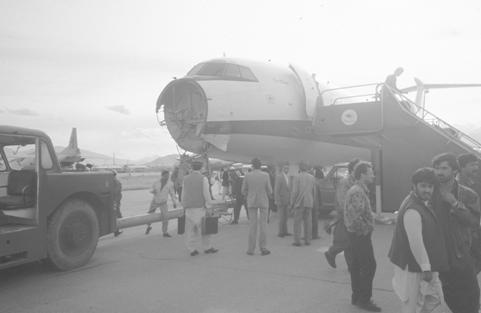
For the next week, bombardments were conducted in the northeastern sector around Kabul, where launchers were concentrated, showering the city with rockets. It was a rare day without shelling - Kabul remained the center of the aspirations of detachments of various affiliations, not only for tactical reasons, but more as a means to assert themselves. It was a matter of prestige to bombard the capital by firing at least a few shells in its direction. The disturbing fire did not cause much harm at first, but gradually gained strength: if in 1987, 147 rockets fell in the city, killing 14 residents, then in 1988, the number of rockets increased to 635, and the number of victims increased to 233. Even non-targeted launches sooner or later found targets: on June 26, 1988, a single missile hit at the Kabul airport turned the Su-25 parking lot into a bonfire, leaving only debris from 8 attack aircraft. On November 14, a Tu-154 with a Soviet Government Commission had to take off to the accompaniment of explosions, the same shelling hit the residential module of the aviators of the 50th OSAP, burying 11 people in it.
30
For the answer, they attracted "dalnikov", who flew out on alert after half an hour. After the evening bombing, attacks on the "Dushman ring" around Kabul continued for the next two weeks, falling mainly on the surrounding mountain plateaus and ridges, from where launches were noted from checkpoints, as well as on explored warehouses and missile depots. The hunt for the rocket men was not very successful: launchers were often mounted on cars and immediately changed positions, even more often primitive disposable guides with a clockwork mechanism were used. As a result of all the work of the 185th Regiment, the 40th Intelligence Department attributed to them only 6 vehicles, 4 rocket launchers, and 340 rockets.
31
At the end of November, two sorties were carried out on targets near Faizabad, which stood out from the general background - the mines of lapis lazuli and emeralds in Massoud's possessions were bombed again (by the way, these goals were the only ones that could be attributed with a stretch to the stipulated combat regulations of the DA, as "operational and strategic reserves"; they simply did not provide for all others). The surroundings of Kabul were also processed by local aviation day after day. One day, the sorties and the Bagram attack aircraft coincided in time and place, and already on the combat course, the Su-25 circling below suddenly appeared in the sight of one of the bombers. They managed to drive him away by radio, because the close explosions of powerful bombs could hit the "rook", if not with a shock wave, then with fragments that flew to a two-kilometer height and "hovered" in the air for almost a minute.
32
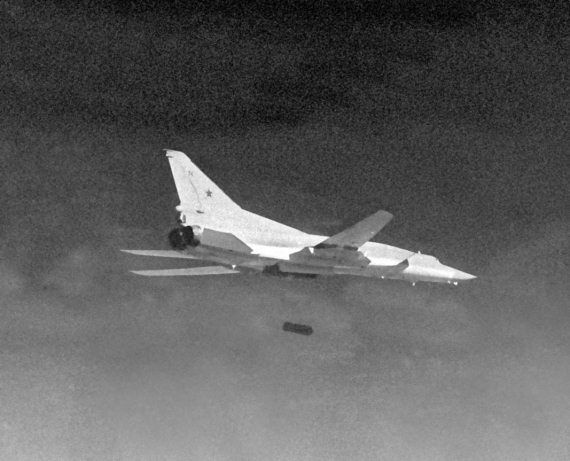
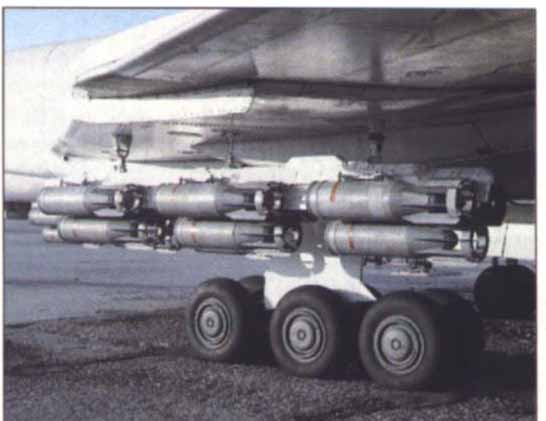
After several bombings using the FAB-500, they were abandoned, switching to a larger caliber that made it possible to use the capabilities of the aircraft more fully (another reason was the troublesome equipment and suspension of hundreds of such bombs per shift). Two FAB-3000 or eight FAB-1500 became standard variants, while the group heading for the same target tried to load the same type so that the difference in suspension did not make it difficult to fly in formation. Some of the bombs were equipped with special AVPZ fuses for mining with self-destruction within 6 days. One and a half and three-ton "mines" were laid in areas of enemy activity, and they were defused (there were cases when the dushmans themselves used unexploded bombs as land mines) by a trap that reacted to an attempt to unscrew the fuse or pull the bomb away. The unnecessary external multi-lock MBDZ-U9-68 was immediately removed from the aircraft, although the missile pylons continued to remain under the wings for another month (it was difficult to dismantle them, and they just couldn't get their hands on everyday work).
33
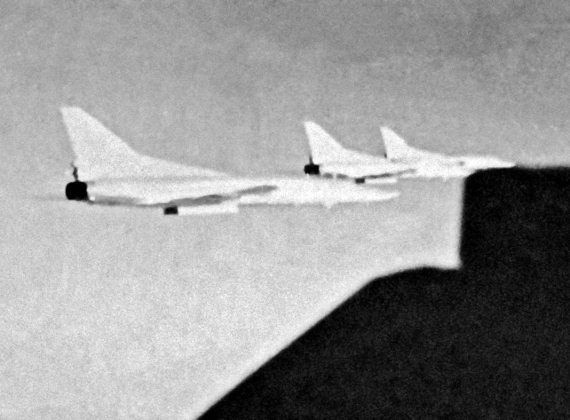
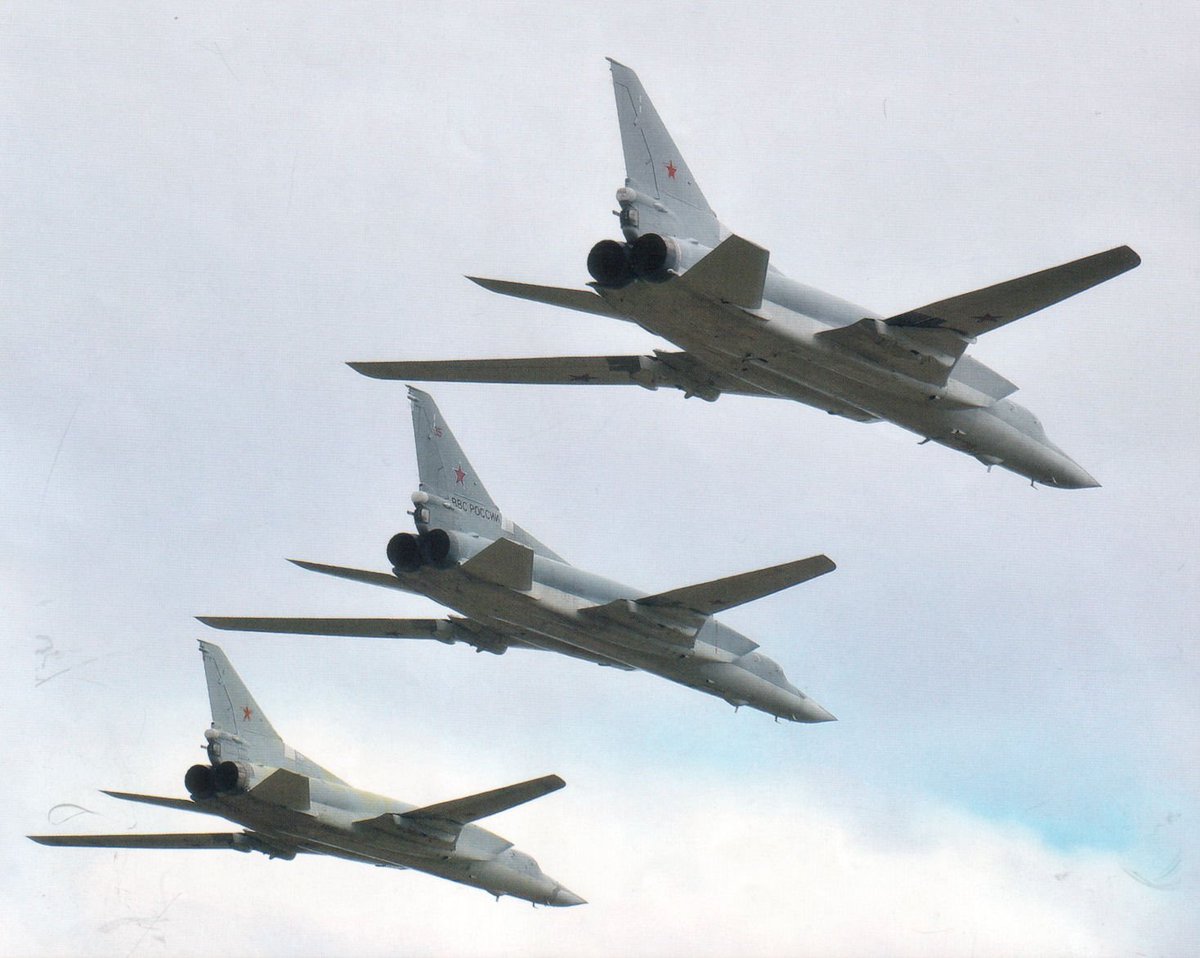
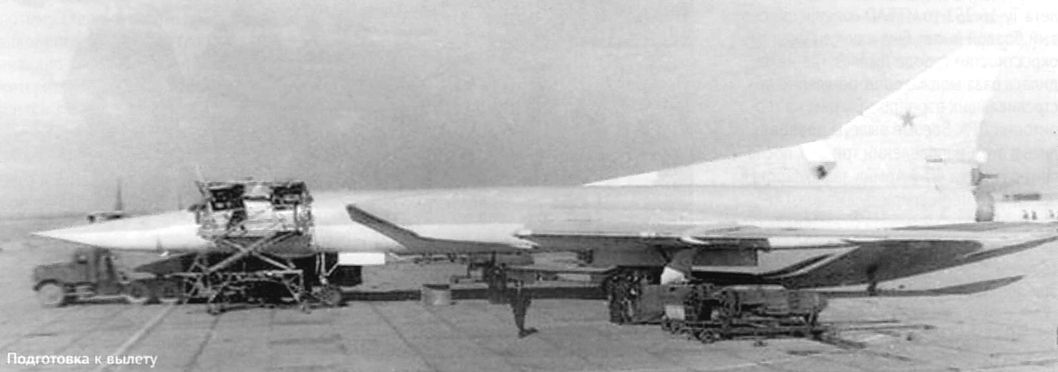
The Regiment's management group, participating in combat missions, managed to establish effective work. In the evening, on a call from Tashkent, the maps were sorted, and the crews were already ready to receive the combat order. The planes were waiting for them fully equipped, immediately after the previous departure, receiving a "duty" charge of bombs and refueling of 40 tons of kerosene, which allowed them to work for any purpose. The formation of the order of battle and the approach to the target were practiced "on foot in flight", having painted them with chalk on the asphalt. In flight, they used 10km scale maps, and above the impact site they were guided by more detailed "two kilometers" and "half kilometers", having carefully studied each bit on the tablet in advance. The sorties were conducted by the forces of the eight Tu-22M3's. Squadrons were also assigned targets, sometimes divided into fours and pairs. They were usually in groups and were 500-1000m apart from each other. Sometimes two squadrons were sent to strike at once. The planes leaving for the mission taxied all at once, lining up before the start and starting the run-up immediately after the leader's separation. This achieved a quick takeoff, after which, already on a turn around the airfield, the group gathered in a closed formation and went to the target in a column of pairs with a 150m excess of the wingmen, a 10-second interval between pairs and a 40-second interval between units.
34
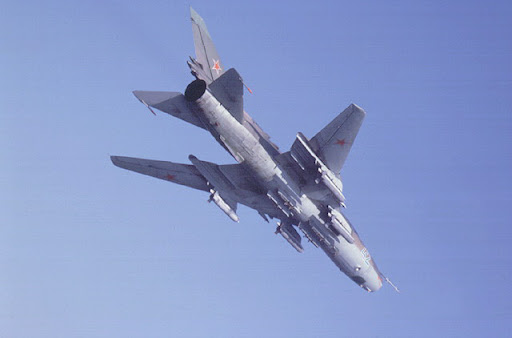
Along the route, the speed was 900 km/h, at first at an altitude of 7200-7800m. After warning about the danger of MANPADS launches from mountain peaks, the echelons were raised to 9000-9600m, paving the way around the high peaks. The danger was not exaggerated: a year earlier, the defeat of the Su-17M3R by a MANPAD, which was cruising at an altitude of 7000m, was noted, and the launch from the top was confirmed by agent in KhAD (Khadamat-e Aetla'at-e Dawlati, "Afghan State Services"), who was in the gang. Immediately after the start of work, the "dalniki" themselves observed the launch. PodPolk. R. Sabirov remembered it as "a dust cloud on the slope, a trickle of disturbed air up and a flare of a rocket that went into self-destruction."
35
Departures began every day according to plan, at 10AM, however, the crews began to notice columns of smoke rising along the way, apparently warning the enemy. The time began to change, but most of the flights remained daytime. The flight to a distance of 800-1000km took place without any problems: the NK-45 navigation system with the CVM-10TS-45 digital system provided access to the target with an accuracy of about hundreds of meters, and the automation of the on-board control system was able to guide the aircraft along the route and bring it to land. The navigator's work was simplified by the continuous indication of the position on the movable map of the PA-3 tablet. With the exit to the designated square, the entire crew joined in to help the navigator-operator, looking out for the target. For the attack, the group scattered, and each aimed individually with the help of an OPB-15T television sight, which gave a high-resolution image. At the same time, control of the aircraft passed to the navigator, and the reset followed in automatic mode. The accuracy of the bombing was impressive: sometimes, on a bet, the navigators placed bombs in a separate structure or a duval. More often, however, the specified square was covered with gaps. The pilots were not inclined to understand much about the type of target - they received tasks and performed work, and dusty mushrooms of ruptures swelled up equally among the dashes of the duvals, on the roads and near deserted dunes. To the questions of the metropolitan correspondent who looked into Maryy, who inquired about the sensations during the bombing, the pilots got off with the words: "If something is wrong, it's not our business, as they say, the Motherland ordered," or even frankly sent him away.

36
Bombs were regularly dropped, even if not a single village was visible for many kilometers around in these areas, only mountains and desert floated in the sights. It is doubtful that such an expenditure of ammunition could be explained by intelligence blunders - there were also no targets on the photographic plates. One of the motivations for such strikes was their precautionary nature for the surrounding population: the earth falling out from under their feet and crumbling rocks clearly showed what awaits the particularly restless. According to rumors, the Headquarters of the 40th Army, obeying orders dictated by big politics "from above" not to stop bombing, thus still diverted strikes from "contractual" villages and groups. Most likely, this also concerned Massoud, who faithfully observed the terms of the truce. After the war, Lieutenant General Gromov uttered at first glance amazing words: "Even in periods of fierce confrontation... We did not seek to break up his gangs, but to physically destroy Ahmad Shah himself." However, everything is logical: after the defeat of the "Panjshir Lion" detachments, the "irreconcilable" formations would take their place.

37
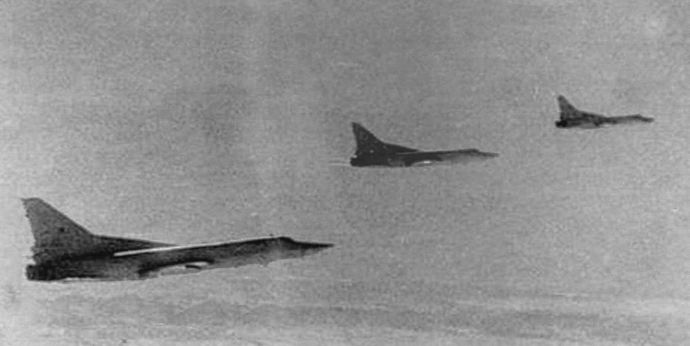
The war still continued, and the necessary tactical measures were taken: the approach to the target for surprise was built slightly to the side, then in 4-5 minutes from the drop point they abruptly turned around, getting rid of the cargo in one go. Without lingering over the place of impact, they closed the formation on the withdrawal and at once increased their speed, heading for Termez. They usually went back on the afterburner, accelerating to Mach 1.7, and many were satisfied to note that "only in the war it was possible to fly on supersonic enough" (at home it was not always possible to overcome the sound barrier and at an altitude of at least 11,000m). The fighter cover, which accompanied the group on all sorties, did not keep up with the Tu-22M3. The MiG-23's carrying a drop tank and missiles had speed limits and could not keep up with the "dalnik's", which is why you could hear the requests of the "cover" on the air: "Bolshoi, don't race the horses, I'm lagging behind!"
38
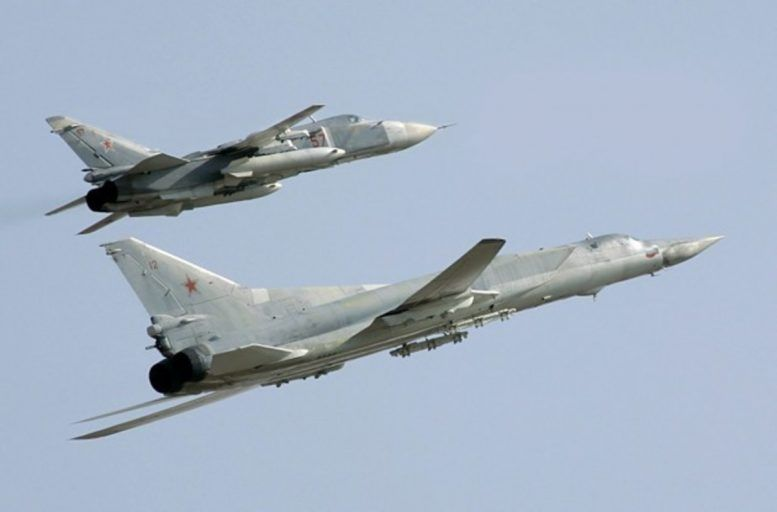
The Tu-22PD jammers were also in combat formations, complementing the work of the onboard defense systems of the "Troikas" (Tu-22M's). Three Tu-22PD's from the 341st TBAP under the command of Podpolkovnik V. Melnik, assigned to the DA group, were based together with Poltava residents. Their task was to disrupt possible launches of Pakistani Crotale SAM missiles and, especially, F-16 attacks. When working at the border, this danger had to be taken into account, since after the payload delivery, it was necessary to carry out photo-monitoring of the results with onboard AFA-42/20 and 42/100 aerial photograph cameras, for which the aircraft had to be held in a straight line for at least a minute, and the extra 15-20km was repeatedly taken on the "ribbon" (route?) itself. The tension in the cockpit was added by the sensitive SPO-15 "Birch", which constantly reacted with an alarming squeak to everything in a row, whether it was from the detection of a radar on a neighboring aircraft, the radiation of the "cover" (gun) sights, or the powerful interference of "radar warning receivers".
39
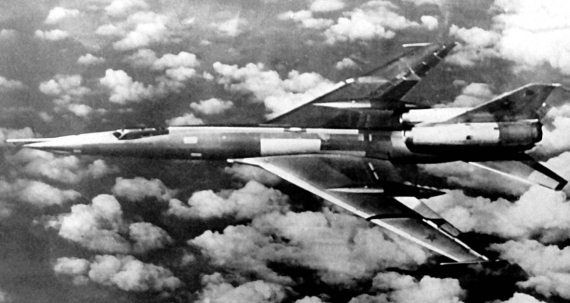
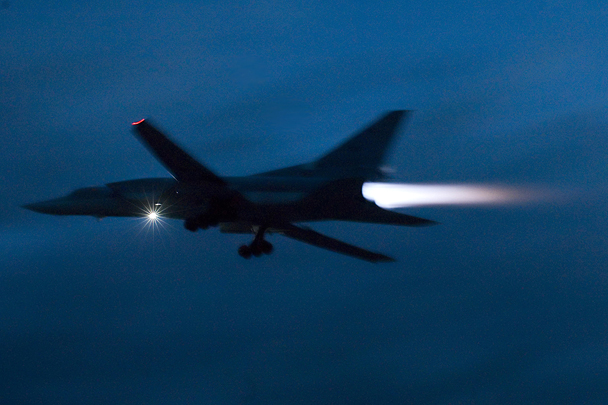
The use of infrared countermeasures by "long haulers" differed from the accepted FA methodology, where pilots immediately went off launching them after exiting an attack. The Tu-22M3 on departure from the target began to pour a kilogram of LO-43 flares (each aircraft carried 48 rounds), and the last ones shot out from the rear guns, with special shells of PRLS with hollow "noodles" and radiating heat PIKS (ПИКС, ПротивоИнфраКрасные Снаряды, "Anti-Infrared-Projectiles"). The shells, however, were soon abandoned, saving time on stuffing belts and the troublesome replacement of cartridge boxes, which had to be hoisted to a five-meter height. Pakistani fighters already had little chance to attack the "troika" gaining speed, and a plume of blazing balls and tracks served as a barrier against launches in pursuit.


40
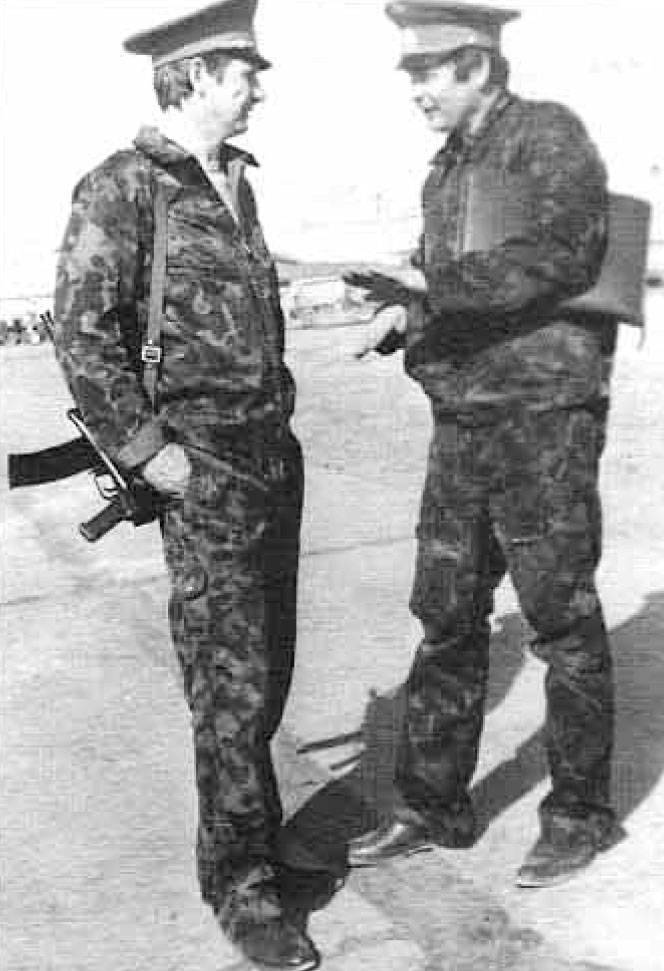
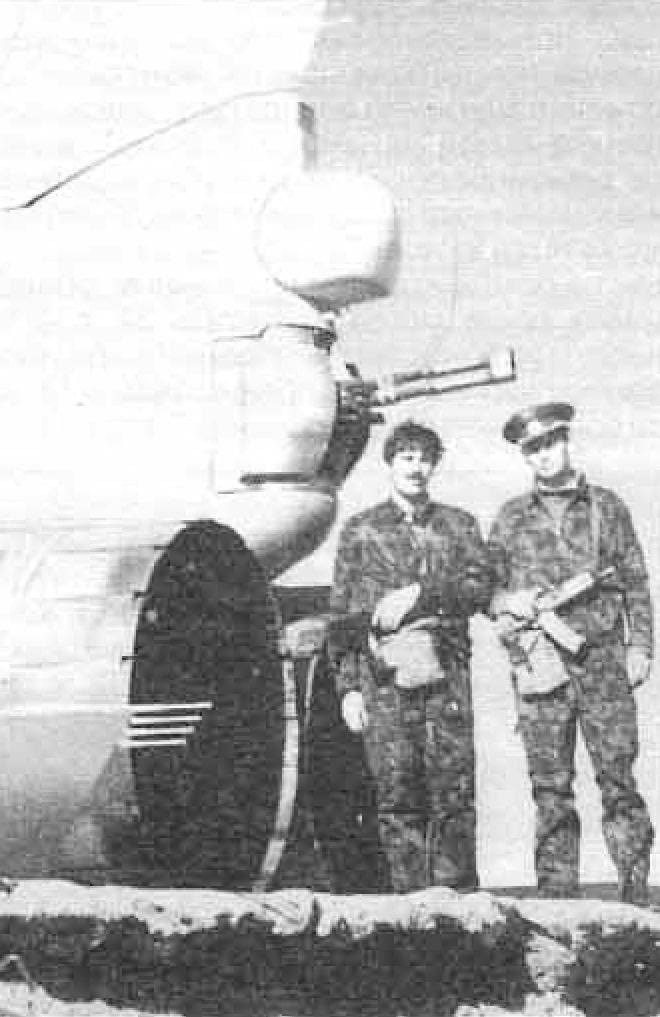
"Just in case", pilots were given AKS-74U's, grenades, and a pair of pistols to fly with, and in the rearranged NAZ (НАЗ, Носимый Аварийный Запас, Survival Kit) between the cockpit chairs, instead of rations and a useless rescue boat, water flasks and magazines for weapons were placed (as they joked, "for a complete set, there is missing only a bathrobe and a cap"). Even on the way to the airfield, the pilots were accompanied each time by a machine gunner to protect them from possible sabotage. A precautionary measure was not unreasonable: in neighboring Karshi, a Tajik soldier was detained at the airfield for unscrewing fuses from bombs to help his co-religionists.
41
In the end, several sorties were carried out at night, once we had to bomb through dense clouds that covered the target. At the same time, in addition to the inertial gyroplatforms NK-45 and PNA (Radar Bombsight), the A-713 automatic long-range navigation system was used, which determined the position by ground-based radio beacons (with its help, the navigator's calculation was often checked even during flights under normal conditions). The system gave high accuracy, "to the extent", however, bombing with its help required good coordination in the crew, where the commander had to perform turnovers according to the commands of the navigator, taking into account all the intrusions and corrections, and the operator to control. There were few failures, although the Troika was considered a rather skittish machine, mainly in terms of complex electrical equipment and electronics. One day, due to a drop in oil pressure, I had to turn off the engine on Major P. Androsov's plane and return back on the remaining one. Another time, a plane landing in a dust storm (the famous "Afghan") started to be blown away by the wind, and the pilot "slammed" the aircraft onto the runway with double the overload.
42
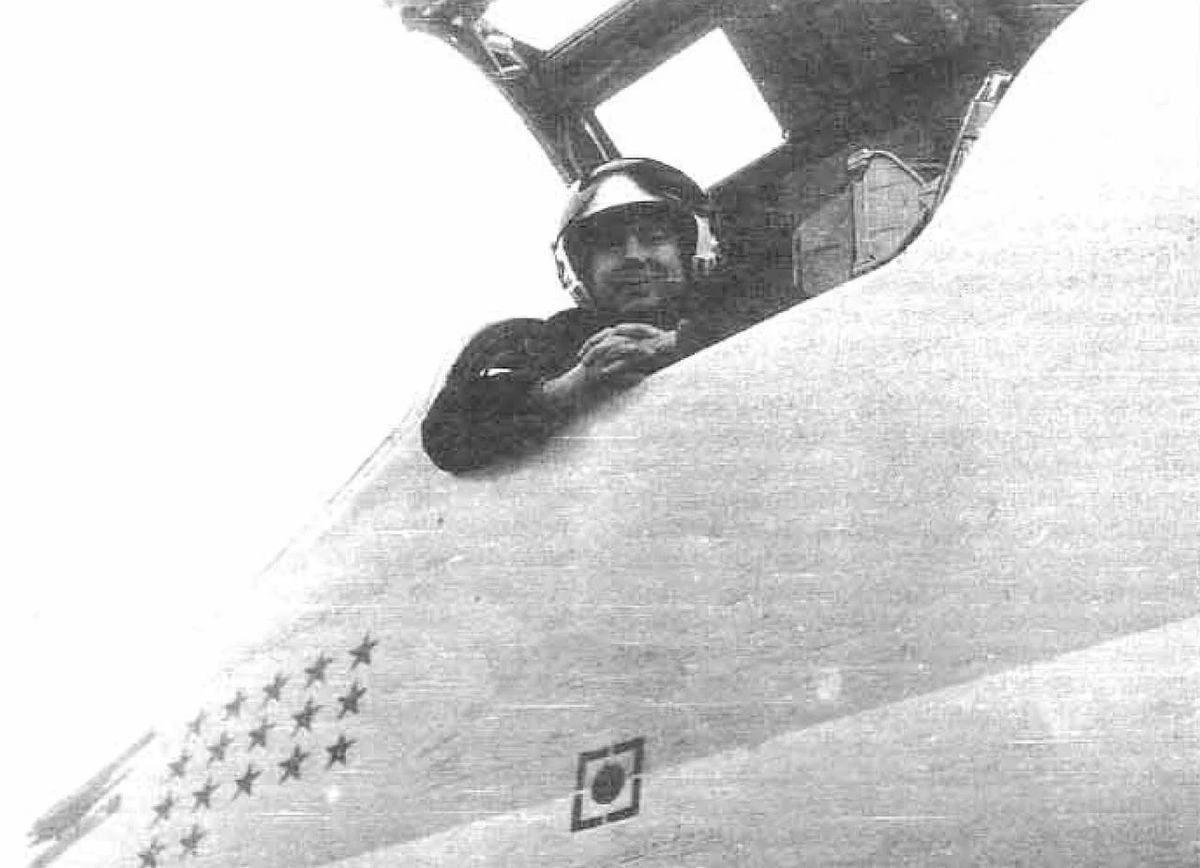
Poltava performed the "extreme" sorties that fell on December 3rd, 4th, and 5th near Kandahar: the airfields of the 40th Army Air Force were closed due to the weather, and the Afghan garrison requested urgent assistance. Following the results of the mission, the commander of the 185th Guards TBAP, V. Nikitin, who completed a dozen and a half combat missions, received the Order of the Red Banner of Battle, the same awards were presented to Podpolkovnik A. Libenkov and both commanders - R. Saberov and I. Degterev. The commanders of the crews and pilots were awarded the Orders of the Red Star, and the share for the navigators "for military merit" were allocated.
43
On December 5th, the "Dalniki" from Orsha, who arrived to replace the Poltava residents, took part in the raid, and on December 7th, the crews and vehicles of the 402nd TBAP, commanded by Podpolkovnik Yanin, received the entire load of combat work. The group from Orsha consisted of the same two squadrons of 8 Tu-22M3's and another spare aircraft to maintain the forces in case of failures and breakdowns. Two bombers loaned from Poltava remained in its composition, which had to work out a second term (one of them carried out 35 sorties in total - the largest number among all the "Troikas").
44
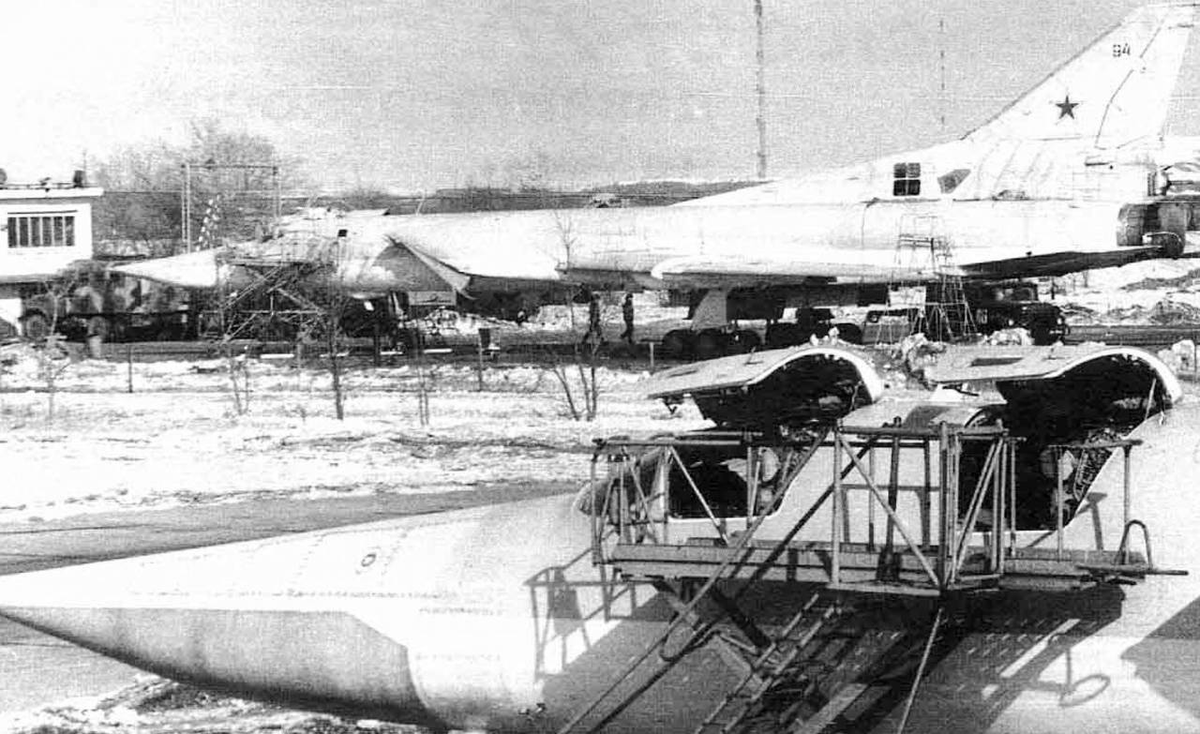
The 402nd TBAP continued the same work, and the "geography" of the goals changed little. At the same time, the winter weather had led to more frequent use of "blind" bombing methods. The bombardment with the help of the navigation system remained the most reliable, which, using data from a radar operating in it's surveying mode, issued the command "Grom" at the right moment - a signal to drop the payload. Gradually, sorties began to be carried out more often at night, causing disturbing strikes. At the same time, the situation did not allow the use of the NPA radar linked with the NK-45 for bombing: the mountains covered with snow looked "smooth", there were no large buildings, bridges or clusters of equipment among the targets. Sometimes it was practiced to drop according to a radar reference point, if there was a characteristic contrasting object nearby (usually they served as a bend in the river or the dams of Surubi and Darunta to the east of Kabul), according to which the heading angle and range were specified. Several times near Kabul, they tried to bomb at the commands of gunners who had "balalaika's" - angle-rangefinder automatic transponders. This technique did not give much success due to the low accuracy of the blow. Yes, and the tactics of the DA, which involved dumping bomb loads in one go, were not suitable for targeting the ground, when the bombardier and the pilot understand each other at a glance and correct the strikes.
45
In almost all flights, the FAB-3000 was used, only once making an exception and laying "one and a half trucks" for mining out the mountains. The increased consumption of heavy bombs even forced them to order extra from the industry.

46
During night flights, observing the blackout, the BANO (Navigation Lights) were turned off, leaving only dim combat lights visible from above and illuminating the cabin with a "mouse" - a red light lantern on the starboard side. If there were mistakes, no complaints came from remote areas. Only one of the sorties ended in scandal, when during the bombing of Kandahar in December, one of the dropped bombs fell near the headquarters of the Afghan 2nd Army Corps, and the other exploded right in a residential area, killing several dozen people. The Governor-General of the province, N. Olumi, flew in with a complaint, and a joint commission of General V. Afanasyev and Afghan Kadyr arrived in Maryy. It was not possible to write off the incident to the Dushman shelling - fragments of heavy bombs were picked up at the site of the explosions, with which only "Dalniki" used (although "two-ton caliber bombs" that do not exist in service appeared in this case). In the end, the story was hushed up without looking for the culprits, partly because the use of DA was not advertised and was passed off as bombing by Afghan aircraft.

47
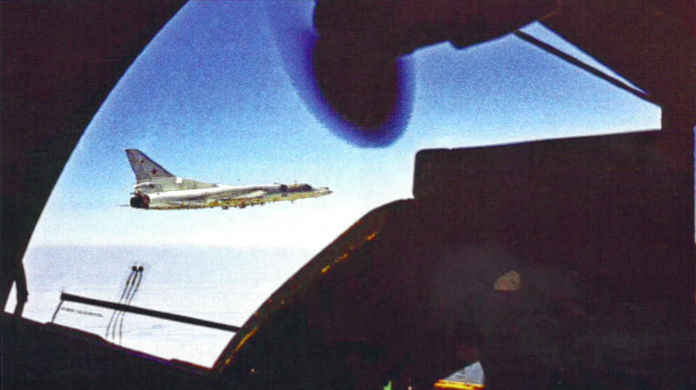
In isolated cases, in addition to coordinates and squares, the nature of the target was specifically mentioned. On Saturday, January 7th, an Su-25 was shot down over the Janez Gorge near Kabul, and the pilot was killed with it (this was the last loss of an attack aircraft in the Afghan war). In response, heavy bombs covered the entire area around the crash site. A month later, on February 8, two Afghan crews, taking their families with them, flew their Mi-8s to Panjshir. The hunt for hijacked helicopters that landed after running out of fuel in one of the gorges lasted three days. The Tu-22M3 was also attracted to it, without much success looking for helicopters through the "windows" in the clouds, but later a Su-25 managed to finally bomb them.

48
In one of the sorties, a Boeing flight heading somewhere to the east turned out to be right under the Tu-22M3 formation. According to the navigator of the station S. A. Novikov, "we thought little about all their air corridors, observing only the echelons in height so as not to collide. The Boeing was on its own course, got out right under its nose on a catch-up and slowly floated out on the OPB-15T screen when the bomb bay doors were already open. It seems that it was Indian - all decorated, the lights are on, colorful, like on a Christmas tree. Maybe he purposely wanted to take a closer look at the military, but because of him I had to delay the drop - there were mountains below anyway, we if we didn't hit one, we'd hit another."
49
However, the "gentle practice" of bombing deserted plains and mountains did not last long. In the central regions, the remaining units of the 40th Army were again concentrated near the possessions of Massoud, who, according to General Varennikov, nevertheless "categorically forbade his formations to conduct military operations against the Soviet troops, which they strictly observe." However, the top leadership of the USSR openly accused the military of unwillingness to defeat the enemy, followed by a strict instruction to prepare a new strike on Panjshir. Nevertheless, a compromise solution was chosen on the spot, and in mid-December, not the positions of Massoud and the villages in the valley were bombed, but the remote area of Koran-o-Munjan with lapis lazuli mines. But by the New Year, the raids had stopped, and the hint from the air remained half-hearted.

50
The OKSV had to take the last step before home, and this path led through Charikar and Salang, controlled by the "Panjshir Army". On January 6th, the raids resumed, and on the 10th, a Soviet government group flew to Afghanistan, after which an order was received to carry out Operation Typhoon, which became the last chord of the war. A special merit in this belonged to Kabul, according to the advisers, who "showed irrepressible perseverance" in trying to inflict damage on the enemy by the forces of the outgoing army. Playing politics, Najibullah convinced Moscow of Massoud's intentions to "surrender 14 northern provinces of the country to the Americans" (there were 12 of them in total).

51
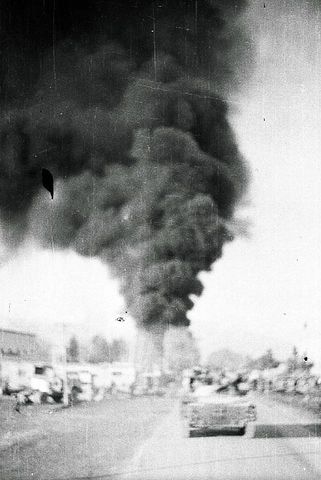
The three-day operation was supposed to begin on January 24th, but at the last moment it was ordered "not to delay", and the strikes began a day earlier, with political workers tasked with "exposing the criminal position taken by Ahmad Shah." The bombing took place in Panjshir in the previous days, but during the operation they became non-stop. The withdrawal of troops was halted so that artillery and bombers could work unhindered in the roadside areas. The villages also got it, and in those days the bombers were not limited to one flight per shift. However, the enemy once again escaped from the bombing. In fact, there was no return fire, and during the "Typhoon", losses were limited to three dead soldiers. It was impossible to assess the successes presented in the reports from the air, but the troops who continued on their way to the pass saw off hundreds of bodies of dead civilians brought to the road.
52
DA continued to work at the same pace, although combat sorties were not counted for pilots, only later records appeared in personal files about "participation in hostilities in the DRA from the territory of the USSR." At the same time, the flight crew regularly accrued "bonuses" - determined with accounting accuracy of 11 rubles and 78 kopecks, "for combat days", for which work fell out, regardless of the number of sorties. Along with the assignment "three-piece" a tangible amount was running up, amounting to almost one more payday in a month. It was well deserved: flight work is already classified as heavy, and especially in the cramped cabins of bombers. The KT-1 chairs were not very comfortable, and it was impossible to straighten up in the workplace, and flights that took more than two hours exhausted people. The hardships were added by the frosty winter - somehow adapted local housing was not really heated, and people even slept in winter uniforms, or even in shoes.

53
The population of the military camp also had a hard time - taxiing to the start, the bombers turned their tails in their directions and began the three-minute gas engine shutdown demanded by regulations. The twenty-five-ton thrust of the NK-25 raised clouds of sand and dust mixed with kerosene smoke, which covered the village. The work of heavy airships affected the condition of taxiways and lanes, which were already not very suitable for them (the runway width in Maryy-2 was a much more familiar -44mm instead of 100m). The worn-out concrete pavement could not withstand the loads and in a few months it was literally flattened out by the wheels and exhaust mixtures of the hundred-ton Backfires, and covered with cracks and potholes. The nose landing gear of Yanin's plane hit one of them, damaged the support, and this day was the only one when a flight had to be cancelled.

54
With the arrival of wet weather, problems with on-board electronics became more frequent. Due to failures, and failures in the operations of the engines due to the fault of the control system, they had to be turned off twice in the air on the Tu-22M3 of Podpolkovnik Ananyev (the defect was not an isolated one in the operation of the aircraft). On Mr. Sokolov's plane, an emergency system had to be resorted to when returning due to the non-release of the main bomb pylon.
55
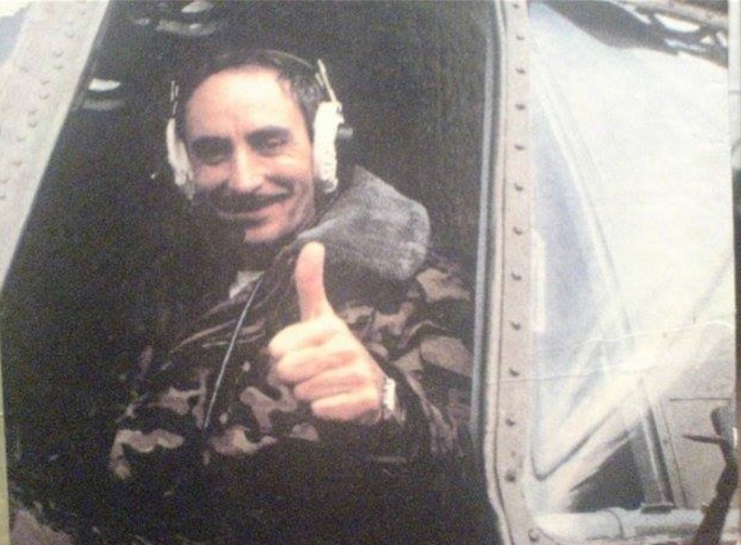
The work of the 402nd TBAP, as well as the first shift, was controlled by Deinekin, with the chief navigator of the DA Egorov. The commander himself, although he continued to fly and had access to the Tu-22M3, did not participate in combat missions. However, Commander D. M. Dudaev, who took over the division a year ago, flew in from Tartu in December and flew with his subordinates several times to bombard, being among those awarded the Red Banner of Battle, and soon received the rank of Major General. According to the results of combat training, the division of a promising general was then recognized as the best in Long Range Aviation.


56
By the beginning of February, the replacement of the crews from Orsha who had worked for 2 months arrived. Eight Tu-22M3's of the 840th TBAP from Novgorod Soltsy arrived in Maryy-2. Selecting trained pilots, one crew from the 52nd training TBAP from the Gangs under the commander of the Guards Major Primak was also seconded to replace them. Since the beginning of February, the sorties were carried out without the Tu-22PD escorts, since most of the targets were in the central areas, far from the border. Another reason was the prominence of noise interference, which could be heard even by ordinary radios and completely drowned out the broadcasts of the Kabul television center. It served as a warning about the approach of bombers, and they preferred to "enter without knocking."
57
The last combat mission of the crews of a separate DA group fell on the very eve of the complete withdrawal of troops. On February 14th, when only General Gromov and his escort had to cross the border, the Dalniki bombed the northern regions. The planned attacks on the opposition the next day in case of an assault on Kabul did not take place. Despite the persuasions of the Afghan authorities, who insisted on continuing the bombing as compensation for the departure of the 40th Army, they did not go for it. Nevertheless, a real armada remained at the border, ready to take a "step back". In addition to local and seconded aviation forces, the entire 40th Army Air Force group was detained at airfields, and only three weeks later the readiness was lifted. The "Dalniks" left Maryy later than the rest - the group with the most "long arms" was given the go-ahead to fly home only on March 13th, 1989.
58
Thank you once again for reading! I hope you all enjoyed, and learned something about the Air Campaign of the Soviet-Afghan War! See you all in the next one! ^^
59
Some more images of Soviet Tu-22M3's in Afghanistan I managed to find