Elevating the Status of Motherhood Solves Low Birthrates: The...

More Births@MoreBirths
7 views
Aug 28, 2024
~3 min read
Advertisement
1
Elevating the Status of Motherhood Solves Low Birthrates: The Extraordinary Case of Mongolia
For 68 years, Mongolian leaders have given the Order of Maternal Glory to mothers. This raised the status of motherhood and helped forge a remarkably pronatal culture.
🧵, please share!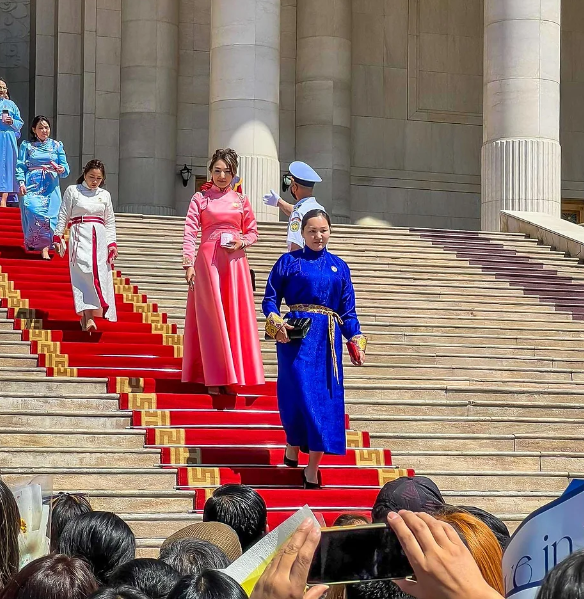
For 68 years, Mongolian leaders have given the Order of Maternal Glory to mothers. This raised the status of motherhood and helped forge a remarkably pronatal culture.
🧵, please share!
2
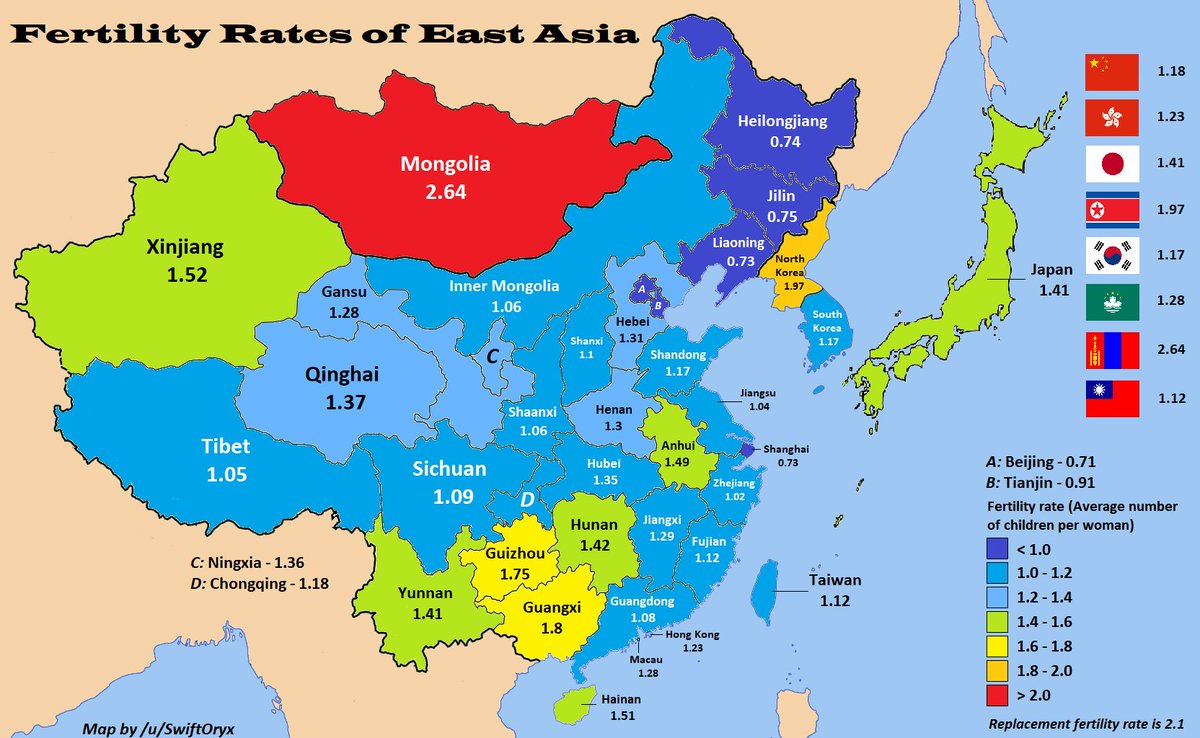
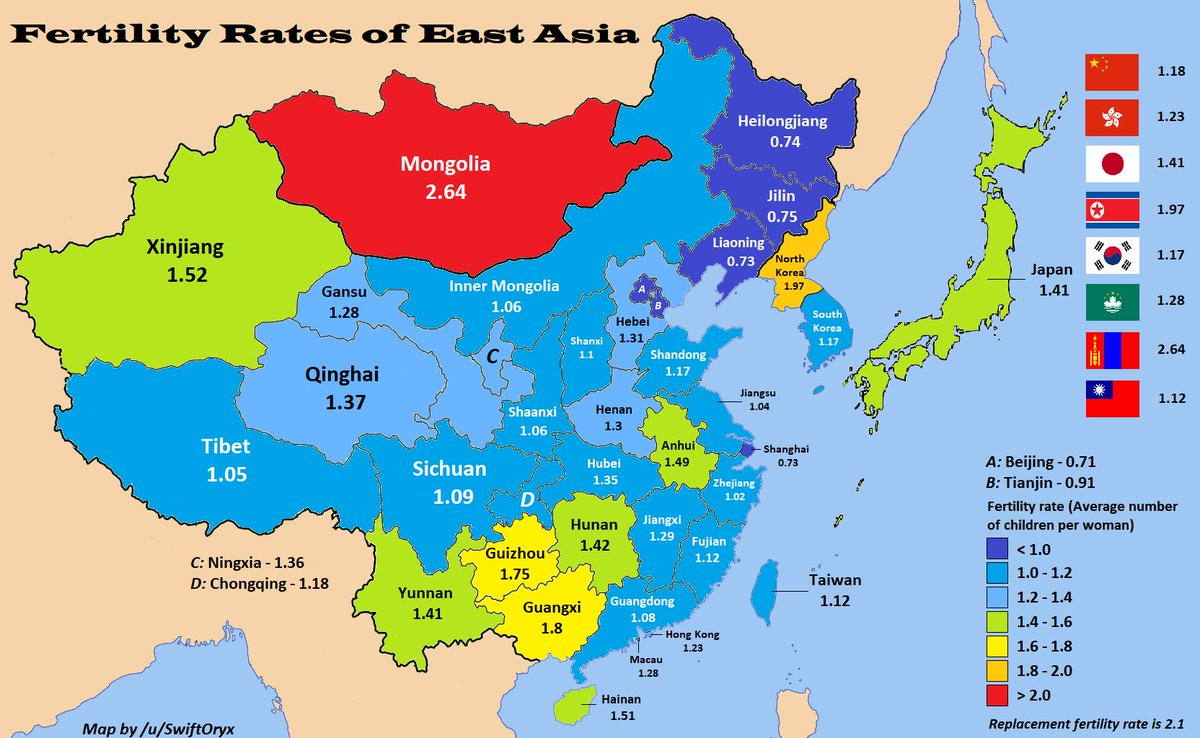
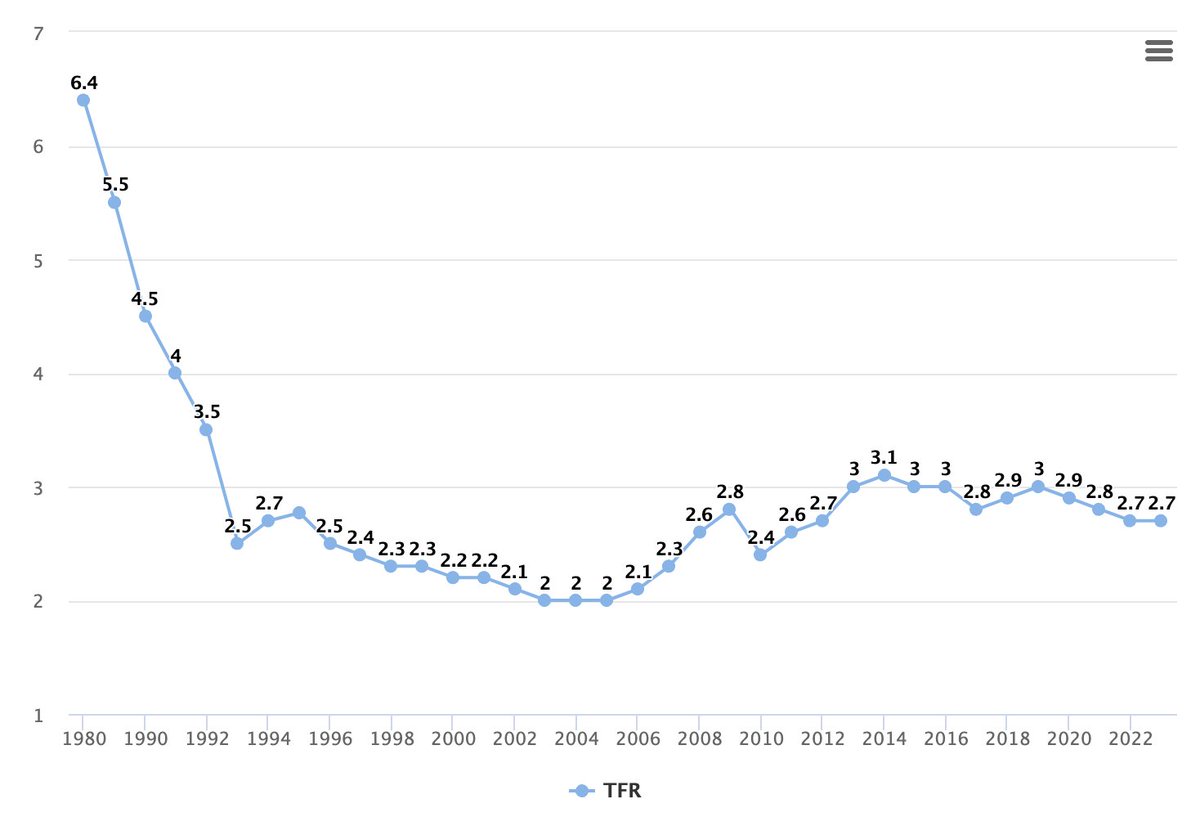
Mongolia's pro-motherhood culture stands out on a fertility map. Fertility in Mongolia has consistently been 2-3 times(!) higher than neighboring areas in recent years and it has been increasing over the past 20 years, even as its neighbors have seen birthrates plunge! 2/8
3
Mongolia's incomes are comparable its neighbors. It is urbanized. This is also not a case of religiously driven fertility: 🇲🇳 is primarily Buddhist and non-religious.
This is about the status of motherhood. In 🇲🇳, the president himself gives an award to every mother of four! 3/8
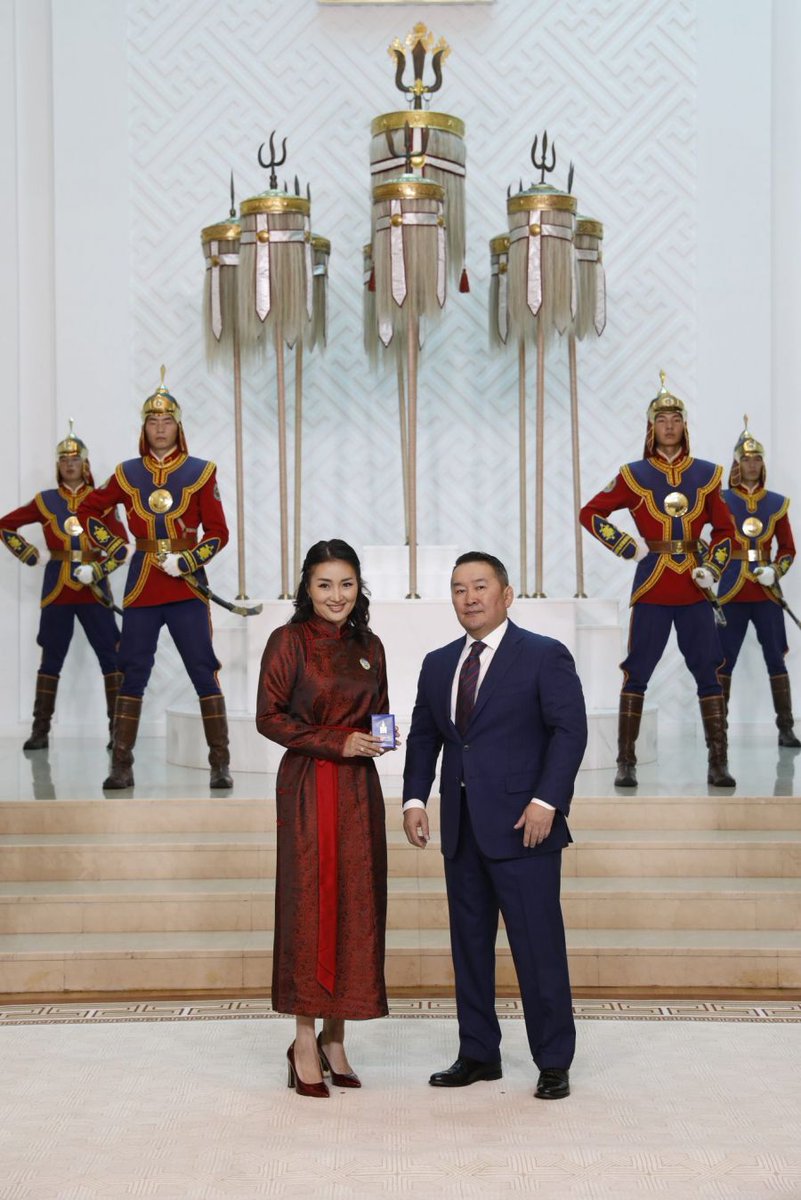
This is about the status of motherhood. In 🇲🇳, the president himself gives an award to every mother of four! 3/8
4
Mongolian mothers of six are presented with the Order of Glorious Motherhood, First Class.
Second Class if you have four.
Here celebrated mothers descend the steps of the State Palace in Ulaanbaatar on a red and gold carpet, the statue of Genghis Khan directly behind them. 4/8

Second Class if you have four.
Here celebrated mothers descend the steps of the State Palace in Ulaanbaatar on a red and gold carpet, the statue of Genghis Khan directly behind them. 4/8
5
The Mongolian president holds separate ceremonies by district, in order to be able to give more personal attention to recipients.
There is a cash award too, but it is just $60 for a mother of six.
Clearly, this a story motherhood and status in Mongolian society. 5/8

There is a cash award too, but it is just $60 for a mother of six.
Clearly, this a story motherhood and status in Mongolian society. 5/8
6
So important is this award that Mongolia's consulates are even tasked with conferring the award to Mongolian mothers abroad.
Here, Mongolia's ambassador to the United Nations presents the award to a mother in Geneva. 6/8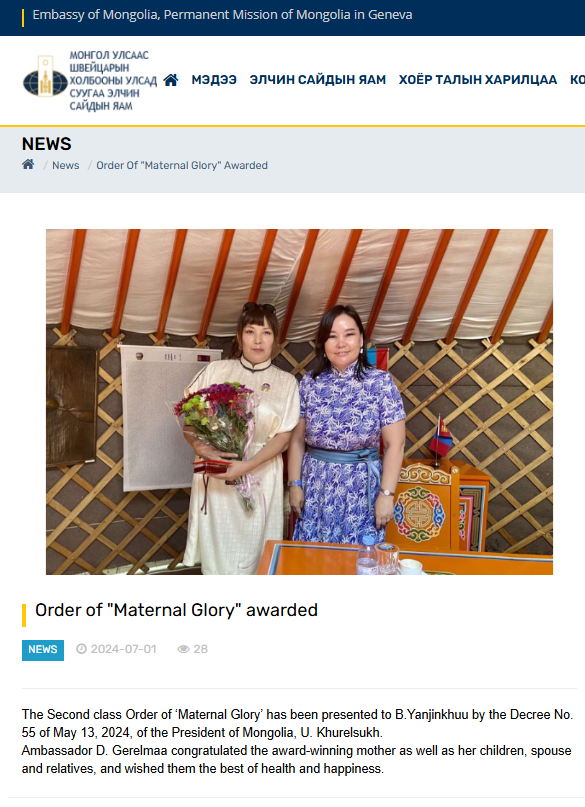
Here, Mongolia's ambassador to the United Nations presents the award to a mother in Geneva. 6/8
7
Status around motherhood is a crucial and under-appreciated driver of birthrates.
We have seen this elsewhere! By honoring parents, Patriarch Ilia of Georgia created a baby boom, something generous financial incentives elsewhere could not achieve. 7/


We have seen this elsewhere! By honoring parents, Patriarch Ilia of Georgia created a baby boom, something generous financial incentives elsewhere could not achieve. 7/
Johann Kurtz@JohannKurtz
S. Korea spent $200b trying to increase its birthrate. Hungary spends 5% of GDP.
Both are failing.
Yet the small country of Georgia spiked its birthrate massively without spending a dollar. How?
They understood that fertility isn't about money. It's about status.
Both are failing.
Yet the small country of Georgia spiked its birthrate massively without spending a dollar. How?
They understood that fertility isn't about money. It's about status.
8
Status is incredibly important for most people, and we strive for status perhaps more than anything else.
Status helps explain the paradox that as societies become richer, fertility usually drops. Even though absolute well-being has risen, living in a wealthy society offers no increase in relative status. In fact, the status competitions of modern life, like education and career, directly compete with family life.
This also tracks with how in cultures where parenthood is elevated to high status, such as among religious subgroups like the Amish, Haredi Jews and traditionalist Catholics, fertility can be much, much higher.
As well, this helps explain the remarkable fertility of England and Wales during Victorian Times. Queen Victoria, the personification of the era, both inherited and carried forward a culture that conferred high-status on motherhood in raising nine children.
In Korea meanwhile, the highest status people are childless, and culture is filled with every status competition but one around parenthood.
The message is that we have to find a way to honor motherhood like our civilization depends on it.
Mongolia helps show the way!
8/8
Follow @MoreBirths for more on the low birthrate crisis and hopeful answers to it.



Status helps explain the paradox that as societies become richer, fertility usually drops. Even though absolute well-being has risen, living in a wealthy society offers no increase in relative status. In fact, the status competitions of modern life, like education and career, directly compete with family life.
This also tracks with how in cultures where parenthood is elevated to high status, such as among religious subgroups like the Amish, Haredi Jews and traditionalist Catholics, fertility can be much, much higher.
As well, this helps explain the remarkable fertility of England and Wales during Victorian Times. Queen Victoria, the personification of the era, both inherited and carried forward a culture that conferred high-status on motherhood in raising nine children.
In Korea meanwhile, the highest status people are childless, and culture is filled with every status competition but one around parenthood.
The message is that we have to find a way to honor motherhood like our civilization depends on it.
Mongolia helps show the way!
8/8
Follow @MoreBirths for more on the low birthrate crisis and hopeful answers to it.
9
Posts 4-8 of this 8-post thread were lost and had to be restored from an archive.

