Contrarian take: Intel is not wholly to blame for Intel's problem....

Glinert 🇺🇸 🏭@StevenGlinert
4 views
Aug 16, 2024
~2 min read
Advertisement
1
Contrarian take: Intel is not wholly to blame for Intel's problem. US industrial policy and markets are just not patient enough.
Intel cut around 15,000 people and the basic take is that intel's push to build a foundry is failing and dragging the company down with it. It has basically collapsed the company's operating profits.
People blame a few things:
1. Woke/Competency Crisis. This is dumb. America is just as competent as anyone else. People who say this are lightweights.
2. "We can't do fabs". This is also dumb. Global Foundries is a successful company.
3. Intel's cumulative poor strategy. This is more fair. Intel has some fat to cut and was late to EUV as well as mobile SoC. They can't seem to figure out a counter to arm.
Fundamentally however, I think what Intel is doing is tough and it is not shocking that they are struggling and will need more time. It's also critical. The US government is throwing enough cash to make it attractive to transition intel to a fab business but not enough to finish the job.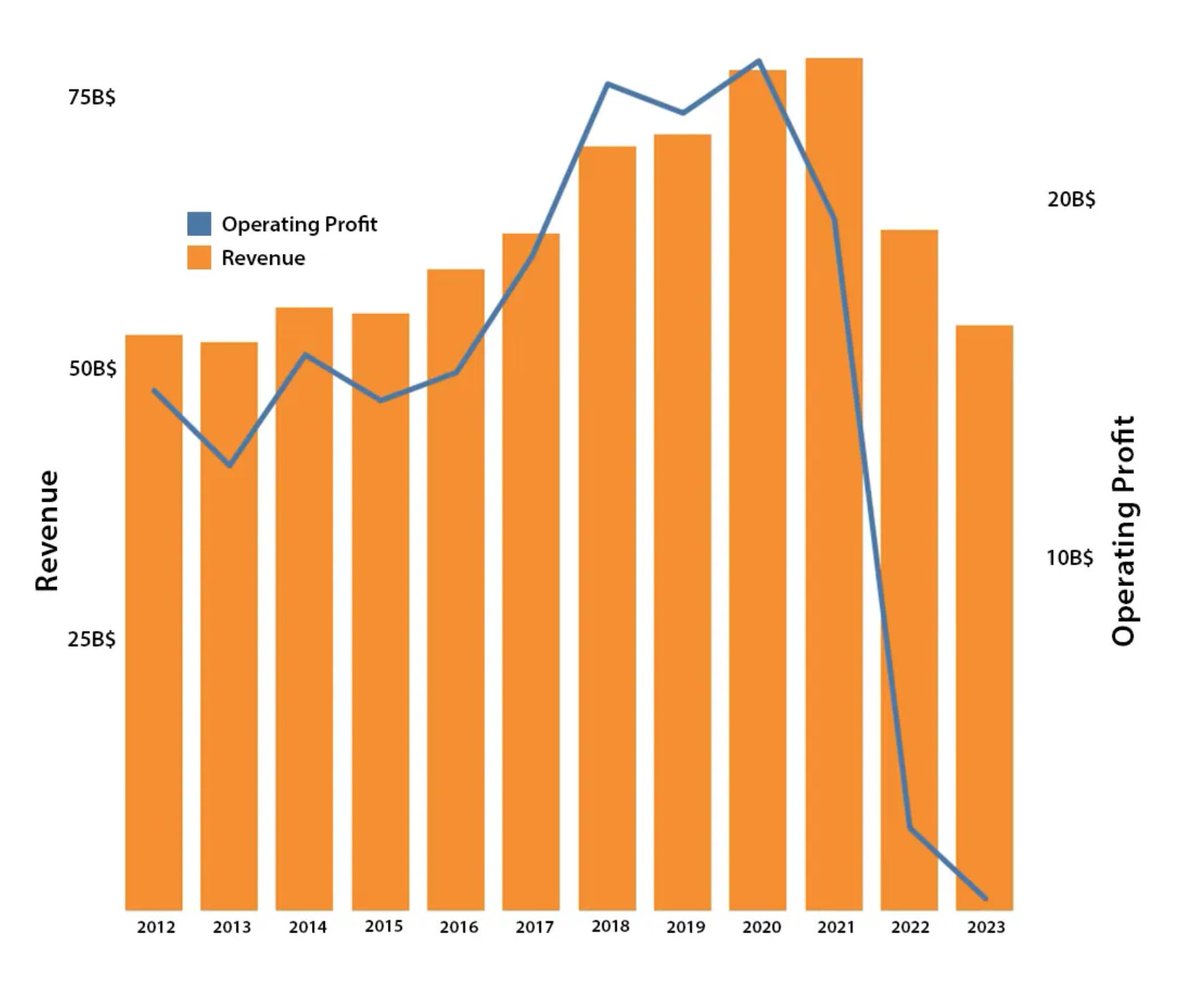
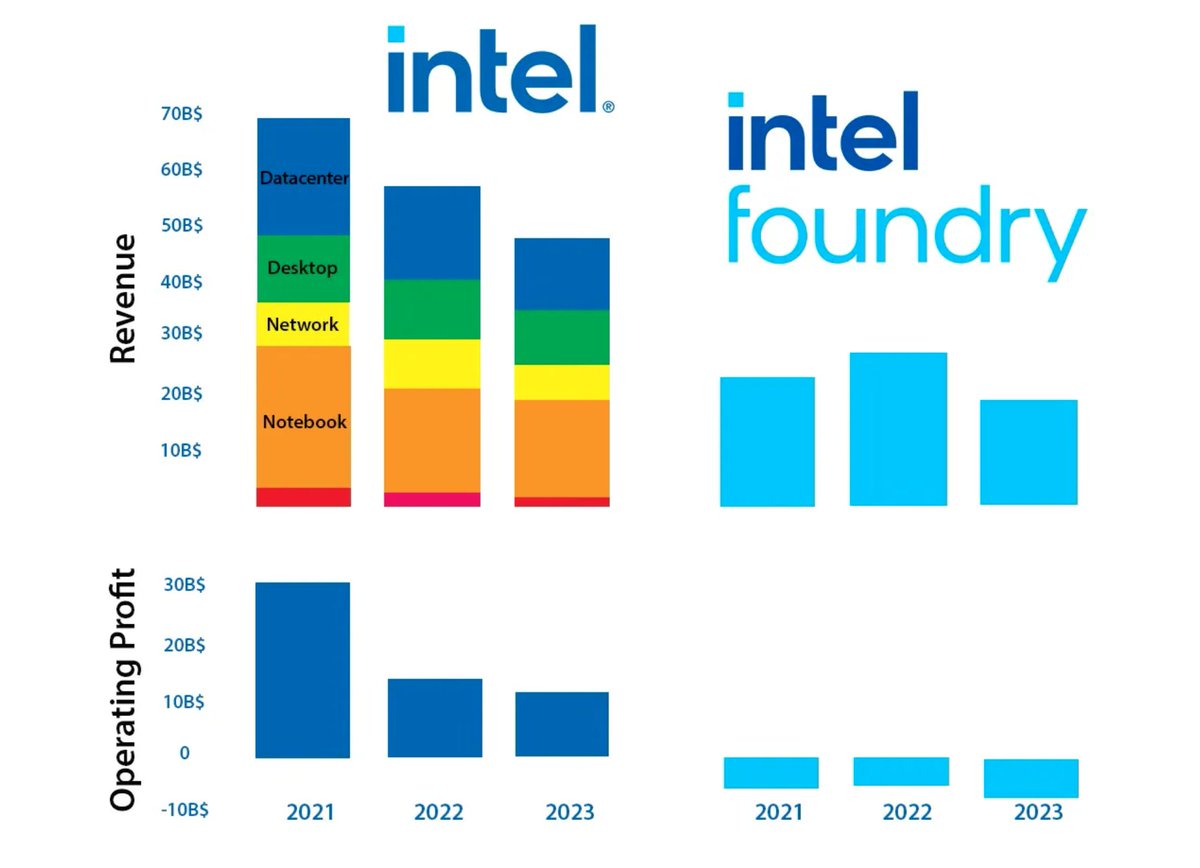
Intel cut around 15,000 people and the basic take is that intel's push to build a foundry is failing and dragging the company down with it. It has basically collapsed the company's operating profits.
People blame a few things:
1. Woke/Competency Crisis. This is dumb. America is just as competent as anyone else. People who say this are lightweights.
2. "We can't do fabs". This is also dumb. Global Foundries is a successful company.
3. Intel's cumulative poor strategy. This is more fair. Intel has some fat to cut and was late to EUV as well as mobile SoC. They can't seem to figure out a counter to arm.
Fundamentally however, I think what Intel is doing is tough and it is not shocking that they are struggling and will need more time. It's also critical. The US government is throwing enough cash to make it attractive to transition intel to a fab business but not enough to finish the job.
2
1. Historically foundries have been government projects primarily. TSMC was built by the Taiwanese government. For many years, somewhere around half of its funding came from government loans and grants. In 1987, before the government intervened more heavily, TSMC was nowhere.
2. SMIC, China's foundry, is basically allowed to lose money and because it's strategic, the government doesn't care.
3. Global foundries transition to a competent analog foundry after a series of mergers took 10 years to start coming together.
Foundries are hard and you need to have government supported patience to get them off the ground.
2. SMIC, China's foundry, is basically allowed to lose money and because it's strategic, the government doesn't care.
3. Global foundries transition to a competent analog foundry after a series of mergers took 10 years to start coming together.
Foundries are hard and you need to have government supported patience to get them off the ground.
3
Intel has made some strategic missteps but I think this foundry plan is ambitious and could be an amazing thing for the country and industry. Intel is doing the right moves in the restructuring they're doing, but if the government wants its own home-grown foundry, they're going to have to invest more.
The most recent earnings call featured a pretty consisten theme:
1. I'm turning this business into something it was not, a foundry, and you will need to be patient.
2. I am cutting costs with the expectation that with time, we will be able to become competitive as a foundry service.
The most recent earnings call featured a pretty consisten theme:
1. I'm turning this business into something it was not, a foundry, and you will need to be patient.
2. I am cutting costs with the expectation that with time, we will be able to become competitive as a foundry service.
4
Two thoughts:
1. We need chips act 2. We need larger investments in the manufacturing ecosystem as well as direct subsidies to keep intel alive.
2. I wish Intel didnt focus on the lowest most advanced nodes in its initial foundry services roll out but that's life.
1. We need chips act 2. We need larger investments in the manufacturing ecosystem as well as direct subsidies to keep intel alive.
2. I wish Intel didnt focus on the lowest most advanced nodes in its initial foundry services roll out but that's life.

