The Interior Ministry has not announced it yet, but everything...

Trita Parsi@tparsi
10 views
Jul 06, 2024
~3 min read
Advertisement
1
The Interior Ministry has not announced it yet, but everything indicates that Masoud Pezeshkian, the reformist candidate, has been elected as Iran's new president.
WHAT DOES THIS MEAN FOR IRAN AND FOR US-IRAN RELATIONS?
A few thoughts:
1. Turnout appears to have been around 50%, which is an increase over both the first round (~39%) and the 2021 elections (47%). But this is still very low for Iran, where participation often has been above 70%.
2. It is particularly noteworthy that participation amongst conservatives has been at an all-time low. Usually, with participation this low, the Conservative candidate would have won. But not this time. We're seeing clear signs that unhappiness, if not resentment, with the current system is not limited to non-conservative circles.
3. For many, this is perhaps the best outcome. On the one hand, the conservative candidate was defeated, on the other hand, it was with such a low turnout that it sends a clear warning to the system.
4. Given that Pezeshkian likely will bring back many foreign policy hands from the Rouhani team, the group that negotiated the JCPOA, some important changes in Iran's foreign policy are likely.
5. Pezeshkian spoke strongly about the need for Iran to resolve its tensions with the West. Moreover, he called for direct negotiations rather than negotiations through mediators. This was said within the context of Trump potentially being the next president of the United States. This would be a significant shift if the Iranians agree to directly engage with the US even with Trump as president.
6. This does not in and of itself undo the many factors that render a revival of the JCPOA very difficult. Things have changed both in the US and in Iran that makes the old bargain unattractive to both sides. But political will may now exist - on the Iranian side at least - for a new bargain. Whether it exists on the American side, is a different story. But even if the JCPOA cannot be revived, there may still be other arrangements that the US and Iran can pursue if diplomacy is allowed to take place.
6. Pezeshkian and his team are not likely to have a significant impact on Iran's regional policies, however. Regional policies will continue to be a domain dominated by the IRGC. However, the new president may adopt a much more visible and forward-leaning diplomatic strategy in the region. For instance, Iran may play a more visible diplomatic role on Gaza going forward.
7. The same is true for Lebanon, we're both the US and Iran have a shared interest in preventing a full scale war between Israel and Lebanon. Much more can be done by both sides to prevent this looming disaster.
8. But the biggest story here remains that half the population in Iran sat out this election, and many of those who boycotted the elections were conservatives. A clear warning has been sent to the regime. Whether the Supreme Leader and those around him will read it correctly is a different matter.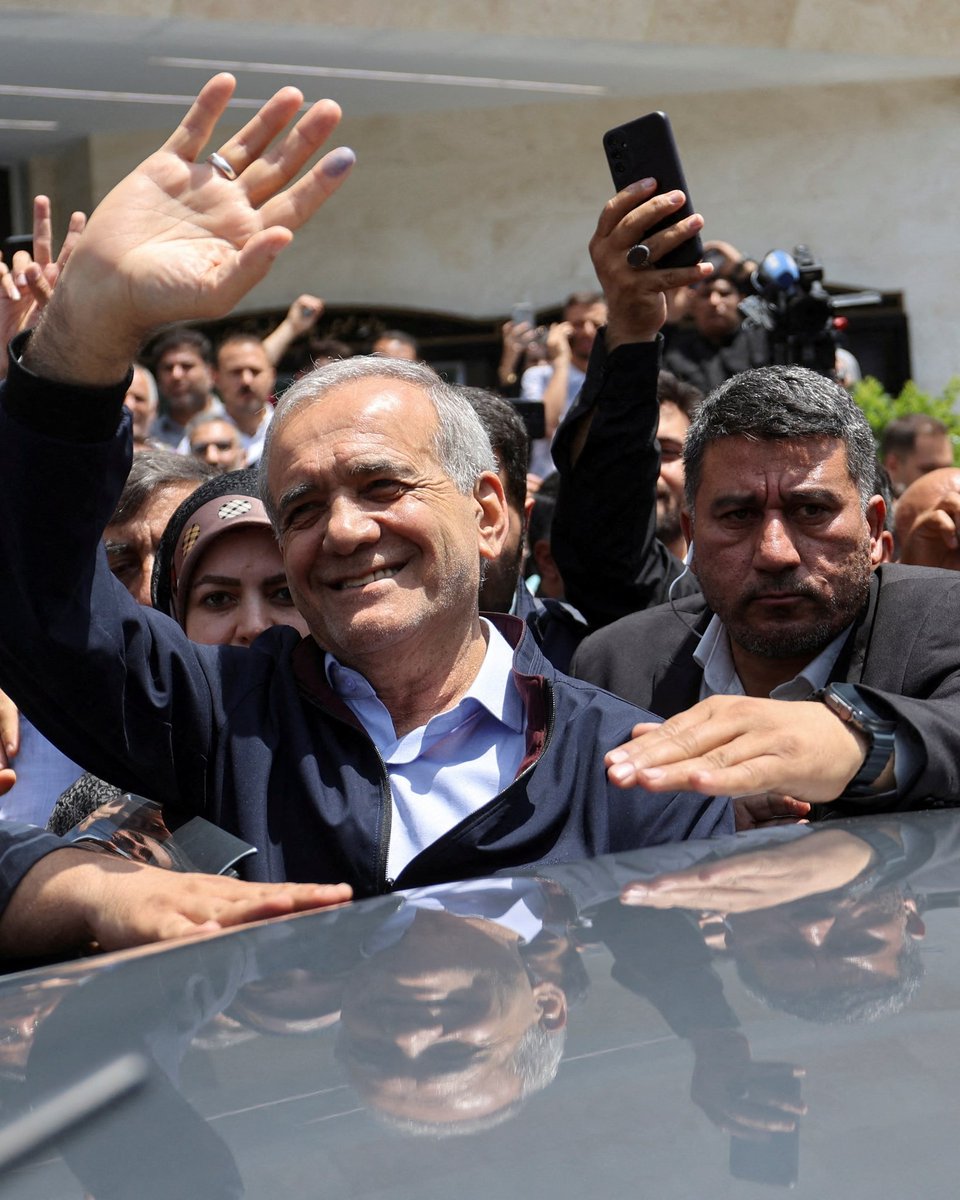
WHAT DOES THIS MEAN FOR IRAN AND FOR US-IRAN RELATIONS?
A few thoughts:
1. Turnout appears to have been around 50%, which is an increase over both the first round (~39%) and the 2021 elections (47%). But this is still very low for Iran, where participation often has been above 70%.
2. It is particularly noteworthy that participation amongst conservatives has been at an all-time low. Usually, with participation this low, the Conservative candidate would have won. But not this time. We're seeing clear signs that unhappiness, if not resentment, with the current system is not limited to non-conservative circles.
3. For many, this is perhaps the best outcome. On the one hand, the conservative candidate was defeated, on the other hand, it was with such a low turnout that it sends a clear warning to the system.
4. Given that Pezeshkian likely will bring back many foreign policy hands from the Rouhani team, the group that negotiated the JCPOA, some important changes in Iran's foreign policy are likely.
5. Pezeshkian spoke strongly about the need for Iran to resolve its tensions with the West. Moreover, he called for direct negotiations rather than negotiations through mediators. This was said within the context of Trump potentially being the next president of the United States. This would be a significant shift if the Iranians agree to directly engage with the US even with Trump as president.
6. This does not in and of itself undo the many factors that render a revival of the JCPOA very difficult. Things have changed both in the US and in Iran that makes the old bargain unattractive to both sides. But political will may now exist - on the Iranian side at least - for a new bargain. Whether it exists on the American side, is a different story. But even if the JCPOA cannot be revived, there may still be other arrangements that the US and Iran can pursue if diplomacy is allowed to take place.
6. Pezeshkian and his team are not likely to have a significant impact on Iran's regional policies, however. Regional policies will continue to be a domain dominated by the IRGC. However, the new president may adopt a much more visible and forward-leaning diplomatic strategy in the region. For instance, Iran may play a more visible diplomatic role on Gaza going forward.
7. The same is true for Lebanon, we're both the US and Iran have a shared interest in preventing a full scale war between Israel and Lebanon. Much more can be done by both sides to prevent this looming disaster.
8. But the biggest story here remains that half the population in Iran sat out this election, and many of those who boycotted the elections were conservatives. A clear warning has been sent to the regime. Whether the Supreme Leader and those around him will read it correctly is a different matter.

