The Northern Crusades. A collection of military campaigns in the...

The Medieval Scholar@MedievalScholar
13 views
Jul 17, 2024
~5 min read
Advertisement
1
The Northern Crusades.
A collection of military campaigns in the Baltic region of Europe to convert the pagan people there to Christianity by Catholic military orders, primarily the Teutonic Order.
Here is the story of these campaigns and the bloodshed and zeal behind them 🧵
A collection of military campaigns in the Baltic region of Europe to convert the pagan people there to Christianity by Catholic military orders, primarily the Teutonic Order.
Here is the story of these campaigns and the bloodshed and zeal behind them 🧵
2
The Northern Crusades began officially in 1195 with the call by Pope Celestine III.
Christian monarchs throughout Europe sought the Christianization of land that included modern day Estonia, Finland, Latvia, Lithuania, Poland and Russia.
Christian monarchs throughout Europe sought the Christianization of land that included modern day Estonia, Finland, Latvia, Lithuania, Poland and Russia.
3
Knights throughout Europe, primarily the Teutonic Order were sent to these northern lands to convert pagan Baltic, Finnic and West Slavic people to Christianity as well as Orthodox Christian East Slavs.

4
The first campaign in the Northern Crusades was against the Livonians in part of present day Latvia.
Bishop Berthold of Hanover landed in Livonia in 1198, the crusaders won their first battle however Bishop Berthold was slain during the battle.
Bishop Berthold of Hanover landed in Livonia in 1198, the crusaders won their first battle however Bishop Berthold was slain during the battle.
5
One year later in 1199, Albert of Buxhoeveden was appointed to Christianize the Baltic lands by Archbishop Hartwig II of Bremen.
Albert would die 30 years later, by the time of his death the Christianization and conquest of modern day Estonia and northern Latvia was complete.
Albert would die 30 years later, by the time of his death the Christianization and conquest of modern day Estonia and northern Latvia was complete.
6
Albert toured the Empire, he preached a crusade that was assisted by a papal bull.
The papal bull declared that fighting against the Baltic "heathens" was the same as fighting in the Holy Land.
In 1202, the Livonian Brothers of the Sword were created.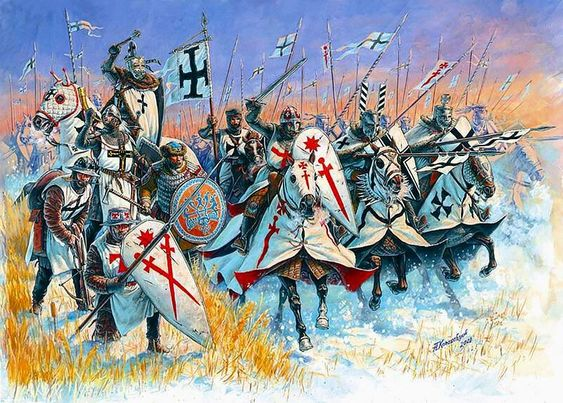
The papal bull declared that fighting against the Baltic "heathens" was the same as fighting in the Holy Land.
In 1202, the Livonian Brothers of the Sword were created.
7
Pope Innocent III dedicated the Baltic lands to the Virgin Mary in an effort to increase recruitment to his army.
One of the names given to Livonia at the time was actually Terra Mariana (Land of Mary).
One of the names given to Livonia at the time was actually Terra Mariana (Land of Mary).
8
In 1206, the Livonian stronghold in Turaida was conquered by the crusaders.
The people of the land were converted to the Roman Catholic Church. This campaign ended in 1212, the German crusaders started enlisting Livonian soldiers to their cause after being baptized.
The people of the land were converted to the Roman Catholic Church. This campaign ended in 1212, the German crusaders started enlisting Livonian soldiers to their cause after being baptized.
9
The Livonians attempted to rebel against the crusaders but were swiftly crushed.
Their leader, a man named Caupo of Turaida from then was loyal to the crusaders until his death in 1217 at the Battle of St. Matthews Day.
Their leader, a man named Caupo of Turaida from then was loyal to the crusaders until his death in 1217 at the Battle of St. Matthews Day.
10
Once the Livonians were conquered and subjugated the crusaders shifted their gaze towards the Latgallians in the east.
In 1208, the principality of Tālava converted to Catholicism from Greek Orthodoxy in a military alliance.
This would be the only peaceful subjugation during the Northern Crusades.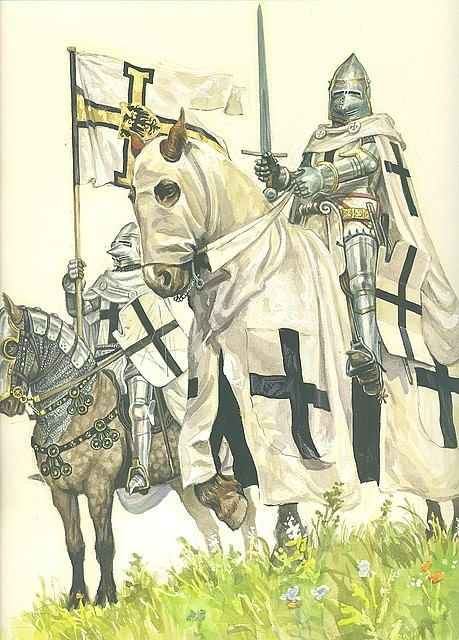
In 1208, the principality of Tālava converted to Catholicism from Greek Orthodoxy in a military alliance.
This would be the only peaceful subjugation during the Northern Crusades.
11
After the occupation of Koknese and Sēlpils in 1208 a war began between the Latgallian and Selonian countries along the Daugava waterway.
This continued with an attack on Jersika, an Orthodox Principality in 1209 because the crusaders believed they were allied with pagans.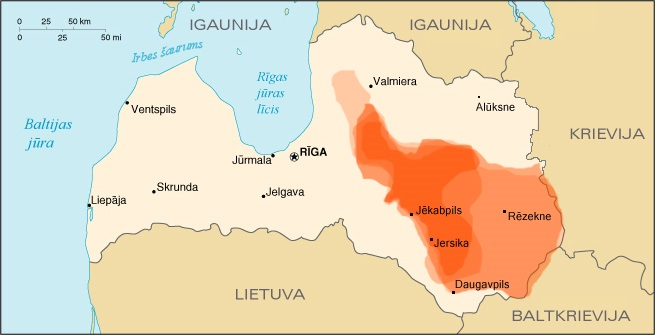
This continued with an attack on Jersika, an Orthodox Principality in 1209 because the crusaders believed they were allied with pagans.
12
It's king, Visvaldis, became a vassal for the Bishop of Livonia and received a part of his country as a fiefdom.
The Latgallian countries were finally subjugated by the German crusaders in 1224 after a division between the Bishop of Riga and the Livonian Brothers of the Sword.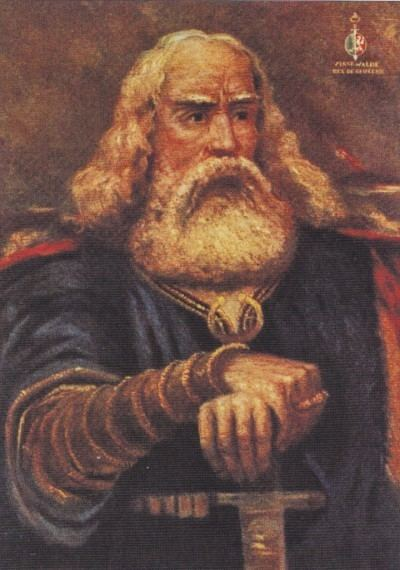
The Latgallian countries were finally subjugated by the German crusaders in 1224 after a division between the Bishop of Riga and the Livonian Brothers of the Sword.
13
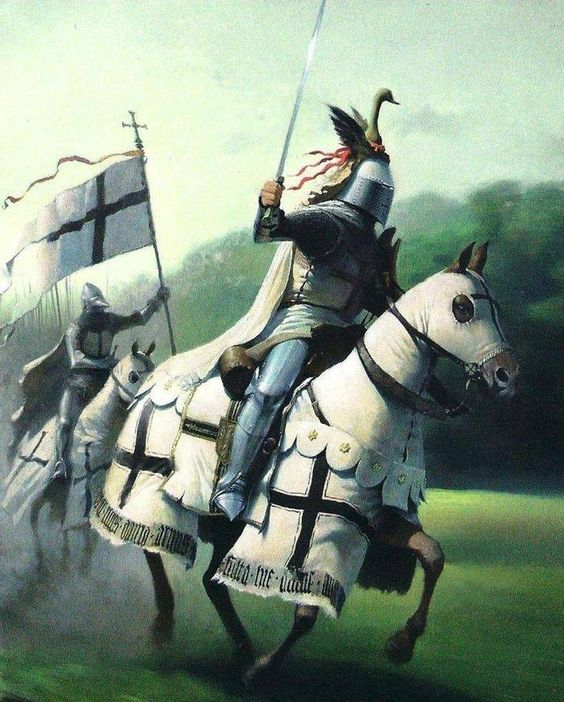
By 1208, the Germans had finally reached a level of strength to begin their campaign against the Estonians.
Estonian hillforts were besieged and captured repeatedly. From 1213 to 1215 there was a truce between the two sides which was more favorable for the Germans.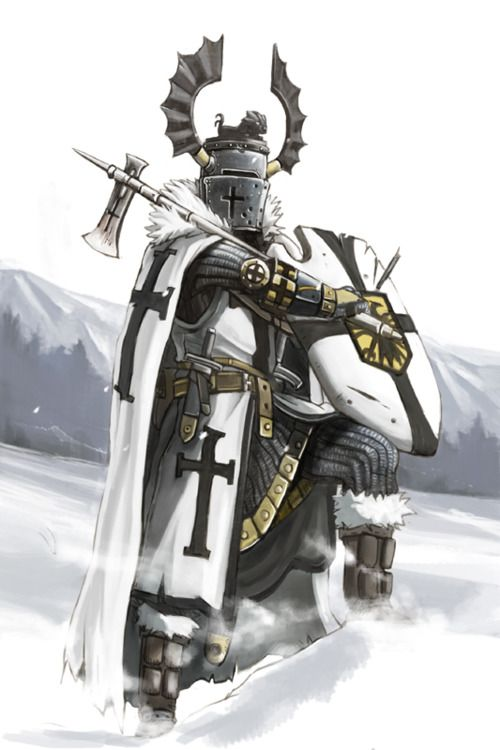
Estonian hillforts were besieged and captured repeatedly. From 1213 to 1215 there was a truce between the two sides which was more favorable for the Germans.
14
There was a battle near Viljandi on September 21st 1217, Kaupo the Livonian leader was slain in battle but the battle itself was a crushing defeat for the Estonians who also lost their leader, Lembitu in battle.
15
Denmark and Sweden also sought conquests in the Baltic. While Sweden's attempt in 1220 failed, King Valdemar II of Denmark established control over northern Estonia after the Battle of Lindanise in 1219.

16
The Northern Crusades made way for the growth of the Teutonic Order, German knights who had been founded in the Holy Land at the end of the 12th century.
In 1226, Duke Konrad I of Masovia employed the knights to defend his borders and subdue the pagan old Prussians.
In 1226, Duke Konrad I of Masovia employed the knights to defend his borders and subdue the pagan old Prussians.
17
In 1234, Konrad and his Polish forces along with the Teutonic Knights claimed victory in battle against the Baltic Prussians on the Dzierzgoń river.
Once the Prussians were subjugated, the Teutonic Knights began their campaign against the Grand Duchy of Lithuania.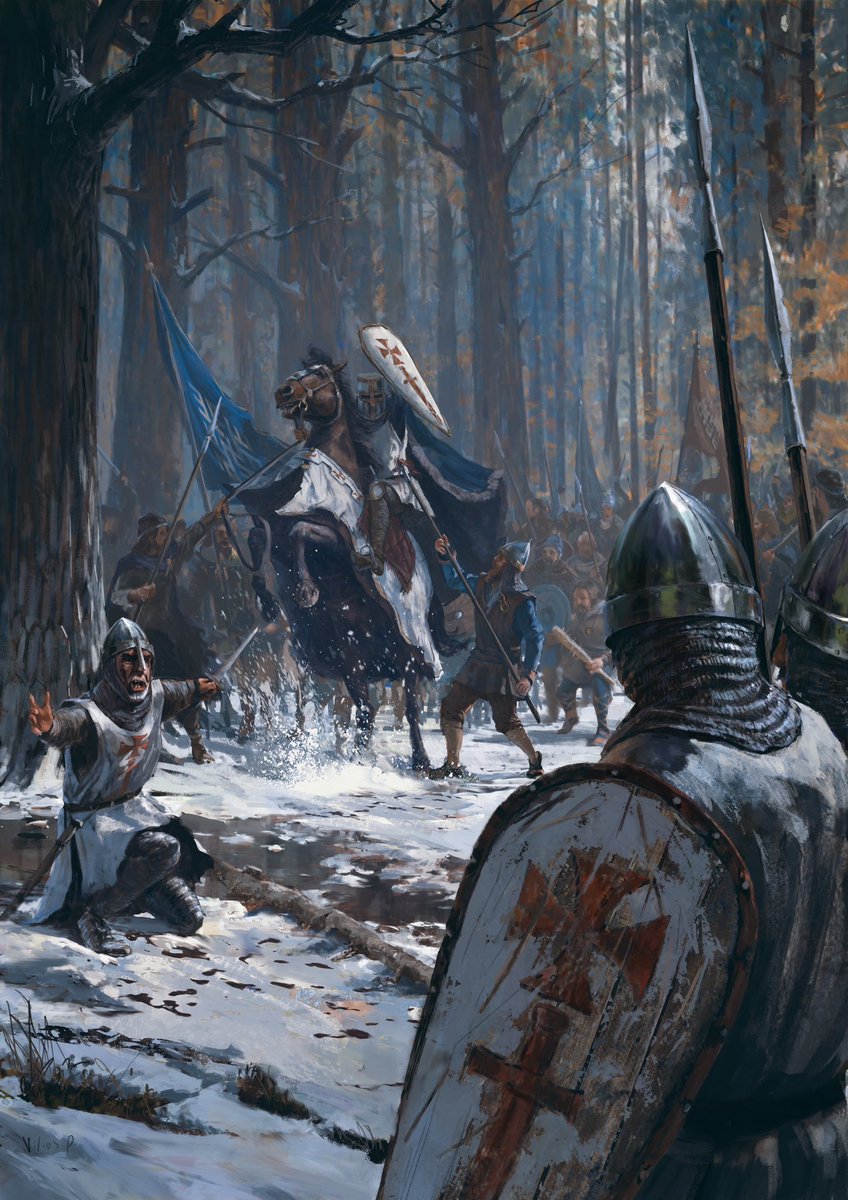
Once the Prussians were subjugated, the Teutonic Knights began their campaign against the Grand Duchy of Lithuania.
18
After the defeat of the Livonians at the Battle of Saule in 1236, the order was inherited by the Teutons which gave them large political influence over the Baltics.
King Mindaugas of Lithuania was baptized with his wife in 1253 hoping to appease the crusaders.
It did not.
King Mindaugas of Lithuania was baptized with his wife in 1253 hoping to appease the crusaders.
It did not.
19
The Teutonic Order failed to subdue Lithuania. The country eventually converted to Catholic Christianity in 1386 after Grand Duke Jogalia married 11 year old Jadwiga of Poland.
Despite the conversion, the Teutonic Knights continued the conflict until the 1410 Battle of Grunwald.
Despite the conversion, the Teutonic Knights continued the conflict until the 1410 Battle of Grunwald.
20
At Grunwald, which is also referred to as the First Battle of Tannenberg, the Lithuanians aided by the Poles, Tatars, Moldovans and Czechs dealt the Teutonic Knights a crushing defeat

21
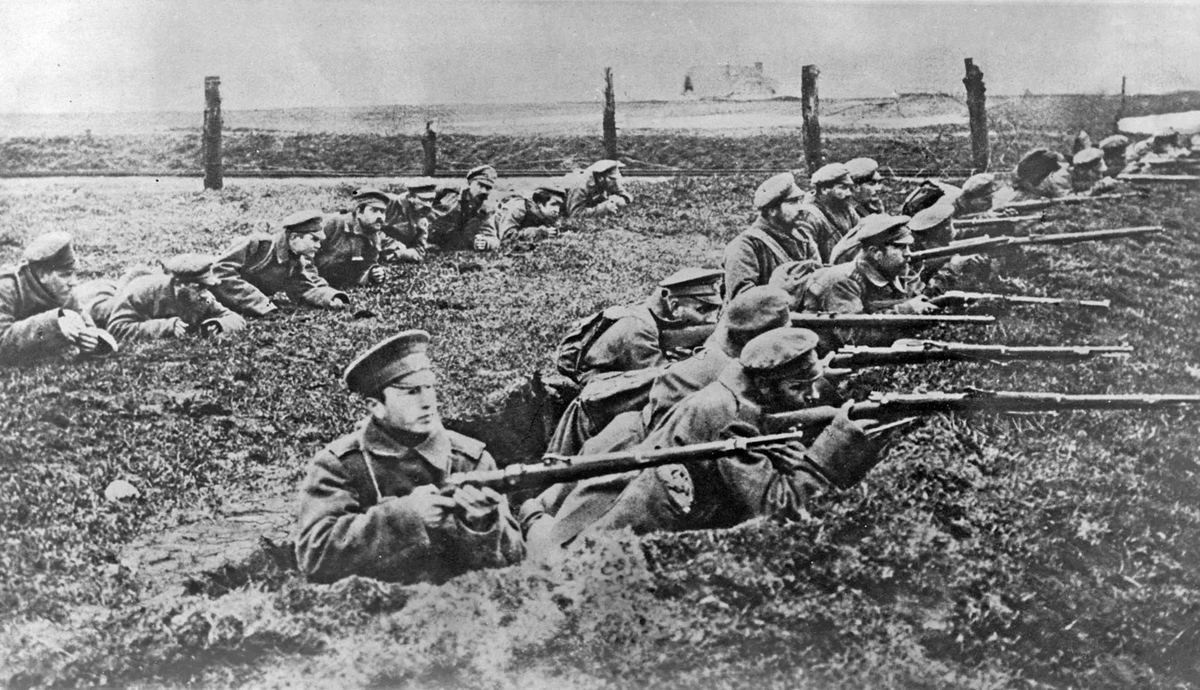
A fun fact to follow up Grunwald was that in the First World War when the German Empire's forces defeated the Russians they called it the Battle of Tannenberg to claim vengeance for the defeat at Grunwald centuries earlier.
22
Livonian activity in Estonia sparked conflicts with the Novgorod Republic who also made their own attempts to subjugate the pagans of the region.
Wars on different occasions happened which halted the Teutonic Orders ambitions to conquer further east.
Wars on different occasions happened which halted the Teutonic Orders ambitions to conquer further east.
23
The Teutonic Order attempted to conquer Orthodox Russia, specifically the Pskov and Novgorod Republics which was endorsed by Pope Gregory IX.
The disastrous defeat at the Battle of the Ice at the hands of Alexander Nevsky dashed any dreams the Teutons had in the region.
The disastrous defeat at the Battle of the Ice at the hands of Alexander Nevsky dashed any dreams the Teutons had in the region.
24
While the Northern Crusades had some notable successes including the conversion of many lands to Christianity it was also marked by a lot of failure and the consequences of those failures.
The Crusaders faced challenges in maintaining control over the conquered lands, ultimately contributing to the decline of their influence in the region.
The Crusaders faced challenges in maintaining control over the conquered lands, ultimately contributing to the decline of their influence in the region.
25
In the end, the crusaders successfully converted the lands of modern day Estonia, Latvia, Lithuania, some of modern day Poland and Finland to Christianity.
Roman Catholicism is the dominant religion in Poland and the lands that were subjugated remain Christian today.
Roman Catholicism is the dominant religion in Poland and the lands that were subjugated remain Christian today.