𝗛𝗶𝗴𝗵 𝗗𝗼𝘀𝗲 𝗧𝗵𝗶𝗮𝗺𝗶𝗻𝗲 𝗧𝗵𝗲𝗿𝗮𝗽𝘆 How one B vitamin can treat many...

J͎Λ͎Y͎@TakeThiamine
25 views
Oct 29, 2024
~10 min read
Advertisement
1
𝗛𝗶𝗴𝗵 𝗗𝗼𝘀𝗲 𝗧𝗵𝗶𝗮𝗺𝗶𝗻𝗲 𝗧𝗵𝗲𝗿𝗮𝗽𝘆
How one B vitamin can treat many metabolic issues…
IBD, SIBO, POTS, CFS, MS, sleep apnea, Parkinson’s, Alzheimer’s, autism, fibromyalgia, diabetes, dysautonomia, cancer
… and how to safely use this therapy for yourself.
How one B vitamin can treat many metabolic issues…
IBD, SIBO, POTS, CFS, MS, sleep apnea, Parkinson’s, Alzheimer’s, autism, fibromyalgia, diabetes, dysautonomia, cancer
… and how to safely use this therapy for yourself.
2
𝗧𝗵𝗶𝗮𝗺𝗶𝗻𝗲’𝘀 𝗿𝗼𝗹𝗲 𝗶𝗻 𝗺𝗲𝘁𝗮𝗯𝗼𝗹𝗶𝘀𝗺
Thiamine, or vitamin B1, is often reduced to its status as “the carb-burner” B vitamin, but it is so much more.
This B vitamin is a cofactor in several key metabolic processes relating to brain function, heart and circulation, nerve signal transmission, and digestion. It has also been shown to have non-coenzyme effects, such as regulation of other enzymes, as well as antioxidant and anti-inflammatory properties.
𝗠𝗲𝘁𝗮𝗯𝗼𝗹𝗶𝘀𝗺, 𝘀𝗶𝗺𝗽𝗹𝗶𝗳𝗶𝗲𝗱:
𝘍𝘶𝘦𝘭 + 𝘖𝘹𝘺𝘨𝘦𝘯 + 𝘊𝘢𝘵𝘢𝘭𝘺𝘴𝘵 = [𝗘𝗻𝗲𝗿𝗴𝘆 = 𝗦𝘁𝗿𝘂𝗰𝘁𝘂𝗿𝗲]
𝗚𝗹𝘂𝗰𝗼𝘀𝗲 𝗺𝗲𝘁𝗮𝗯𝗼𝗹𝗶𝘀𝗺:
1. Glycolysis
2. Pyruvate oxidation✧
3. The Krebs cycle✧
4. Electron transport chain
✧these are thiamine-dependent
Step 1 is anaerobic, meaning it occurs without oxygen. Steps 2-4 are aerobic, meaning they need oxygen to work.
The vast majority of ATP is produced in the electron transport chain, with products of the Krebs cycle. If a single step is blocked, which is what happens when there's not enough thiamine, then metabolism falls back to an inefficient, primordial, and 𝗽𝗿𝗲-𝗼𝘅𝗶𝗱𝗮𝘁𝗶𝘃𝗲 mode of energy production.
Thiamine (and magnesium) are needed for an enzyme called pyruvate dehydrogenase✧ (PDH). PDH is what makes acetyl coenzyme A (acetyl CoA). Without acetyl CoA, there is no entry into the Krebs cycle.
Thiamine is also needed for alpha-ketoglutarate dehydrogenase✧ (α-KGDH), which is needed to keep the Krebs cycle running.
𝗪𝗶𝘁𝗵𝗼𝘂𝘁 𝘁𝗵𝗶𝗮𝗺𝗶𝗻𝗲, 𝘁𝗵𝗲 𝗳𝗼𝗹𝗹𝗼𝘄𝗶𝗻𝗴 𝗲𝗻𝘇𝘆𝗺𝗲𝘀 𝗰𝗮𝗻𝗻𝗼𝘁 𝘄𝗼𝗿𝗸:
✧𝗣𝘆𝗿𝘂𝘃𝗮𝘁𝗲 𝗱𝗲𝗵𝘆𝗱𝗿𝗼𝗴𝗲𝗻𝗮𝘀𝗲, which plays a central role in the breakdown of sugar
✧𝗮𝗹𝗽𝗵𝗮-𝗞𝗲𝘁𝗼𝗴𝗹𝘂𝘁𝗮𝗿𝗮𝘁𝗲 𝗱𝗲𝗵𝘆𝗱𝗿𝗼𝗴𝗲𝗻𝗮𝘀𝗲, part of the Krebs cycle where sugar, fats, and protein make energy
✧𝗕𝗿𝗮𝗻𝗰𝗵𝗲𝗱-𝗰𝗵𝗮𝗶𝗻 𝗸𝗲𝘁𝗼𝗮𝗰𝗶𝗱 𝗱𝗲𝗵𝘆𝗱𝗿𝗼𝗴𝗲𝗻𝗮𝘀𝗲, necessary for processing of BCAAs
✧𝟮-𝗢𝘅𝗼𝗮𝗱𝗶𝗽𝗮𝘁𝗲 𝗱𝗲𝗵𝘆𝗱𝗿𝗼𝗴𝗲𝗻𝗮𝘀𝗲, involved in the breakdown of amino acids like lysine
✧𝟮-𝗵𝘆𝗱𝗿𝗼𝘅𝘆𝗮𝗰𝘆𝗹-𝗖𝗼𝗔 𝗹𝘆𝗮𝘀𝗲, involved in the oxidation of short-chain fatty acids (SCFAs)
✧𝗧𝗿𝗮𝗻𝘀𝗸𝗲𝘁𝗼𝗹𝗮𝘀𝗲, which maintains antioxidant defenses and repairing damage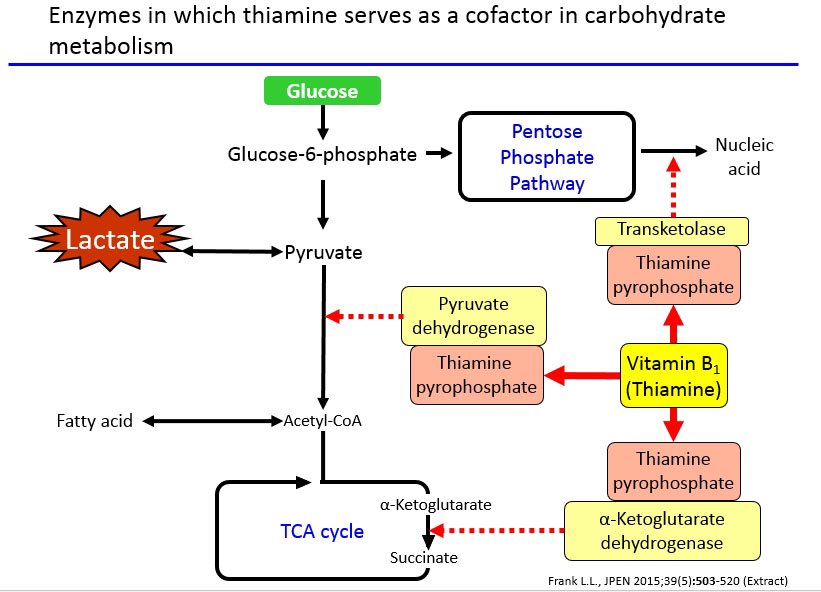
Thiamine, or vitamin B1, is often reduced to its status as “the carb-burner” B vitamin, but it is so much more.
This B vitamin is a cofactor in several key metabolic processes relating to brain function, heart and circulation, nerve signal transmission, and digestion. It has also been shown to have non-coenzyme effects, such as regulation of other enzymes, as well as antioxidant and anti-inflammatory properties.
𝗠𝗲𝘁𝗮𝗯𝗼𝗹𝗶𝘀𝗺, 𝘀𝗶𝗺𝗽𝗹𝗶𝗳𝗶𝗲𝗱:
𝘍𝘶𝘦𝘭 + 𝘖𝘹𝘺𝘨𝘦𝘯 + 𝘊𝘢𝘵𝘢𝘭𝘺𝘴𝘵 = [𝗘𝗻𝗲𝗿𝗴𝘆 = 𝗦𝘁𝗿𝘂𝗰𝘁𝘂𝗿𝗲]
𝗚𝗹𝘂𝗰𝗼𝘀𝗲 𝗺𝗲𝘁𝗮𝗯𝗼𝗹𝗶𝘀𝗺:
1. Glycolysis
2. Pyruvate oxidation✧
3. The Krebs cycle✧
4. Electron transport chain
✧these are thiamine-dependent
Step 1 is anaerobic, meaning it occurs without oxygen. Steps 2-4 are aerobic, meaning they need oxygen to work.
The vast majority of ATP is produced in the electron transport chain, with products of the Krebs cycle. If a single step is blocked, which is what happens when there's not enough thiamine, then metabolism falls back to an inefficient, primordial, and 𝗽𝗿𝗲-𝗼𝘅𝗶𝗱𝗮𝘁𝗶𝘃𝗲 mode of energy production.
Thiamine (and magnesium) are needed for an enzyme called pyruvate dehydrogenase✧ (PDH). PDH is what makes acetyl coenzyme A (acetyl CoA). Without acetyl CoA, there is no entry into the Krebs cycle.
Thiamine is also needed for alpha-ketoglutarate dehydrogenase✧ (α-KGDH), which is needed to keep the Krebs cycle running.
𝗪𝗶𝘁𝗵𝗼𝘂𝘁 𝘁𝗵𝗶𝗮𝗺𝗶𝗻𝗲, 𝘁𝗵𝗲 𝗳𝗼𝗹𝗹𝗼𝘄𝗶𝗻𝗴 𝗲𝗻𝘇𝘆𝗺𝗲𝘀 𝗰𝗮𝗻𝗻𝗼𝘁 𝘄𝗼𝗿𝗸:
✧𝗣𝘆𝗿𝘂𝘃𝗮𝘁𝗲 𝗱𝗲𝗵𝘆𝗱𝗿𝗼𝗴𝗲𝗻𝗮𝘀𝗲, which plays a central role in the breakdown of sugar
✧𝗮𝗹𝗽𝗵𝗮-𝗞𝗲𝘁𝗼𝗴𝗹𝘂𝘁𝗮𝗿𝗮𝘁𝗲 𝗱𝗲𝗵𝘆𝗱𝗿𝗼𝗴𝗲𝗻𝗮𝘀𝗲, part of the Krebs cycle where sugar, fats, and protein make energy
✧𝗕𝗿𝗮𝗻𝗰𝗵𝗲𝗱-𝗰𝗵𝗮𝗶𝗻 𝗸𝗲𝘁𝗼𝗮𝗰𝗶𝗱 𝗱𝗲𝗵𝘆𝗱𝗿𝗼𝗴𝗲𝗻𝗮𝘀𝗲, necessary for processing of BCAAs
✧𝟮-𝗢𝘅𝗼𝗮𝗱𝗶𝗽𝗮𝘁𝗲 𝗱𝗲𝗵𝘆𝗱𝗿𝗼𝗴𝗲𝗻𝗮𝘀𝗲, involved in the breakdown of amino acids like lysine
✧𝟮-𝗵𝘆𝗱𝗿𝗼𝘅𝘆𝗮𝗰𝘆𝗹-𝗖𝗼𝗔 𝗹𝘆𝗮𝘀𝗲, involved in the oxidation of short-chain fatty acids (SCFAs)
✧𝗧𝗿𝗮𝗻𝘀𝗸𝗲𝘁𝗼𝗹𝗮𝘀𝗲, which maintains antioxidant defenses and repairing damage
3
𝗟𝗮𝗰𝘁𝗮𝘁𝗲 𝗮𝗻𝗱 𝗳𝗮𝗶𝗹𝘂𝗿𝗲 𝘁𝗼 𝗼𝘅𝗶𝗱𝗶𝘇𝗲
Without thiamine, PDH, rather than being converted to acetyl CoA, converts to 𝗹𝗮𝗰𝘁𝗮𝘁𝗲. The cell does not like lactate and does everything it can to pump it into intercellular space, creating local hypoxia, meaning your tissues cannot properly extract oxygen from the blood.
This lactate has to go back to the liver in what’s called the 𝗖𝗼𝗿𝗶 𝗰𝘆𝗰𝗹𝗲, where it is then reconverted into glucose. This is a futile cycle where essentially no ATP is produced. Compare that to the 36 ATP molecules produced when glucose is fully oxidized without any bottlenecks.
Lactate and the failure to fully oxidize glucose are central to all metabolic derangements. This leads to a hypoxic condition—a state in which the body is starved for oxygen and energy.
4
𝗧𝗵𝗶𝗮𝗺𝗶𝗻𝗲 𝗱𝗲𝗳𝗶𝗰𝗶𝗲𝗻𝗰𝘆, 𝗴𝗹𝘂𝘁𝗮𝗺𝗮𝘁𝗲, 𝗱𝘆𝘀𝗮𝘂𝘁𝗼𝗻𝗼𝗺𝗶𝗮, 𝗮𝗻𝗱 𝗵𝘆𝗽𝗼𝘅𝗶𝗮
The autonomic nervous system regulates blood pressure.¹ Derrick Lonsdale writes that there is an association between high blood pressure and pro-inflammatory cytokines of the adaptive immune system.² The autonomic nervous system is also responsible for regulation of heart rate, respiration, digestion, and arousal.
Thiamine deficiency is a main driver of derangements in this system, called 𝗱𝘆𝘀𝗮𝘂𝘁𝗼𝗻𝗼𝗺𝗶𝗮.
“It is hypothesized that the predictable loss of efficiency in oxidative metabolism is the key to understanding the association of dysautonomia with many different diseases.”³
𝗚𝗔𝗕𝗔/𝗴𝗹𝘂𝘁𝗮𝗺𝗮𝘁𝗲 imbalance is a major factor in disruptions in the nervous system. GABA calms, while glutamate excites. Thiamine protects against glutamate excitotoxicity by clearing excess glutamate, preventing oxidative damage. An excess of glutamate can lead to a number of neurological issues such as insomnia, anxiety, body weakness, headaches, increased sensitivity to pain, and, in the end stages, Parkinson’s, Alzheimer’s, and Huntington’s disease.
Beriberi is the disease most often associated with thiamine deficiency, and it is an advanced dysautonomia. The brain and limbic system are particularly sensitive to thiamine deficiency. In such cases, a form of thiamine that crosses the blood-brain barrier may be necessary, such as TTFD, benfotiamine, or sulbutiamine.
“𝗛𝘆𝗽𝗼𝘅𝗶𝗮 is known to initiate sympathetic nervous system activity. Because thiamine deficiency has effects similar to those of hypoxia, these effects have been referred to in the literature as arising from pseudo-hypoxia.” writes Lonsdale.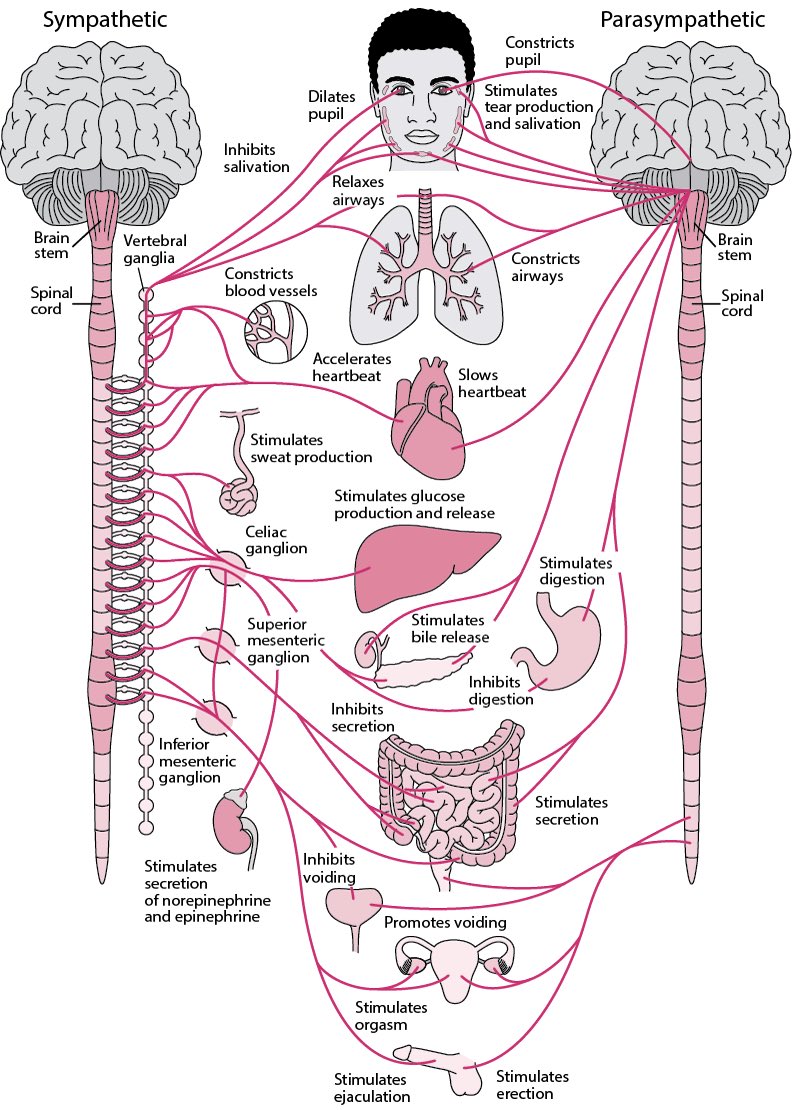
The autonomic nervous system regulates blood pressure.¹ Derrick Lonsdale writes that there is an association between high blood pressure and pro-inflammatory cytokines of the adaptive immune system.² The autonomic nervous system is also responsible for regulation of heart rate, respiration, digestion, and arousal.
Thiamine deficiency is a main driver of derangements in this system, called 𝗱𝘆𝘀𝗮𝘂𝘁𝗼𝗻𝗼𝗺𝗶𝗮.
“It is hypothesized that the predictable loss of efficiency in oxidative metabolism is the key to understanding the association of dysautonomia with many different diseases.”³
𝗚𝗔𝗕𝗔/𝗴𝗹𝘂𝘁𝗮𝗺𝗮𝘁𝗲 imbalance is a major factor in disruptions in the nervous system. GABA calms, while glutamate excites. Thiamine protects against glutamate excitotoxicity by clearing excess glutamate, preventing oxidative damage. An excess of glutamate can lead to a number of neurological issues such as insomnia, anxiety, body weakness, headaches, increased sensitivity to pain, and, in the end stages, Parkinson’s, Alzheimer’s, and Huntington’s disease.
Beriberi is the disease most often associated with thiamine deficiency, and it is an advanced dysautonomia. The brain and limbic system are particularly sensitive to thiamine deficiency. In such cases, a form of thiamine that crosses the blood-brain barrier may be necessary, such as TTFD, benfotiamine, or sulbutiamine.
“𝗛𝘆𝗽𝗼𝘅𝗶𝗮 is known to initiate sympathetic nervous system activity. Because thiamine deficiency has effects similar to those of hypoxia, these effects have been referred to in the literature as arising from pseudo-hypoxia.” writes Lonsdale.
5
𝗢𝗻𝗱𝗶𝗻𝗲’𝘀 𝗰𝘂𝗿𝘀𝗲; 𝘄𝗵𝗲𝗻 𝗯𝗿𝗲𝗮𝘁𝗵𝗶𝗻𝗴 𝘀𝘁𝗼𝗽𝘀 𝗯𝗲𝗶𝗻𝗴 𝗮𝘂𝘁𝗼𝗺𝗮𝘁𝗶𝗰
“Ondine is a mythological figure whose tale goes back to the ancient Greeks. She is described as a water nymph who fell in love with a mortal male. He is said to have eventually jilted her, causing her to curse him. She abolished automatic controls in his body so that he had to remember them and control them consciously. This included automatic breathing. Eventually he became so tired that he fell asleep. Automatic breathing ceased and he died. The Ondine character has appeared and reappeared throughout history and must have represented a phenomenon that had been observed many times as a cause of an inexplicable sudden death at night.”⁴
This myth outlines the horrors of severe sleep apnea. Exhausted, you begin to drift off, only to be jolted awake because your body knows that there will be nobody left to “take the wheel” once you lose consciousness. Throughout the next day, still exhausted, you struggle to breathe, feeling lethargic and claustrophobic in your own body. Not much is possible in such a condition. Many people experience a fraction of this and don’t notice until it progresses to the point where it cannot be ignored.
𝗧𝗵𝗶𝘀 𝗶𝘀 𝟭𝟬𝟬% 𝗮 𝗺𝗲𝘁𝗮𝗯𝗼𝗹𝗶𝗰 𝗶𝘀𝘀𝘂𝗲.
Thiamine fixes autonomic problems and helps the body exit this hypoxic state.
6
𝗧𝗵𝗶𝗮𝗺𝗶𝗻𝗲, 𝗖𝗢𝟮, 𝗮𝗻𝗱 𝘁𝗵𝗲 𝗕𝗼𝗵𝗿 𝗲𝗳𝗳𝗲𝗰𝘁
Thiamine is a 𝗰𝗮𝗿𝗯𝗼𝗻𝗶𝗰 𝗮𝗻𝗵𝘆𝗱𝗿𝗮𝘀𝗲 𝗶𝗻𝗵𝗶𝗯𝗶𝘁𝗼𝗿. This means it helps your body retain 𝗰𝗮𝗿𝗯𝗼𝗻 𝗱𝗶𝗼𝘅𝗶𝗱𝗲 (𝗖𝗢𝟮), which oxygenates the tissue by displacing it from hemoglobin via the 𝗕𝗼𝗵𝗿 𝗲𝗳𝗳𝗲𝗰𝘁.⁵ ⁶
We’re taught to think of CO2 as a metabolic waste product, but it’s the opposite.
“Everything in your body is different when it’s well-saturated with CO2. You can’t suffer the side-effects of diabetes for example, if your proteins are well-protected.” says Raymond Peat.⁷
When your metabolism is working as it should, your CO2/lactate ratio will be high. When there is a metabolic problem (like down-regulated PDH or α-KGDH), the ratio of CO2/lactate will be low, and there will be local hypoxia, meaning the tissues are starved of oxygen.
Because lactate creates hypoxia which lowers metabolism, this creates a vicious cycle of low metabolism, low CO2, and more lactate.
𝗛𝘆𝗽𝗼𝘅𝗶𝗮 𝗶𝘀 𝗶𝗻𝘃𝗼𝗹𝘃𝗲𝗱 𝗶𝗻 𝗺𝗮𝗻𝘆 𝗺𝗲𝘁𝗮𝗯𝗼𝗹𝗶𝗰 𝗱𝗲𝗿𝗮𝗻𝗴𝗲𝗺𝗲𝗻𝘁𝘀.
7
𝗪𝗵𝘆 𝘀𝘂𝗰𝗵 𝗮 𝗵𝗶𝗴𝗵 𝗱𝗼𝘀𝗲? 𝗖𝗮𝗻’𝘁 𝗜 𝗴𝗲𝘁 𝗶𝘁 𝗳𝗿𝗼𝗺 𝗳𝗼𝗼𝗱?
You won’t be able to get nearly enough thiamine for a therapeutic dose from food. This therapy is less about correcting a deficiency and more about over-saturating cells with enough thiamine that it overwhelms your hypometabolic inertia and you are made new.
Furthermore, many people can exceed the 1.2 mg RDA of dietary thiamine and still have what’s called a “functional deficiency,” meaning oxidative stress and inflammation are inhibiting the ability to use thiamine, or degrading the molecule entirely. A functional deficiency can occur in specific regions, tissues, or cells in the body.
According to independent researcher Georgi Dinkov, in studies on thiamine in cancer, it seems the very high doses make the right response more likely, while lower doses, in some cases, can paradoxically raise lactate.⁸
“…whether thiamine helps or hinders cancers depends very much on its ability to stimulate pyruvate dehydrogenase and reduce lactate.
…
However, the researchers noticed that 𝗮𝘁 𝗵𝗶𝗴𝗵 𝗱𝗼𝘀𝗮𝗴𝗲𝘀 𝗽𝗿𝗲𝘁𝘁𝘆 𝗺𝘂𝗰𝗵 𝗲𝘃𝗲𝗿𝘆𝗯𝗼𝗱𝘆 𝘀𝘁𝗮𝗿𝘁𝗲𝗱 𝗿𝗲𝘀𝗽𝗼𝗻𝗱𝗶𝗻𝗴 𝘁𝗼 𝘁𝗵𝗶𝗮𝗺𝗶𝗻𝗲.”
8
𝗪𝗵𝗮𝘁 𝗱𝗲𝗽𝗹𝗲𝘁𝗲𝘀 𝘁𝗵𝗶𝗮𝗺𝗶𝗻𝗲?
✧Coffee
✧Alcohol
✧Refined carbs
✧Raw fish
✧Sulfites
✧Diuretics
✧Metronidazole (Flagyl)
✧Fluoroquinolones
✧Metformin
✧Oral contraceptives
✧Gut issues
✧Bacterial infection
✧Stress
✧Surgery
✧Coffee
✧Alcohol
✧Refined carbs
✧Raw fish
✧Sulfites
✧Diuretics
✧Metronidazole (Flagyl)
✧Fluoroquinolones
✧Metformin
✧Oral contraceptives
✧Gut issues
✧Bacterial infection
✧Stress
✧Surgery
9
𝗪𝗵𝗼 𝗶𝘀 𝗮 𝗰𝗮𝗻𝗱𝗶𝗱𝗮𝘁𝗲 𝗳𝗼𝗿 𝘁𝗵𝗶𝘀 𝘁𝗿𝗲𝗮𝘁𝗺𝗲𝗻𝘁?
✧Anyone suffering from a complicated chronic illness who feels they have tried it all
✧Anyone who recently suffered a traumatic event
✧Anyone who recently took a round of antibiotics
✧Anyone with a history of alcohol abuse
✧Anyone interested in optimizing energy production
✧Anyone
Thiamine is non-toxic and HDT is a very low risk therapy.
𝗧𝗵𝗶𝘀 𝗶𝗻𝗳𝗼𝗿𝗺𝗮𝘁𝗶𝗼𝗻 𝗶𝘀 𝗽𝘂𝗿𝗲𝗹𝘆 𝗲𝗱𝘂𝗰𝗮𝘁𝗶𝗼𝗻𝗮𝗹, 𝗻𝗼𝘁 𝗺𝗲𝗱𝗶𝗰𝗮𝗹 𝗮𝗱𝘃𝗶𝗰𝗲. 𝗜𝘁 𝘀𝗵𝗼𝘂𝗹𝗱 𝗻𝗼𝘁 𝗿𝗲𝗽𝗹𝗮𝗰𝗲 𝘁𝗵𝗲 𝗮𝗱𝘃𝗶𝗰𝗲 𝗼𝗳 𝘆𝗼𝘂𝗿 𝗽𝗿𝗶𝗺𝗮𝗿𝘆 𝗰𝗮𝗿𝗲 𝗽𝗵𝘆𝘀𝗶𝗰𝗶𝗮𝗻.
10
𝗗𝗶𝗳𝗳𝗲𝗿𝗲𝗻𝘁 𝗳𝗼𝗿𝗺𝘀 𝗼𝗳 𝘁𝗵𝗶𝗮𝗺𝗶𝗻𝗲
✧𝗧𝗵𝗶𝗮𝗺𝗶𝗻𝗲 𝗵𝗖𝗹
𝗣𝗿𝗼𝘀: cheap, widely available, lowest risk of adverse reactions, no sulfur
𝗖𝗼𝗻𝘀: high doses are needed, possibly more dosing throughout the day
𝗕𝗶𝗼𝗮𝘃𝗮𝗶𝗹𝗮𝗯𝗶𝗹𝗶𝘁𝘆: poor, 3-10%
✧𝗕𝗲𝗻𝗳𝗼𝘁𝗶𝗮𝗺𝗶𝗻𝗲
𝗣𝗿𝗼𝘀: widely available, heavily studied, freely diffuses through cells, antioxidant, anti-inflammatory, crosses the BBB
𝗖𝗼𝗻𝘀: may increase the need for glycine, can be metabolized back into thiamine in the liver, higher potential for paradoxical reaction
𝗕𝗶𝗼𝗮𝘃𝗮𝗶𝗹𝗮𝗯𝗶𝗹𝗶𝘁𝘆: excellent, 50-90%
✧𝗧𝗵𝗶𝗮𝗺𝗶𝗻𝗲 𝘁𝗲𝘁𝗿𝗮𝗵𝘆𝗱𝗿𝗼𝗳𝘂𝗿𝗳𝘂𝗿𝘆𝗹 𝗱𝗶𝘀𝘂𝗹𝗳𝗶𝗱𝗲 (𝗧𝗧𝗙𝗗)
𝗣𝗿𝗼𝘀: acts directly on the digestive system, rapidly taken up by enteric nerves, good for CNS conditions, antioxidant, mild chelator, crosses the BBB
𝗖𝗼𝗻𝘀: not widely available, sulfur can cause reactions in some, may increase the need for molybdenum, may increase need for glutathione, higher potential for paradoxical reaction
𝗕𝗶𝗼𝗮𝘃𝗮𝗶𝗹𝗮𝗯𝗶𝗹𝗶𝘁𝘆: excellent, 50-90%
✧𝗦𝘂𝗹𝗯𝘂𝘁𝗶𝗮𝗺𝗶𝗻𝗲
𝗣𝗿𝗼𝘀: nootropic, high bioavailability, well-studied, good for CNS conditions, crosses the BBB
𝗖𝗼𝗻𝘀: not widely available, sulfur can cause reactions in some, may increase the need for molybdenum, may increase need for glutathione, effects seem to wear off for some, higher potential for paradoxical reaction
𝗕𝗶𝗼𝗮𝘃𝗮𝗶𝗹𝗮𝗯𝗶𝗹𝗶𝘁𝘆: excellent, 50-90%
11
𝗘𝗳𝗳𝗲𝗰𝘁𝗶𝘃𝗲 𝗱𝗼𝘀𝗲𝘀
𝗧𝗵𝗶𝗮𝗺𝗶𝗻𝗲 𝗵𝗖𝗹: 500 - 4,000 mg a day
𝗕𝗲𝗻𝗳𝗼𝘁𝗶𝗮𝗺𝗶𝗻𝗲: 300 - 1,800 mg a day
𝗧𝗧𝗙𝗗, 𝘀𝘂𝗹𝗯𝘂𝘁𝗶𝗮𝗺𝗶𝗻𝗲: 100 - 1,500 mg a day
You can absolutely take multiple forms. For some, this may be what makes the therapy work. Others are fine on just one.
For most, I would suggest starting with hCl because it’s cheap and has the lowest paradoxical reaction potential. But if there is a serious neurological component, it may be wiser to opt for a form that reliably crosses the blood-brain barrier.
12
𝗧𝗿𝗼𝘂𝗯𝗹𝗲𝘀𝗵𝗼𝗼𝘁𝗶𝗻𝗴
Two non-negotiables in HDT therapy are 𝗺𝗮𝗴𝗻𝗲𝘀𝗶𝘂𝗺 and a 𝗕-𝗰𝗼𝗺𝗽𝗹𝗲𝘅.
This therapy will not work without these. When consistently high-dosing a single B vitamin, you will likely deplete others. Thiamine needs magnesium for conversion into its active form, 𝘁𝗵𝗶𝗮𝗺𝗶𝗻𝗲 𝗽𝘆𝗿𝗼𝗽𝗵𝗼𝘀𝗽𝗵𝗮𝘁𝗲 (𝗧𝗣𝗣) by the enzyme thiamine pyrophosphokinase (TPK). Additionally, enzymes like PDH and α-KGDH need both thiamine and magnesium to work.
If issues present, make sure you’re getting enough:
✧Sodium
✧Potassium
✧Glutathione
✧CoQ10
✧Selenium*
✧Molybdenum*
*Selenium and molybdenum are important, but supplementing them directly can also be risky since too high a dose of either is counter-productive. Try to get these from whole foods. If that’s not an option, be conservative with dosing.
13
𝗣𝗮𝗿𝗮𝗱𝗼𝘅𝗶𝗰𝗮𝗹 𝗿𝗲𝗮𝗰𝘁𝗶𝗼𝗻
As you increase the dose, you may experience a temporary worsening of symptoms. This is okay; you may need to hold at that dose until you return to your previous baseline. If you don’t return to a previous baseline, you may need to return to the previous dose or make sure you’re getting enough of the other B vitamins, magnesium, or other nutrients.⁹
As you increase the dose, you may experience a temporary worsening of symptoms. This is okay; you may need to hold at that dose until you return to your previous baseline. If you don’t return to a previous baseline, you may need to return to the previous dose or make sure you’re getting enough of the other B vitamins, magnesium, or other nutrients.⁹
14
𝗧𝗵𝗶𝗮𝗺𝗶𝗻𝗲 𝘁𝗵𝗲𝗿𝗮𝗽𝘆: 𝗲𝗻𝗲𝗿𝗴𝘆 𝗺𝗲𝘁𝗮𝗯𝗼𝗹𝗶𝘀𝗺 𝗶𝘀 𝗲𝘃𝗲𝗿𝘆𝘁𝗵𝗶𝗻𝗴
HDT therapy isn’t solely about thiamine. It’s about correcting oxidative metabolism. If cellular respiration isn’t happening, nothing else can work as intended. Chronic illness is the body failing to meet the energetic demand placed on it.
This basic idea of bioenergetics has been elaborated on by many others, including Gilbert Ling, Albert Szent-Györgyi, Otto Warburg, William F. Koch, and Raymond Peat.
𝗧𝗵𝗲 𝗲𝗳𝗳𝗶𝗰𝗶𝗲𝗻𝗰𝘆 𝘄𝗶𝘁𝗵 𝘄𝗵𝗶𝗰𝗵 𝗼𝘂𝗿 𝗰𝗲𝗹𝗹𝘀 𝘂𝘀𝗲 𝗼𝘅𝘆𝗴𝗲𝗻 𝗶𝘀 𝗮𝘁 𝘁𝗵𝗲 𝗰𝗲𝗻𝘁𝗲𝗿 𝗼𝗳 𝗴𝗼𝗼𝗱 𝗵𝗲𝗮𝗹𝘁𝗵, 𝗮𝗻𝗱 𝘁𝗵𝗲 𝗱𝗲𝗿𝗮𝗻𝗴𝗲𝗺𝗲𝗻𝘁 𝗼𝗳 𝘁𝗵𝗮𝘁 𝗶𝘀 𝗮𝘁 𝘁𝗵𝗲 𝗰𝗲𝗻𝘁𝗲𝗿 𝗼𝗳 𝗮𝗹𝗹 𝗰𝗵𝗿𝗼𝗻𝗶𝗰 𝗶𝗹𝗹𝗻𝗲𝘀𝘀𝗲𝘀.
For some people, it’s as easy as taking thiamine, a B-complex, some magnesium and calling it a day. For others, it may take trial and error, but the process might just identify areas of health you need to focus on, and the thiamine may give you the necessary energy to tackle those problems. Regardless, HDT therapy is worth sticking with if you have a complicated metabolic issue.
15
𝗦𝗼𝘂𝗿𝗰𝗲𝘀
[1]PMID: 24855203
[2]PMID: 24847766
[3]PMID: 18955227
[4]hormonesmatter.com/ondines-curse-…
[5]“Altitude and Mortality,” Ray Peat
[6]doi:10.3109/00365517309082411
[7]Ray Peat KMUD 7-16-10 Altitude and Co2 Full Interview
[8]cgp.iiarjournals.org/content/cgp/10…
[9]“Thiamine Protocols & Nutrients Interactions,” Elliot Overton
𝗔𝗱𝗱𝗶𝘁𝗶𝗼𝗻𝗮𝗹 𝘁𝗵𝗶𝗮𝗺𝗶𝗻𝗲 𝘀𝘁𝘂𝗱𝗶𝗲𝘀
✧Autism, PMID: 12195231
✧Parkinson’s, PMID: 23462281
✧Alzheimer’s, PMID: 17685850
✧Fibromyalgia, PMID: 23696141
✧Chronic fatigue, IBD, PMID: 33210299
𝗠𝗼𝗿𝗲 𝗼𝗻 𝗛𝗗𝗧
✧Elliot Overton’s YouTube channel
✧hormonesmatter.com
✧“Thiamine Deficiency Disease, Dysautonomia, and High Calorie Malnutrition” - Chandler Marrs and Derrick Lonsdale
