A "cognitive bias" is a systematic error in thinking that ruins...

GeniusThinking@GeniusGTX
40 views
Feb 13, 2024
~3 min read
Advertisement
1
A "cognitive bias" is a systematic error in thinking that ruins decision-making.
12 dangerous cognitive biases I’ve found:
12 dangerous cognitive biases I’ve found:
2
Red Herring
The kippered herring was a smelly fish used to distract hunting dogs while training them to stay focused on a scent.
"Red herring" is now synonymous with distraction.
The offender distracts from the argument with a seemingly related (but actually unrelated) point.
The kippered herring was a smelly fish used to distract hunting dogs while training them to stay focused on a scent.
"Red herring" is now synonymous with distraction.
The offender distracts from the argument with a seemingly related (but actually unrelated) point.
3
Sunk Cost Fallacy
Sunk costs are past investments in an activity that can't be recovered.
We often cling to the idea of continuing based solely on what we've already invested—ignoring future costs and the likelihood of success.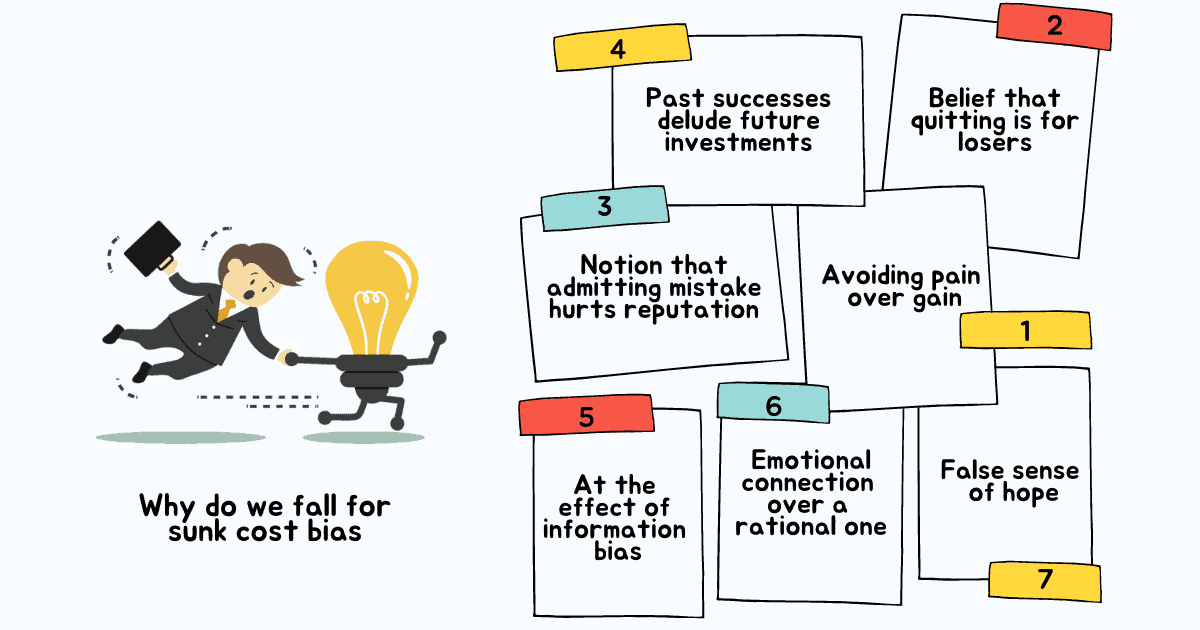
Sunk costs are past investments in an activity that can't be recovered.
We often cling to the idea of continuing based solely on what we've already invested—ignoring future costs and the likelihood of success.
4
Survivorship Bias
History is written by the victors.
Studying and learning from "survivors”—while systematically ignoring "casualties”—creates material distortions in our conclusions.
We overestimate the odds of success because we only read about successes.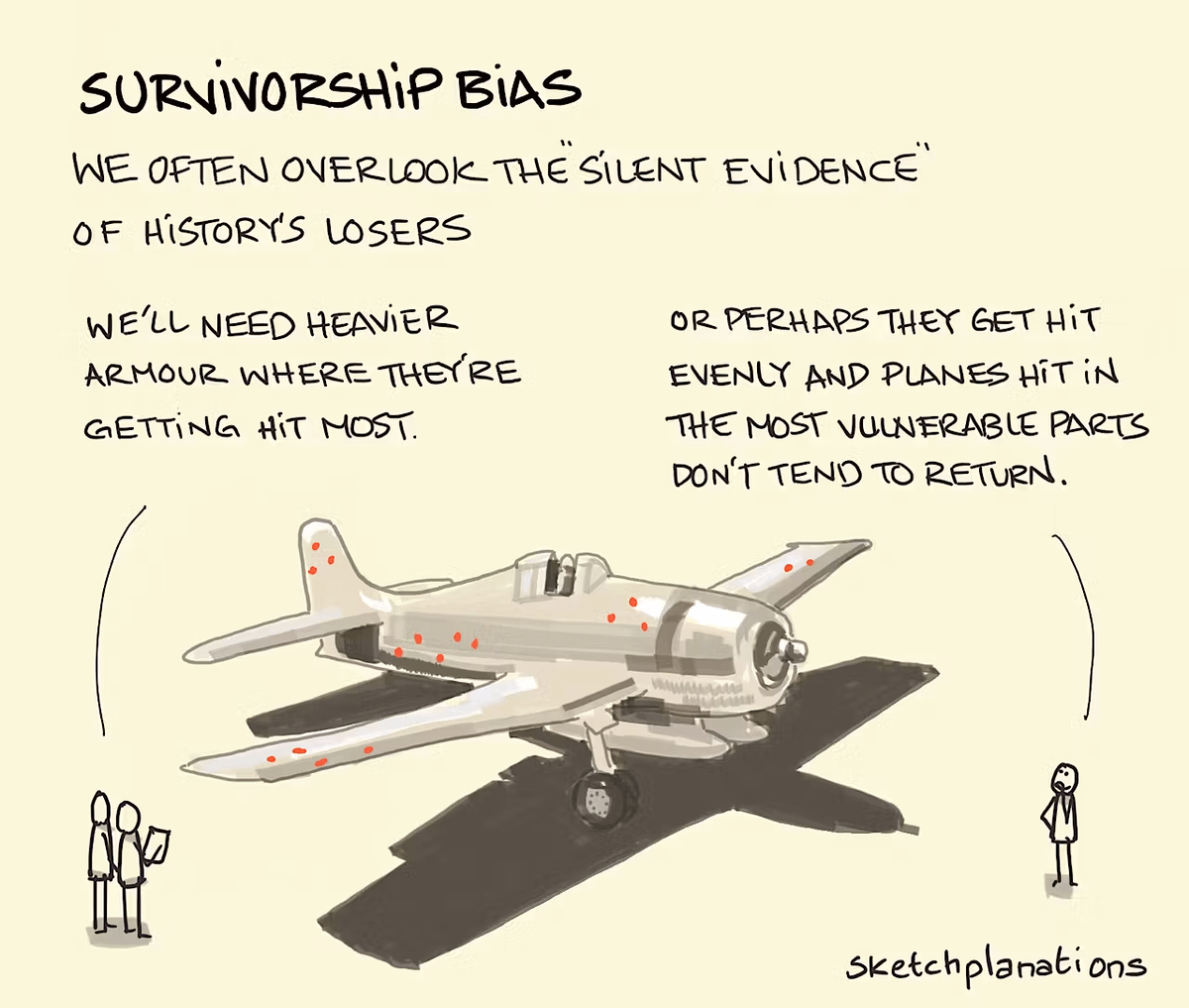
History is written by the victors.
Studying and learning from "survivors”—while systematically ignoring "casualties”—creates material distortions in our conclusions.
We overestimate the odds of success because we only read about successes.
5
Availability Bias
Humans evaluate situations based on the most readily available data.
This tends to be the data that can be quickly recalled from our memory. This is how the news cycle impacts our thinking.
Its persistent negativity cements a belief that the world is dark.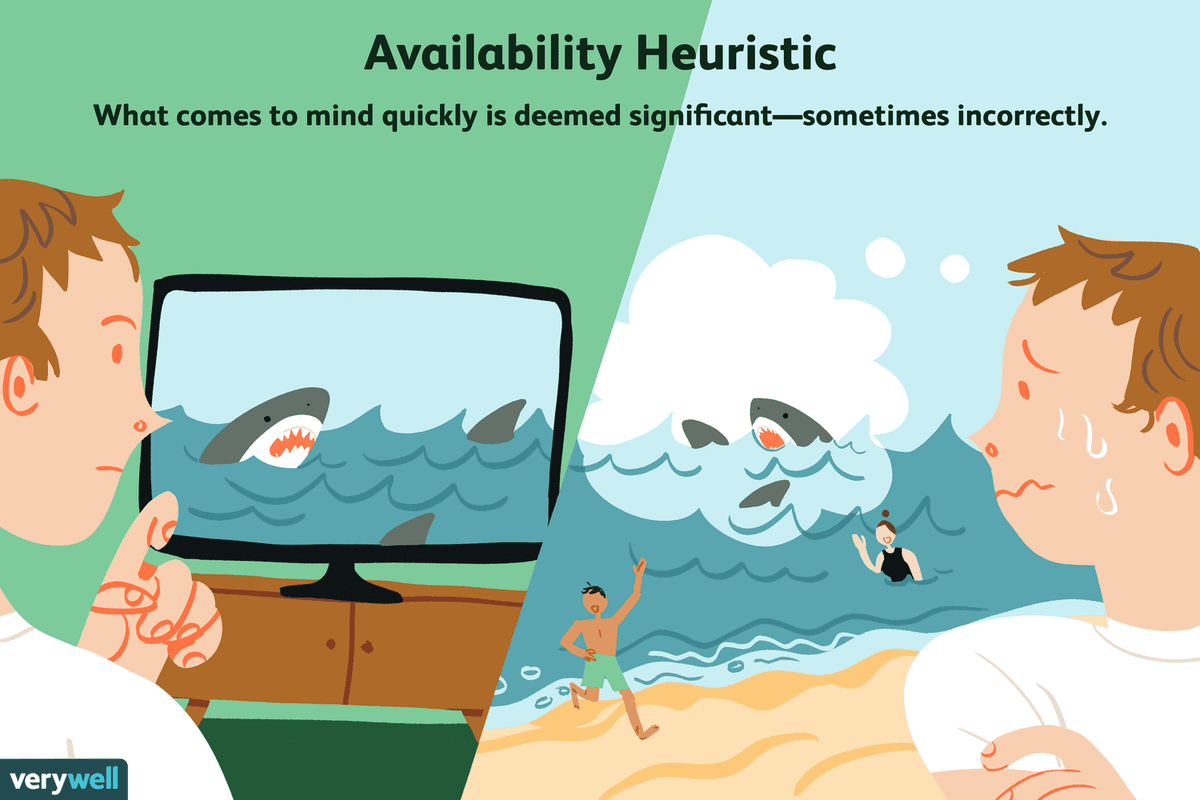
Humans evaluate situations based on the most readily available data.
This tends to be the data that can be quickly recalled from our memory. This is how the news cycle impacts our thinking.
Its persistent negativity cements a belief that the world is dark.
6
Twyman's Law
Notable data may be wrong.
Errors and manipulation are common with notable results. Boring data is more trustworthy.
Notable data may be wrong.
Errors and manipulation are common with notable results. Boring data is more trustworthy.
7
Fundamental Attribution Error
We judge others based on character, not context.
We judge ourselves based on context, not character.
Let's cut others some slack and hold ourselves accountable.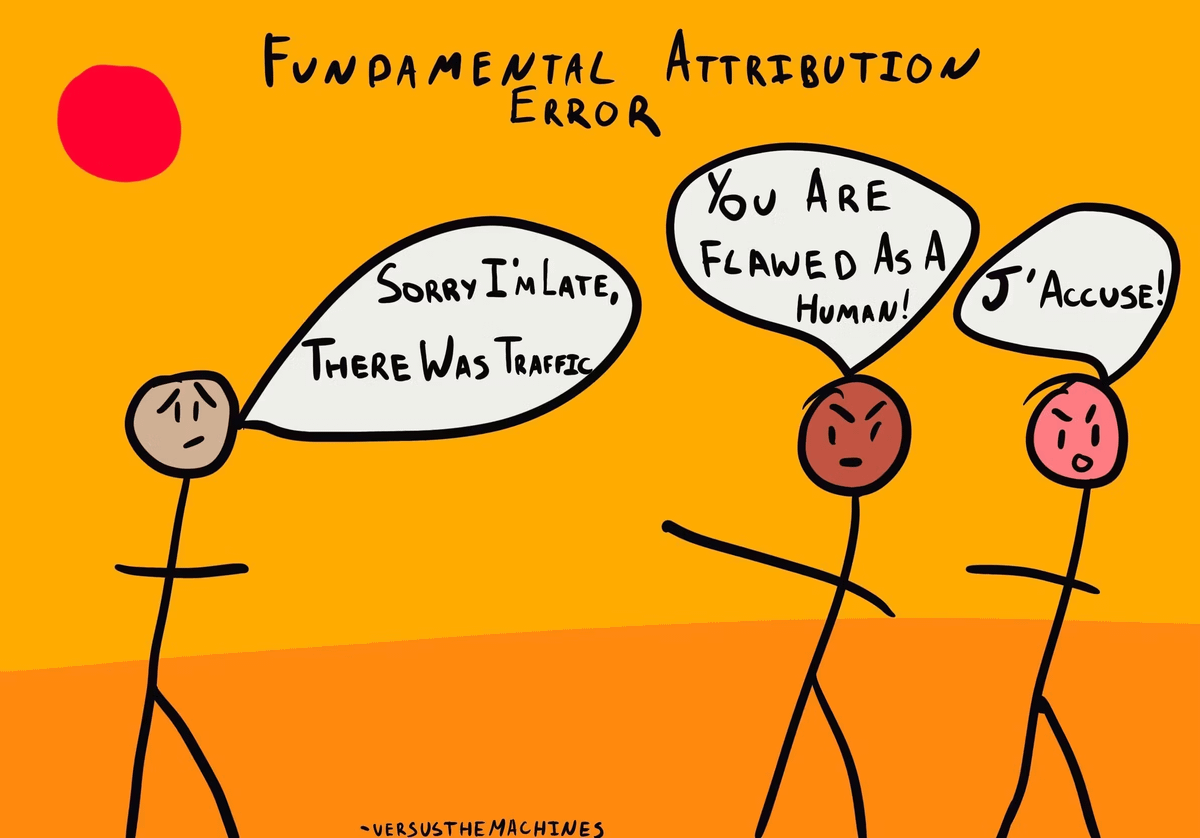
We judge others based on character, not context.
We judge ourselves based on context, not character.
Let's cut others some slack and hold ourselves accountable.
8
The peak-end rule
Humans tend to judge an experience based on how we felt at its peak. We don't judge it based on the average of the whole experience.
So we neglect key factors when we make decisions based on an event.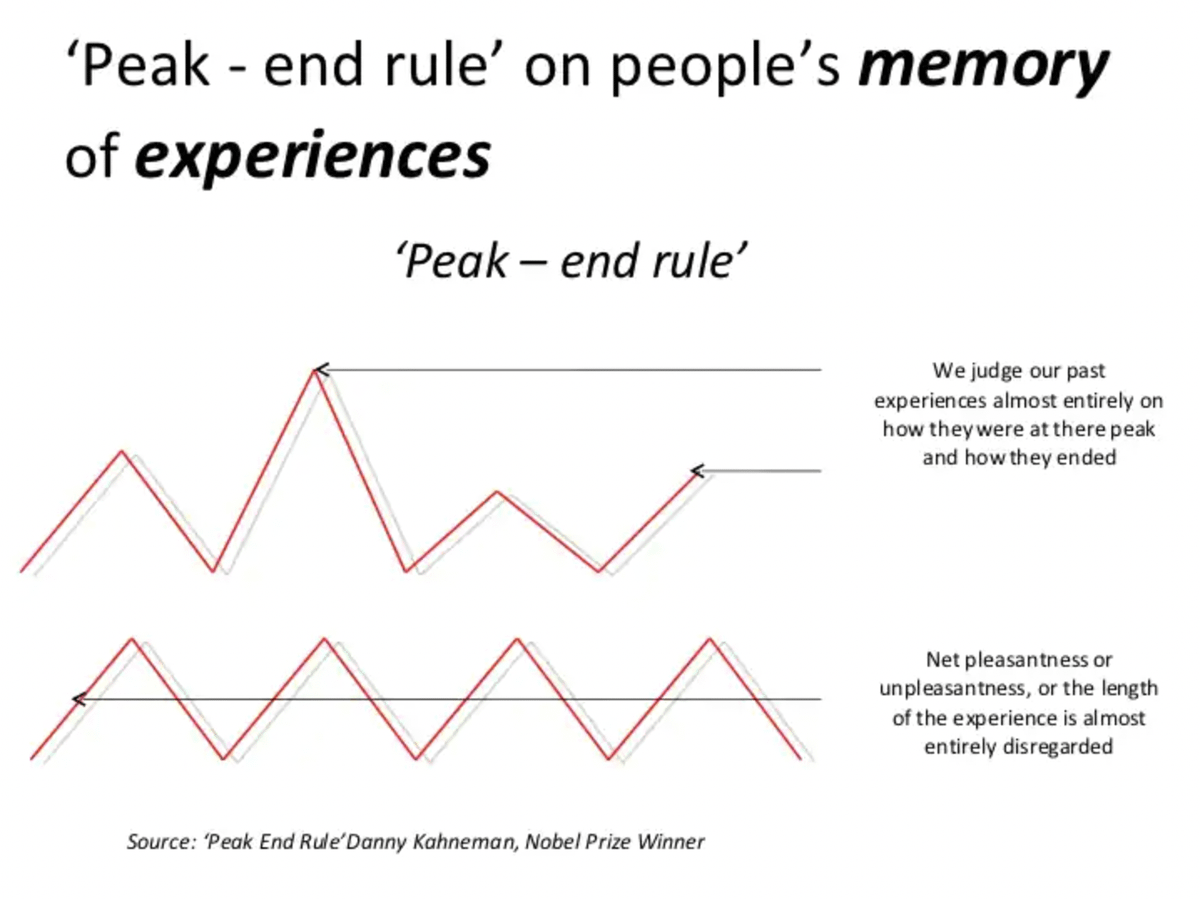
Humans tend to judge an experience based on how we felt at its peak. We don't judge it based on the average of the whole experience.
So we neglect key factors when we make decisions based on an event.
9
The Gambler's Fallacy
Humans are naturally bad with probabilities.
We have a tendency to believe that past events alter future outcomes—even when they clearly have no impact.
Ever thought you were "due for a win" in roulette? You're falling prey.
Humans are naturally bad with probabilities.
We have a tendency to believe that past events alter future outcomes—even when they clearly have no impact.
Ever thought you were "due for a win" in roulette? You're falling prey.
10
Entrenchment Effect
Humans have a damning tendency to use evidence in direct conflict with their position to strengthen their belief in that position further.
We dig in our heels and form a greater attachment to the idea.
We value being right over getting to the truth.
Humans have a damning tendency to use evidence in direct conflict with their position to strengthen their belief in that position further.
We dig in our heels and form a greater attachment to the idea.
We value being right over getting to the truth.
11
Tu Quoque
Latin for “you too” - attempting to discredit an opponent’s argument by pointing out personal behavior as being inconsistent with their argument.
Targeting the hypocrisy of the opponent. “Don’t question my integrity; look at all of the bad things you’ve done!”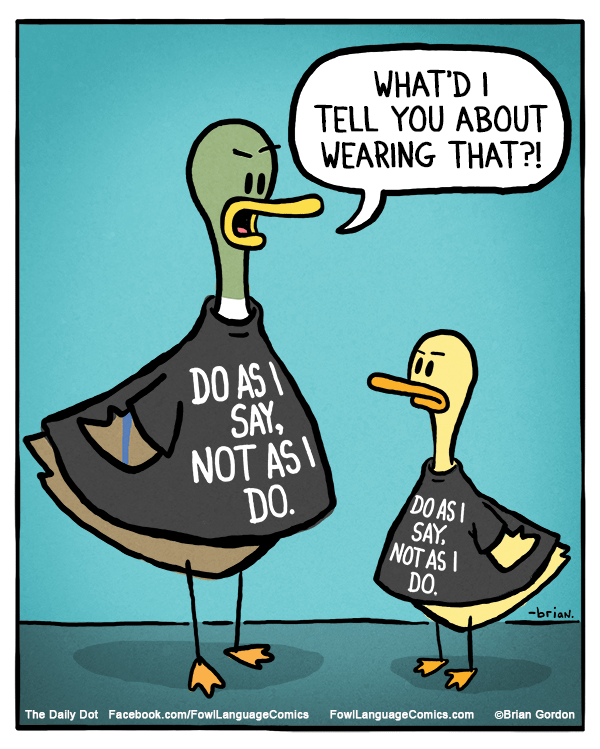
Latin for “you too” - attempting to discredit an opponent’s argument by pointing out personal behavior as being inconsistent with their argument.
Targeting the hypocrisy of the opponent. “Don’t question my integrity; look at all of the bad things you’ve done!”
12
Straw Man
The offender ignores the actual argument and replaces it with a flimsy, distorted, easily refuted argument (a “straw man”).
By replacing a strong argument with a weak one, the offender can create the illusion of an easy, swift victory.
The offender ignores the actual argument and replaces it with a flimsy, distorted, easily refuted argument (a “straw man”).
By replacing a strong argument with a weak one, the offender can create the illusion of an easy, swift victory.
13
If you want my collection of mental models, cognitive biases, and paradoxes, grab a copy of my product below.
Used by 1200+ people:
feynmanism.gumroad.com/l/mentalmodels
Used by 1200+ people:
feynmanism.gumroad.com/l/mentalmodels
14
I hope you've found this thread helpful.
Follow me @Feynmanism_ for more.
Like/Repost the quote below to share the word:
Follow me @Feynmanism_ for more.
Like/Repost the quote below to share the word:
15
If you enjoyed this content, consider giving @feynmanism a follow and check out my Feynman Technique Notion template:
feynmanism.gumroad.com/l/feynmantechn…
feynmanism.gumroad.com/l/feynmantechn…
