[THREAD] The 5 most common ways marketers and researchers lie with...

Ed Latimore@EdLatimore
18 views
Jan 04, 2026
~3 min read
Advertisement
1
[THREAD]
The 5 most common ways marketers and researchers lie with statistics
Today, I was able to flesh out my notes from "How to Lie With Statistics" using https://shortform/edlatimore
Here are 5 of the most common ways marketers lie and manipulate you with statistics
The 5 most common ways marketers and researchers lie with statistics
Today, I was able to flesh out my notes from "How to Lie With Statistics" using https://shortform/edlatimore
Here are 5 of the most common ways marketers lie and manipulate you with statistics
2
𝟏) 𝐌𝐢𝐬𝐥𝐞𝐚𝐝𝐢𝐧𝐠 𝐰𝐢𝐭𝐡 𝐛𝐚𝐝 𝐬𝐚𝐦𝐩𝐥𝐢𝐧𝐠
Honest statisticians use a representative sample of the population. Using the whole population is too resource-intensive.
To ensure the sample represents the whole, they're supposed to...
Honest statisticians use a representative sample of the population. Using the whole population is too resource-intensive.
To ensure the sample represents the whole, they're supposed to...
3
𝟏) Make sure it's large enough
𝟐) Random
Dishonest claims claims are found when the space used is too small or homogeneous for any definitive conclusion to be reached.
𝐄𝐱𝐚𝐦𝐩𝐥𝐞: Using only 40 fit people to test the effectiveness of a weight loss drug.
𝟐) Random
Dishonest claims claims are found when the space used is too small or homogeneous for any definitive conclusion to be reached.
𝐄𝐱𝐚𝐦𝐩𝐥𝐞: Using only 40 fit people to test the effectiveness of a weight loss drug.
4
𝟐) 𝐂𝐢𝐭𝐢𝐧𝐠 𝐦𝐢𝐬𝐥𝐞𝐚𝐝𝐢𝐧𝐠 𝐚𝐯𝐞𝐫𝐚𝐠𝐞𝐬
Liars use say "average" without specifying if they mean "mean" or "median."
Mean: add all numbers in a sample and divide by the number of samples.
Median: add all the numbers in the set and divide by 2 to find the middle.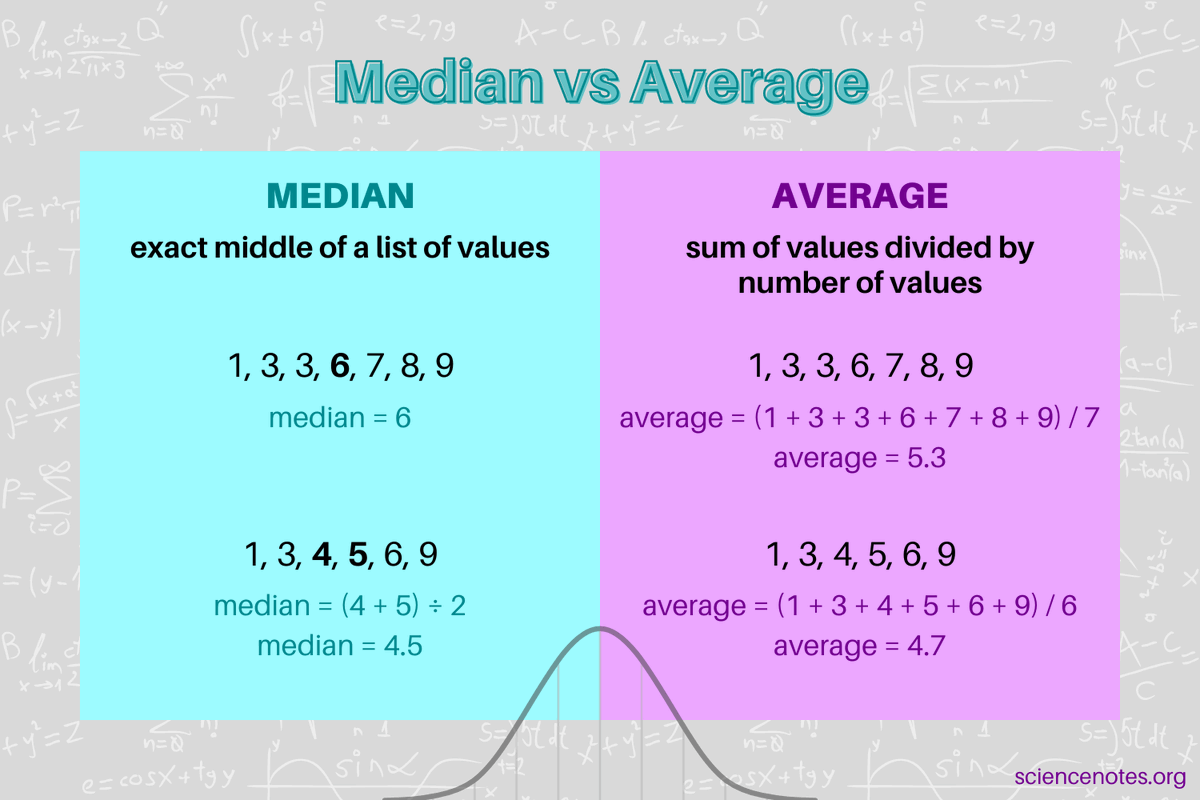
Liars use say "average" without specifying if they mean "mean" or "median."
Mean: add all numbers in a sample and divide by the number of samples.
Median: add all the numbers in the set and divide by 2 to find the middle.
5
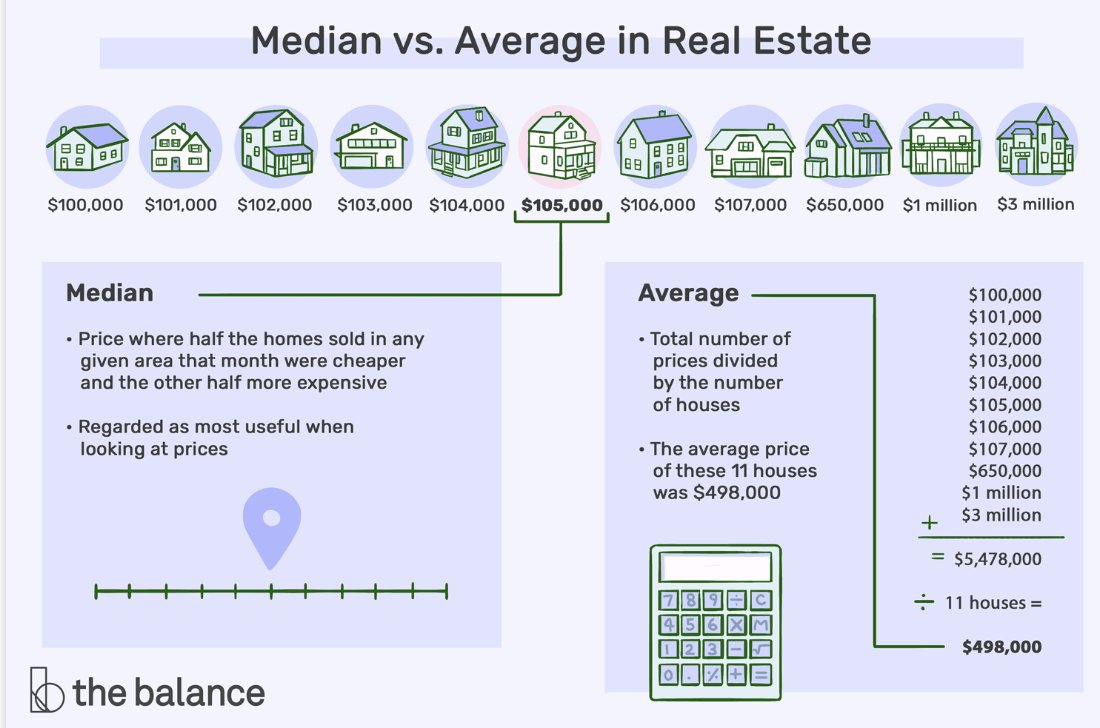
𝐄𝐱𝐚𝐦𝐩𝐥𝐞: The news is notorious for interchanging the mean and median when discussing income or prices in America.
6
𝟑) 𝐆𝐢𝐯𝐢𝐧𝐠 𝐩𝐫𝐞𝐜𝐢𝐬𝐞 𝐧𝐮𝐦𝐛𝐞𝐫𝐬 𝐭𝐨 𝐚𝐩𝐩𝐞𝐚𝐫 𝐦𝐨𝐫𝐞 𝐫𝐞𝐩𝐮𝐭𝐚𝐛𝐥𝐞
Sometimes marketers will produce a decimal where there isn't one OR is difficult to produce one.
I once argued with the teacher of a student I tutored over this...
Sometimes marketers will produce a decimal where there isn't one OR is difficult to produce one.
I once argued with the teacher of a student I tutored over this...
7
He marked her answer wrong for not including the right amount of significant figures.
You can't ask for more significant figures than the inputs. If I ask you for the sum of the weights "12.7" and "13.5," you can't answer "25.12."
There isn't enough precision in the inputs.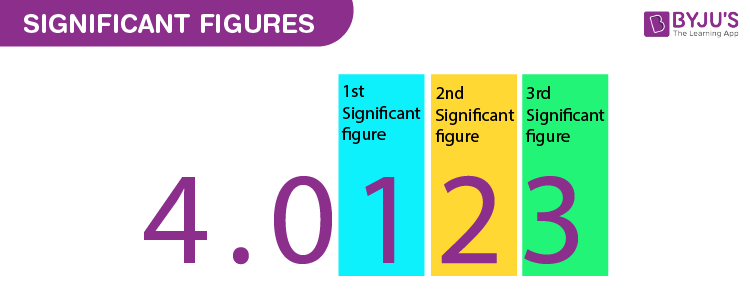
You can't ask for more significant figures than the inputs. If I ask you for the sum of the weights "12.7" and "13.5," you can't answer "25.12."
There isn't enough precision in the inputs.
8
𝐄𝐱𝐚𝐦𝐩𝐥𝐞: If you ask people how much they spend on groceries each month, they likely won't remember the exact numbers. But when calculating averages (either), a decimal will appear.
Unless the inputs have an equal level of precision, including that decimal, is WRONG.
Unless the inputs have an equal level of precision, including that decimal, is WRONG.
9
𝟒) 𝐏𝐞𝐫𝐜𝐞𝐧𝐭𝐚𝐠𝐞𝐬 𝐭𝐨 𝐡𝐢𝐝𝐞 𝐫𝐚𝐰 𝐝𝐚𝐭𝐚
If someone says that the price has increased 100%, ask for the exact quantity.
Going from 1 to 2 is the same percentage increase as 1000 to 2000.
Spotting this one just requires asking questions.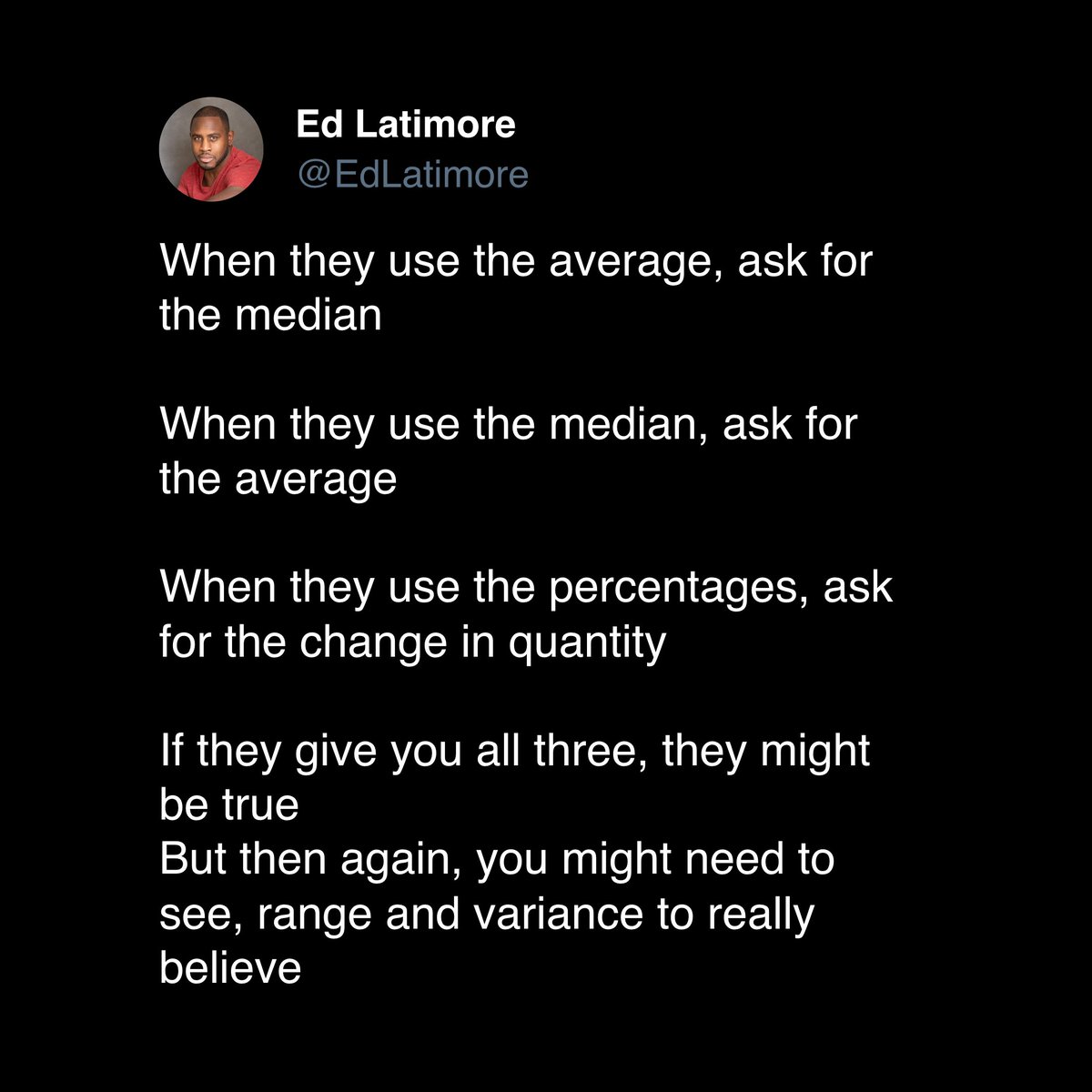
If someone says that the price has increased 100%, ask for the exact quantity.
Going from 1 to 2 is the same percentage increase as 1000 to 2000.
Spotting this one just requires asking questions.
10
𝟓) 𝐔𝐬𝐢𝐧𝐠 𝐝𝐢𝐟𝐟𝐞𝐫𝐞𝐧𝐭 𝐛𝐚𝐬𝐞𝐬
This is a trick that even intelligent people fall for.
Percentages are ratios, i.e., fractions. You can't just add/subtract fractions.
They need the same denominator or "base"
The example demonstrates this problem better.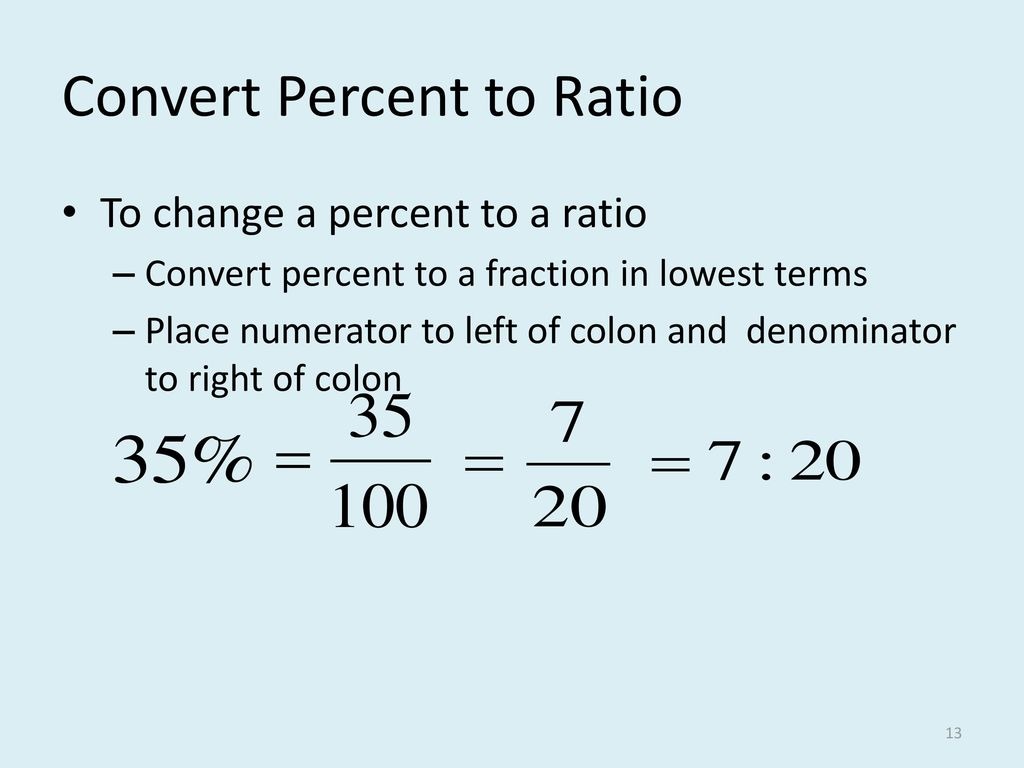
This is a trick that even intelligent people fall for.
Percentages are ratios, i.e., fractions. You can't just add/subtract fractions.
They need the same denominator or "base"
The example demonstrates this problem better.
11
Quick math problem:
A town has only two colors of car: 85% are blue and 15% are green. A person witnesses a hit-and-run and says they saw a green car.
If witnesses correctly identify the color of cars 80% of the time, what are the chances the car is green?
If you said 80%...
A town has only two colors of car: 85% are blue and 15% are green. A person witnesses a hit-and-run and says they saw a green car.
If witnesses correctly identify the color of cars 80% of the time, what are the chances the car is green?
If you said 80%...
12
You're wrong. Don't feel bad.
The correct answer (41%) uses Bayes Theorem. Even if you know what that is without Google, your intuitive brain (i.e., "Fast thinking) doesn't.
So this mistake and others like it are commonly made.
The correct answer (41%) uses Bayes Theorem. Even if you know what that is without Google, your intuitive brain (i.e., "Fast thinking) doesn't.
So this mistake and others like it are commonly made.
13
If you got something out of this thread, check out shortform.com/edlatimore.
Yes, it's an affiliate link, but it's more than a book summary page. It definitely helped me clarify and understand of the concepts in this book and others!
Or just RT and share the thread!
Yes, it's an affiliate link, but it's more than a book summary page. It definitely helped me clarify and understand of the concepts in this book and others!
Or just RT and share the thread!
14
Correction on this slide.
Median is the mid point of the samples if they are arranged in order.
Median is the mid point of the samples if they are arranged in order.
