From 2006-2010, Carol Danvers starred in her second solo series as...

Sequential Scholars@seqscholars
29 views
Jul 10, 2024
~3 min read
Advertisement
1
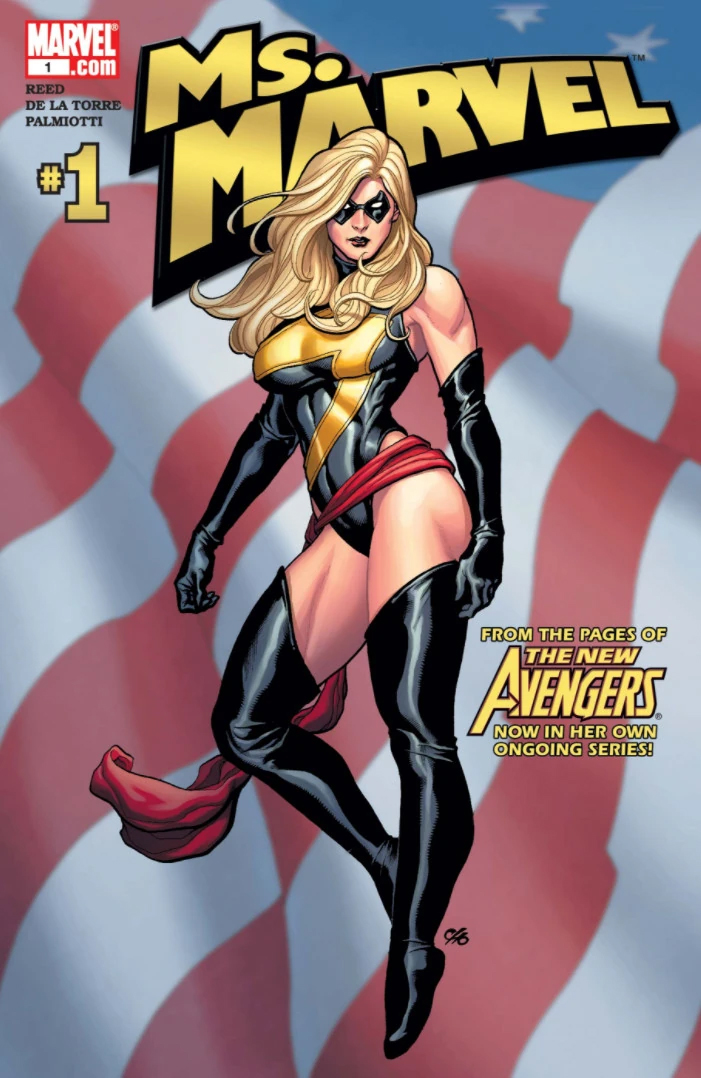
From 2006-2010, Carol Danvers starred in her second solo series as Ms. Marvel, written by Brian Reed & originally pencilled by Roberto De La Torre. While the stories do try to emphasize female empowerment, it is a decidedly postfeminist vision. 1/12 #CaptainMarvel #TheMarvels
2
Let’s start with the costume. Danvers’ black costume, which was designed by Dave Cockrum, was introduced in the final issues of her original solo series (1978's Ms. Marvel #20). Charitably, the costume represents an attempt to underscore Danvers’ individuality & agency. 2/12

3
Danvers’ original Ms. Marvel costume is inspired by the male Captain Marvel. Because Ms. Marvel’s powers are also derived from Captain Marvel, this impacts her individuality. The costume presents her as an offshoot of Captain Marvel who owes her existence to him. 3/12

4
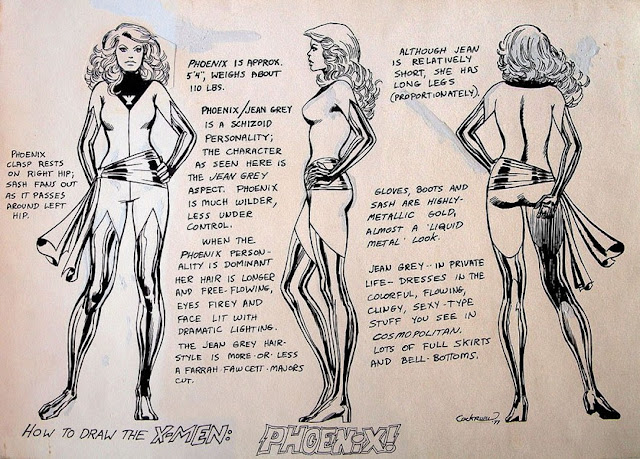
Cockrum’s redesign can be compared to his previous redesign of Jean Grey as Phoenix. Both costumes offer individualized, iconic looks that incorporate logos reflecting the characters' powers and identity. In Danvers’ case, the lightning bolt references her energy powers. 4/12

5
However, the increased sexualization of the costume is obvious. The gloves & boots reference fetish wear, and even as Danvers’ dialogue indicates she finds the new costume empowering, the mirror offers the reader a privileged view of her pin-up pose from multiple angles. 5/12

6
This framing of objectification as empowerment is common within the postfeminist culture of the 1990s & early 2000s. This context may have contributed to Danver donning the black costume for her 2006 series after wearing it only intermittently during the previous 20+ years. 6/12

7
To be clear, there is nothing inherently “wrong” with sexualized costumes. In some cases, they proclaim agency in the face of misogynistic prudery. However, it’s worth asking who the sexualization is for—does it serve the character & story, or simply cater to the male gaze? 7/12

8
To this end, we can compare the framing of Ms. Marvel as an aspirational ideal in 1977 vs 2006. In 1977, lifting a car inspires a young girl. In 2006, she pulls the same move to an audience comprised solely of awestruck little boys, none of whom express a desire to *be* her. 8/12

9
In addition, many images from the 2006 Ms. Marvel series engage in sexualized bondage & humiliation that underscores the fetishistic qualities of the costume, maximizes skin exposure, and presents the title character as constantly at the mercy of sexualized threats. 9/12

10
We can also consider the version of female empowerment that’s presented in 1977 vs 2006. In 1977, Danvers works for a feminist magazine. In 2006, she focuses on her personal brand, and fighting the patriarchy means occasionally shooting energy bolts at men’s crotches. 10/12

11
In other words, the version of female empowerment presented in 2006 is more focused on individual power rather than community or institutional critique. This again reflects the logic of postfeminism, which typically views feminist organizing as antiquated & unnecessary. 11/12

12
The 2006 Ms. Marvel does some good things, including helping restore Danvers to prominence after decades in the background. But given Danvers’ foundational association with feminism, considering which versions of empowerment she reflects in which eras is always valuable. 12/12
