You need to be wildly optimistic. People who use more positive...

Siim Land@siimland
2 views
Jul 06, 2026
Advertisement
1
You need to be wildly optimistic.
People who use more positive emotional language in autobiographies live longer (PMID: 11374751).
A 2019 meta-analysis of 229,000+ people found that optimists had 13% lower all-cause mortality and about 35% fewer cardiovascular events (PMID: 31560385)
Optimism may be one of the healthiest cognitive biases we have.
People who use more positive emotional language in autobiographies live longer (PMID: 11374751).
A 2019 meta-analysis of 229,000+ people found that optimists had 13% lower all-cause mortality and about 35% fewer cardiovascular events (PMID: 31560385)
Optimism may be one of the healthiest cognitive biases we have.

2
Psychologists Taylor and Brown found that mentally healthy people often have "positive illusions":
- slightly inflated self-belief
- a stronger sense of control than reality warrants
- mildly unrealistic optimism about the future
These positive illusions improve resilience, perseverance, motivation, and well-being.
PMID: 3283814
- slightly inflated self-belief
- a stronger sense of control than reality warrants
- mildly unrealistic optimism about the future
These positive illusions improve resilience, perseverance, motivation, and well-being.
PMID: 3283814
3
People with mild optimistic biases tend to report:
- less chronic stress
- lower anxiety and depression
- greater perseverance after setbacks
- better coping during adversity
- more confidence pursuing long-term goals
These psychological traits translate into healthier behaviors over decades.
- less chronic stress
- lower anxiety and depression
- greater perseverance after setbacks
- better coping during adversity
- more confidence pursuing long-term goals
These psychological traits translate into healthier behaviors over decades.
4
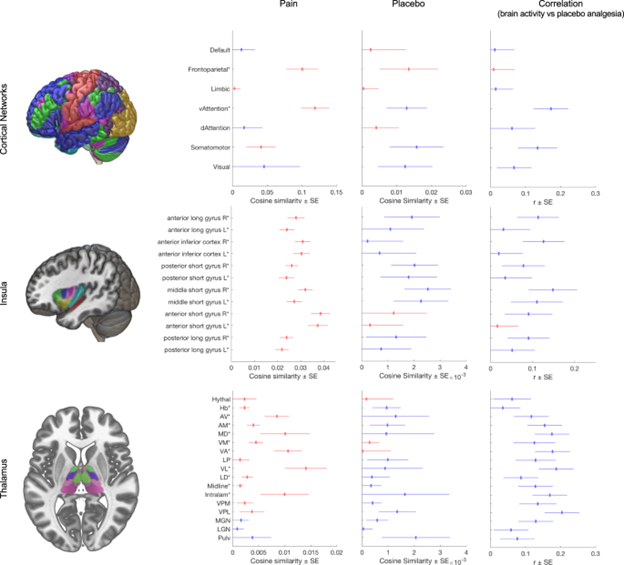
The placebo effect is another example of this
Simply believing you’re being treated can measurably reduce the brain’s pain processing.
MRI scans across 20 studies show that placebo treatment reduces activity in pain-processing brain regions.
Full video on placebo: youtu.be/YDOd3r_IpDc
Study: PMID: 33654105
Simply believing you’re being treated can measurably reduce the brain’s pain processing.
MRI scans across 20 studies show that placebo treatment reduces activity in pain-processing brain regions.
Full video on placebo: youtu.be/YDOd3r_IpDc
Study: PMID: 33654105
5
There is a limit, however.
Extreme optimism can backfire if it makes you:
- Ignore health symptoms
- Skip medical screenings or treatments
- Underestimate risks
- Gamble or take unnecessary risks
- Refuse to update your beliefs when evidence changes
The sweet spot seems to be optimistic enough to persevere, but realistic enough to adapt.
PMID: 26045714
Extreme optimism can backfire if it makes you:
- Ignore health symptoms
- Skip medical screenings or treatments
- Underestimate risks
- Gamble or take unnecessary risks
- Refuse to update your beliefs when evidence changes
The sweet spot seems to be optimistic enough to persevere, but realistic enough to adapt.
PMID: 26045714
6
Discover your health %-ile and get your roadmap to Top 1% Health: skool.com/top1health/