Researchers have called it a “miracle molecule” It supports...

Dalton (Analyze & Optimize)@Outdoctrination
97 views
Mar 07, 2025
~7 min read
1
Researchers have called it a “miracle molecule”
It supports digestion through its incredible antibacterial, antifungal, and anti-inflammatory properties.
It’s even treated colon cancer and Crohn’s.
Why LACTOFERRIN might just be the answer to your gut problems:
It supports digestion through its incredible antibacterial, antifungal, and anti-inflammatory properties.
It’s even treated colon cancer and Crohn’s.
Why LACTOFERRIN might just be the answer to your gut problems:
2
Lactoferrin was known to prevent and even cure cancer in the digestive tract of animals, and a research group decided to apply this in humans.
Patients given 3 grams of lactoferrin had their colon tumors slow in growth significantly.
These intestinal benefits of lactoferrin were astonishing to say the least.
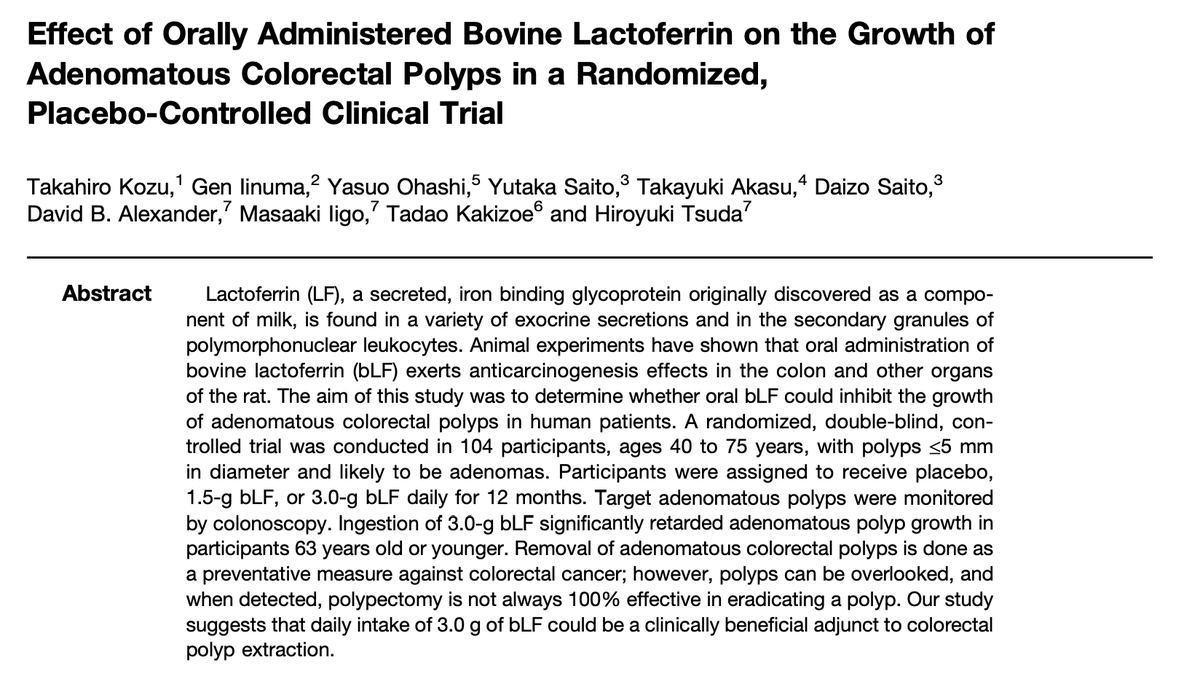

Patients given 3 grams of lactoferrin had their colon tumors slow in growth significantly.
These intestinal benefits of lactoferrin were astonishing to say the least.
3
A 22 year old young man with severe Crohn’s disease caught wind of these results.
He just moved to the United States and had lost access to the hefty medications he was on.
He decided to try 1 gram of lactoferrin daily for himself.
Cured, with no other treatment.
He just moved to the United States and had lost access to the hefty medications he was on.
He decided to try 1 gram of lactoferrin daily for himself.
Cured, with no other treatment.
4
Its prowess doesn’t stop there.
People given 3 grams of lactoferrin daily experienced 50% fewer incidences of (antibiotic-associated) diarrhea, and this effect seemed to pop up in as little as 2 weeks of the protocol.
This is an amazing result, and further demonstrates just how protective lactoferrin can be for the gut!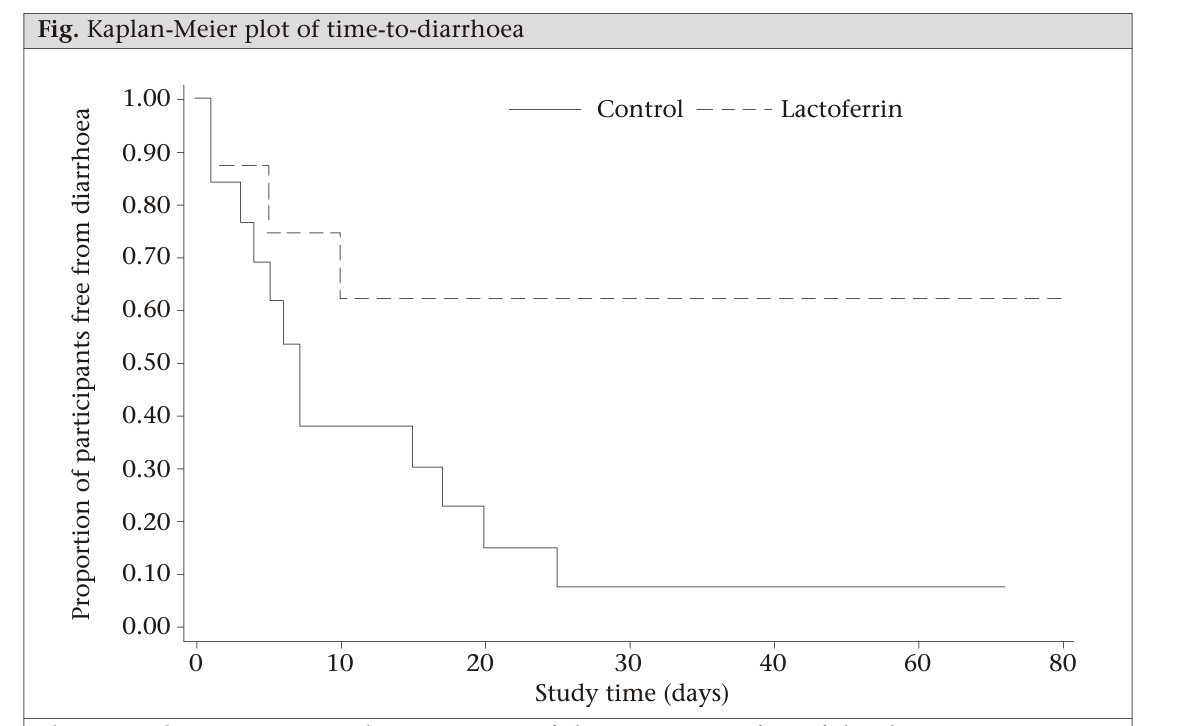
People given 3 grams of lactoferrin daily experienced 50% fewer incidences of (antibiotic-associated) diarrhea, and this effect seemed to pop up in as little as 2 weeks of the protocol.
This is an amazing result, and further demonstrates just how protective lactoferrin can be for the gut!
5
Lower doses of lactoferrin are still a godsend for severe digestive symptoms.
Another study showed lactoferrin at 600 mg daily was able to protect children against debilitating digestive symptoms nausea, diarrhea and abdominal pain.
While one report of children who consumed lactoferrin at just 100 mg per day showed a reduction in vomiting and gut inflammation.
Lactoferrin at just 100 mg/day was also able to help with Crohn’s disease, significantly decreasing levels of interleukin-6 (IL-6) and hepcidin, inflammatory markers critical in this condition.


Another study showed lactoferrin at 600 mg daily was able to protect children against debilitating digestive symptoms nausea, diarrhea and abdominal pain.
While one report of children who consumed lactoferrin at just 100 mg per day showed a reduction in vomiting and gut inflammation.
Lactoferrin at just 100 mg/day was also able to help with Crohn’s disease, significantly decreasing levels of interleukin-6 (IL-6) and hepcidin, inflammatory markers critical in this condition.
6
But how is this all possible?
Lactoferrin is a protein that is found mainly in MILK, at its highest concentrations in colostrum, the milk the mother produces when lactation first begins.
This milk needs to be incredibly enriched in regenerative components for the offspring to survive and develop at this most crucial period.
Bovine colostrum has been consumed for thousands of years for its God-like medicinal properties, with Cleopatra being said to use it as it was seen as an immortal ingredient.

Lactoferrin is a protein that is found mainly in MILK, at its highest concentrations in colostrum, the milk the mother produces when lactation first begins.
This milk needs to be incredibly enriched in regenerative components for the offspring to survive and develop at this most crucial period.
Bovine colostrum has been consumed for thousands of years for its God-like medicinal properties, with Cleopatra being said to use it as it was seen as an immortal ingredient.
7
Lactoferrin is critically important for its regulation of IRON.
While iron is of course essential, it is a double edged sword.
It can fuel numerous problems, especially in the digestive tract, like oxidative stress, inflammation and bacterial overgrowth in the gut when it is not tightly regulated by the body.
We go deep into the role of iron on gut health here: x.com/Outdoctrinatio…
While iron is of course essential, it is a double edged sword.
It can fuel numerous problems, especially in the digestive tract, like oxidative stress, inflammation and bacterial overgrowth in the gut when it is not tightly regulated by the body.
We go deep into the role of iron on gut health here: x.com/Outdoctrinatio…
8
Lactoferrin is critical for chelating and ENHANCING intestinal absorption of iron.
This is critical because when iron is unabsorbed it is left in the gut where it causes these issues.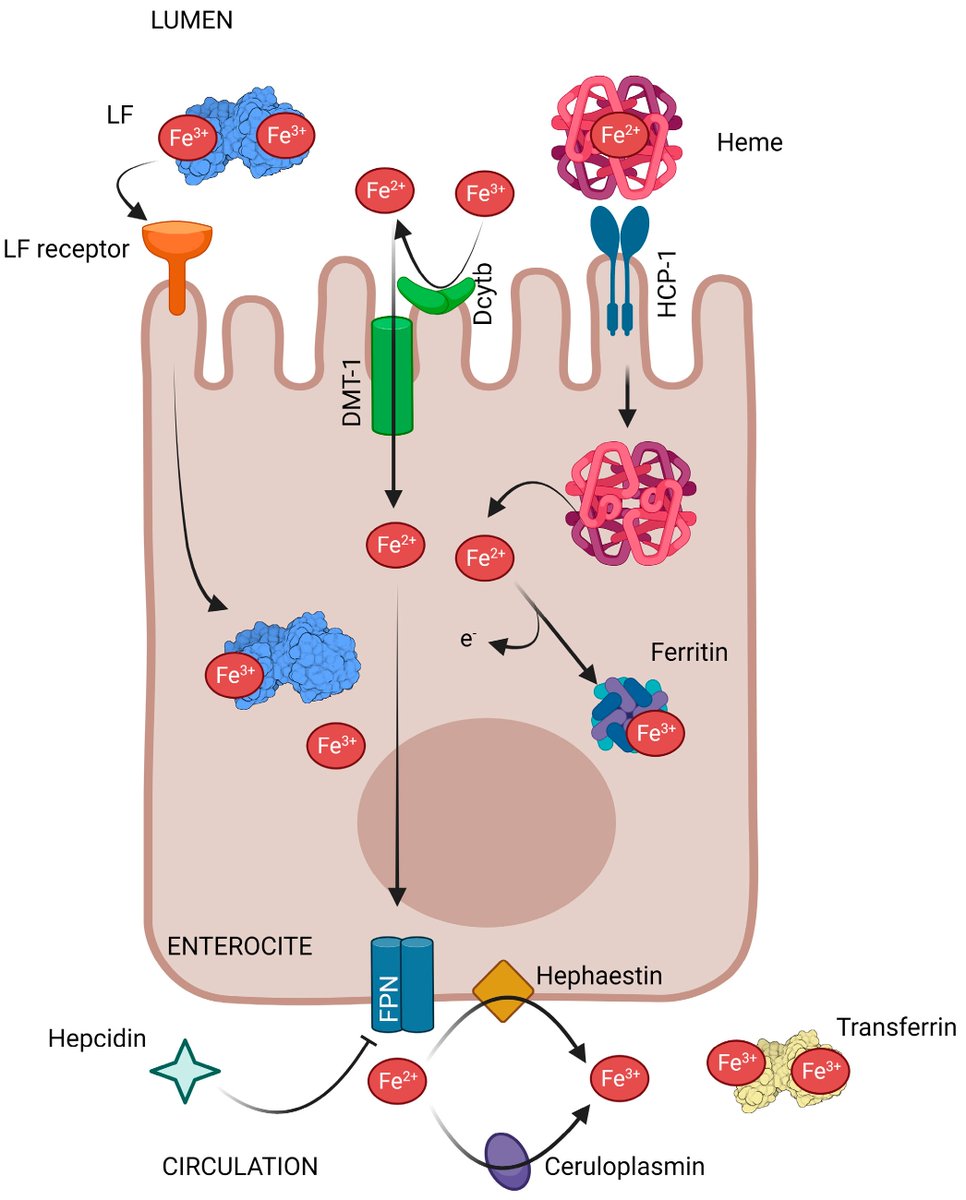
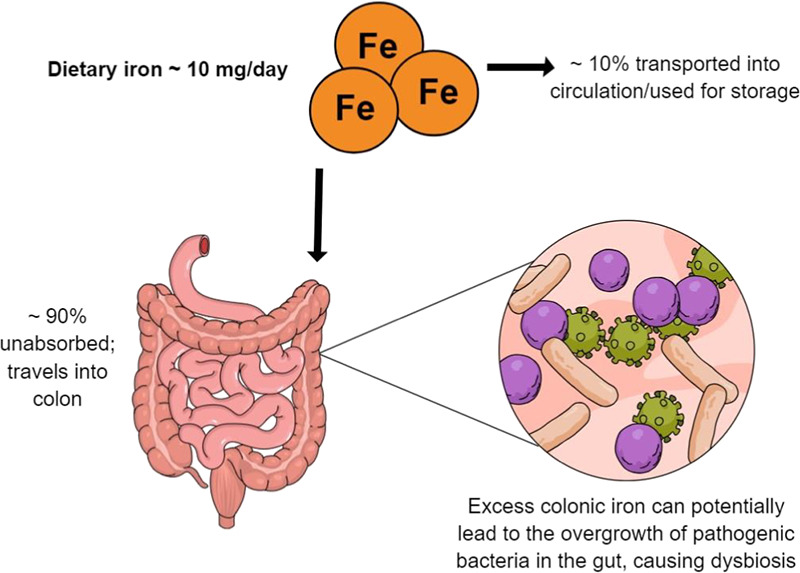
This is critical because when iron is unabsorbed it is left in the gut where it causes these issues.
9
Lactoferrin acts as an iron transporter and thus REDUCES oxidative damage in the nervous system (think of iron literally rusting on your most vital tissues).
It also boosts the expression of the famous BDNF in the gut, which allows the gut’s nervous system to regenerate properly.
These gut based nerves are responsible for perceiving digestive symptoms, as well as numerous regulating motility which is impaired in digestive distress.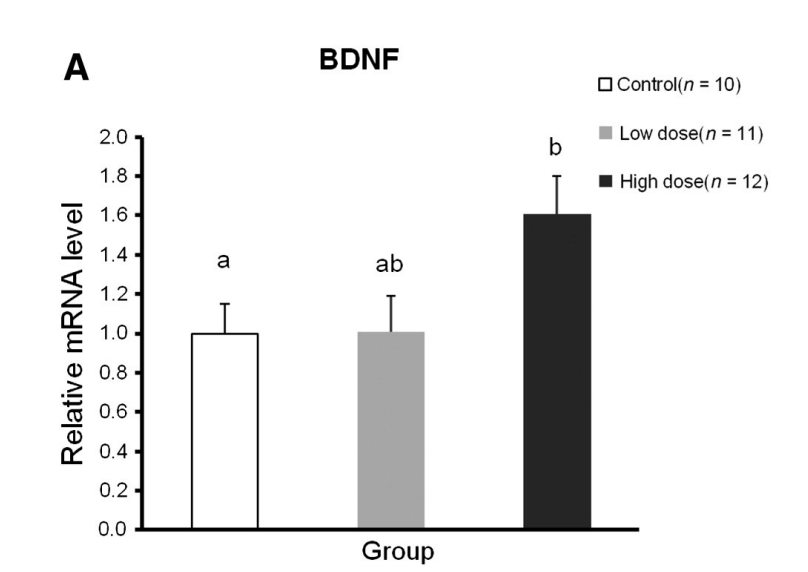
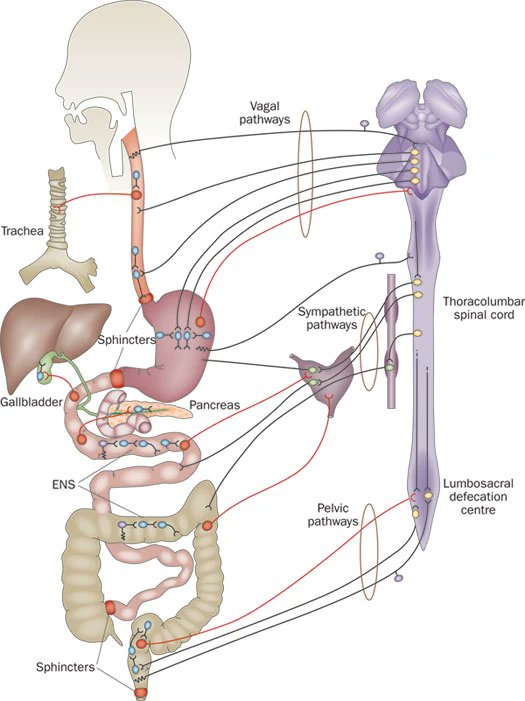
It also boosts the expression of the famous BDNF in the gut, which allows the gut’s nervous system to regenerate properly.
These gut based nerves are responsible for perceiving digestive symptoms, as well as numerous regulating motility which is impaired in digestive distress.
10
But the ultimate root cause of these digestive conditions is typically bacterial.
Lactoferrin has potent antibacterial effects, in part by binding with free iron.
This deprives more pathogenic bacteria like E. coli of this essential growth element, while actually providing iron to some commensal bacteria like Lactobacillus or Bifidobacterium, which have lower iron requirements.
This ability of lactoferrin to selectively target the more iron hungry pathogenic bugs is HUGE.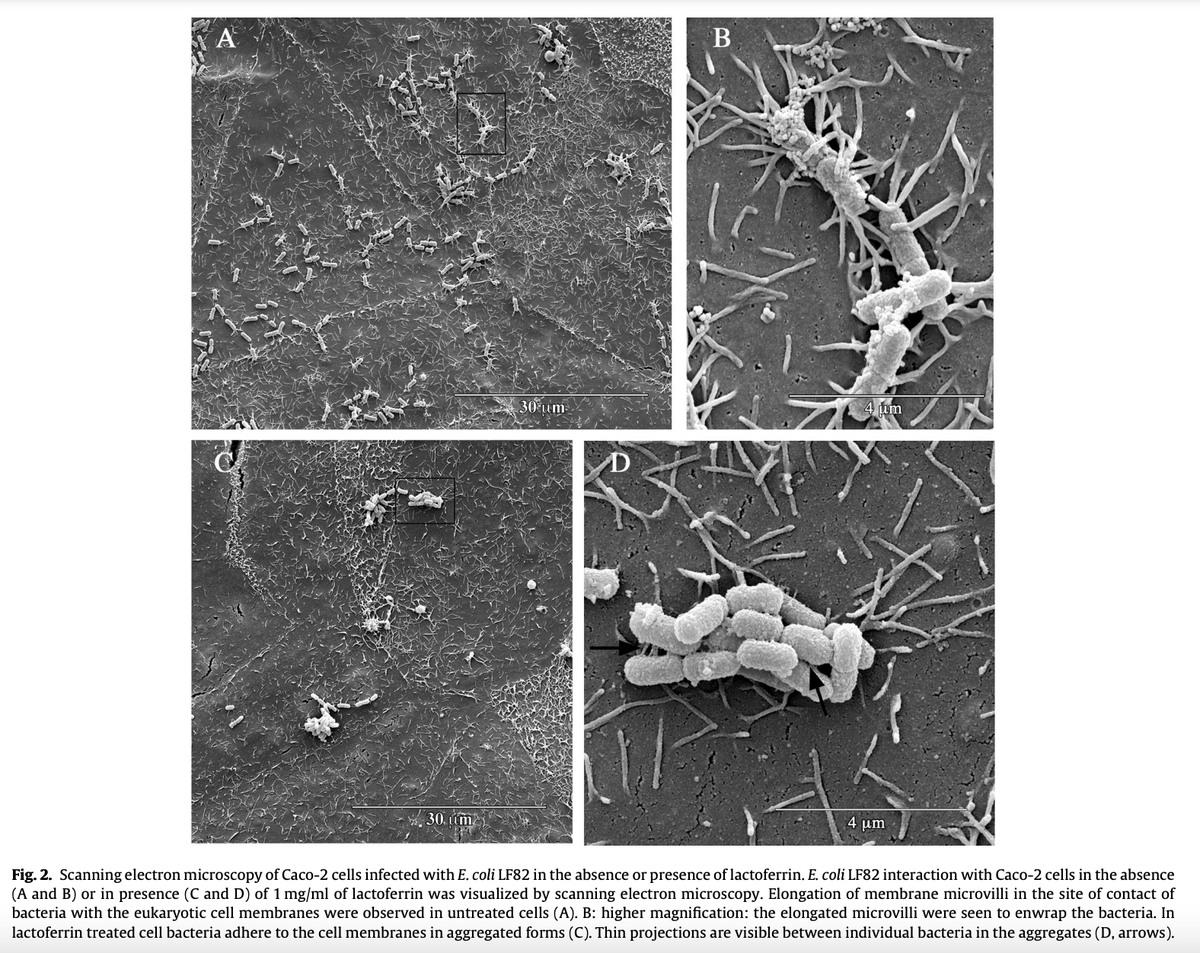
Lactoferrin has potent antibacterial effects, in part by binding with free iron.
This deprives more pathogenic bacteria like E. coli of this essential growth element, while actually providing iron to some commensal bacteria like Lactobacillus or Bifidobacterium, which have lower iron requirements.
This ability of lactoferrin to selectively target the more iron hungry pathogenic bugs is HUGE.
11
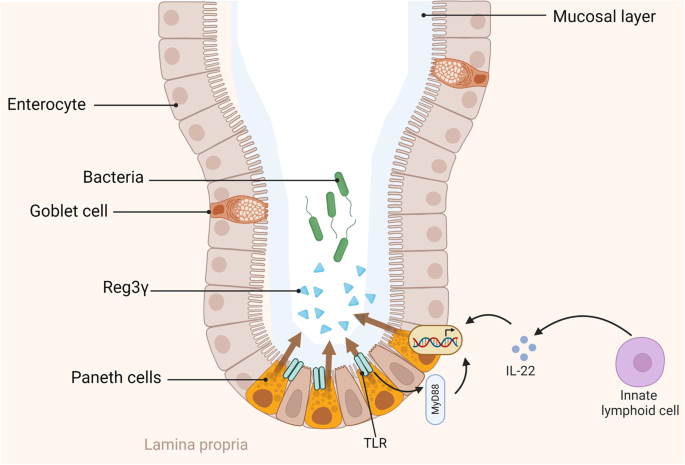
Beyond just iron chelation, lactoferrin also has direct antimicrobial properties by disrupting bacterial cell membranes, and increasing the activity of serine protease and antimicrobial peptides like RegIII𝛾, enzymes which shred up bacteria.
12
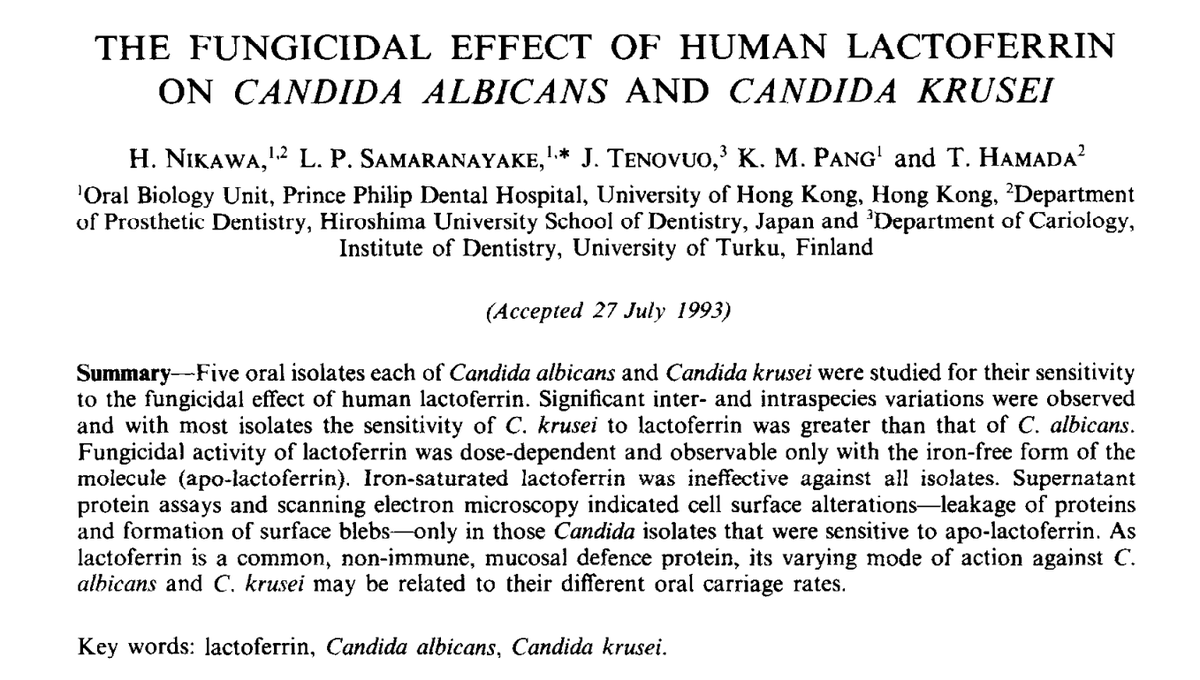
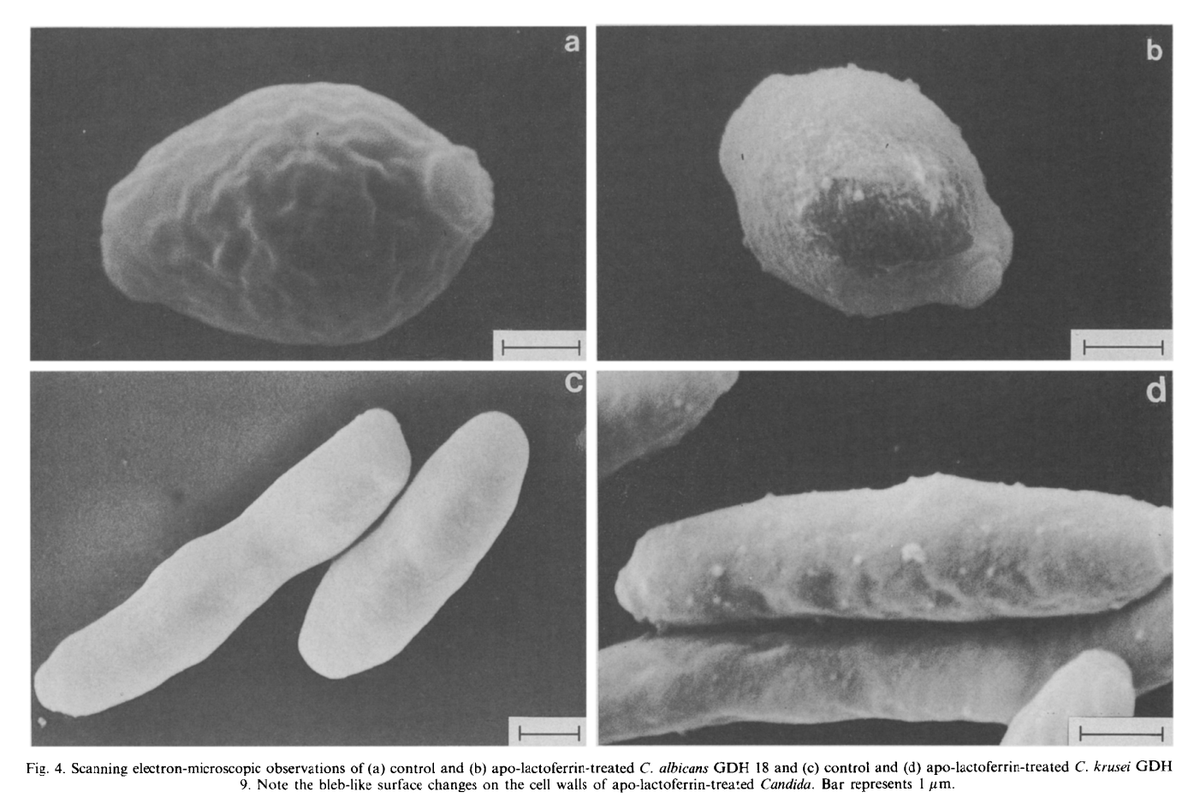
Lactoferrin has even been found to be effective against a variety of Candida species, an infamous fungus that causes gut and systemic infections in humans, even enhancing the efficacy of traditional antifungals like fluconazole against strains that have become resistant to them.
13
The intestinal epithelial is an incredibly diverse and multifaceted system.
It forms a protective barrier against harmful antigens and infectious pathogens.
It also acts as a facilitator of interaction between the gut antigens like bacteria and the immune cells, produces protective mucus critical for preventing inflammation, and antimicrobial peptides, molecular bullets that destroy bacteria.
Lactoferrin is essential for both the creation and the differentiation of the intestinal epithelial into all of the cellular subtypes necessary to keep the gut functioning properly.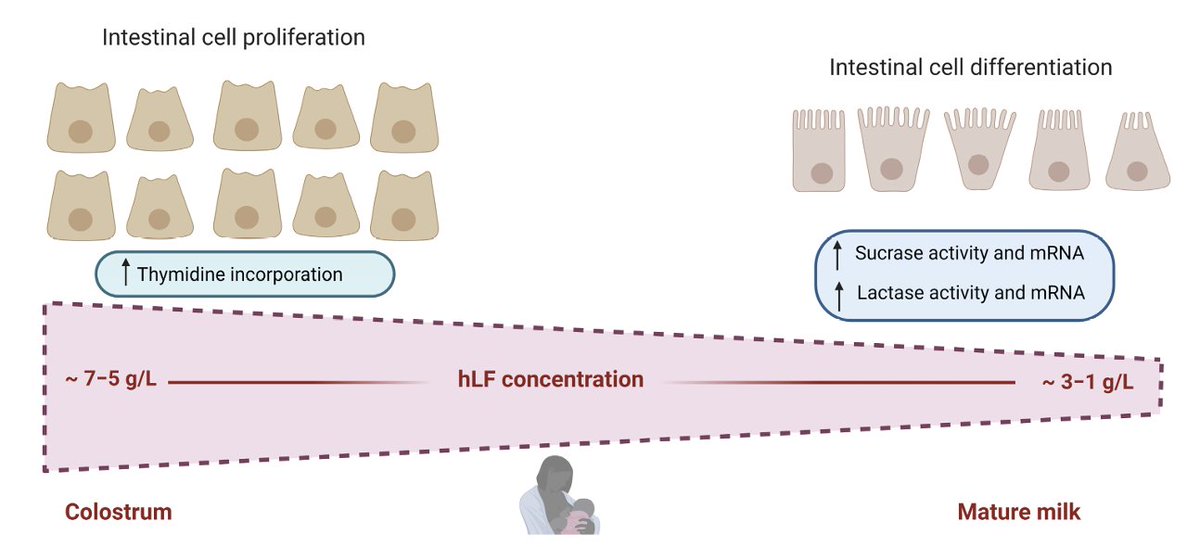
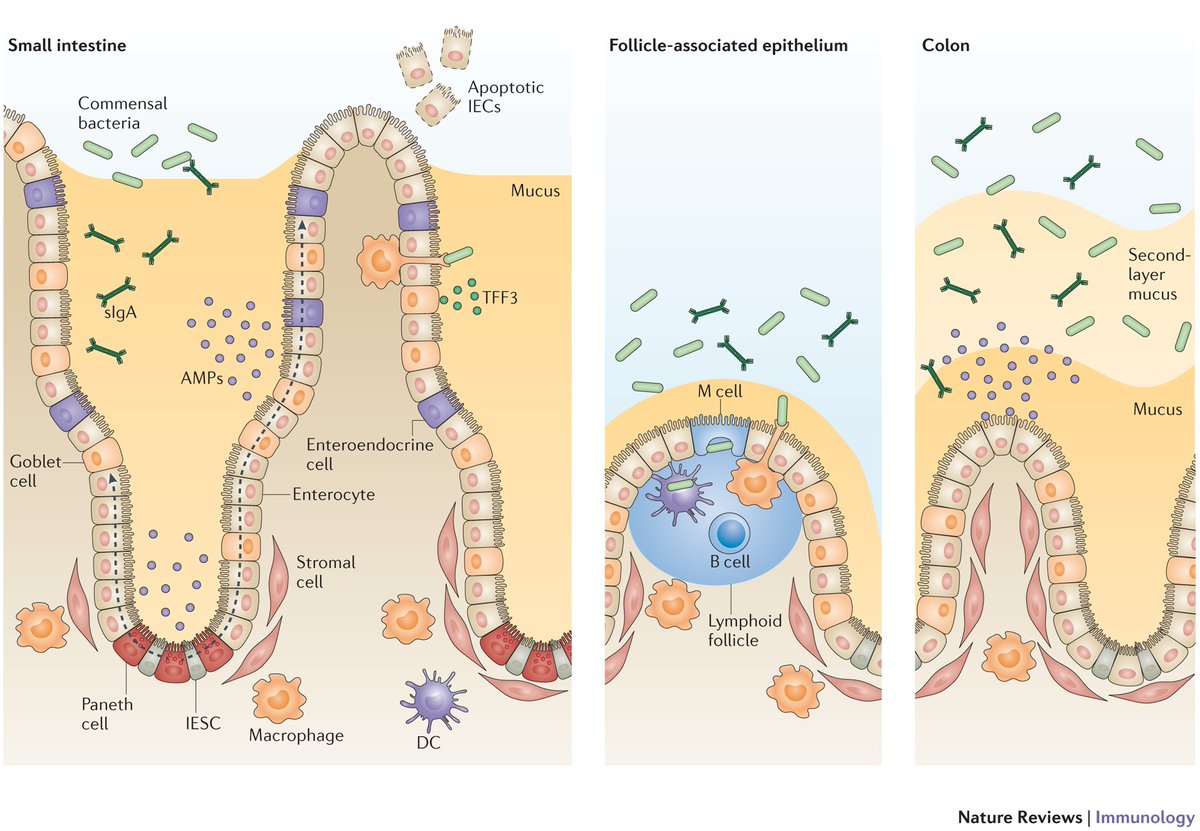
It forms a protective barrier against harmful antigens and infectious pathogens.
It also acts as a facilitator of interaction between the gut antigens like bacteria and the immune cells, produces protective mucus critical for preventing inflammation, and antimicrobial peptides, molecular bullets that destroy bacteria.
Lactoferrin is essential for both the creation and the differentiation of the intestinal epithelial into all of the cellular subtypes necessary to keep the gut functioning properly.
14
Disruptions in the gut epithelial barrier can lead to antigens entering the area just underneath these cells, known as the lamina propria, triggering the release of a variety of cytokines and contributing to intestinal inflammation.
This is a phenomenon seen in EVERY digestive disease, and many other conditions seemingly unrelated to the gut.
If you suffer from bloating, gut pain, loose stools or poor bowel habits, or issues like poor sleep, mood and skin problems, you can bet that this process is involved.
HOWEVER, lactoferrin contributes to MAINTAINING the intestinal epithelial barrier and has immunomodulatory properties, which are both critical functions in protecting the gut mucosal immune system.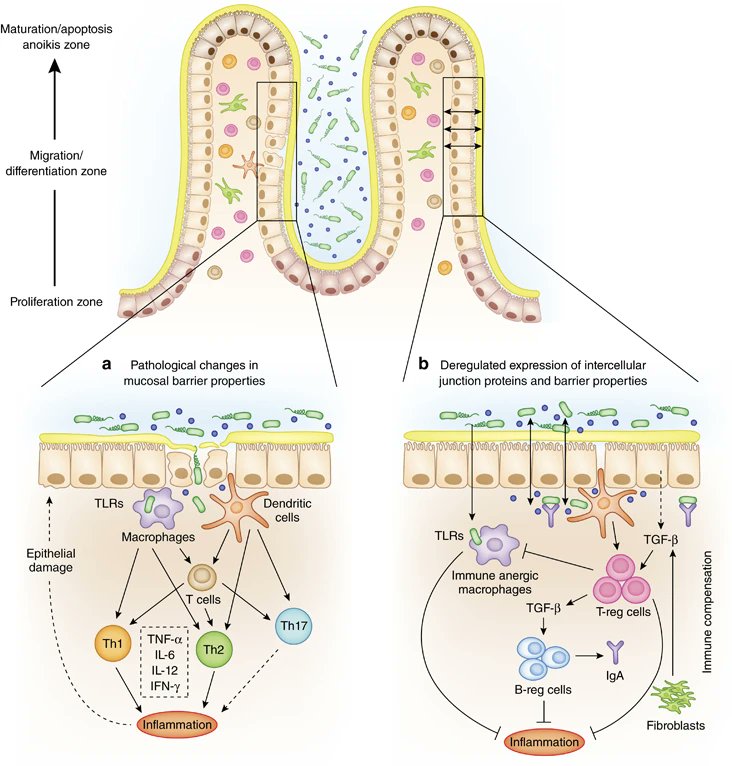
This is a phenomenon seen in EVERY digestive disease, and many other conditions seemingly unrelated to the gut.
If you suffer from bloating, gut pain, loose stools or poor bowel habits, or issues like poor sleep, mood and skin problems, you can bet that this process is involved.
HOWEVER, lactoferrin contributes to MAINTAINING the intestinal epithelial barrier and has immunomodulatory properties, which are both critical functions in protecting the gut mucosal immune system.
15
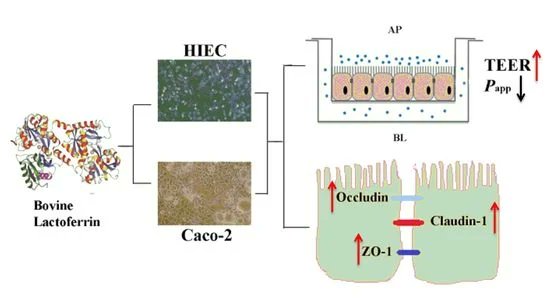
Lactoferrin has been shown to support intestinal barrier integrity by upregulating tight junction protein expression and protecting the intestine from bacterial infections.
I cannot stress enough how important this is.
This is the most prevalent mechanism in any digestive condition you can think of, and lactoferrin can help prevent and heal it!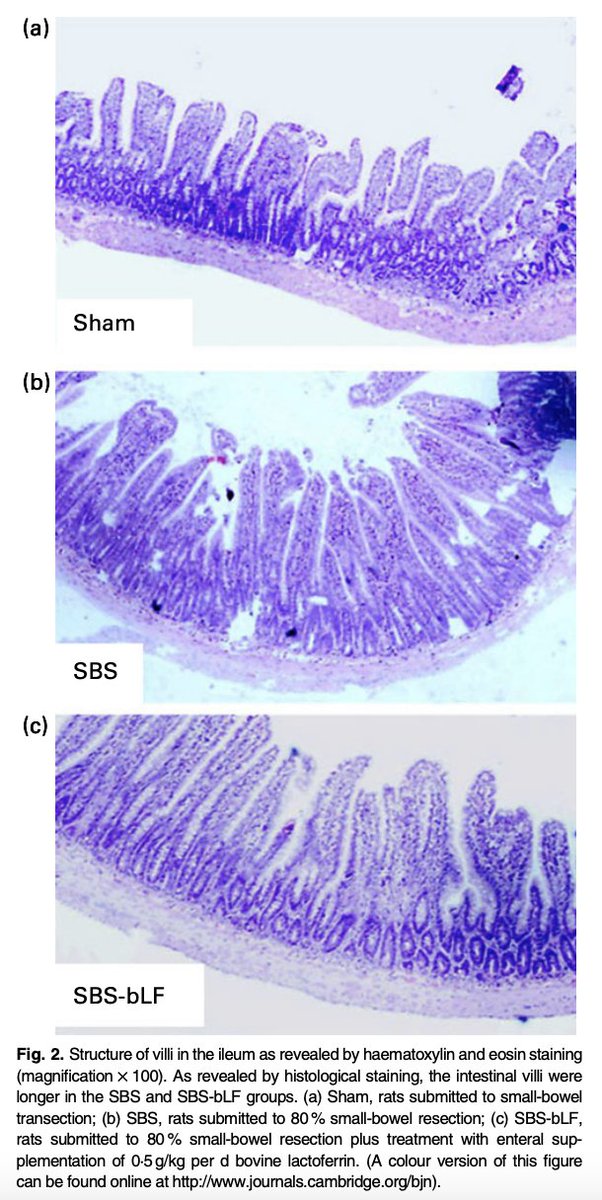
I cannot stress enough how important this is.
This is the most prevalent mechanism in any digestive condition you can think of, and lactoferrin can help prevent and heal it!
16
Lactoferrin could be a viable solution to addressing lactose intolerance.
It promotes the production of key digestive enzymes that break down lactose and sugar.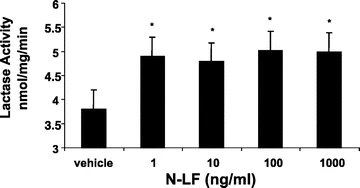
It promotes the production of key digestive enzymes that break down lactose and sugar.
17
If you seem to react poorly to a myriad of normal foods (skin reactions, loose stools, diarrhea, brain fog, etc), then lactoferrin could be the solution.
We have various immune cells in the gut that are constantly sampling components of the gut to recognize normal food antigens and bacteria while weeding out pathogens.
But this process can become impaired and our immune systems can become overactive, mounting unwarranted inflammatory responses, driving tons of different digestive symptoms and intolerances to otherwise normal foods.
However, lactoferrin influences immune cells to take on tolerogenic phenotypes, and suppresses the proliferation of CD4+ T cells, the inflammatory types of cells that can cause various gut symptoms.
Essentially, it helps your immune system properly differentiate between what should and shouldn’t require inflammation.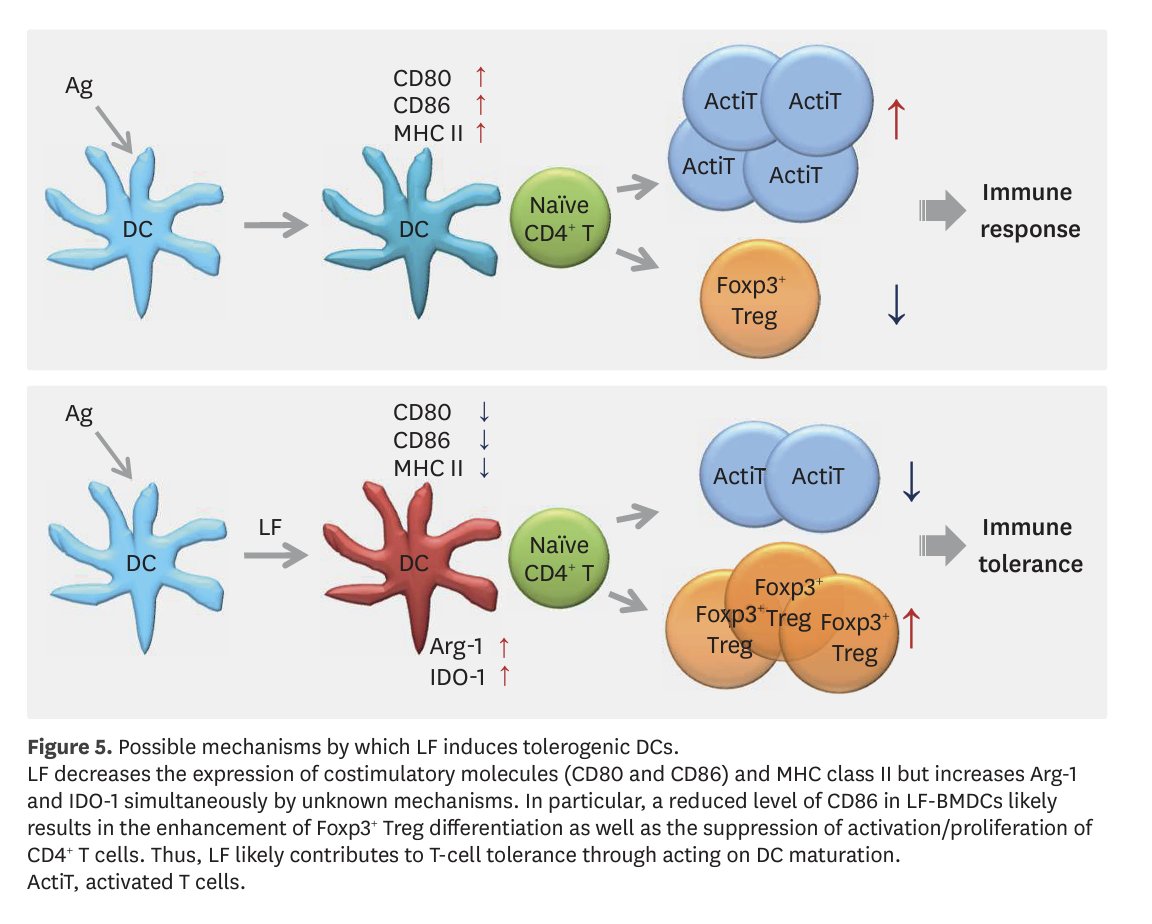
We have various immune cells in the gut that are constantly sampling components of the gut to recognize normal food antigens and bacteria while weeding out pathogens.
But this process can become impaired and our immune systems can become overactive, mounting unwarranted inflammatory responses, driving tons of different digestive symptoms and intolerances to otherwise normal foods.
However, lactoferrin influences immune cells to take on tolerogenic phenotypes, and suppresses the proliferation of CD4+ T cells, the inflammatory types of cells that can cause various gut symptoms.
Essentially, it helps your immune system properly differentiate between what should and shouldn’t require inflammation.
18
Secretory IgA is an immune component that serves a PIVOTAL role in gut health.
It binds to pathogenic bacteria and other antigens from the environment and prevents them from causing inflammation.
sIgA is known to get depleted during times of stress, and its absence tends to result in inflammatory problems in the gut.
However, lactoferrin supplementation has been shown to INCREASE sIgA production in the gut, supporting our immunity and protecting us from bacterial overgrowths and infections that can wreak havoc on our gut health.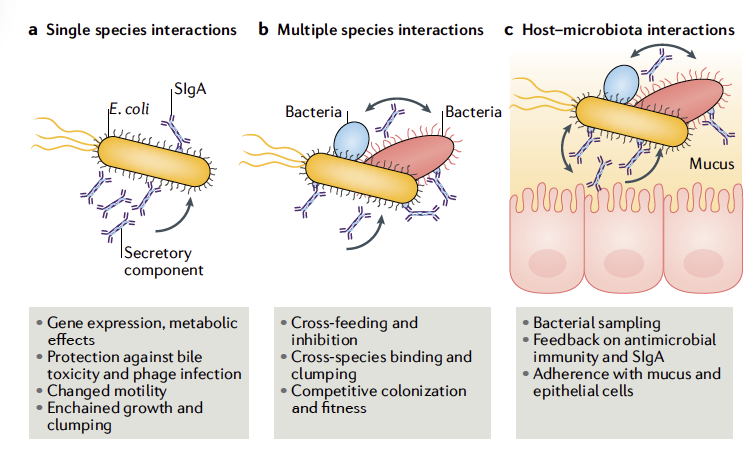
It binds to pathogenic bacteria and other antigens from the environment and prevents them from causing inflammation.
sIgA is known to get depleted during times of stress, and its absence tends to result in inflammatory problems in the gut.
However, lactoferrin supplementation has been shown to INCREASE sIgA production in the gut, supporting our immunity and protecting us from bacterial overgrowths and infections that can wreak havoc on our gut health.
19
Toll-like receptors (TLRs) are another critical mediator of intestinal inflammation, sensing various bacterial components in the gut like endotoxin.
These receptors are elevated in the gut of people with IBS and inflammatory bowel diseases, yet lactoferrin has been shown to REDUCE their expression, leading to subsequent quelling of inflammation.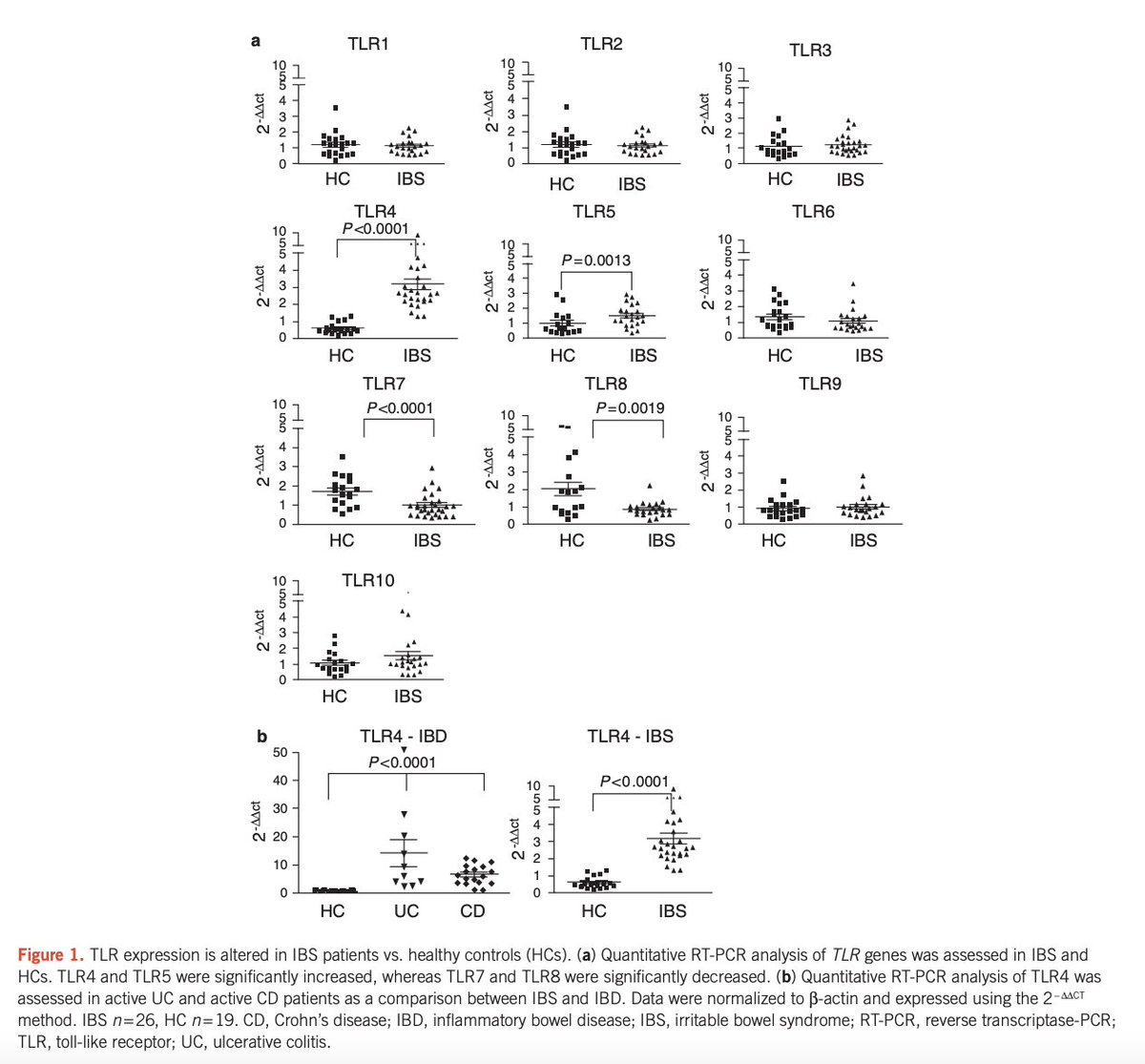
These receptors are elevated in the gut of people with IBS and inflammatory bowel diseases, yet lactoferrin has been shown to REDUCE their expression, leading to subsequent quelling of inflammation.
20
Therapeutic doses range from 100 mg up to 3 grams of lactoferrin daily.
Makes sense to start at the lower end and gradually increase, though it is very safe so trying higher doses can be an option.
This is the highest quality one I’ve seen and used:
lifegivingstore.com/store/grass-fe…
Makes sense to start at the lower end and gradually increase, though it is very safe so trying higher doses can be an option.
This is the highest quality one I’ve seen and used:
lifegivingstore.com/store/grass-fe…
21
Of course you can also get it from bovine milk (20-200 mg/L) or colostrum (2g/L), especially when raw, though the amount is variable and it can be tough to consume enough to hit the therapeutic targets.
Human milk is even higher in lactoferrin, if you're really adventerous
Human milk is even higher in lactoferrin, if you're really adventerous
22
If you want some personalized help in solving any gut issues, or just optimizing your metabolism in general, check out our premium consulting platform, PRISM, where our team can help you. Schedule a free consult here to hear more! prism.miami/get-started
23
Thank you for reading along. Hopefully this was helpful and you can use this info to improve your health.
Toss us a RT if you’re so inclined, helps us a lot.
Be sure to check out all of our content and supplements, as well as ways to donate, over at lnk.bio/analyze.and.op…
Toss us a RT if you’re so inclined, helps us a lot.
Be sure to check out all of our content and supplements, as well as ways to donate, over at lnk.bio/analyze.and.op…