MOLD: The hidden cause behind your gut issues & fatigue that your doctor can't figure out.
This is a DEEP dive on mold / mycotoxins - how to know if it's an issue for you and what to do about it to get back to feeling your best:


MOLD SYMPTOMS 101:
Cognitive & Neurological
⇨ Brain fog / poor memory
⇨ Difficulty concentrating
⇨ Word-finding issues
⇨ Headaches / migraines
⇨ Light sensitivity
⇨ Mood swings, anxiety, or depression
Respiratory
⇨ Sinus congestion
⇨ Chronic cough
⇨ Shortness of breath
⇨ Wheezing or chest tightness
⇨ Recurrent infections (sinus, bronchial)
Fatigue & Pain
⇨ Chronic fatigue
⇨ Muscle aches
⇨ Joint pain (without swelling)
⇨ Weakness
⇨ Exercise intolerance
Skin & Mucous Membranes
⇨ Itchy skin or rashes
⇨ Red eyes or blurred vision
⇨ Dry eyes, dry mouth
⇨ Increased static shocks
Gut & Immune
⇨ Nausea / abdominal pain
⇨ Diarrhea or constipation
⇨ Food sensitivities
⇨ Histamine intolerance
⇨ Low-grade fevers or immune suppression
Other Common Signs
⇨ Sensitivity to chemicals or smells
⇨ Frequent urination (especially at night)
⇨ Temperature dysregulation (feeling hot/cold)
⇨ Dizziness / balance issues
⇨ Metallic taste in mouth
⇨ Allergy like symptoms (can activate mast cells)
Having one doesn't mean you definitely have a mold issue, but it certainly could.
Cognitive & Neurological
⇨ Brain fog / poor memory
⇨ Difficulty concentrating
⇨ Word-finding issues
⇨ Headaches / migraines
⇨ Light sensitivity
⇨ Mood swings, anxiety, or depression
Respiratory
⇨ Sinus congestion
⇨ Chronic cough
⇨ Shortness of breath
⇨ Wheezing or chest tightness
⇨ Recurrent infections (sinus, bronchial)
Fatigue & Pain
⇨ Chronic fatigue
⇨ Muscle aches
⇨ Joint pain (without swelling)
⇨ Weakness
⇨ Exercise intolerance
Skin & Mucous Membranes
⇨ Itchy skin or rashes
⇨ Red eyes or blurred vision
⇨ Dry eyes, dry mouth
⇨ Increased static shocks
Gut & Immune
⇨ Nausea / abdominal pain
⇨ Diarrhea or constipation
⇨ Food sensitivities
⇨ Histamine intolerance
⇨ Low-grade fevers or immune suppression
Other Common Signs
⇨ Sensitivity to chemicals or smells
⇨ Frequent urination (especially at night)
⇨ Temperature dysregulation (feeling hot/cold)
⇨ Dizziness / balance issues
⇨ Metallic taste in mouth
⇨ Allergy like symptoms (can activate mast cells)
Having one doesn't mean you definitely have a mold issue, but it certainly could.

>92% of people with chronic fatigue have mold toxins in their urine.
Persistent tiredness, regardless of sleep, is a very common symptom of a mold issue.
Persistent tiredness, regardless of sleep, is a very common symptom of a mold issue.

Mold causes brain fog, with symptoms on par with traumatic brain injury.
Mold + their mycotoxins can impair cognitive performance through multiple mechanisms.
A primary one is their ability to disrupt mitochondrial function.
Mold + their mycotoxins can impair cognitive performance through multiple mechanisms.
A primary one is their ability to disrupt mitochondrial function.

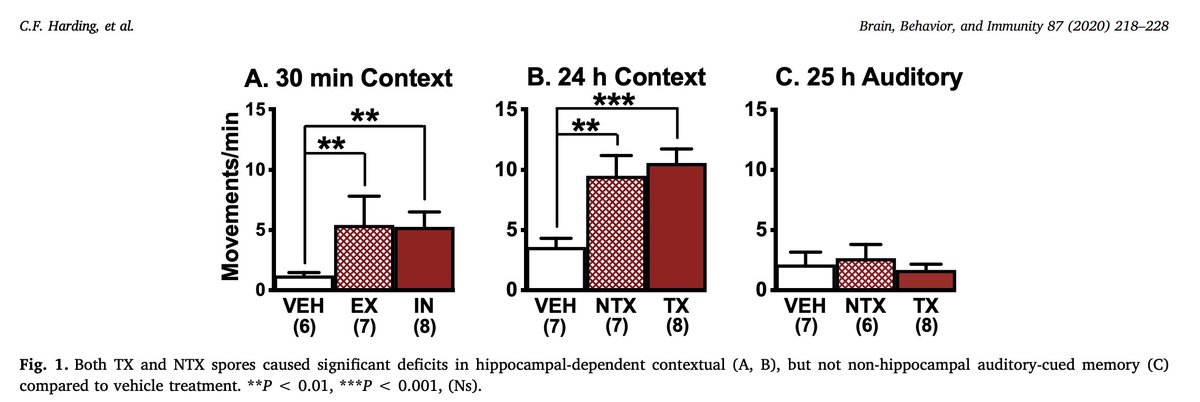
Mold toxins disrupt brain cell growth & worsen memory.
Inhalation of black mold toxins:
→ Drives inflammation in the hippocampus (memory brain region)
→ Depletes mature neurons
→ Worsens memory in response to several cues
They're neurotoxins.
Inhalation of black mold toxins:
→ Drives inflammation in the hippocampus (memory brain region)
→ Depletes mature neurons
→ Worsens memory in response to several cues
They're neurotoxins.


Mycotoxins can even cause cancer.
Several common mycotoxins have carcinogenic potential, by:
➥ Driving DNA damage
➥ Influencing epigenetics
➥ Suppressing immunity
➥ Altering cell cycle dynamics
Hitting on several of the hallmarks of cancer (covered below).
Several common mycotoxins have carcinogenic potential, by:
➥ Driving DNA damage
➥ Influencing epigenetics
➥ Suppressing immunity
➥ Altering cell cycle dynamics
Hitting on several of the hallmarks of cancer (covered below).
View Tweet


Some other telltale signs mold is wrecking you:
◇ Feel worse in certain rooms
◇ Feel better when you travel or go outside
◇ React to chemicals (perfumes, cleaning products, etc)
◇ Random food sensitivities
◇ Crash after sauna/fasting/exercise
◇ “Normal” labs but feel awful
◇ Nothing you try seems to work
◇ Can't be explained by any other common causes
◇ Feel worse in certain rooms
◇ Feel better when you travel or go outside
◇ React to chemicals (perfumes, cleaning products, etc)
◇ Random food sensitivities
◇ Crash after sauna/fasting/exercise
◇ “Normal” labs but feel awful
◇ Nothing you try seems to work
◇ Can't be explained by any other common causes
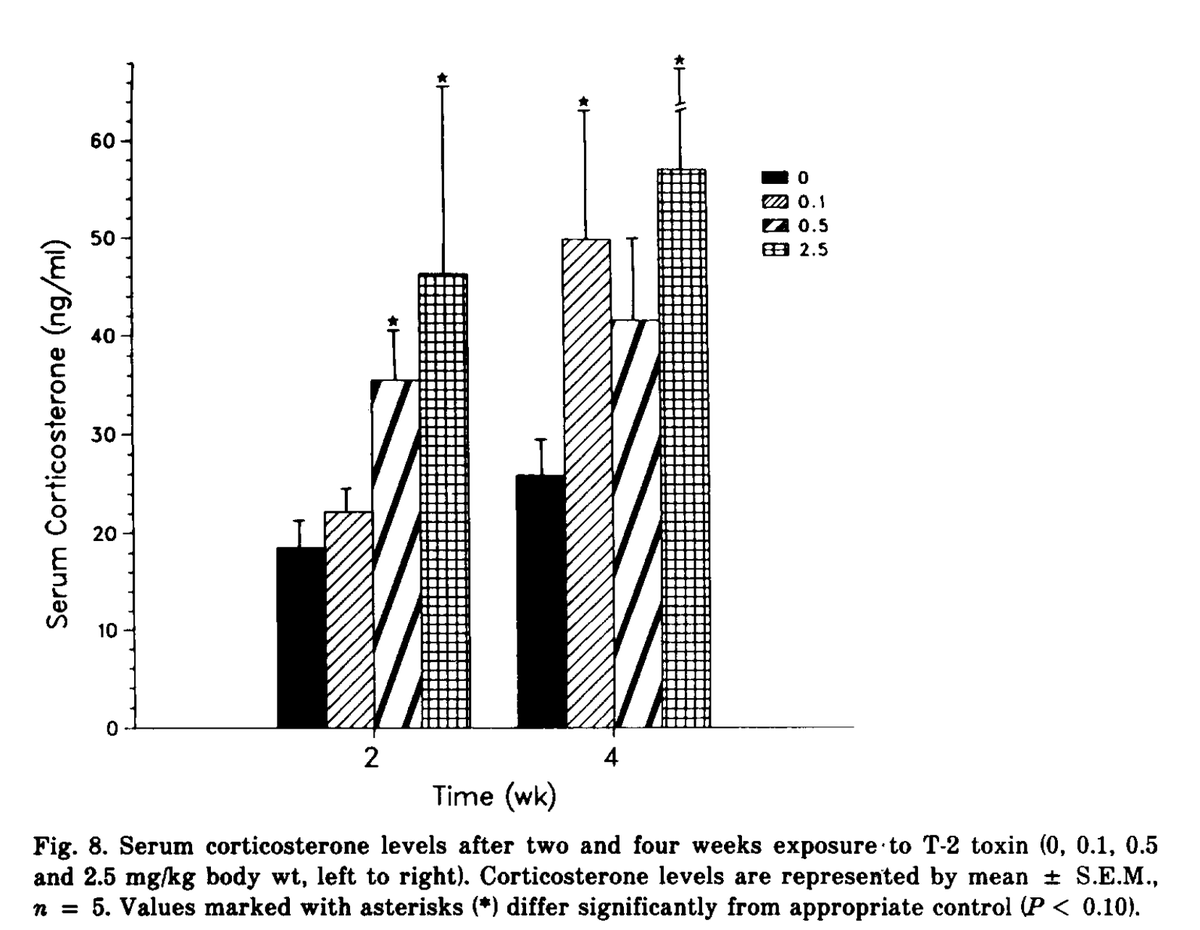
Mold can raise cortisol.
The toxins mold emits (mycotoxins) can powerfully stimulate inflammation in the brain, driving the HPA axis.
Disrupted cortisol patterns are common in people struggling with mold related illness.
The toxins mold emits (mycotoxins) can powerfully stimulate inflammation in the brain, driving the HPA axis.
Disrupted cortisol patterns are common in people struggling with mold related illness.
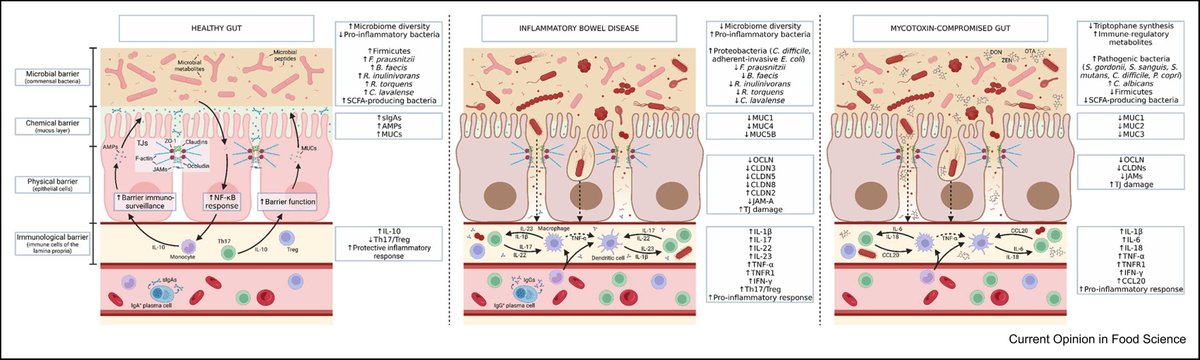
Mold can destroy your gut health.
Mycotoxins initiate many of the processes found in all sorts of digestive conditions:
➥ Depletes SCFA producing bacteria
➥ Increases pathogenic bacteria
➥ Increases inflammation
➥ Opens gut barrier (leaky gut)
Mycotoxins initiate many of the processes found in all sorts of digestive conditions:
➥ Depletes SCFA producing bacteria
➥ Increases pathogenic bacteria
➥ Increases inflammation
➥ Opens gut barrier (leaky gut)
EXPOSURE TO MOLD:
The two main sources of mold exposure are:
➥ In a building (your house, place of work, etc.)
➥ Food
EVEN IF THERE IS NO VISIBLE MOLD - in both cases there can be.
Especially in warm / humid environments.
The two main sources of mold exposure are:
➥ In a building (your house, place of work, etc.)
➥ Food
EVEN IF THERE IS NO VISIBLE MOLD - in both cases there can be.
Especially in warm / humid environments.


MOLD WHERE YOU LIVE / WORK:
➥ Water-Damaged Buildings: leaky roofs, pipe bursts, flooding, high humidity (especially in bathrooms, basements, kitchens).
➥ Damp Building Materials: carpets, ceiling tiles, wallpaper
➥ HVAC Systems
➥ Compost, soil, decaying leaves
➥ Water-Damaged Buildings: leaky roofs, pipe bursts, flooding, high humidity (especially in bathrooms, basements, kitchens).
➥ Damp Building Materials: carpets, ceiling tiles, wallpaper
➥ HVAC Systems
➥ Compost, soil, decaying leaves


INDOOR MOLD CHEAT SHEET.
There are different fungi that constitute these molds, each tending to occupy different places,
giving off mycotoxins, or having allergenic risks.
If you feel better when you leave a given building, that's a red flag one of these is a problem for you.
There are different fungi that constitute these molds, each tending to occupy different places,
giving off mycotoxins, or having allergenic risks.
If you feel better when you leave a given building, that's a red flag one of these is a problem for you.

TESTING FOR INDOOR MOLD:
➜ ERMI: measures a ton of different molds but not all likely to cause symptoms
➜ HERTSMI-2: measures 5 of the molds commonly causing symptoms
These use dust samples (long term mycotoxin accumulation).
You can also do air or surface sampling, but they are not as reliable.
➜ ERMI: measures a ton of different molds but not all likely to cause symptoms
➜ HERTSMI-2: measures 5 of the molds commonly causing symptoms
These use dust samples (long term mycotoxin accumulation).
You can also do air or surface sampling, but they are not as reliable.

The BEST ways to mitigate indoor mold exposure:
➜ HEPA air filters: remove 99.97% of mold spores & mycotoxin carrying particles
➜ Dusting: ideally with damp microfiber (dust collects mycotoxins / mold spores)
➜ Negative ion generators
➜ Limiting indoor humidity (<50%)
➜ HEPA air filters: remove 99.97% of mold spores & mycotoxin carrying particles
➜ Dusting: ideally with damp microfiber (dust collects mycotoxins / mold spores)
➜ Negative ion generators
➜ Limiting indoor humidity (<50%)

MOLD / MYCOTOXINS IN FOODS:
Molds love certain foods that allow them to thrive with damp, nutrient rich environments.
Animal proteins are rarely in this category, the foods most liable for mold growth are as follows:
Molds love certain foods that allow them to thrive with damp, nutrient rich environments.
Animal proteins are rarely in this category, the foods most liable for mold growth are as follows:

TESTING FOR MOLD TOXICITY:
Mycotoxins can be tested for in:
➥ Urine - indicative of excretion / detoxification of mycotoxins
➥ Serum - indicative of existing mycotoxin burden
Both can be helpful - urine is more common. RealTime Labs + Vibrant are companies that offer them.
You can also test for antibodies (IgG, IgE), though these are often indicative of past exposure and not necessarily current issues.
Other common markers in mold illness:
HIGH:
➥ MMP9
➥ TGFβ
➥ C4a
➥ C3a
LOW:
➥ αMSH
➥ VIP
➥ VEGF
➥ ADH
Mycotoxins can be tested for in:
➥ Urine - indicative of excretion / detoxification of mycotoxins
➥ Serum - indicative of existing mycotoxin burden
Both can be helpful - urine is more common. RealTime Labs + Vibrant are companies that offer them.
You can also test for antibodies (IgG, IgE), though these are often indicative of past exposure and not necessarily current issues.
Other common markers in mold illness:
HIGH:
➥ MMP9
➥ TGFβ
➥ C4a
➥ C3a
LOW:
➥ αMSH
➥ VIP
➥ VEGF
➥ ADH

One of THE MOST IMPORTANT determining your susceptibility to mold illness is the HLA genes.
HLA are proteins that "present" toxins / pathogens to the immune system for clearance.
Certain gene variants of this protein make you worse at recognizing / clearing these toxins.
You can order genetic testing for: HLA Class II, Typing for DRB1, DRB3/4/5, DQA1, DQB1.
Depending on your genotype and the combinations of those genes, you could be more susceptible.
Approximately 25% of people are.
HLA are proteins that "present" toxins / pathogens to the immune system for clearance.
Certain gene variants of this protein make you worse at recognizing / clearing these toxins.
You can order genetic testing for: HLA Class II, Typing for DRB1, DRB3/4/5, DQA1, DQB1.
Depending on your genotype and the combinations of those genes, you could be more susceptible.
Approximately 25% of people are.

STRESS leaves you vulnerable to mold illness.
Toxins impact you if they get inside your body through the mucosal barriers in your:
➞ Gut
➞ Respiratory tract
Stress depletes the "guardian" antibody (S-IgA) AND contributes to barrier breakdown.
More breakdown = more exposure.
Thus, lowering stress systemically is paramount. Full guide on lowering stress below.
Toxins impact you if they get inside your body through the mucosal barriers in your:
➞ Gut
➞ Respiratory tract
Stress depletes the "guardian" antibody (S-IgA) AND contributes to barrier breakdown.
More breakdown = more exposure.
Thus, lowering stress systemically is paramount. Full guide on lowering stress below.
View Tweet

Mold illness often goes hand in hand with:
➤ Parasites
➤ EBV
➤ Lyme
➤ Hypothyroidism
These other infections can suppress the immune system at various points and leave you susceptible.
Mold also worsens thyroid hormone metabolism.
Thyroid optimization guide below.
➤ Parasites
➤ EBV
➤ Lyme
➤ Hypothyroidism
These other infections can suppress the immune system at various points and leave you susceptible.
Mold also worsens thyroid hormone metabolism.
Thyroid optimization guide below.
View Tweet
Thyroid improves (almost) every symptom of mold illness.
Active thyroid hormone (T3) levels can be low during mold illness, as mycotoxins can impair conversion of T4➔T3.
T4 does not help, but T4+T3 OR T3 alone does.
Natural desiccated thyroid has T4+T3.
Active thyroid hormone (T3) levels can be low during mold illness, as mycotoxins can impair conversion of T4➔T3.
T4 does not help, but T4+T3 OR T3 alone does.
Natural desiccated thyroid has T4+T3.

Generated by Thread Navigator
Press ⌘ + S to quick-export
auto_awesome
Image exported!
Pro export renders embedded tweets & media at 2x Retina resolution.
Upgrade — $5 for 30 days