READ THIS IF YOU WANT TO FIX YOUR GUT.
If you have IBS, bloating, gas, poor bowel movements or brain fog, you NEED to see this.
This is a comprehensive DEEP dive into fixing your digestive health:

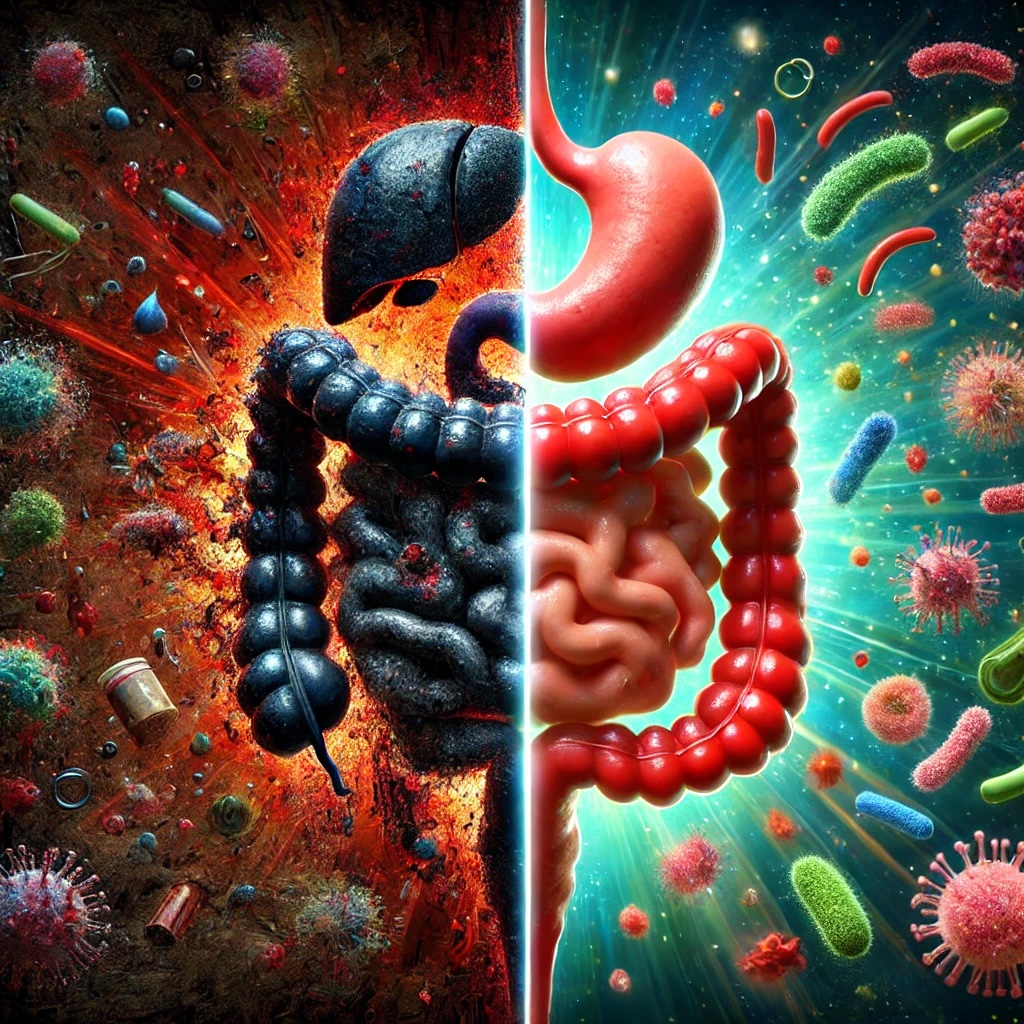
The first & most important thing to address is dysbiosis (“bad bacteria” in the gut)
It will drive:
⬩Pain⬩Gas⬩Sensitization⬩Bloating⬩Food intolerances⬩Diarrhea⬩Poorly formed stools⬩Constipation⬩Acid reflux⬩& more
It will drive:
⬩Pain⬩Gas⬩Sensitization⬩Bloating⬩Food intolerances⬩Diarrhea⬩Poorly formed stools⬩Constipation⬩Acid reflux⬩& more

2 easy and free ways to tell if you have dysbiosis:
1. Coated tongue in the morning (especially in the back)
2. Consistent foamy urine
If these are prevalent along with other gut symptoms - you can bet dysbiosis is an issue.
I go more into that here:
1. Coated tongue in the morning (especially in the back)
2. Consistent foamy urine
If these are prevalent along with other gut symptoms - you can bet dysbiosis is an issue.
I go more into that here:
View Tweet


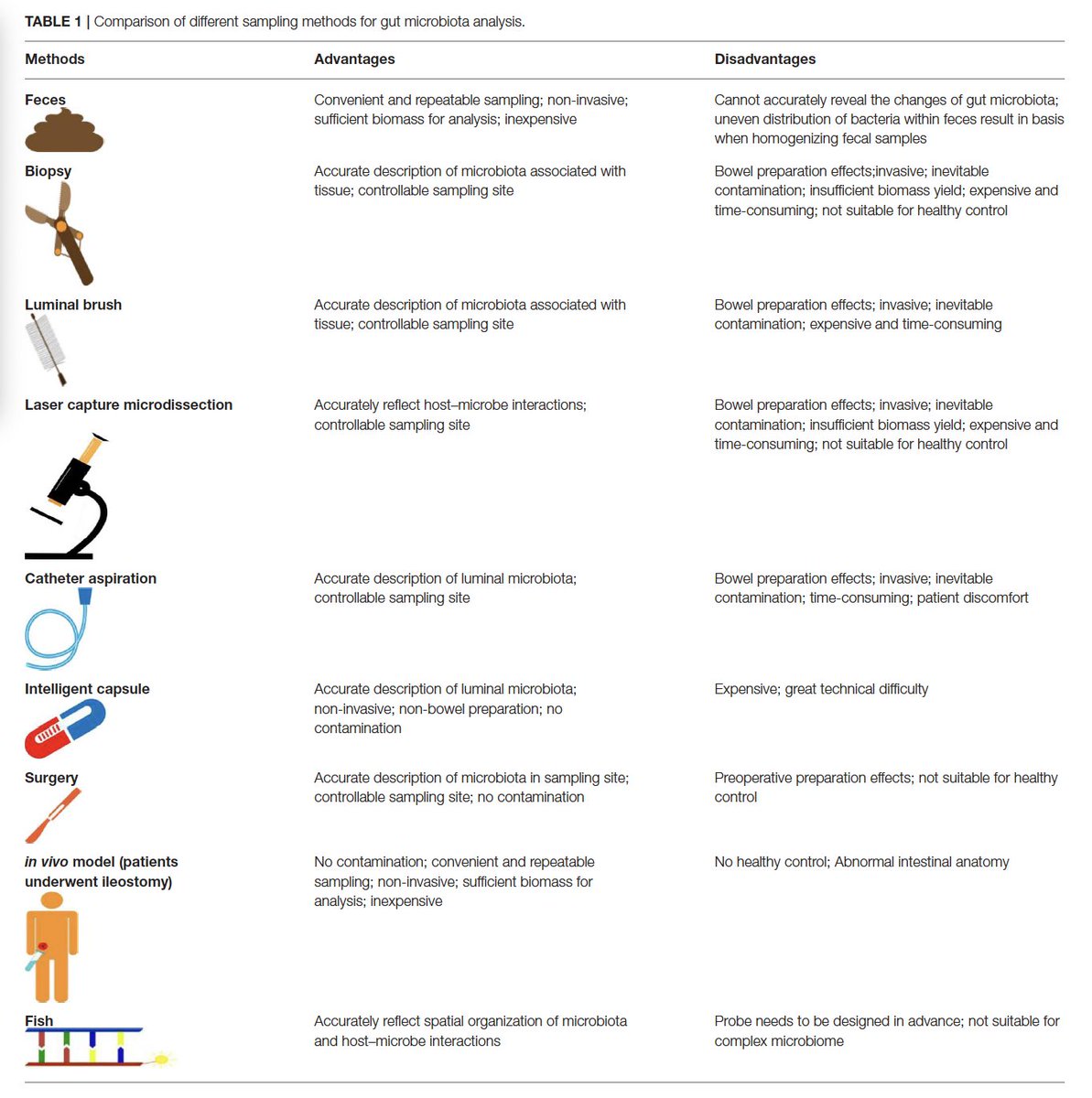
Stool testing can be useful, but the results are highly questionable.
Ultimately the results will typically not have much impact on how you move forward.
Plus, high quality ones can be quite expensive.
There are exceptions, but this is the rule.
Ultimately the results will typically not have much impact on how you move forward.
Plus, high quality ones can be quite expensive.
There are exceptions, but this is the rule.
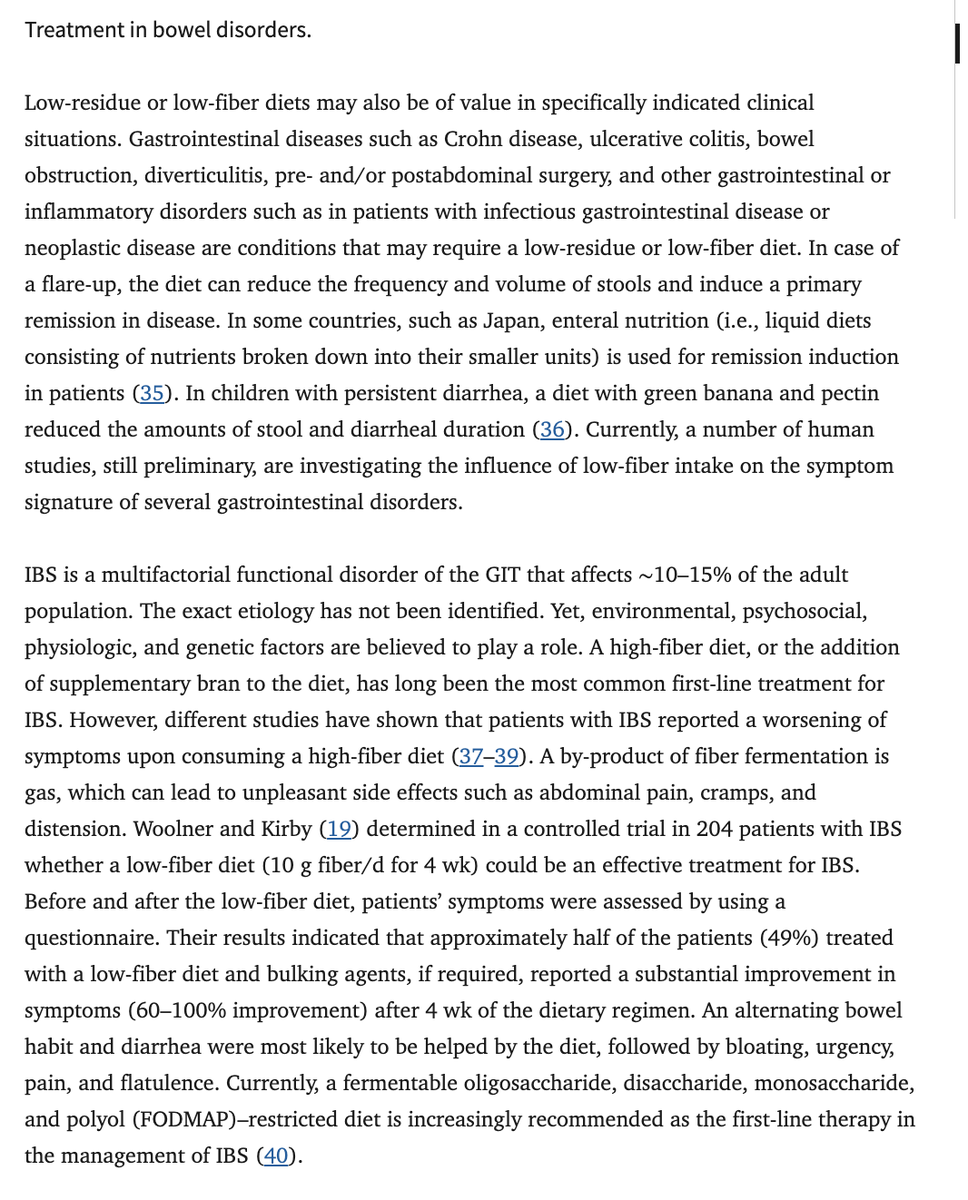
Start with a low residue or low fiber diet that limits bacterial fermentation.
All cuts & types of meat, eggs, seafood, dairy as tolerated (cottage cheese + Greek yogurt typically)
Easily digestible carbs like fruit juices, cane sugar and honey.
All cuts & types of meat, eggs, seafood, dairy as tolerated (cottage cheese + Greek yogurt typically)
Easily digestible carbs like fruit juices, cane sugar and honey.
View Tweet
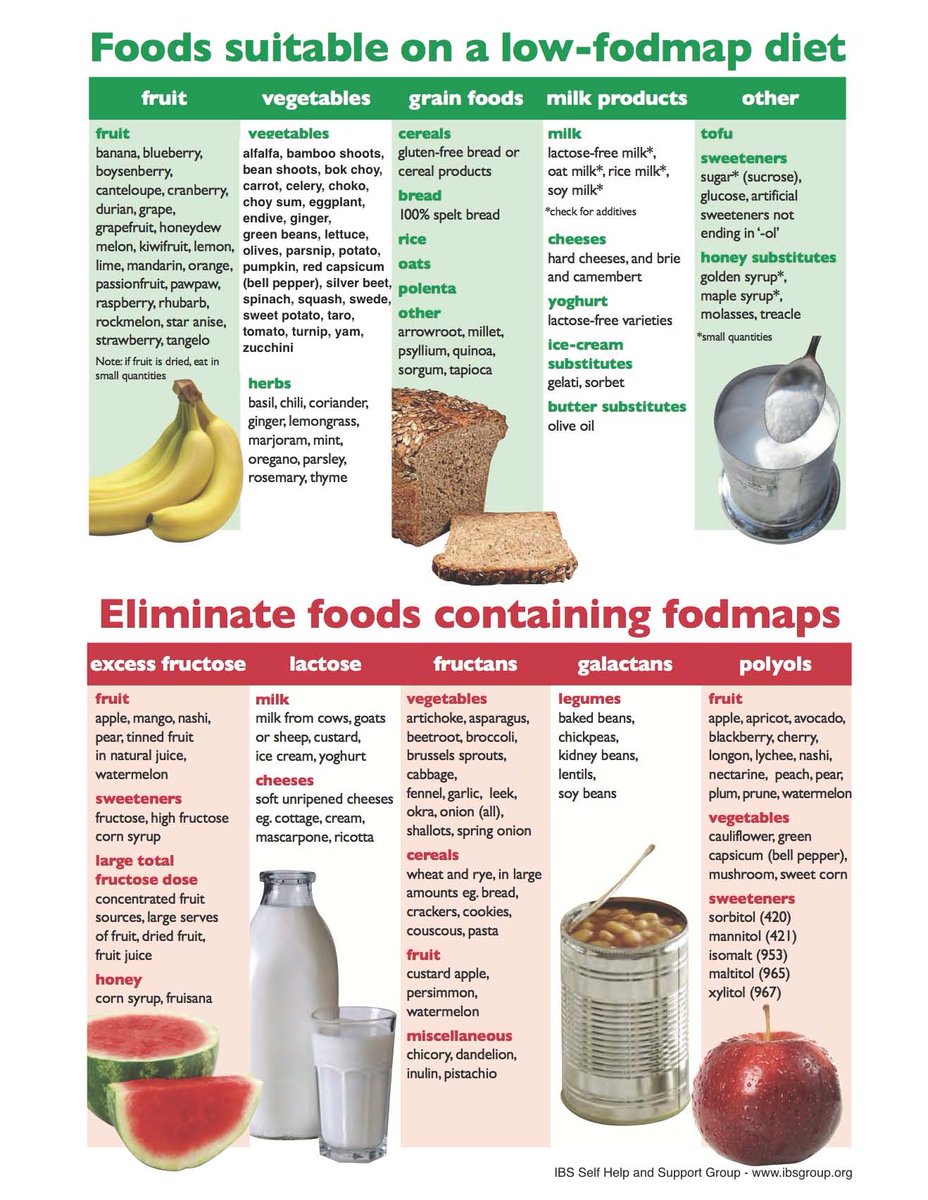
A low FODMAP diet can be effective if the problem is more upper GI (belching, upper bloating, lack of appetite).
Keep polyunsaturated fats LOW (seed oils mainly).
The fats in these oils are absolutely horrible for the gut.
I've gone into that here:
Keep polyunsaturated fats LOW (seed oils mainly).
The fats in these oils are absolutely horrible for the gut.
I've gone into that here:
View Tweet
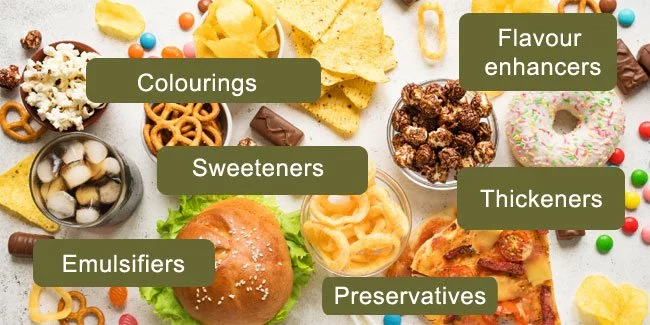
Avoid food additives: added iron, colors, gums, dyes, etc.
If you don’t recognize an ingredient, then it’s best to avoid it.
These additives disrupt the mucus layer, foster a pathogenic bacterial load, and drive inflammation.
More on that here:
If you don’t recognize an ingredient, then it’s best to avoid it.
These additives disrupt the mucus layer, foster a pathogenic bacterial load, and drive inflammation.
More on that here:
View Tweet
As your gut begins to heal, the more you should expand the diet over time.
⬩Fruit⬩Well cooked potatoes / rice⬩Cooked grains (sourdough)⬩Well cooked vegetables⬩
You don't want to have a restrictive diet long term, as this can backfire and limit your progress.
⬩Fruit⬩Well cooked potatoes / rice⬩Cooked grains (sourdough)⬩Well cooked vegetables⬩
You don't want to have a restrictive diet long term, as this can backfire and limit your progress.

In general - over or under-eating will make things worse.
Listen to your body.
You also want to eat a diet that is enjoyable.
Eating foods you don’t think are tasty and that you don’t want to eat measurably impairs your digestion:
Listen to your body.
You also want to eat a diet that is enjoyable.
Eating foods you don’t think are tasty and that you don’t want to eat measurably impairs your digestion:
View Tweet
ANTIMICROBIALS are a huge part of fixing gut dysbiosis.
Very low dose, safe antibiotics can be an absolute life saver.
I know a lot of people don’t like to hear this, but using at a microdose & duration is incredibly powerful. Just easy to overdo it.
Very low dose, safe antibiotics can be an absolute life saver.
I know a lot of people don’t like to hear this, but using at a microdose & duration is incredibly powerful. Just easy to overdo it.

Some natural antimicrobials:
⬩Oregano oil⬩Allicin (garlic/onion)⬩Mastic gum ⬩Pau D'Arco⬩Rosemary⬩Thyme⬩Activated charcoal⬩Wormwood⬩Camphor⬩Carrot⬩Berberine⬩Vitamin D⬩Vitamin K2⬩Zinc⬩Lactoferrin⬩
⬩Oregano oil⬩Allicin (garlic/onion)⬩Mastic gum ⬩Pau D'Arco⬩Rosemary⬩Thyme⬩Activated charcoal⬩Wormwood⬩Camphor⬩Carrot⬩Berberine⬩Vitamin D⬩Vitamin K2⬩Zinc⬩Lactoferrin⬩

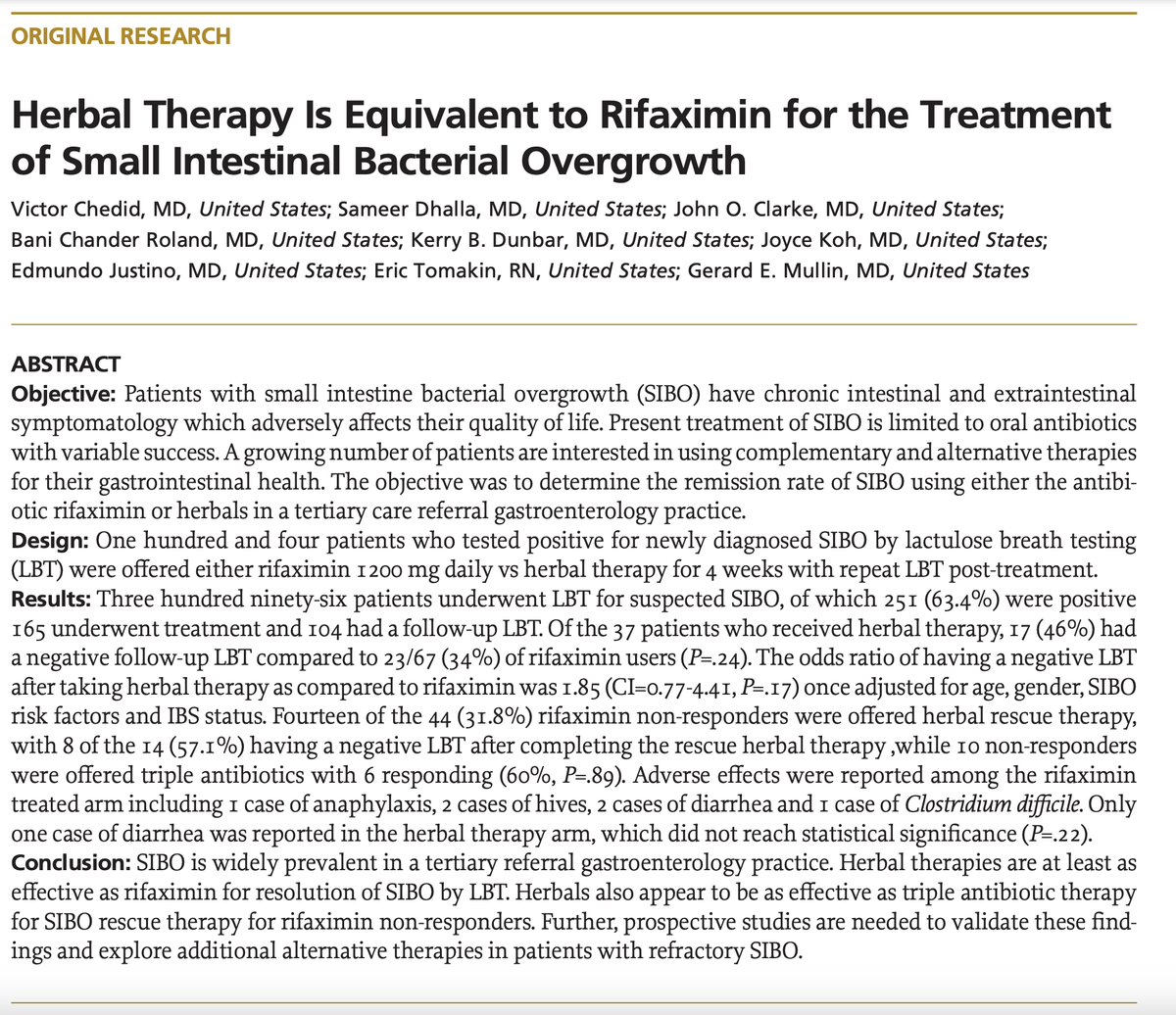
One herbal protocol that was studied for SIBO.
2 capsules each of proprietary blends (you can get these online) FC Cidal + Dysbiocide or Candibactin-AR + Candibactin-BR, 2x a day for 4 weeks.
Equivalent to standard antibiotics in terms of effectiveness.
2 capsules each of proprietary blends (you can get these online) FC Cidal + Dysbiocide or Candibactin-AR + Candibactin-BR, 2x a day for 4 weeks.
Equivalent to standard antibiotics in terms of effectiveness.
PROBIOTICS:
I wouldn't start with these if the problem is really bad, but the closer you get back to normal, the more important they become.
⬩Antimicrobial/anti-biofilm effects
⬩Essential for gut immunity
⬩Enhance gut motility
⬩Can metabolize food components
I wouldn't start with these if the problem is really bad, but the closer you get back to normal, the more important they become.
⬩Antimicrobial/anti-biofilm effects
⬩Essential for gut immunity
⬩Enhance gut motility
⬩Can metabolize food components

There are a few key types of probiotics:
1. Lacto/Bifido blends
2. S. Boulardii
3. Spore based probiotics
There are more, and each has shown effectiveness in their own right.
1. Lacto/Bifido blends
2. S. Boulardii
3. Spore based probiotics
There are more, and each has shown effectiveness in their own right.
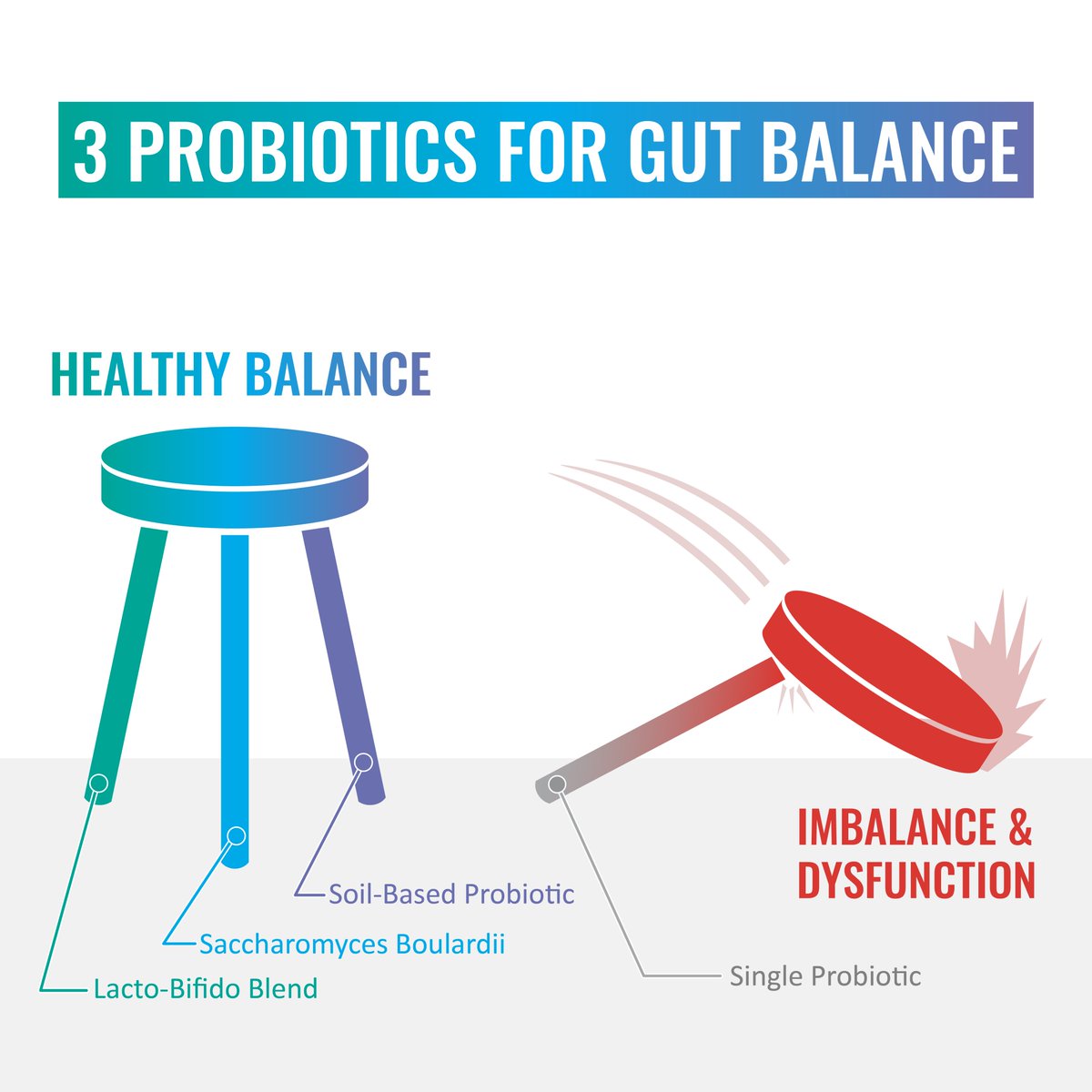
The keys to success using probiotics seem to be:
1. Using multiple strains / types
2. Consistency & duration - 2 months is a good starting point
3. Taking with antimicrobials - counterintuitive but works better
Fermented foods can also be good.
1. Using multiple strains / types
2. Consistency & duration - 2 months is a good starting point
3. Taking with antimicrobials - counterintuitive but works better
Fermented foods can also be good.

GUT MOTILITY is VITAL for fixing digestion.
If you don't:
⬩Greater bacterial fermentation
⬩More inflammation from food lingering
⬩More gas production, retention (bloating)
Some hallmarks of gut problems are slowed motility & greater fecal mass.
If you don't:
⬩Greater bacterial fermentation
⬩More inflammation from food lingering
⬩More gas production, retention (bloating)
Some hallmarks of gut problems are slowed motility & greater fecal mass.

Some tools to enhance gut motility:
⬩Coffee⬩Cascara⬩Triphala⬩Raw carrot⬩Mushrooms⬩Mastic gum⬩
More on mastic here:
⬩Coffee⬩Cascara⬩Triphala⬩Raw carrot⬩Mushrooms⬩Mastic gum⬩
More on mastic here:
View Tweet
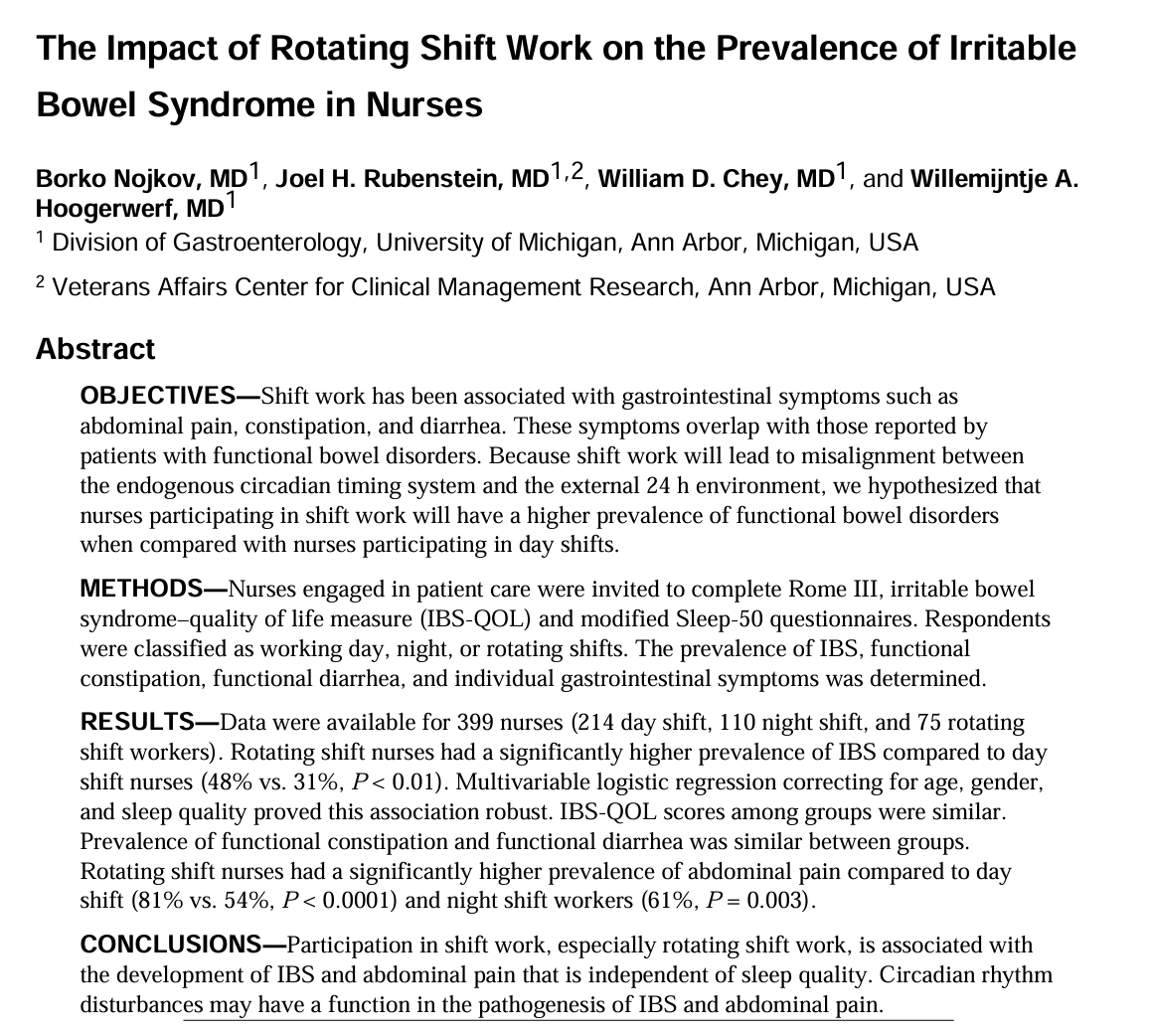
A HUGELY underrated & important factor for gut health (specifically motility) is the circadian rhythm.
This controls the gut’s immune system, motility, enzyme secretion, and more.
People with disrupted rhythm’s are at around double the risk of getting IBS.
This controls the gut’s immune system, motility, enzyme secretion, and more.
People with disrupted rhythm’s are at around double the risk of getting IBS.
KEYS to a robust circadian rhythm for optimal gut health:
⬩Consistent sleep / wake times
⬩Sunlight exposure to the eyes (especially early morning)
More on that here:
⬩Consistent sleep / wake times
⬩Sunlight exposure to the eyes (especially early morning)
More on that here:
View Tweet
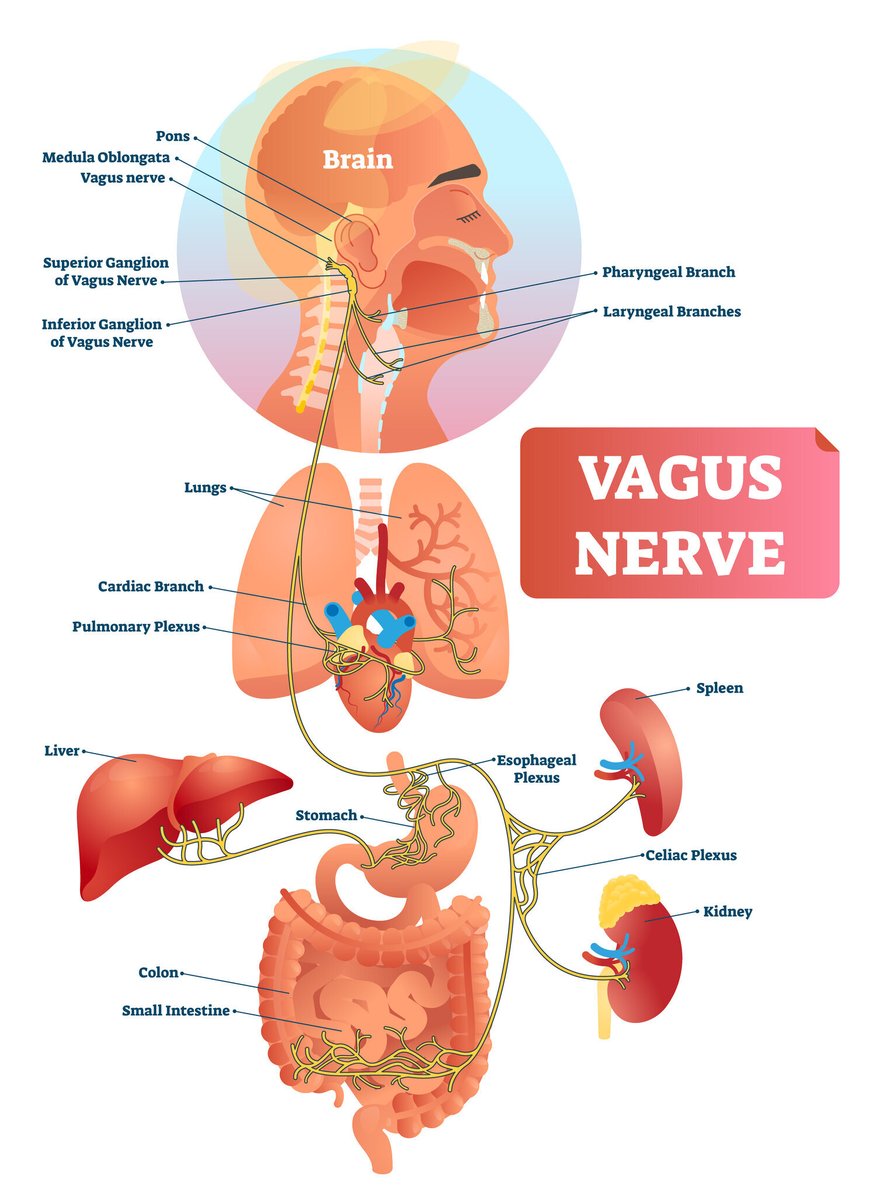
Gut motility is largely governed by the vagus nerve - the main nerve of the "rest and digest" system.
The primary neurotransmitter of the vagus nerve is acetylcholine, and its synthesis is supported by:
• Choline • B1 • B2 • B5 • B9 • B12 • Glycine • Creatine •
The primary neurotransmitter of the vagus nerve is acetylcholine, and its synthesis is supported by:
• Choline • B1 • B2 • B5 • B9 • B12 • Glycine • Creatine •
Generated by Thread Navigator
Press ⌘ + S to quick-export
auto_awesome
Image exported!
Pro export renders embedded tweets & media at 2x Retina resolution.
Upgrade — $5 for 30 days