Thread Truncated (Cap Enforced)
Only the first 20 tweets are unrolled into slides to ensure reliable PDF exporting and high server performance.
Canvas & Ratio
Choose your destination platform format
Layout Template
Choose a content structure for your slides
Preset Themes
Typography & Sizing
Brand Kit Customization
AGENCYConfigure brand assets for headers & footers
Outro Slide CTA
Customize your closing call-to-action slide
Background Pattern
Build Your Carousel
Drag and drop any post card below onto a slide, or use the quick buttons to insert content/images instantly!

Another Caesar is coming, and Western civilization is at a turning point, says German historian Oswald Spengler. He claimed we live in “the most trying times known to history of a great culture." And there's no offramp. Buckle up. Here's what Spengler predicted...🧵
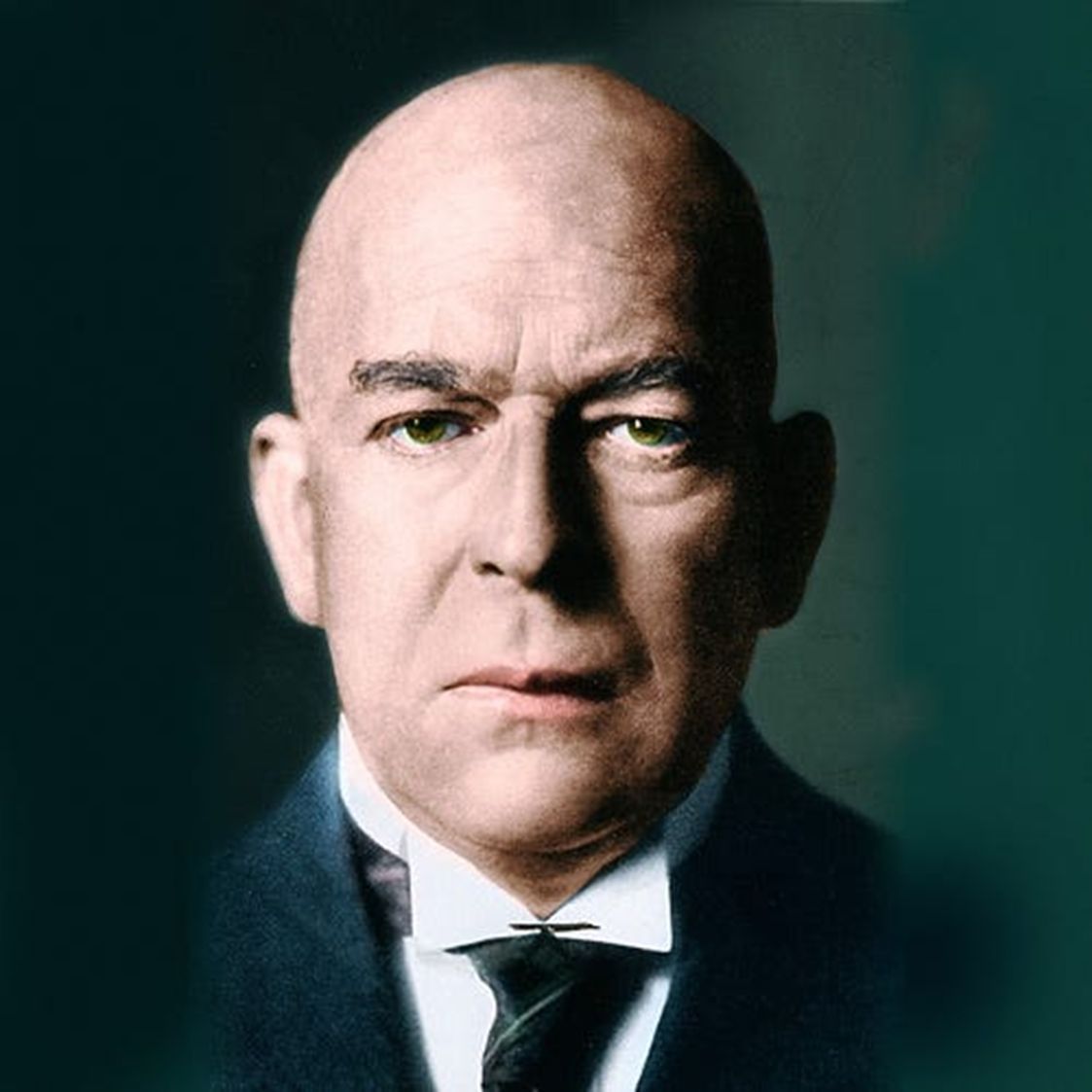
Oswald Spengler is best known for his two-volume work “Decline of the West”, first published in 1923. A German schoolmaster turned reclusive scholar, Spengler presented a unique vision of history that predicted the rise and fall of civilizations…

His work became an instant success upon publication, selling 100,000 copies by 1926 as its philosophy — depicting western culture as a tired civilization amidst decline — resonated with German intellectuals looking to make sense of their predicament after WWI.
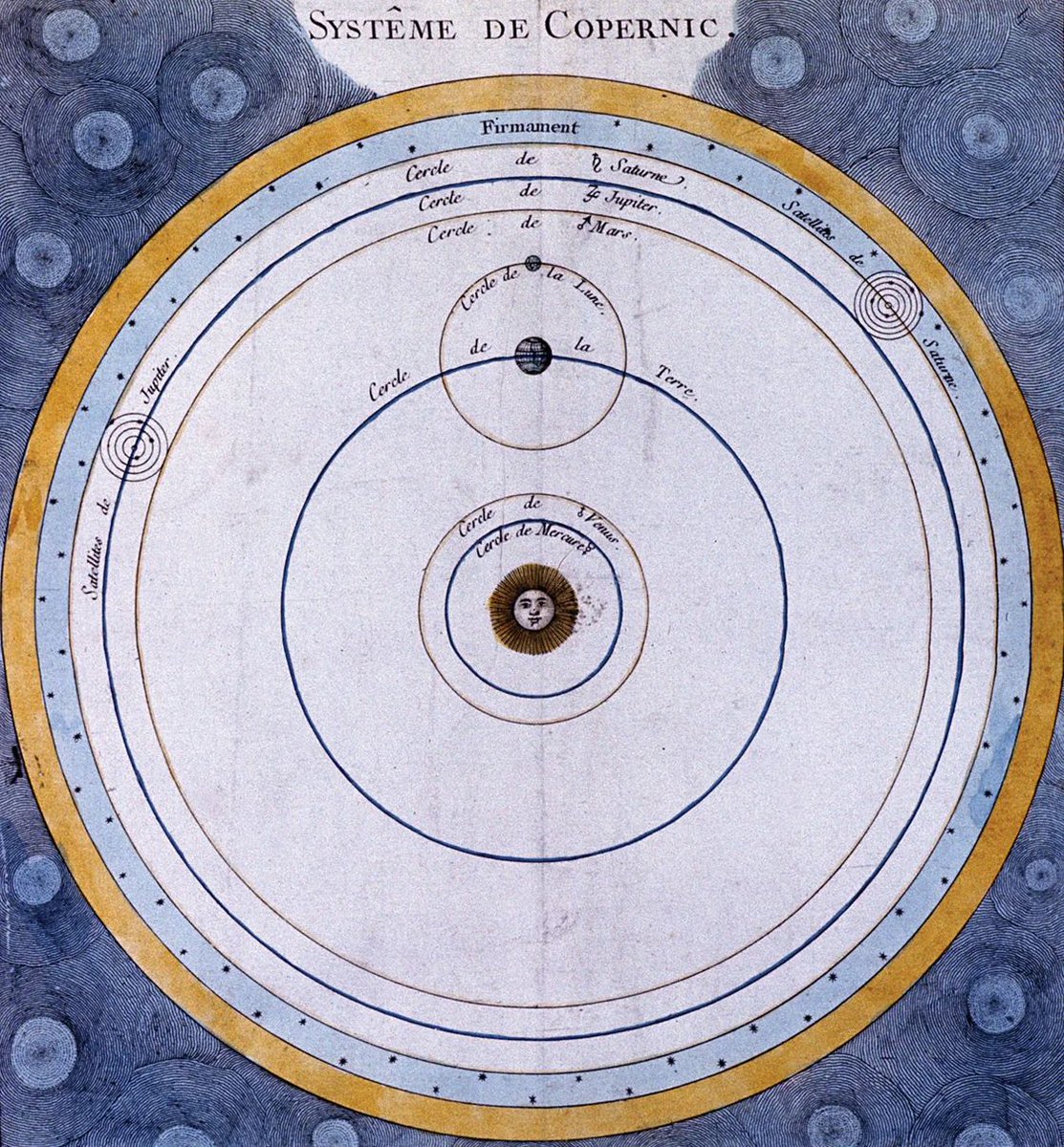
Spengler believed his new philosophy of history was so groundbreaking as to be compared with the Copernican Revolution — the discovery it was the sun and not earth at the center of the solar system. So what made his philosophy so revolutionary, and what exactly did he predict?
Spengler’s philosophy was based on two main assumptions: 1) cultures are the basic units of history, not epochs or historical periods 2) cultures are analogous to living organisms — they each have a predetermined life cycle
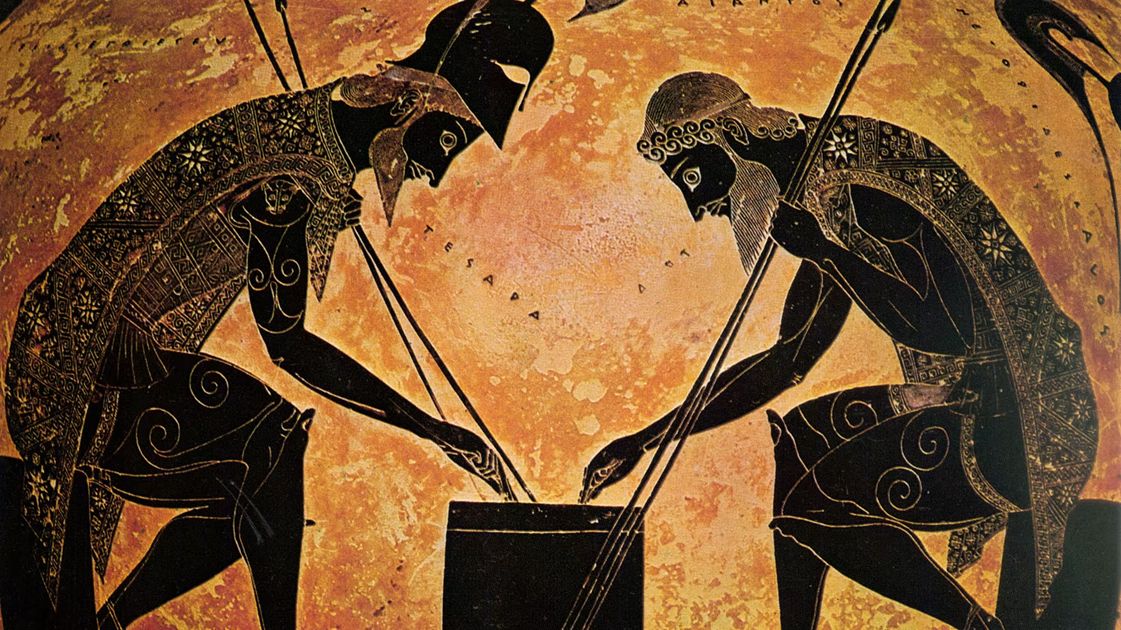
Spengler rejected the linear “ancient-medieval-modern” view of history, instead advocating for a more cyclical understanding focused on structure and form. “Morphology”, a term borrowed from biology which dealt with the structure of organisms, was central to his philosophy.
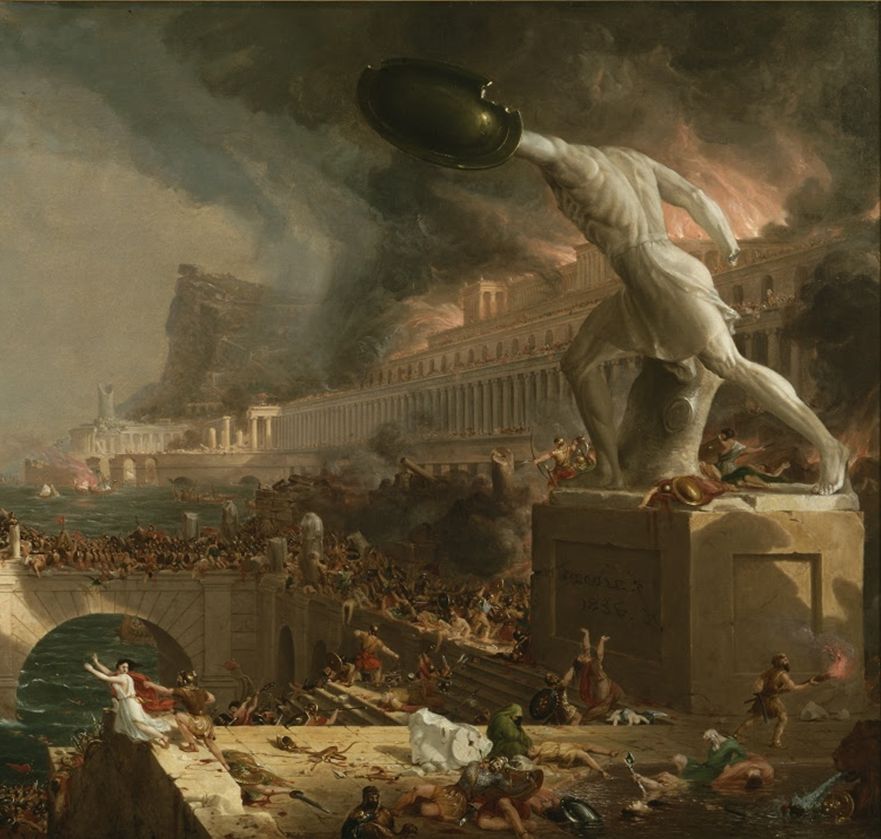

The history of mankind is not a series of developments that progressed humanity toward some ultimate aim, says Spengler. Rather, in his words: “'Mankind'… has no aim, no idea, no plan, any more than the family of butterflies or orchids. ..in place of that empty figment of one linear history which can only be kept up by shutting one’s eyes to the overwhelming multitude of the facts, the drama of a number of mighty Cultures, each springing with primitive strength from the soil of a mother region to which it remains firmly bound throughout its whole life-cycle; each stamping its material, its mankind, in its own image; each having its own idea, its own passions, its own life, will and feeling, its own death..”

More succinctly Spengler writes: "Cultures are organisms, and world-history is their collective biography." Each culture goes through its own life cycle which typically lasts ~1000 years before declining, where it undergoes its “childhood, youth, manhood, and old age."

He also compared the life cycles of cultures to seasons: cultures emerge during springtime, enjoy a blissful summer, begin to show signs of self-doubt during autumn, and finally succumb to winter where they freeze or stagnate.

The final “winter” stage is “civilization”. Where a youthful culture is constantly evolving, a culture in its civilization phase is simply expanding outward but not changing. Civilizations are no longer innovative or imaginative, but stale and fossilized.
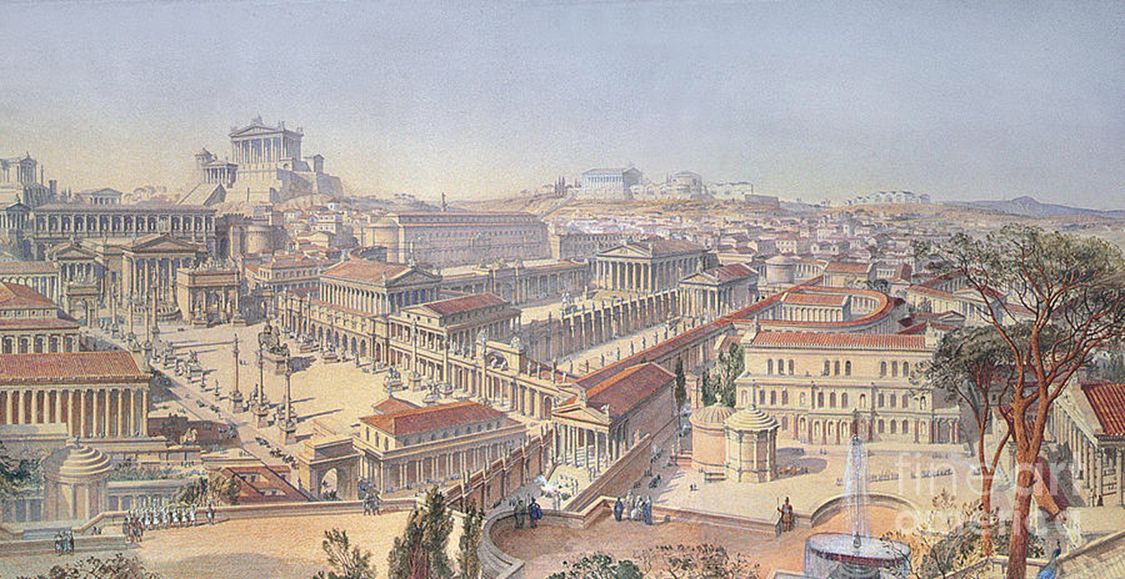
Cultures during springtime are “things-becoming” while civilizations are “things-become”. Just as an old man is the destiny of a young man, civilization is the destiny of each culture.
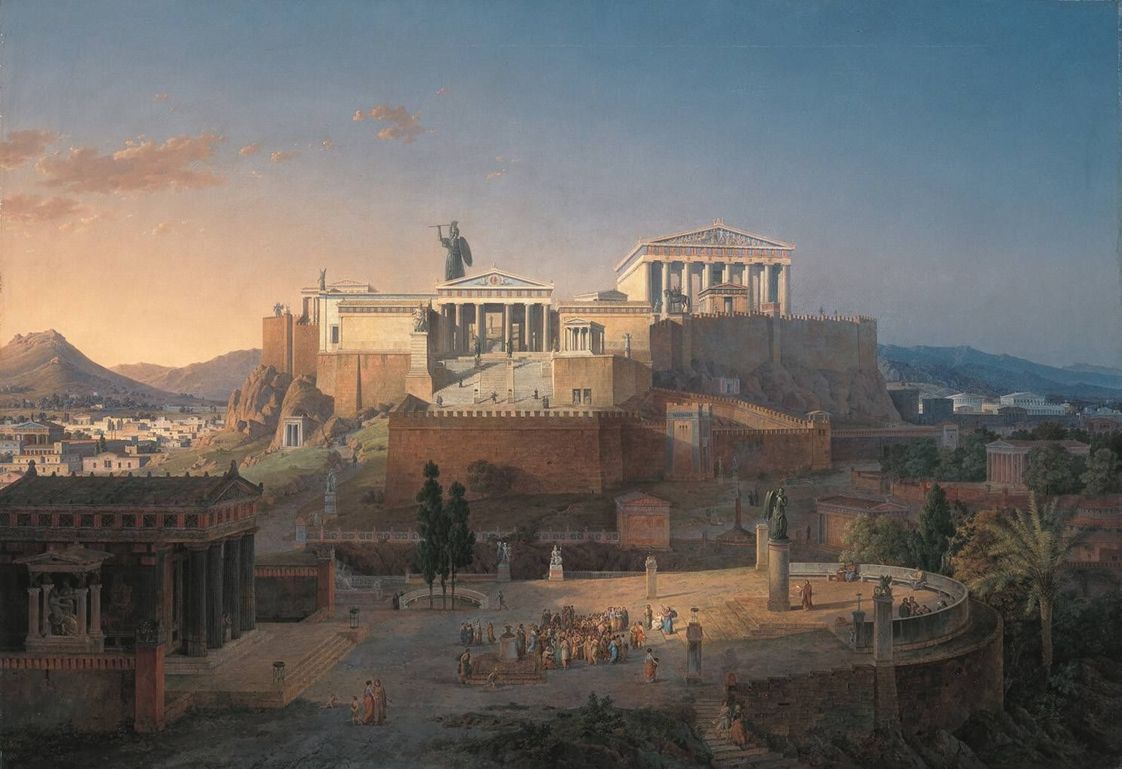
Spengler used the Classical culture as an example. The creative, inspired Greek society eventually gave way to the practical, calculating Roman civilization which spread to the ends of the known world. A cold, pragmatic mindset replaces a visionary one as a civilization expands.


This mindset shift is best embodied by the juxtaposition of city-dwellers, who make up the civilization, versus rural-born “true-types” who comprise a growing spring and summertime culture…

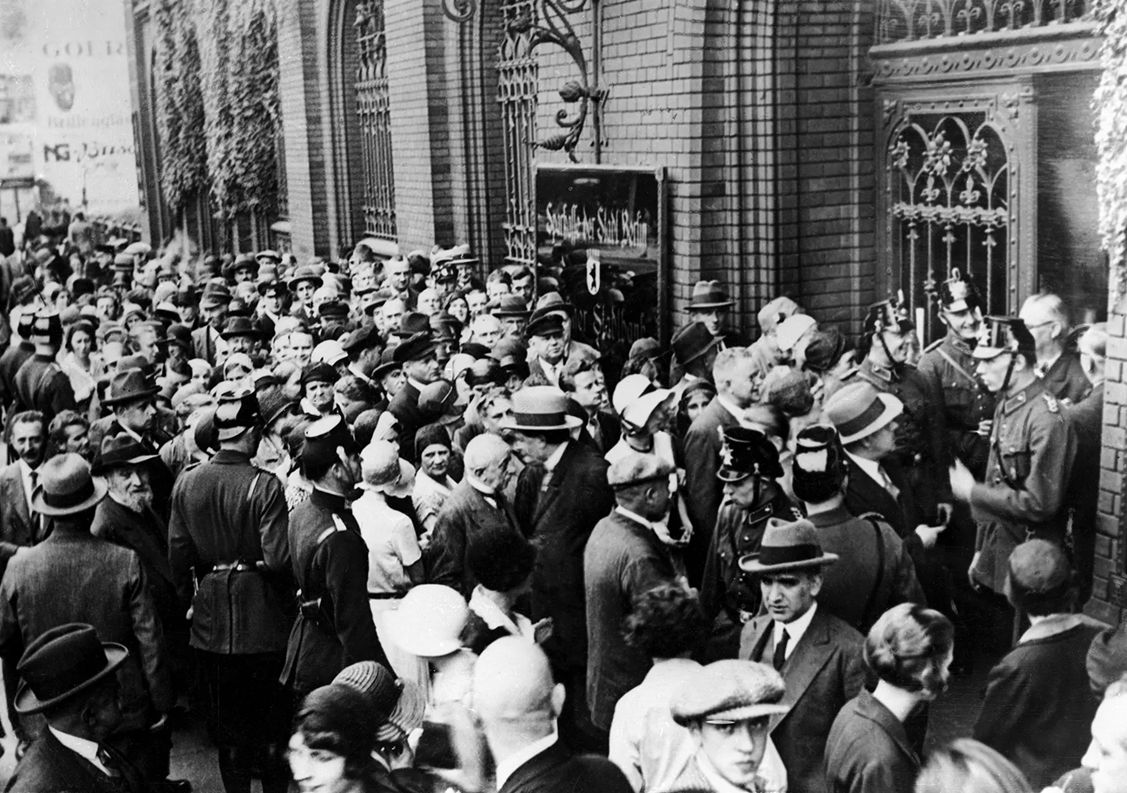
Spengler asserted that civilizations are marked by the prevalence of massive “world-cities” which give rise to a people who are rootless, clever, unfruitful, and contemptuous of their rural counterparts. World-cities are filled with mobs, not people, says Spengler.
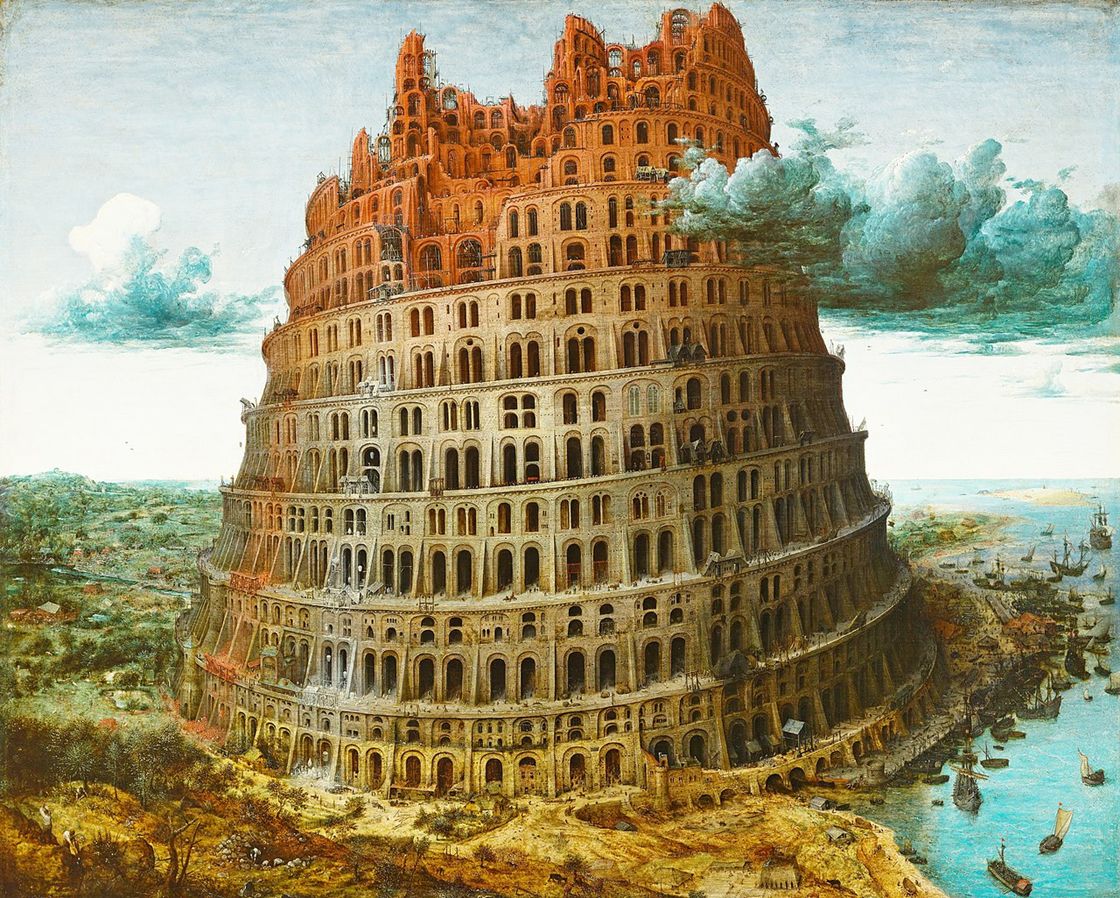
Spengler identified 8 world-significant, or “high”, cultures that have fulfilled (or were in the process of fulfilling) their life cycle: -Babylonian -Egyptiac -Indic -Sinic -Mesoamerican (Mayan/Aztec) -Classical, or “Apollonian” -Arabian, or “Magian” -Western, or “Faustian”

Each culture is unique, but the overall life structures of cultures are remarkably similar. In fact, understanding where a culture is in its life cycle means one can forecast its future. Spengler’s morphological view of history was *predictive*.

Thus a main thesis of Spengler's work was to use his framework to predict where Western culture was headed. As the title suggests, Spengler envisioned that Western culture was reaching fulfillment; notably he predicted that it nears its final stage called “Caesarism.”

Spengler believed a charismatic figure like Caesar inevitably emerges when the expansion of a civilization reaches its height, while the arts and sciences fail to create anything new. Caesarism signals the end of a civilization.
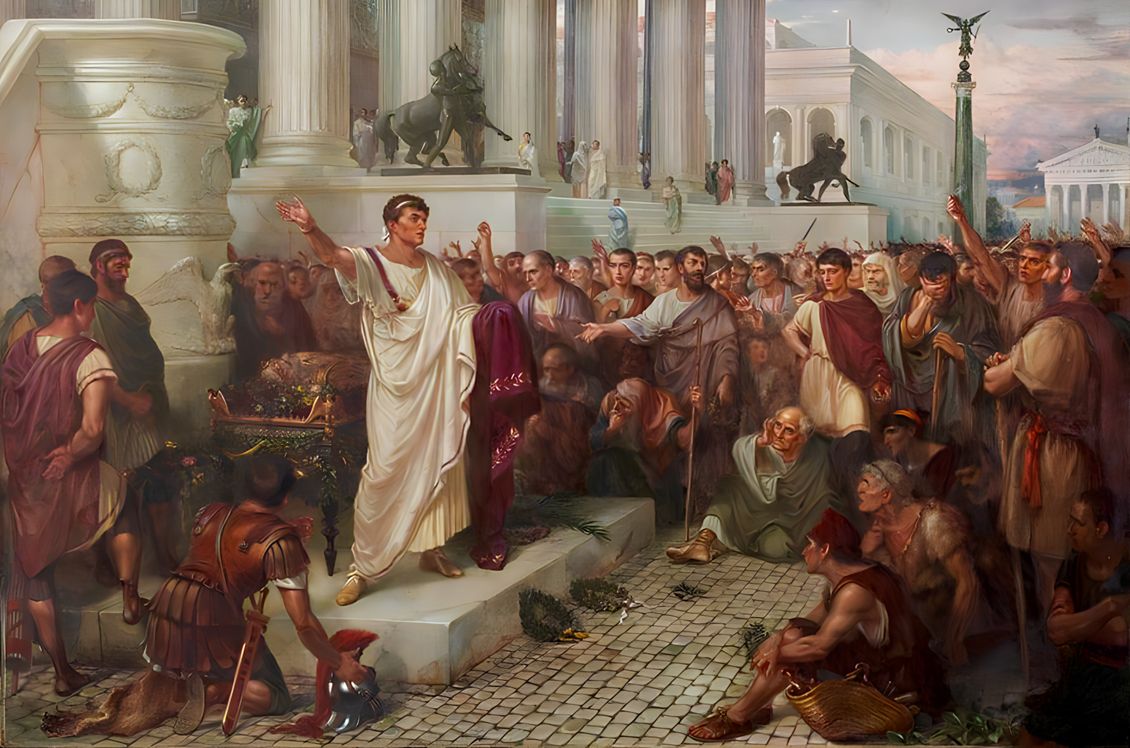
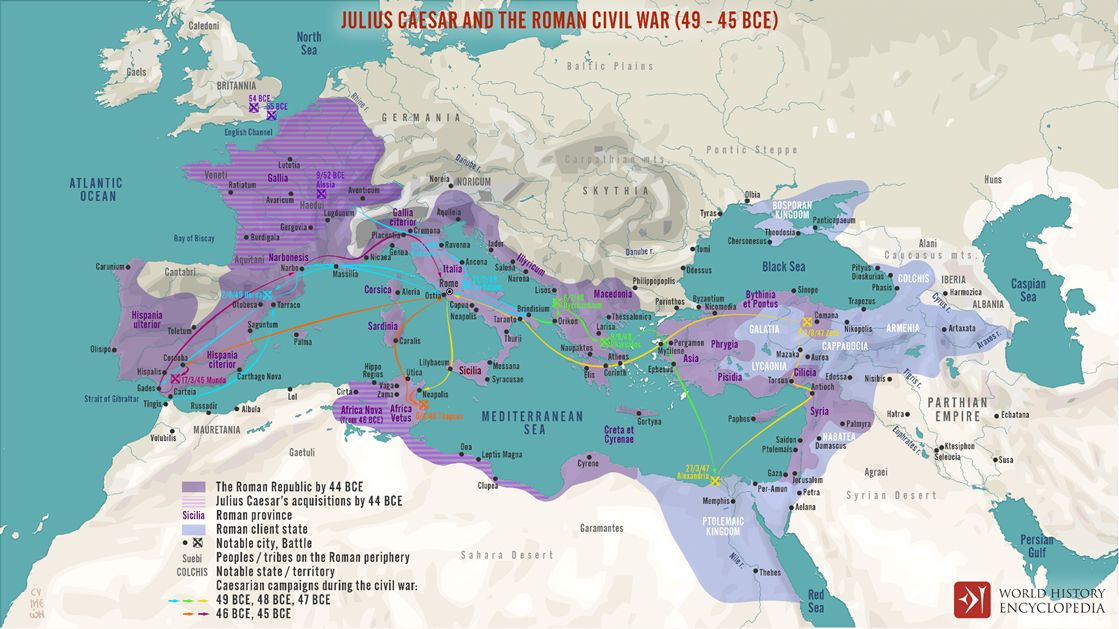
In the Classical culture, for example, its “civilization” stage began around the time of Alexander's conquest and finally culminated in the rise of Julius Caesar, where Caesarism gets its name.


Spengler believed the rise of a Caesar figure is inevitable once a civilization’s expansion has reached unmanageable levels, creating problems internally and from external foes.