@thinkingwest: Another Caesar is coming, and ...
@thinkingwest
29 views
Dec 13, 2024
1
Another Caesar is coming, and Western civilization is at a turning point, says German historian Oswald Spengler.
He claimed we live in “the most trying times known to history of a great culture."
And there's no offramp.
Buckle up.
Here's what Spengler predicted...🧵
He claimed we live in “the most trying times known to history of a great culture."
And there's no offramp.
Buckle up.
Here's what Spengler predicted...🧵
2
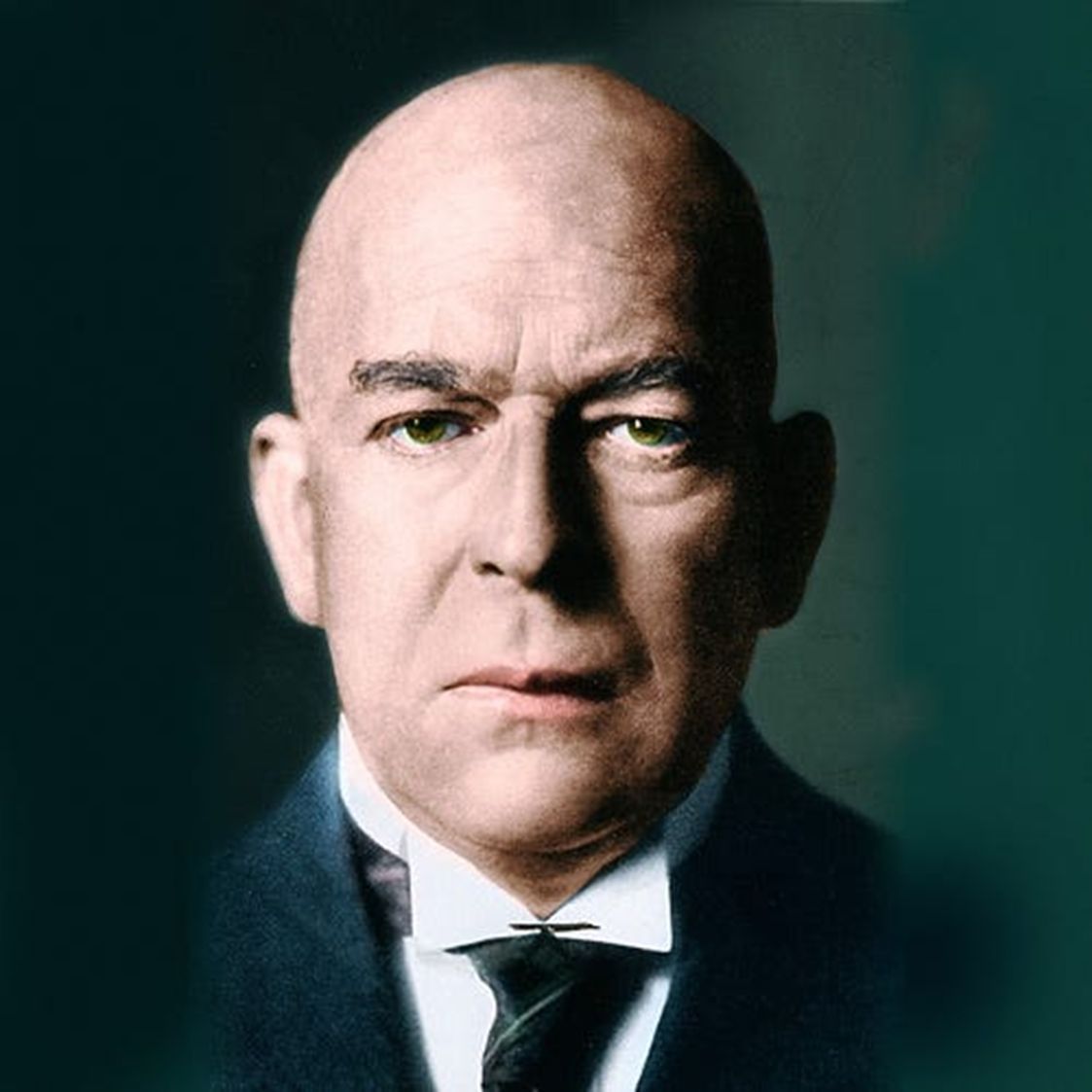
Oswald Spengler is best known for his two-volume work “Decline of the West”, first published in 1923.
A German schoolmaster turned reclusive scholar, Spengler presented a unique vision of history that predicted the rise and fall of civilizations…
A German schoolmaster turned reclusive scholar, Spengler presented a unique vision of history that predicted the rise and fall of civilizations…

3
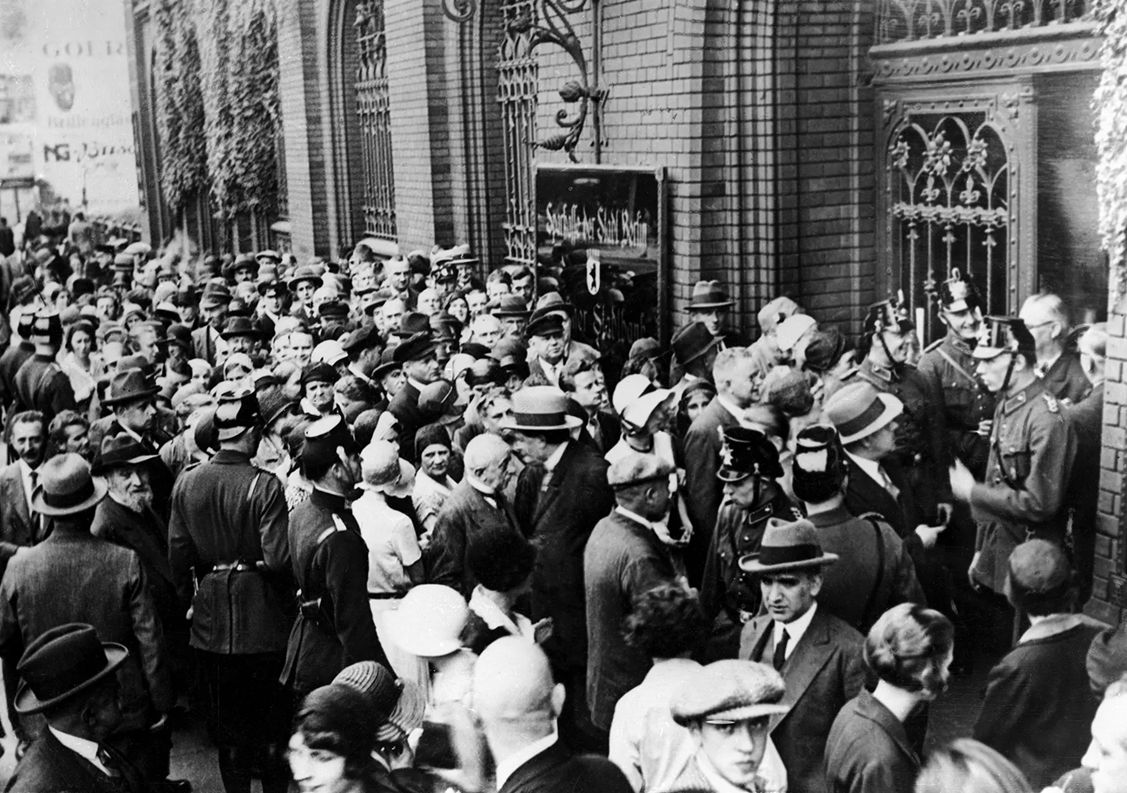
His work became an instant success upon publication, selling 100,000 copies by 1926 as its philosophy — depicting western culture as a tired civilization amidst decline — resonated with German intellectuals looking to make sense of their predicament after WWI.
4
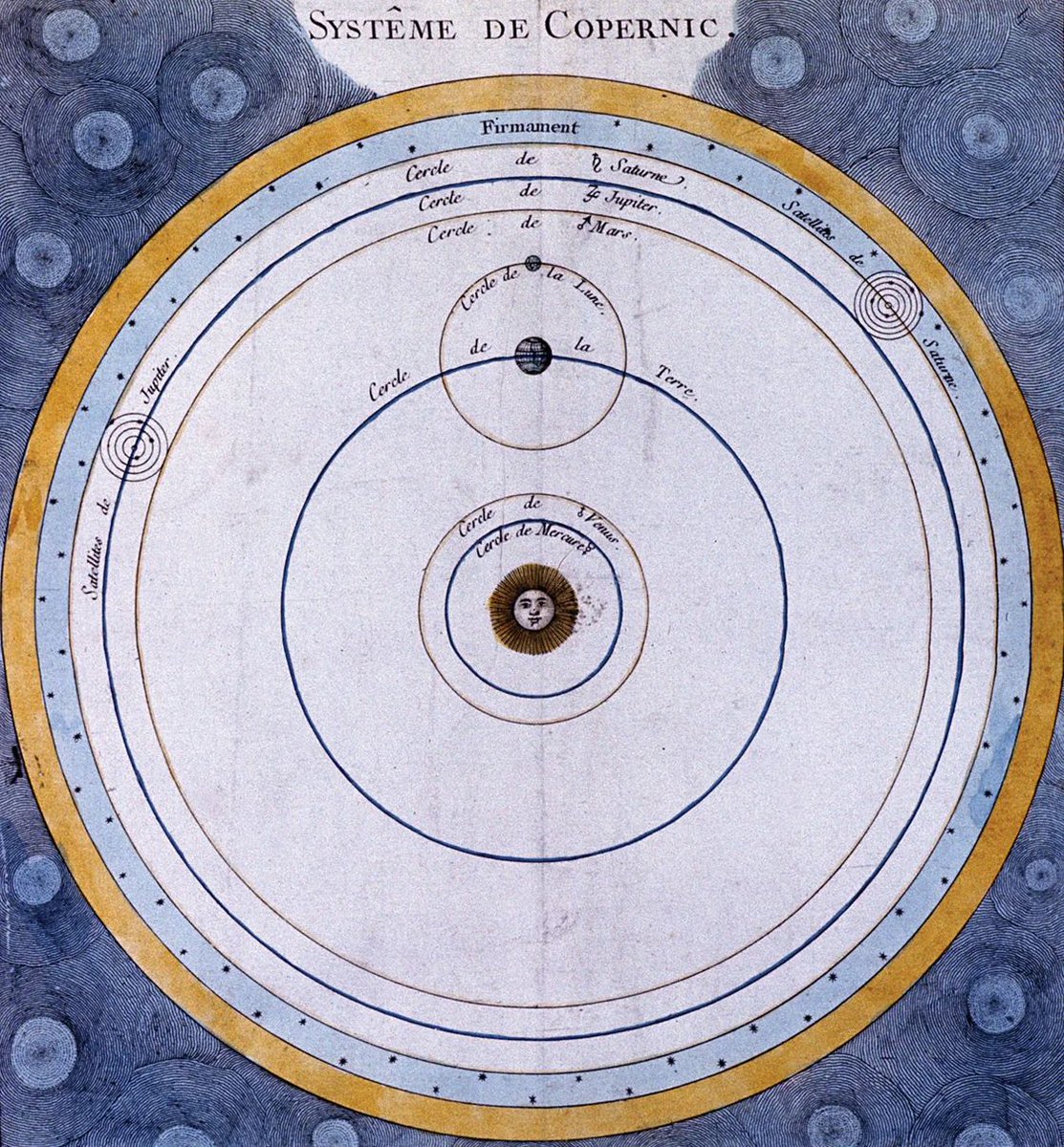
Spengler believed his new philosophy of history was so groundbreaking as to be compared with the Copernican Revolution — the discovery it was the sun and not earth at the center of the solar system.
So what made his philosophy so revolutionary, and what exactly did he predict?
So what made his philosophy so revolutionary, and what exactly did he predict?
5
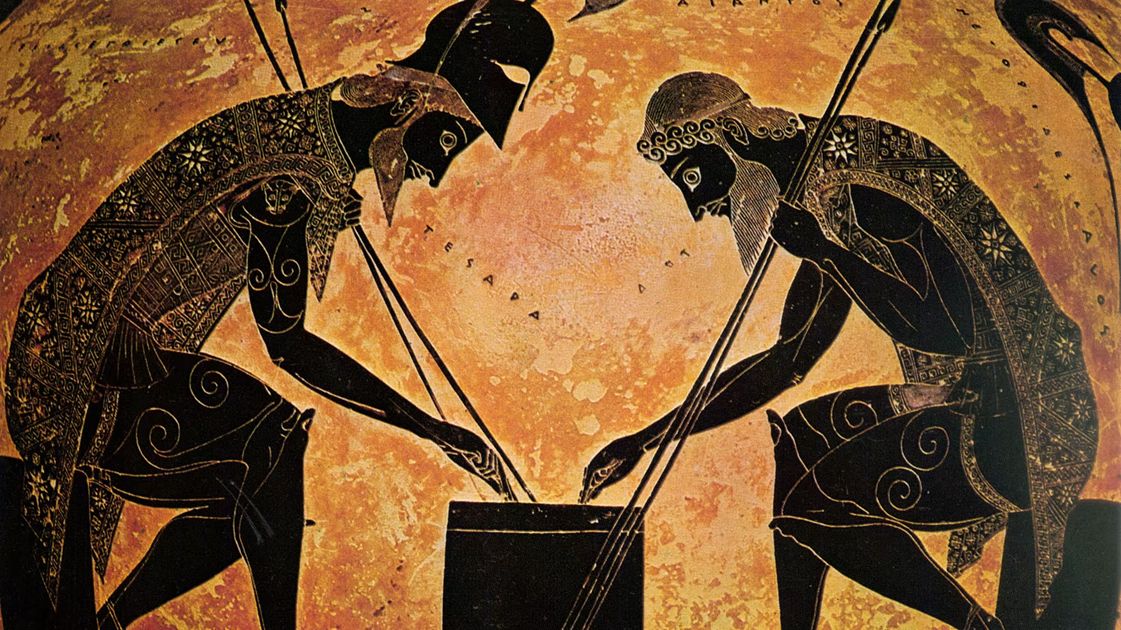
Spengler’s philosophy was based on two main assumptions:
1) cultures are the basic units of history, not epochs or historical periods
2) cultures are analogous to living organisms — they each have a predetermined life cycle
1) cultures are the basic units of history, not epochs or historical periods
2) cultures are analogous to living organisms — they each have a predetermined life cycle
6
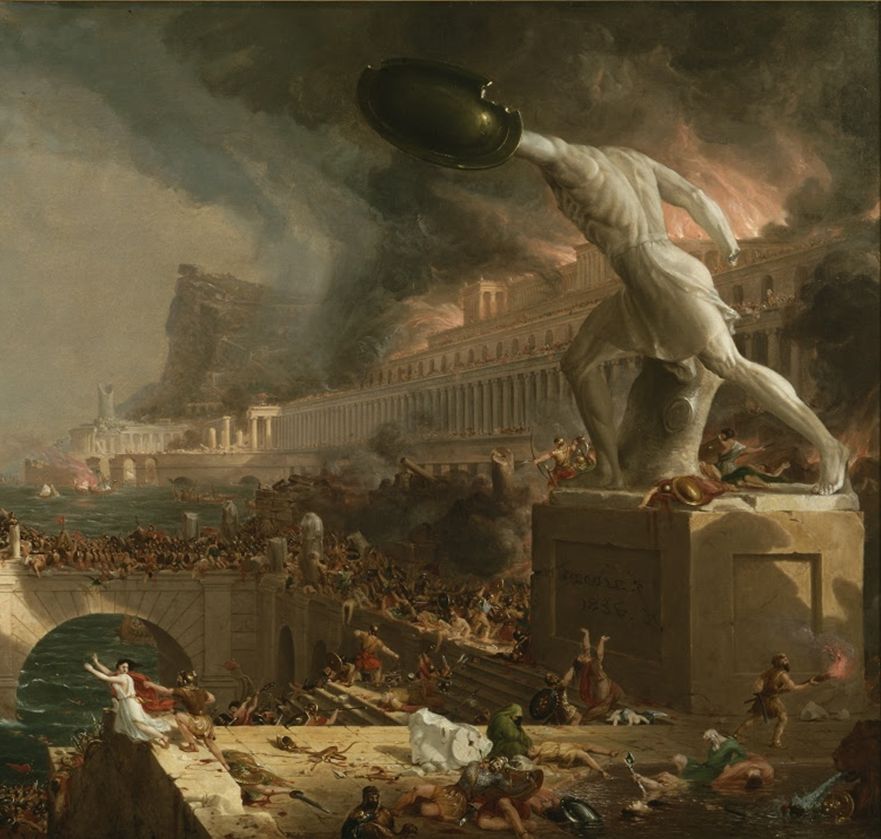
Spengler rejected the linear “ancient-medieval-modern” view of history, instead advocating for a more cyclical understanding focused on structure and form. “Morphology”, a term borrowed from biology which dealt with the structure of organisms, was central to his philosophy.

7
The history of mankind is not a series of developments that progressed humanity toward some ultimate aim, says Spengler. Rather, in his words:
“'Mankind'… has no aim, no idea, no plan, any more than the family of butterflies or orchids. ..in place of that empty figment of one linear history which can only be kept up by shutting one’s eyes to the overwhelming multitude of the facts, the drama of a number of mighty Cultures, each springing with primitive strength from the soil of a mother region to which it remains firmly bound throughout its whole life-cycle; each stamping its material, its mankind, in its own image; each having its own idea, its own passions, its own life, will and feeling, its own death..”
“'Mankind'… has no aim, no idea, no plan, any more than the family of butterflies or orchids. ..in place of that empty figment of one linear history which can only be kept up by shutting one’s eyes to the overwhelming multitude of the facts, the drama of a number of mighty Cultures, each springing with primitive strength from the soil of a mother region to which it remains firmly bound throughout its whole life-cycle; each stamping its material, its mankind, in its own image; each having its own idea, its own passions, its own life, will and feeling, its own death..”

8
More succinctly Spengler writes:
"Cultures are organisms, and world-history is their collective biography."
Each culture goes through its own life cycle which typically lasts ~1000 years before declining, where it undergoes its “childhood, youth, manhood, and old age."
"Cultures are organisms, and world-history is their collective biography."
Each culture goes through its own life cycle which typically lasts ~1000 years before declining, where it undergoes its “childhood, youth, manhood, and old age."

9
He also compared the life cycles of cultures to seasons: cultures emerge during springtime, enjoy a blissful summer, begin to show signs of self-doubt during autumn, and finally succumb to winter where they freeze or stagnate.

10
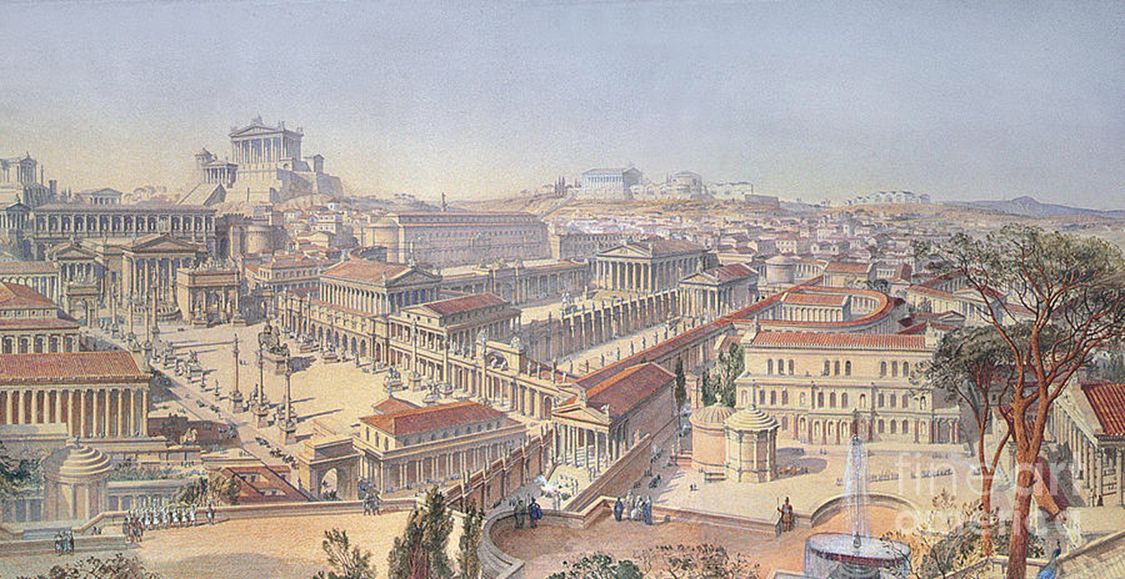
The final “winter” stage is “civilization”. Where a youthful culture is constantly evolving, a culture in its civilization phase is simply expanding outward but not changing.
Civilizations are no longer innovative or imaginative, but stale and fossilized.
Civilizations are no longer innovative or imaginative, but stale and fossilized.
11
Cultures during springtime are “things-becoming” while civilizations are “things-become”.
Just as an old man is the destiny of a young man, civilization is the destiny of each culture.
Just as an old man is the destiny of a young man, civilization is the destiny of each culture.
12
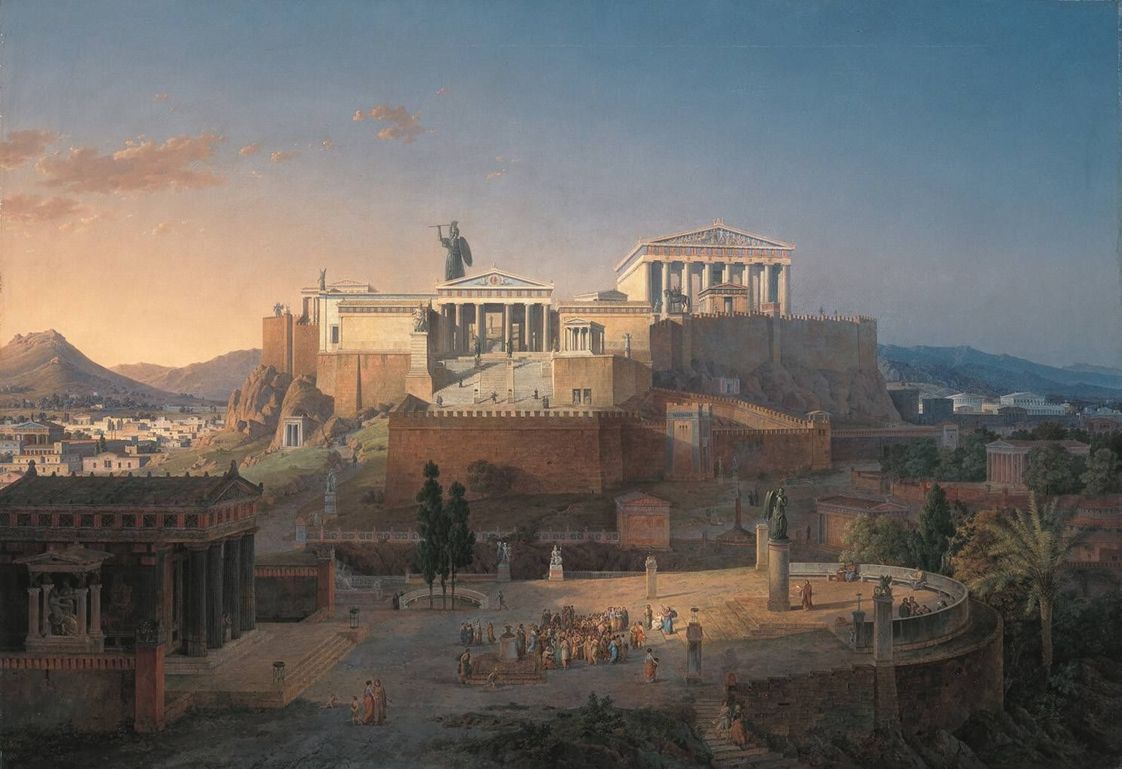
Spengler used the Classical culture as an example. The creative, inspired Greek society eventually gave way to the practical, calculating Roman civilization which spread to the ends of the known world.
A cold, pragmatic mindset replaces a visionary one as a civilization expands.
A cold, pragmatic mindset replaces a visionary one as a civilization expands.


13
This mindset shift is best embodied by the juxtaposition of city-dwellers, who make up the civilization, versus rural-born “true-types” who comprise a growing spring and summertime culture…

14
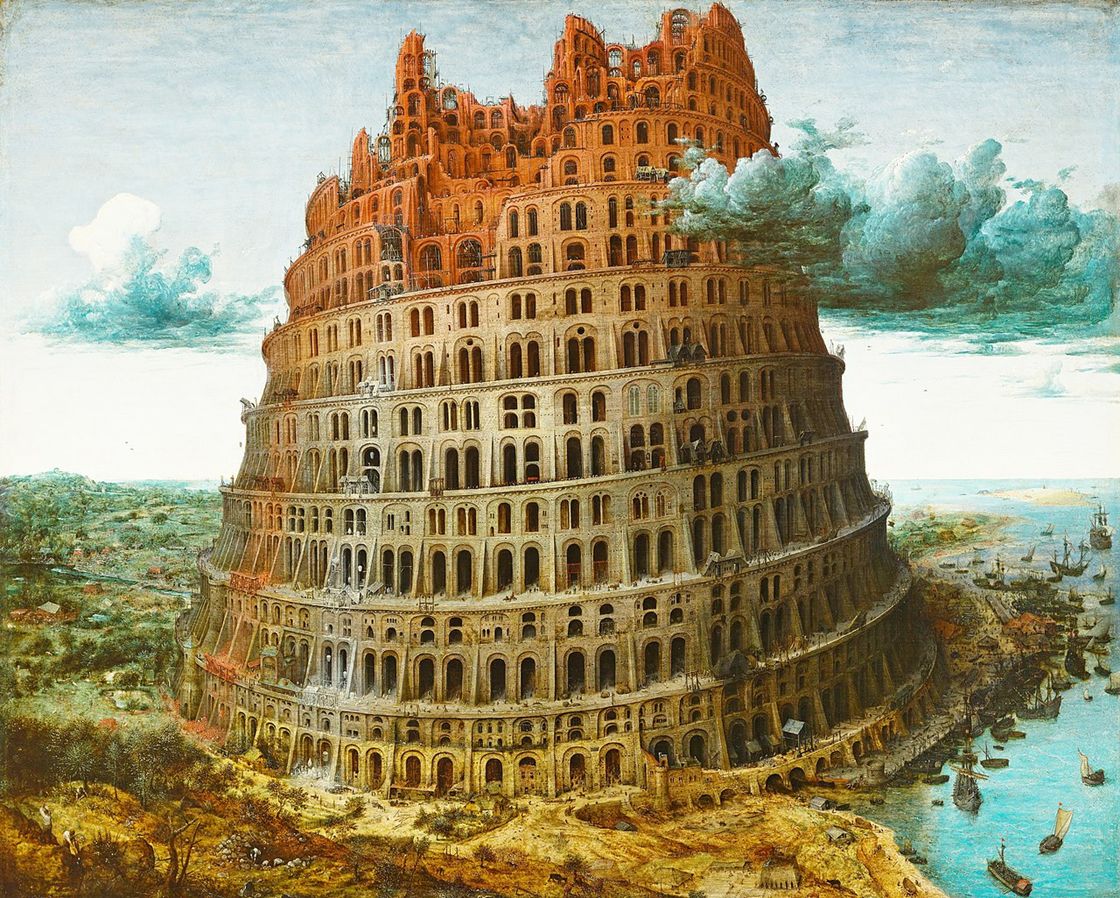
Spengler asserted that civilizations are marked by the prevalence of massive “world-cities” which give rise to a people who are rootless, clever, unfruitful, and contemptuous of their rural counterparts.
World-cities are filled with mobs, not people, says Spengler.
World-cities are filled with mobs, not people, says Spengler.
15
Spengler identified 8 world-significant, or “high”, cultures that have fulfilled (or were in the process of fulfilling) their life cycle:
-Babylonian
-Egyptiac
-Indic
-Sinic
-Mesoamerican (Mayan/Aztec)
-Classical, or “Apollonian”
-Arabian, or “Magian”
-Western, or “Faustian”
-Babylonian
-Egyptiac
-Indic
-Sinic
-Mesoamerican (Mayan/Aztec)
-Classical, or “Apollonian”
-Arabian, or “Magian”
-Western, or “Faustian”

16
Each culture is unique, but the overall life structures of cultures are remarkably similar. In fact, understanding where a culture is in its life cycle means one can forecast its future.
Spengler’s morphological view of history was *predictive*.
Spengler’s morphological view of history was *predictive*.

17
Thus a main thesis of Spengler's work was to use his framework to predict where Western culture was headed.
As the title suggests, Spengler envisioned that Western culture was reaching fulfillment; notably he predicted that it nears its final stage called “Caesarism.”
As the title suggests, Spengler envisioned that Western culture was reaching fulfillment; notably he predicted that it nears its final stage called “Caesarism.”

18
Spengler believed a charismatic figure like Caesar inevitably emerges when the expansion of a civilization reaches its height, while the arts and sciences fail to create anything new.
Caesarism signals the end of a civilization.
Caesarism signals the end of a civilization.
19
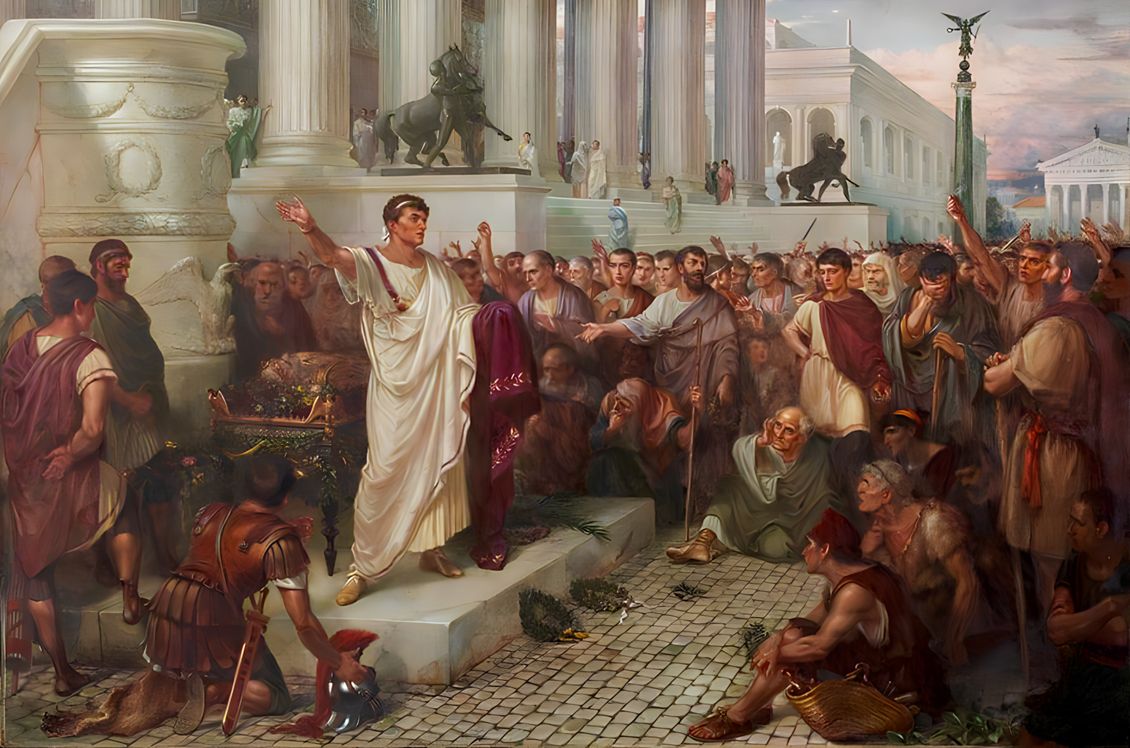
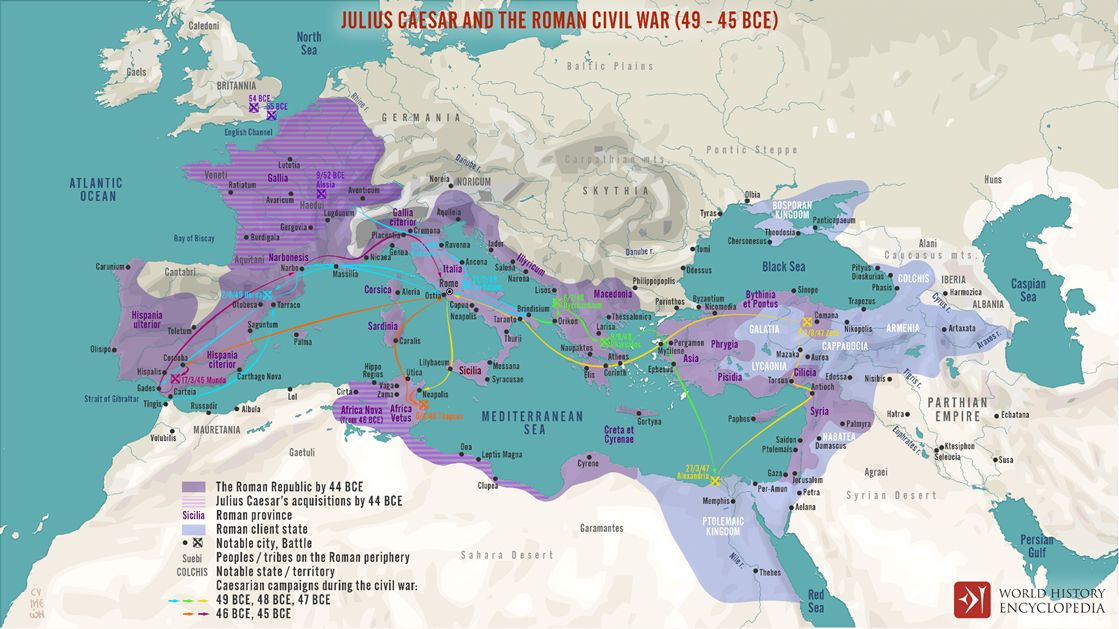
In the Classical culture, for example, its “civilization” stage began around the time of Alexander's conquest and finally culminated in the rise of Julius Caesar, where Caesarism gets its name.


20
Spengler believed the rise of a Caesar figure is inevitable once a civilization’s expansion has reached unmanageable levels, creating problems internally and from external foes.
21
Spengler writes:
"The way from Alexander to Caesar is unambiguous and unavoidable, and the strongest nation of any and every culture, consciously or unconsciously, willing or unwilling, has had to tread it. From the rigor of these facts there is no refuge."
"The way from Alexander to Caesar is unambiguous and unavoidable, and the strongest nation of any and every culture, consciously or unconsciously, willing or unwilling, has had to tread it. From the rigor of these facts there is no refuge."
22
So why did he believe the West was now approaching Caesarism?
A few symptoms forbode its rise:
-a “battling society of nations”, where the scale of warfare increases
-an “accelerating demolition of ancient forms” — a forsaking of old traditions/institutions
-dictatorial money-economics, which uses democracy as a weapon
A few symptoms forbode its rise:
-a “battling society of nations”, where the scale of warfare increases
-an “accelerating demolition of ancient forms” — a forsaking of old traditions/institutions
-dictatorial money-economics, which uses democracy as a weapon

23
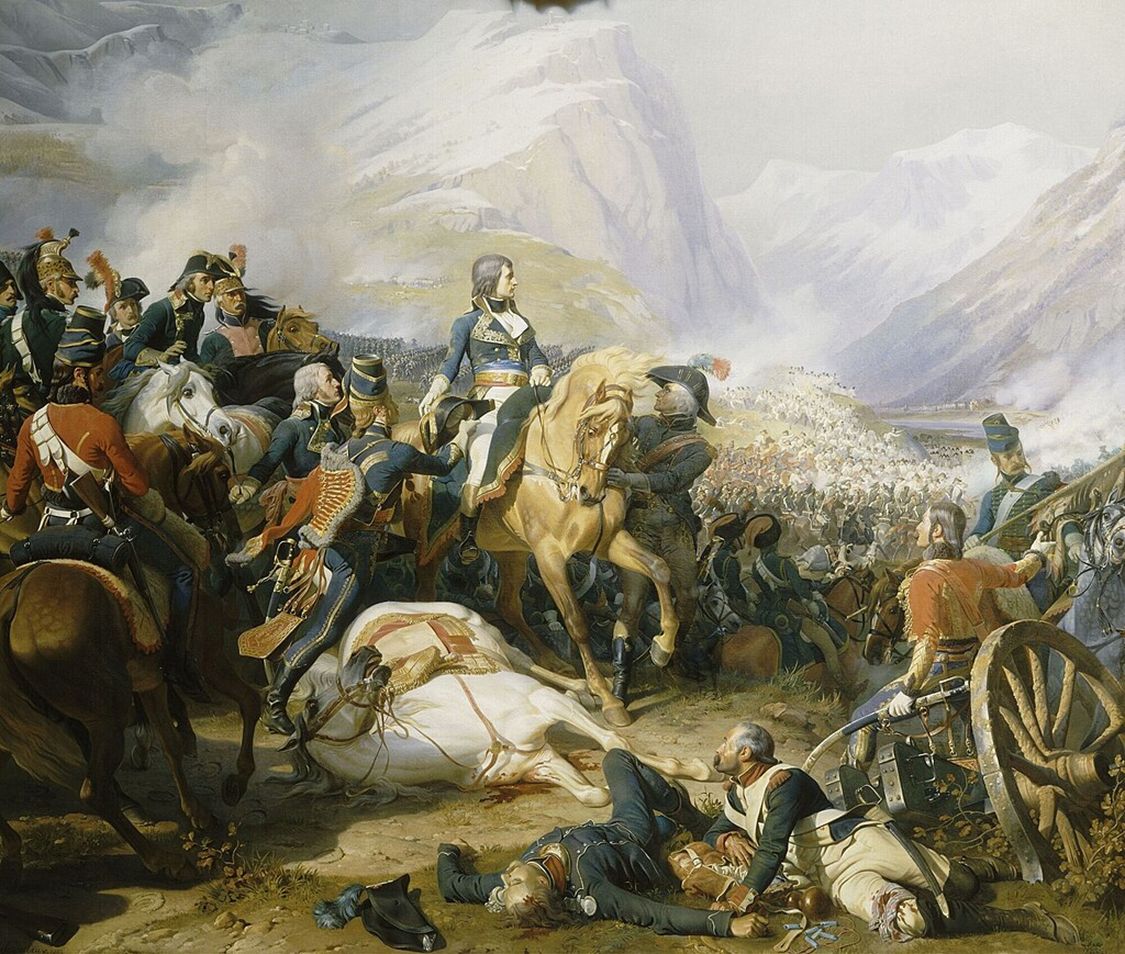
Every civilization headed toward Caesarism is marked by massive wars not yet seen on a scale since that culture's inception.
For the West, the Napoleonic wars, which engulfed all of Europe and introduced the possibility of continental domination, set off this period.
For the West, the Napoleonic wars, which engulfed all of Europe and introduced the possibility of continental domination, set off this period.
24
The American Civil War, then the First World War, continued this trend, and Spengler predicted more large wars to come during the next century. He was, of course, quickly proven right with WWII and then the Cold War which set continent-sized adversaries against each other.

25
At the same time as seemingly endless warfare, a civilization begins unburdening itself of traditions, norms, and long-held institutions.
In the Classical culture, this began circa 450 BC, around the time of Socrates, who famously questioned the foundations of Athenian society.
In the Classical culture, this began circa 450 BC, around the time of Socrates, who famously questioned the foundations of Athenian society.

26
In Western civilization, the Enlightenment in the 17th and 18th centuries is analogous .
Once this questioning — and ultimately destabilizing — attitude appears in a culture, Caesarism “suddenly outlines itself on the horizon.”
Once this questioning — and ultimately destabilizing — attitude appears in a culture, Caesarism “suddenly outlines itself on the horizon.”

27
Another signal that Caesarism is imminent is the rise of money’s influence throughout society. Spengler said that “democracy is the political weapon of ‘money’, and the media are the means through which money operates a democratic political system.”

28
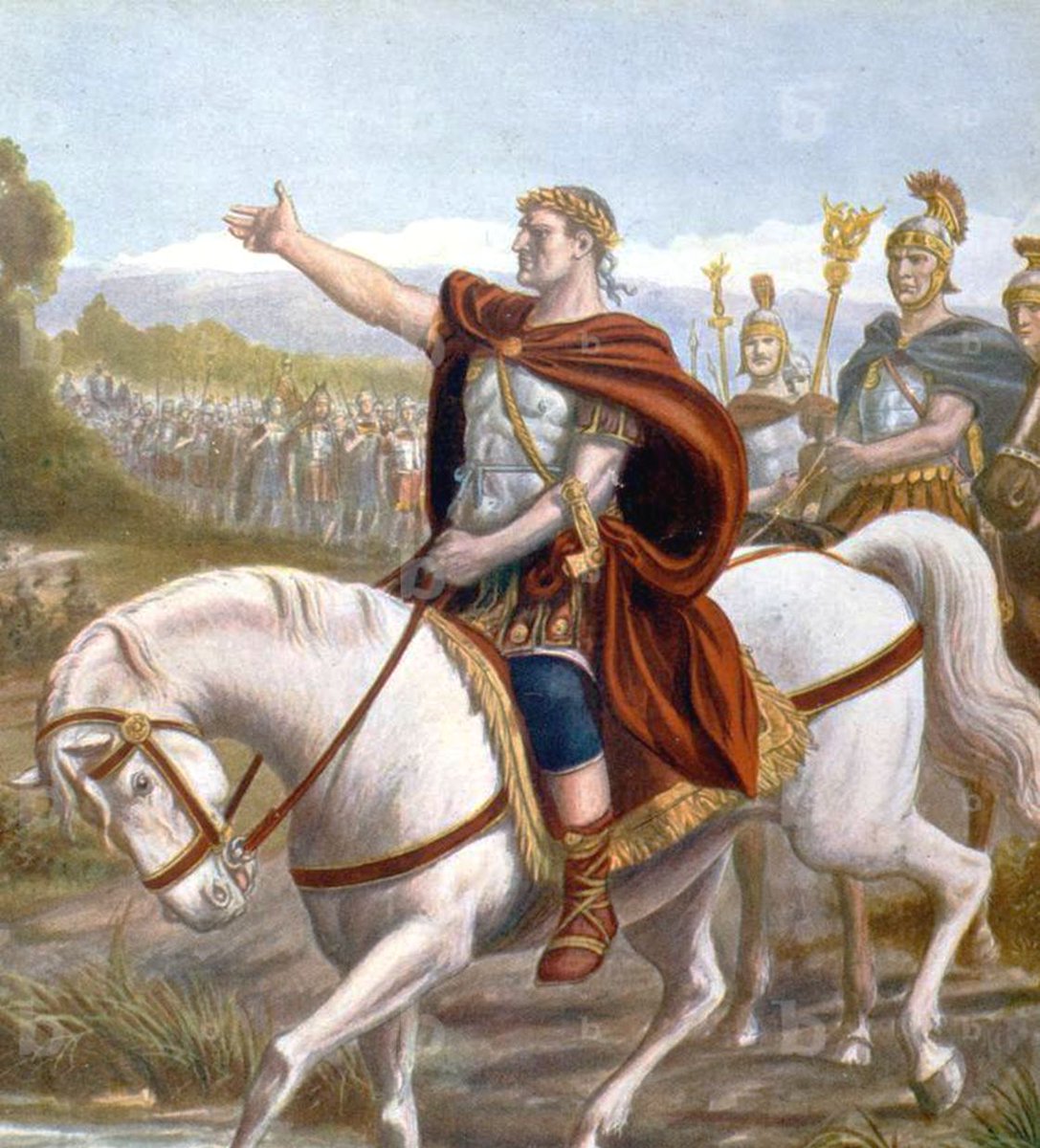
Caesarism is thus a reaction against this system, where raw political or even physical power is wielded to subdue this “dictature of money.”
To some, the Caesar figure comes as a liberator against the status-quo.
To some, the Caesar figure comes as a liberator against the status-quo.
29
Spengler writes:
“The coming of Caesarism breaks the dictature of money and its political weapon, democracy…The sword is victorious over the money, the master-will subdues again the plunderer-will.”
“The coming of Caesarism breaks the dictature of money and its political weapon, democracy…The sword is victorious over the money, the master-will subdues again the plunderer-will.”

30
And Spengler concisely sums up the tension between the moneyed interests and the Caesar figure, who uses force to accomplish his goal:
“Money is overthrown and abolished only by blood.”
“Money is overthrown and abolished only by blood.”
31
Spengler believed all these signs were being realized during his own time and predicted that a Caesar figure would arise in the next century, placing him sometime around the 2020’s.
Which leaves some asking if the Caesar figure has already arrived.
Which leaves some asking if the Caesar figure has already arrived.


32
Though he is often viewed as overly-deterministic, Spengler did not think his philosophy was a reason to abdicate one’s responsibility. Rather, one must accept the state of things and strive to live well during difficult times.

33
Spengler writes:
"The alternatives now are to stand fast or go under—there is no middle course. It falls to us to live in the most trying times known to history of a great culture."
"The alternatives now are to stand fast or go under—there is no middle course. It falls to us to live in the most trying times known to history of a great culture."

34
“Decline of the West” remains one of the most perspective-shifting visions yet put forth as a philosophy of history.
Many of Spengler’s predictions have come to fruition — and soon, if his philosophy proves true, the West will be confronted with these ”trying times.”
Many of Spengler’s predictions have come to fruition — and soon, if his philosophy proves true, the West will be confronted with these ”trying times.”

35
To Spengler, the question was not if they would happen, but rather how will we react?

36
If you enjoyed this thread and would like to join the mission of promoting western civilization, kindly repost the first post (linked below) and consider following: @thinkingwest
View Tweet