11. Now for the really smart in my class:
Imagine electric charges as tiny magnets or batteries scattered around you, creating an invisible "push" called the electric field (let’s call it the "energy breeze"). Gauss's Law helps us understand how this breeze behaves. Here’s the breakdown:
The "spread" of this energy breeze (think of it like air blowing outward from a fan) depends on how many charges are packed into a space—let’s call this the "charge crowd."
Space itself has a natural "stretchiness" (we’ll call it its "give"), which affects how far the breeze can reach.
The rule, simply put, is:
The more crowded the charges are in a spot, the more the energy breeze spreads out from that spot, depending on the available space. Think about the mitochondria paper now during fasting........I DARE YOU TOO
Picture a crowded room at a party. The more people (charges) crammed in, the more they push and spread out into the hallway (the electric field). But if the hallway is narrow or stiff (low "give" of space), the spread is limited. In science terms, this "give" is called the permittivity of free space, and the equation ∇ · E = ρ / ε₀ ties it all together: the spread of the breeze equals the charge crowd divided by space’s stretchiness.
So, wherever there’s a big buildup of charge, the energy breeze gets stronger and spreads more, like people spilling out of a full room. The nature of the space around them decides how far they can go. Now you’ve got the gist of Gauss's Law, pretty cool, right? Melatonin was created and moved from the gut and brain and placed inside the mitochondria to take full advantage of Gauss' Law.
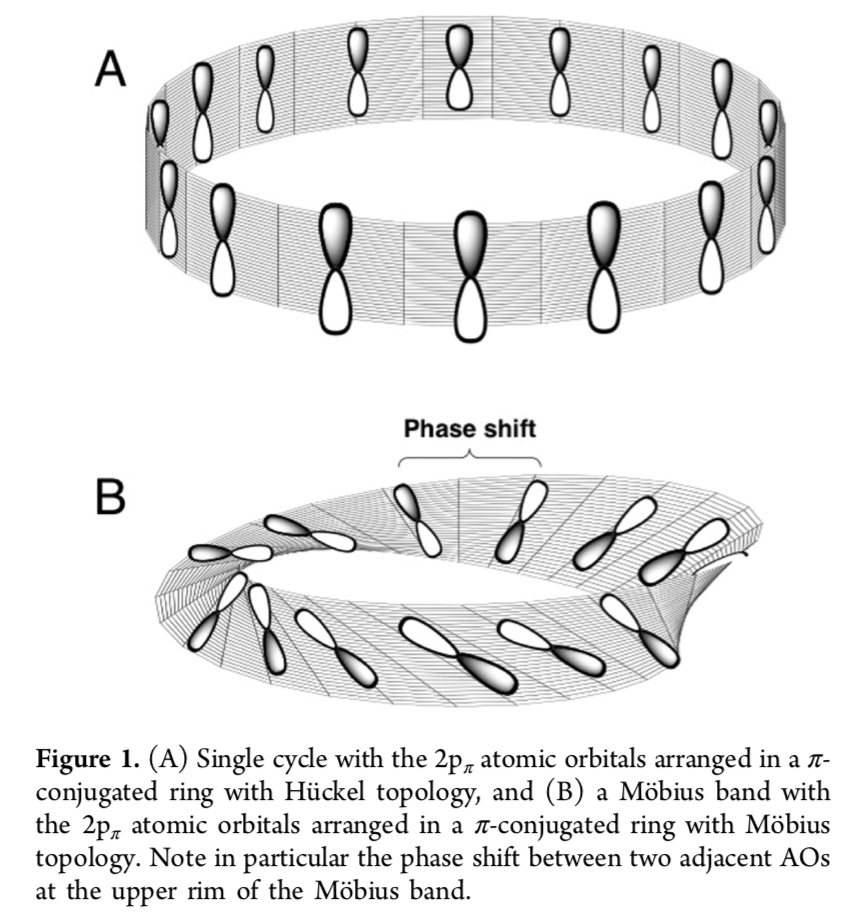
Now you are beginning to understand quantum thermodynamics of life. IT is all about topology in optical systems.
Topological Order from Measurements and Feed-Forward on a Trapped Ion Quantum Computer
Experimental Demonstration of the Advantage of Adaptive Quantum Circuits
patreon.com/posts/cpc-52-s…