@SolarDTM: an inquisitive treatise on jjk...
@SolarDTM
36 views
May 25, 2026
Advertisement
1
an inquisitive treatise on jjk's political nature 🧵
critical analysis of gege's critique of extremism, anti-convertatism, and how an aristocracy + gerontocracy driven society slowly turned into a kratocracy.
critical analysis of gege's critique of extremism, anti-convertatism, and how an aristocracy + gerontocracy driven society slowly turned into a kratocracy.

2
i. preface
ii. structure & order
iii. the economy of ct
iv. ideological fault lines
v. extremism
vi. sovereignty and stability
vii. the collapse of jujutsu society
viii. culling games as a hobbesian state of nature
ix. hereditary logic
x. aristocracy to kratocracy
xi. end
ii. structure & order
iii. the economy of ct
iv. ideological fault lines
v. extremism
vi. sovereignty and stability
vii. the collapse of jujutsu society
viii. culling games as a hobbesian state of nature
ix. hereditary logic
x. aristocracy to kratocracy
xi. end
3
i.
in terms of profound details hidden beneath the depths of an anime narrative, submerged under a deep lens of media literacy and analytical undercurrent, jjk holds a prestigious title in this vein. ranging from politics, theology, and general philosophy, theres much to unpack.
in terms of profound details hidden beneath the depths of an anime narrative, submerged under a deep lens of media literacy and analytical undercurrent, jjk holds a prestigious title in this vein. ranging from politics, theology, and general philosophy, theres much to unpack.

4
it doesn't perplex the average reader that jujutsu society is heavily reliant on power and traditionalist conservatism. factors like legitimacy, violence, and institutional decay contribute to this greed.
this leads us to seek meaning and what find what gege implies narratively
this leads us to seek meaning and what find what gege implies narratively
5
in this essay, i will explore several political aspects of jjk, including the meritocracy (rule by talented) and gerontocracy (rule by elderly) of jjk, as well as how it led to a disorderly kratocracy (rule by strongest) following extermination of jujutsu hq and the zenin clan

6
ii.
how does jjk function?
we must begin with this question, jujutsu society is fundamentally ruled by meritocractic and gerontocractic rule, jujutsu hq is described to be "older" men, similar to gakuganji. we eventually learn that this structure is extremely rigid and hollow.
how does jjk function?
we must begin with this question, jujutsu society is fundamentally ruled by meritocractic and gerontocractic rule, jujutsu hq is described to be "older" men, similar to gakuganji. we eventually learn that this structure is extremely rigid and hollow.

7
clan structure is important too, the clan system is inherited aristocracy and feudal rule, making society radically conservative
this conservatism is very detrimental, as it is something MANY characters we see are affected by, not only is it unfair, it values power over people
this conservatism is very detrimental, as it is something MANY characters we see are affected by, not only is it unfair, it values power over people
8
this ties directly into cursed techniques, as cursed techniques are treated as inherited capital and concentrating power within bloodlines such as the gojo, zenin, and kamo families. in this logic, biological inheritance determines one’s proximity to political and social power.

9
later on, we learn that certain cursed techniques are valued for how "traditional" they are, with higher-ups valuing ones they are familiar with rather than complex & overpowered ones (this is why nobara is valued highly to jujutsu hq)
the higher-ups dislike unpredictability.
the higher-ups dislike unpredictability.

10
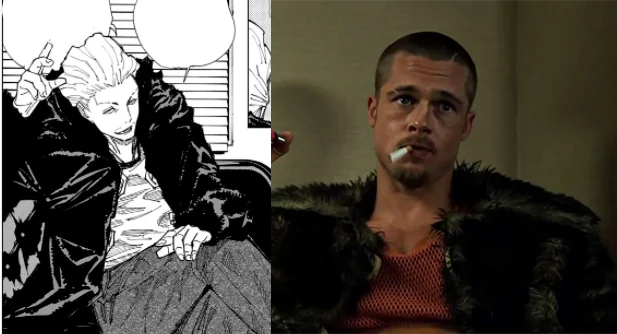
this logic is a contributor to why characters such as hakari, kirara, and yuki went on their own routes with an anti-conservative mindset, due to their unpredictable cursed techniques, they were viewed as enemies by higher-ups
this is the reason why hakari started his fight club
this is the reason why hakari started his fight club
11
iii.
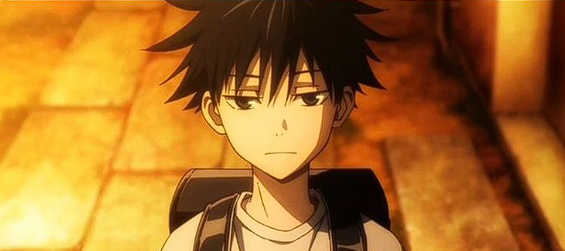
due to the "inhereted curse technique" dilemma, it started to become an economy source due to political potential. ct's become commodified, and sorcerers function as assets embedded in a political economy of violence, where their abilities are evaluated
for example, megumi
due to the "inhereted curse technique" dilemma, it started to become an economy source due to political potential. ct's become commodified, and sorcerers function as assets embedded in a political economy of violence, where their abilities are evaluated
for example, megumi
12
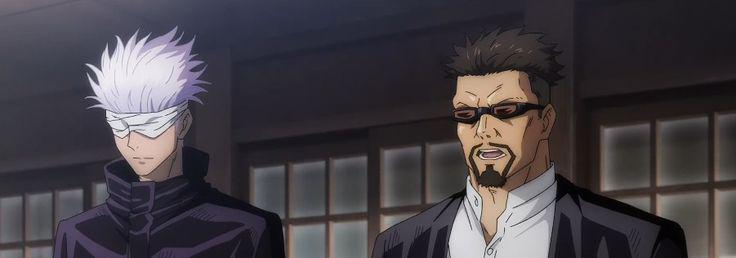
jujutsu hq reinforces this economy by formalizing sorcerer rank converting metaphysical ability into bureaucratic classification. even nominally meritocratic figures like gojo or yaga operate within and against this structure, exposing the tension between skill and inheritance
13
cursed energy becomes the currency through which both domination and survival are negotiated, binding metaphysical ability to a deeply stratified system of social reproduction.
we see the system reward bad people like mei mei in terms of capitalistic greed
sorcerers = assets
we see the system reward bad people like mei mei in terms of capitalistic greed
sorcerers = assets

14
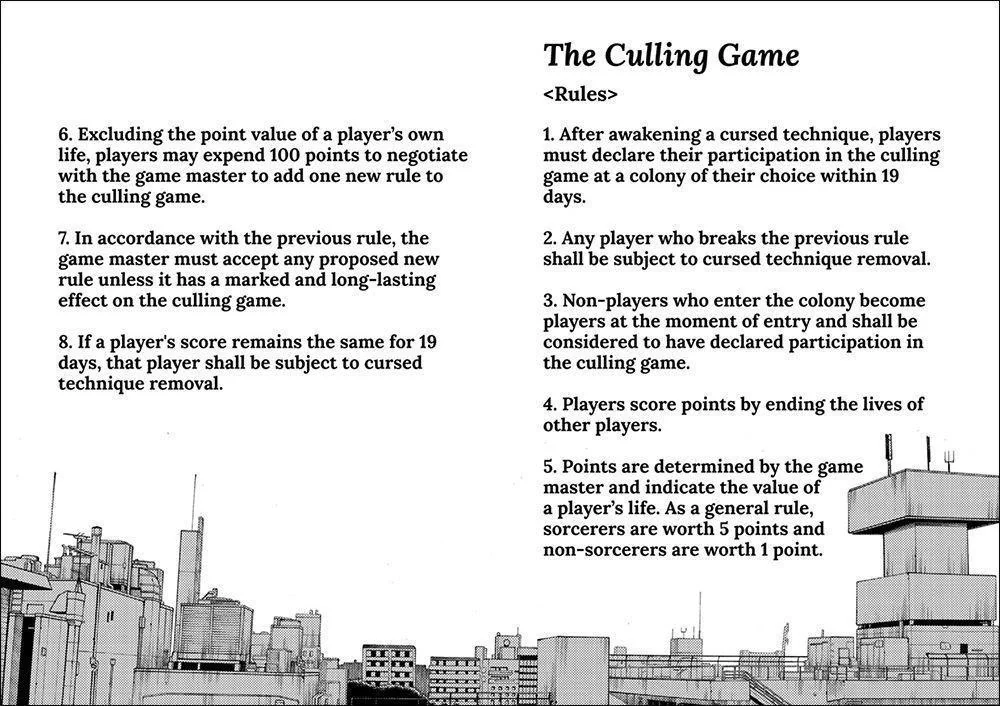
this commodification formalizes within kenjaku's culling game, where the introduction of a points system explicitly quantifies sorcerers and curses as units of exchange, this system directly links your strength (cursed technique) to your points (worth) as a commodified asset.
15
iv.
i will begin to discuss ideology by individual characters rather than the systems themselves
characters such as maki and gojo have anti-conserative mentalities, these arent the only characters with it, but they're the important since they directly destroy the structures
i will begin to discuss ideology by individual characters rather than the systems themselves
characters such as maki and gojo have anti-conserative mentalities, these arent the only characters with it, but they're the important since they directly destroy the structures

16
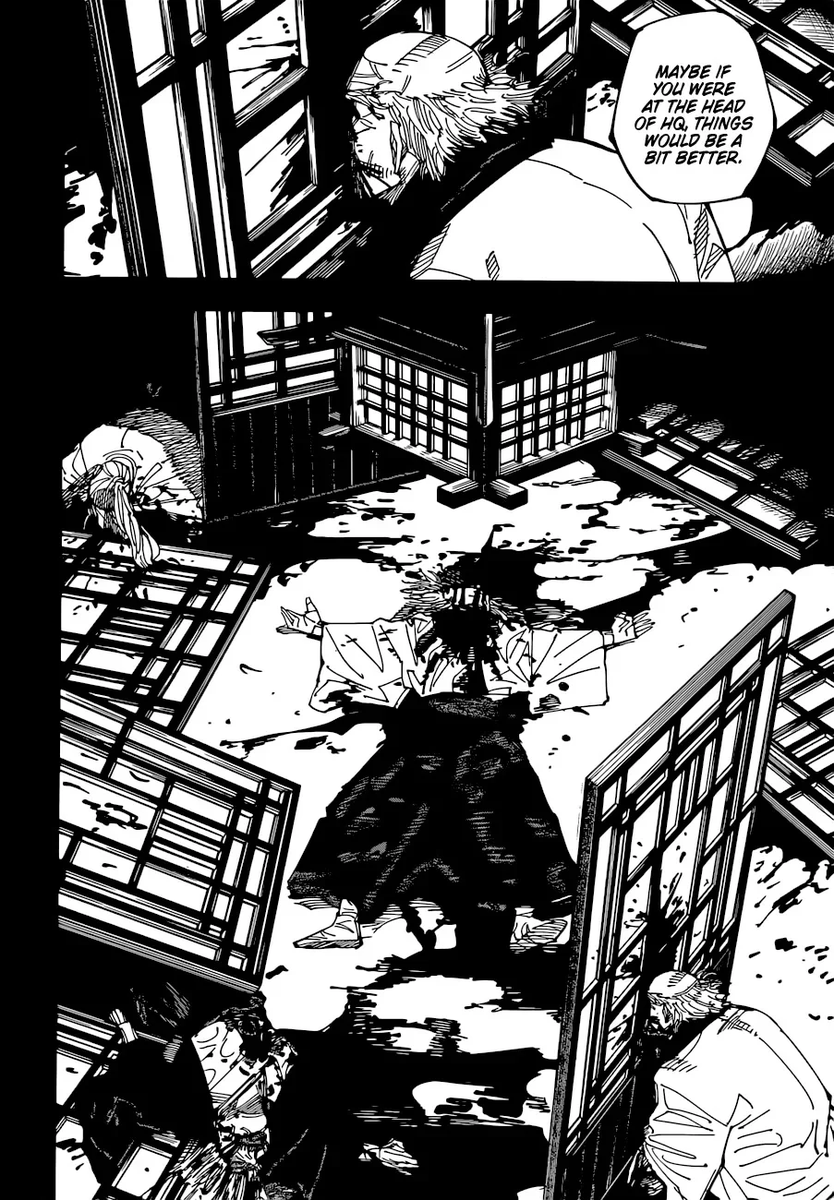
we see maki talk about how she wants to prove how shes better than her rigid clan, a goal she ultimately achieves.
and we constantly are shown gojo saying how he wants to "fix" jujutsu society, fostering a new generation of indepedent allies. he is seen scorning gakuganji often
and we constantly are shown gojo saying how he wants to "fix" jujutsu society, fostering a new generation of indepedent allies. he is seen scorning gakuganji often

17
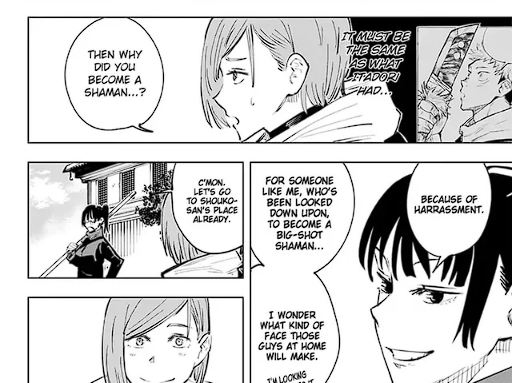
other characters worth noting with anti-conservative mindsets are megumi and nobara
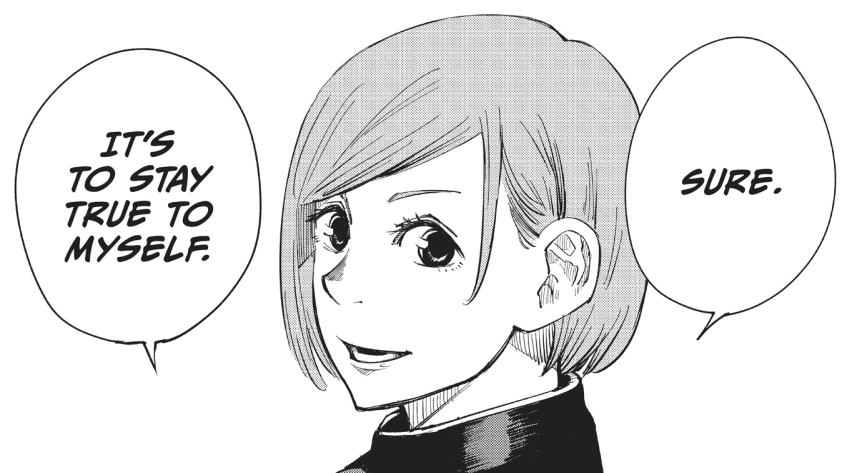
these two characters with very traditional cursed techniques, these two are actually known to "rebel" against jujutsu's standards, particularly nobara resisting societies roles.
these two characters with very traditional cursed techniques, these two are actually known to "rebel" against jujutsu's standards, particularly nobara resisting societies roles.
18
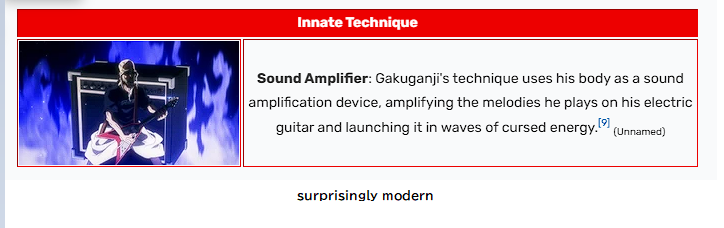
gakuganji is actually an example of irony when it comes to his cursed technique, as its not actually traditional, he uses an electric guitar.
metal culture is defined by its opposition to traditional societal norms, authority, and conventionality. which attracts outsiders.
metal culture is defined by its opposition to traditional societal norms, authority, and conventionality. which attracts outsiders.
19
this + panda caling gakuganji a "fallen knife" shows that gakuganji is truly just a cog in the political system, who has anti-conservative roots, but fits into the hq's gerontocracy due to arrogance and personal factors.

20
v.
when speaking on ideology in jjk, we must consider the most politically loaded character, suguru.
geto becomes extremist as a distorted byproduct of a system already structured by violence, hierarchy, and hereditary exclusion, functioning as a catalyst for his ideology.
when speaking on ideology in jjk, we must consider the most politically loaded character, suguru.
geto becomes extremist as a distorted byproduct of a system already structured by violence, hierarchy, and hereditary exclusion, functioning as a catalyst for his ideology.

21
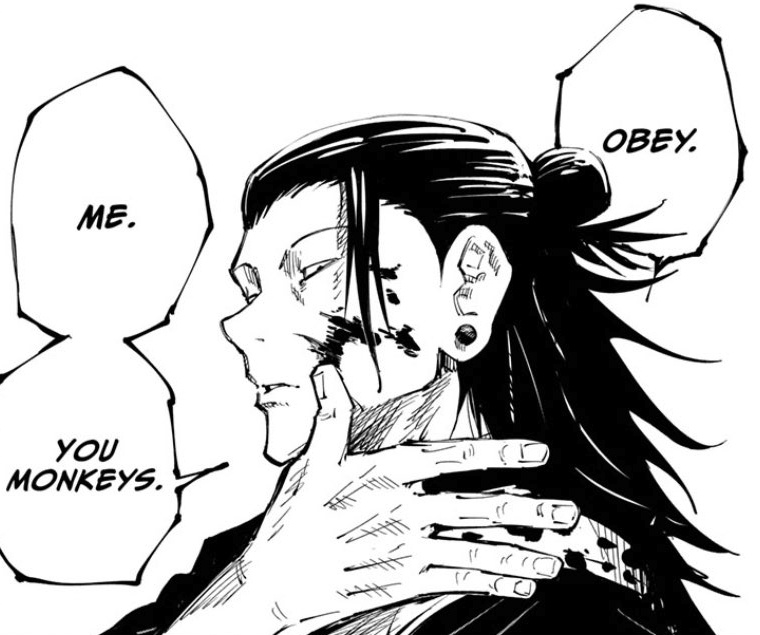
geto’s ideology represents an eliminationist response to structural inequality, reframing cursed energy hierarchies into a purity-based worldview in which non-sorcerers are rendered disposable and seen as sub-human in order to resolve what he perceives as an unfixable situation

22
geto's political ideologically puts him into a rather fascist, and far-right position, utilizing dictatorial techniques such as forced opposition and systematic eradication to achieve a "greater goal" and master race of humanity
(this concept is relevant in history)
(this concept is relevant in history)
23
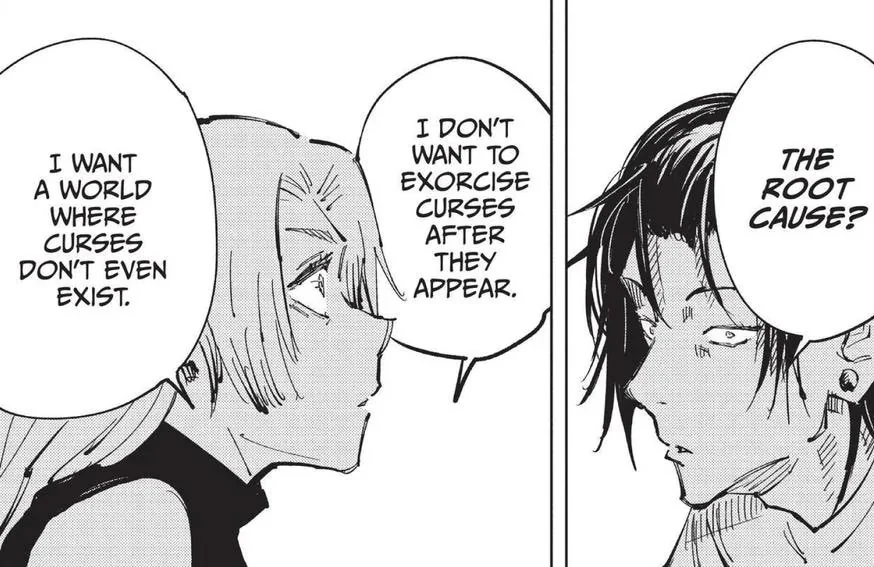
in contrast, yuki articulates a radically different form of systemic critique, rejecting the existing jujutsu order without endorsing domination
yuki seeks to create a world where cursed spirits are never born, lining her up with far-left ideology of structural trasnformation
yuki seeks to create a world where cursed spirits are never born, lining her up with far-left ideology of structural trasnformation
24
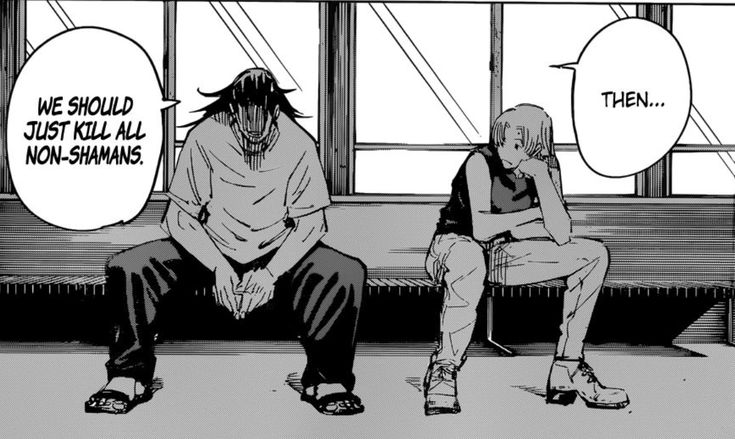
yukis perspective matches a lot of marxist thought, especially towards materialism, her analysis of cursed energy as a byproduct of human existence is a key point.
this puts both yuki and geto in two diverging paths, both reject institutional conservatism and seek reformation
this puts both yuki and geto in two diverging paths, both reject institutional conservatism and seek reformation
25
kenjaku complicates this further by instrumentalizing both stability and collapse, treating ideological positions not as commitments but as variables within a long process of engineered evolution.
this makes kenjaku a practitioner of historical materialism, which yuki opposes
this makes kenjaku a practitioner of historical materialism, which yuki opposes

26
across these positions, revolutionary thought in jujutsu society reveals a recurring pattern that attempts to resolve structural contradiction, they do not transcend the system but instead intensify its underlying logic through different ethical trajectories, totalizing rupture.

27
vi.
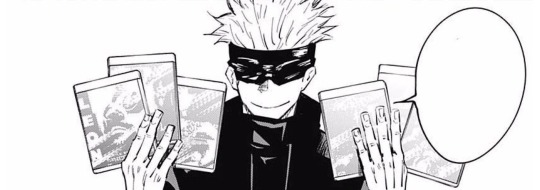
yuki and geto actually have no power to change the political climate themselves, as they hold no authority, but someone who actually has involvement is gojo.
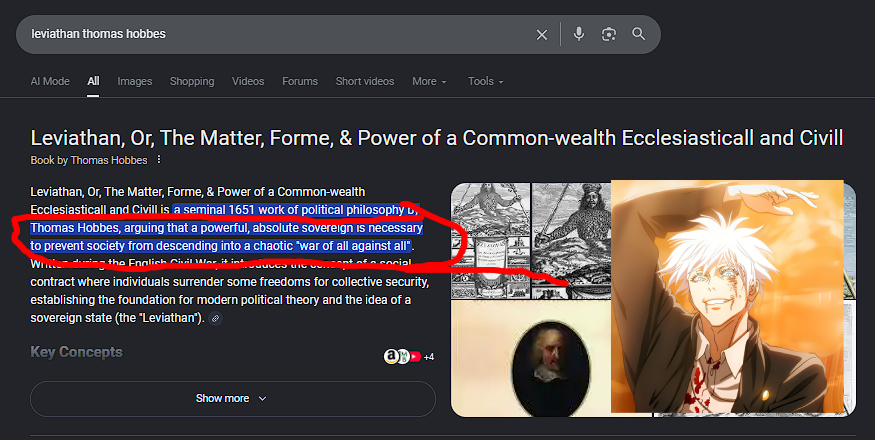
gojo functions as a leviathan: a concentration of force whose existence suppresses disorder through existence
yuki and geto actually have no power to change the political climate themselves, as they hold no authority, but someone who actually has involvement is gojo.
gojo functions as a leviathan: a concentration of force whose existence suppresses disorder through existence
28
while not a sovereign in the legal sense, gojo maintains equilibrium by rendering open rebellion, insurgency, and catastrophic escalation functionally irrational insofar as he remains active within political order.
his presence stabilizes a deeply fragile society pre-shibuya
his presence stabilizes a deeply fragile society pre-shibuya
29
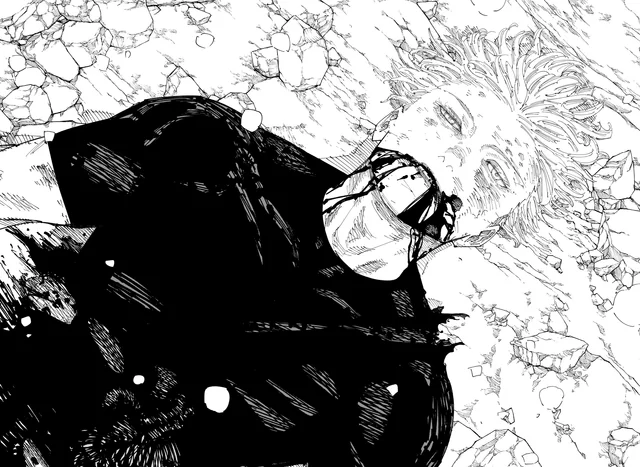
so as soon as kenjaku seals him, the entire jujutsu society erupts into chaos.
this contradiction reveals the structural weakness of jujutsu society itself. jujutsu hq appears sovereign yet remains dependent upon an individual who openly opposes its conservatism.
this contradiction reveals the structural weakness of jujutsu society itself. jujutsu hq appears sovereign yet remains dependent upon an individual who openly opposes its conservatism.

30
viii.
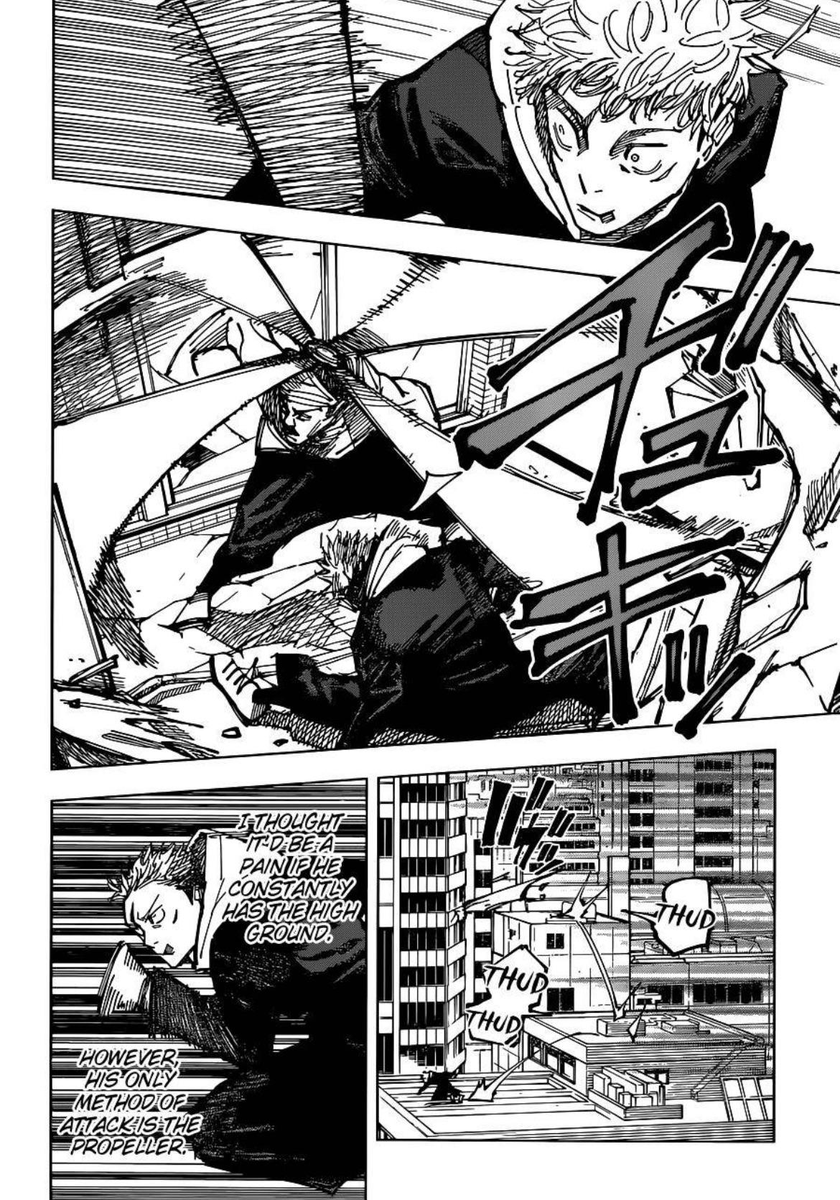
the culling games actually reflects a lot of hobbe's state of nature, which is defined as a a political condition in which institutional authority loses control and individuals are forced into systems of survival governed primarily by fear, violence, and strategy.
the culling games actually reflects a lot of hobbe's state of nature, which is defined as a a political condition in which institutional authority loses control and individuals are forced into systems of survival governed primarily by fear, violence, and strategy.
31
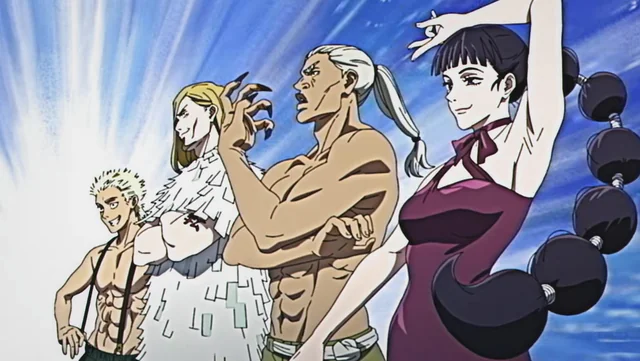
the colonies operate as fragmented autonomous zones detached from stable legal sovereignty, where social relations are reorganized around immediate capability rather than inherited legitimacy or bureaucratic order. In this environment, alliances become interim survival contracts
32
in hobbes state of nature, he describes the condition as "poor, nasty, brutish, and short" which directly reflects existence within the culling games
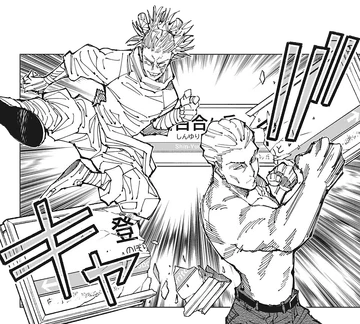
hobbes also gave three main causes of conflict: competition, diffidence, and glory, which, reflects every cause for fights within
hobbes also gave three main causes of conflict: competition, diffidence, and glory, which, reflects every cause for fights within
33
ix.
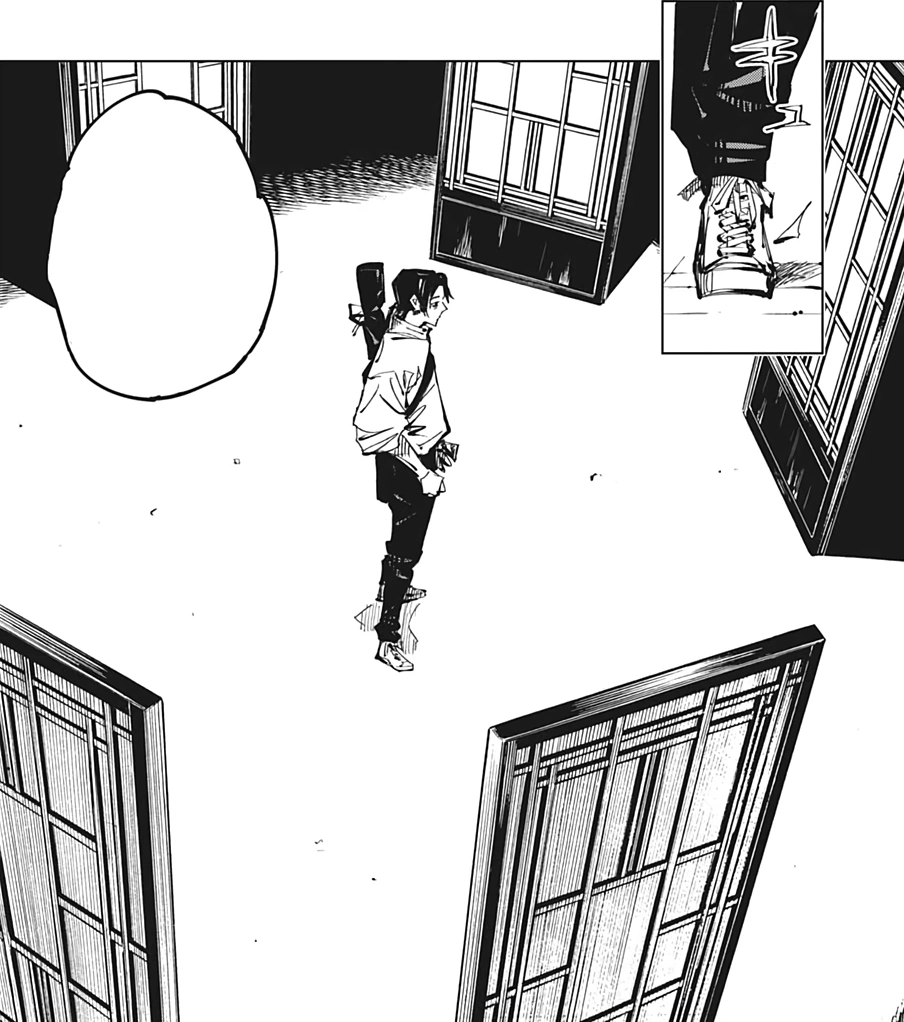
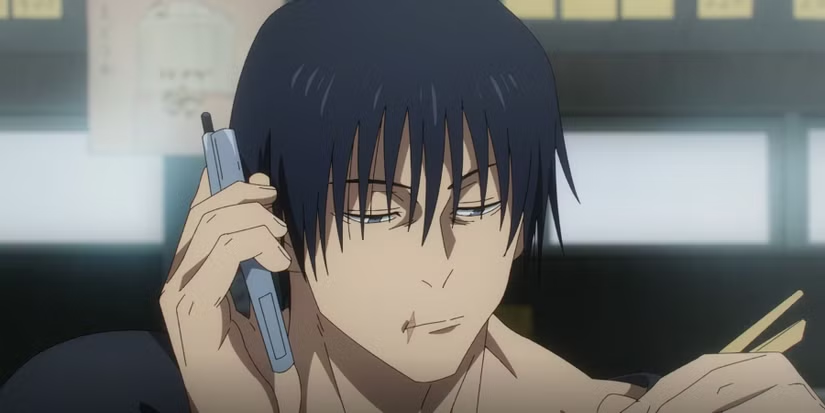
before approaching kratocracy logic, we must first talk about a character not discussed yet, toji.
he occupies a unique position within jujutsu society because he exists simultaneously as both product and rejection of its hereditary order
before approaching kratocracy logic, we must first talk about a character not discussed yet, toji.
he occupies a unique position within jujutsu society because he exists simultaneously as both product and rejection of its hereditary order
34
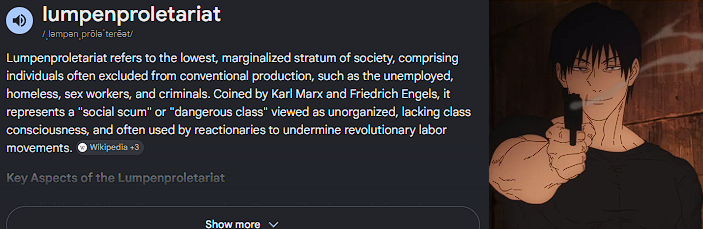
in marxist logic, toji would be referred to as a lumpenproletariat, a declassed and structurally alienated outsider operating beyond the formal institutions, traditions, and productive hierarchies of soceity.
he wants to destroy the structure of society but works inside it.
he wants to destroy the structure of society but works inside it.
35
toji's existence becomes an anomaly that the system cannot fully categorize or absorb, demonstrating how structures built upon biological determinism inevitably produce excluded forces capable of destabilizing the order from outside its logic.
we see this with the strongest ones
we see this with the strongest ones


36
x.
this is where i'll approach the kratocracy aspect of jjk.
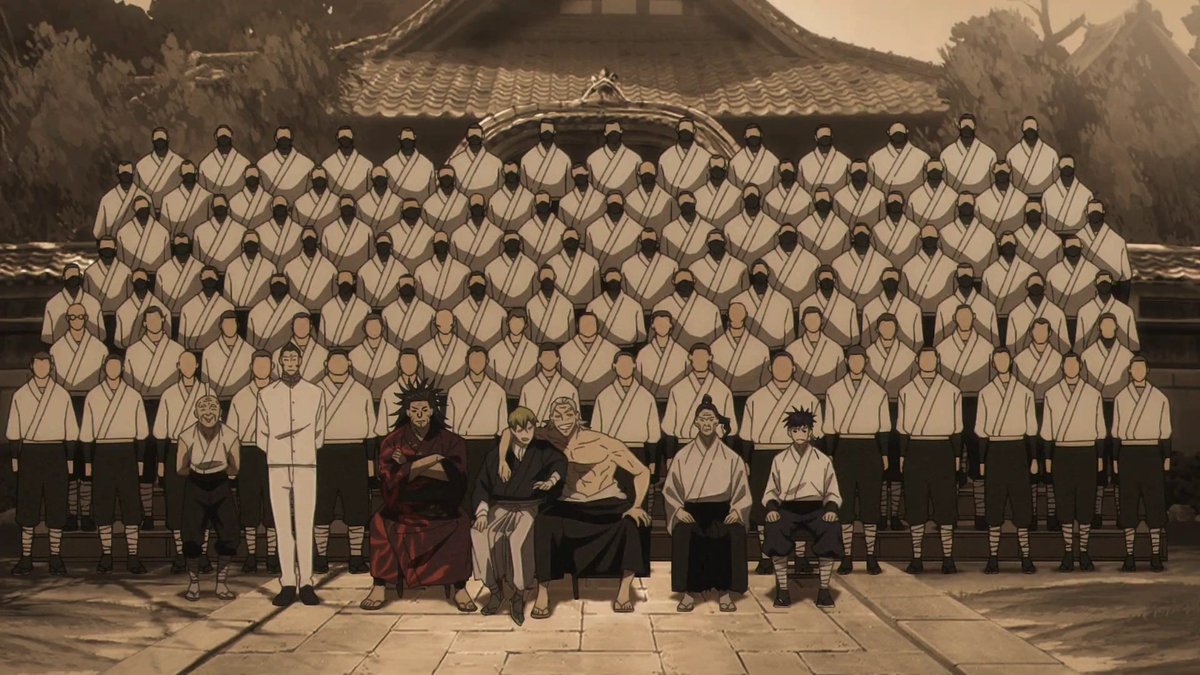
prior to this destruction of jujutsu hq and the zenin clan, authority had been distributed through systems of clan lineage, gerontocratic administration, and inheritance, the genocides led to a kratocratic society.
this is where i'll approach the kratocracy aspect of jjk.
prior to this destruction of jujutsu hq and the zenin clan, authority had been distributed through systems of clan lineage, gerontocratic administration, and inheritance, the genocides led to a kratocratic society.

37
a kratocracy is a system of government where those strong enough to seize power through force, violence, or cunning control.
this reflects jjk bc the absence of functioning institutional sovereignty led to a system governed by those who are strong and politics become irrelevant
this reflects jjk bc the absence of functioning institutional sovereignty led to a system governed by those who are strong and politics become irrelevant
38
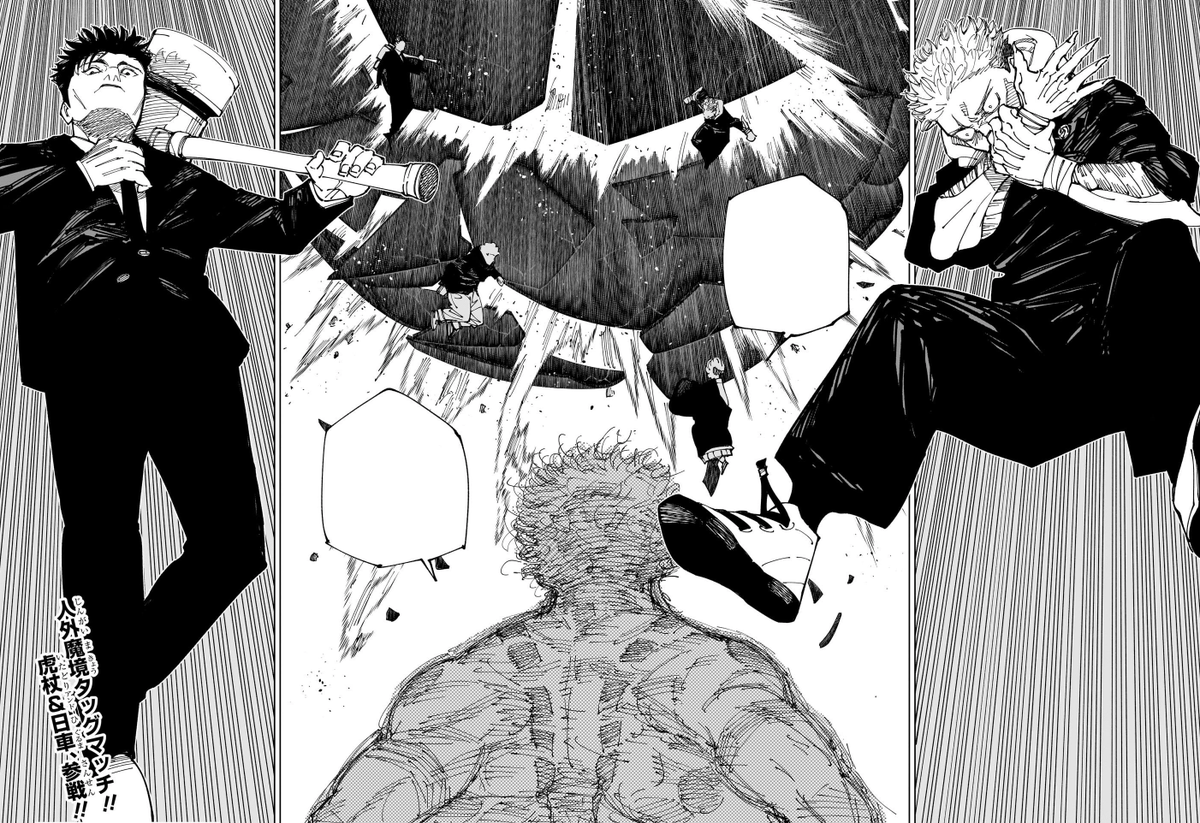
sukuna and maki are embodiments of force based legitimacy, while law is essentially replaced with capability, making jjk's final act purely kratocratic
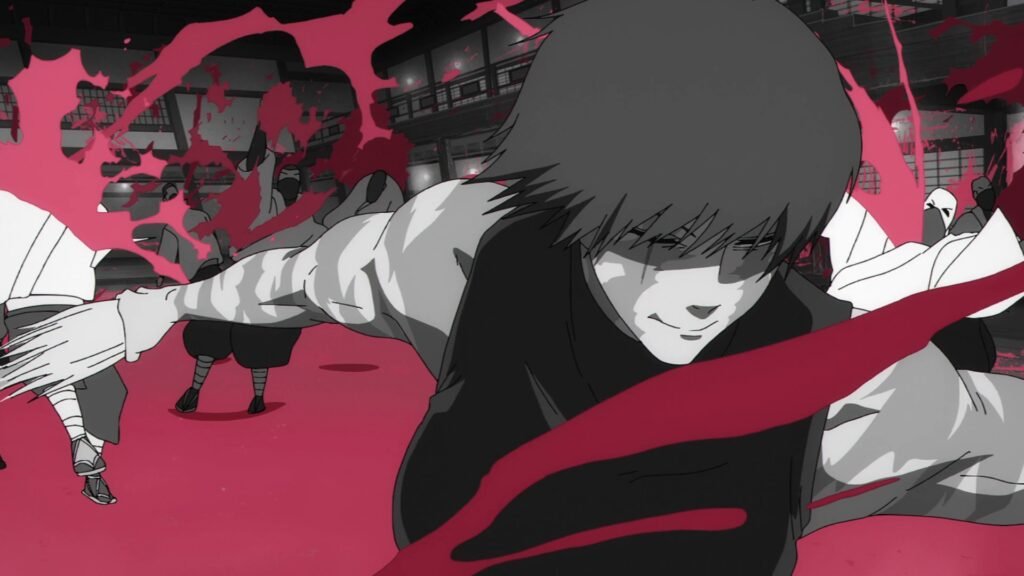
the zenin clan eradication is important since, the figure excluded by aristocratic logic becomes the annihilator
the zenin clan eradication is important since, the figure excluded by aristocratic logic becomes the annihilator
39
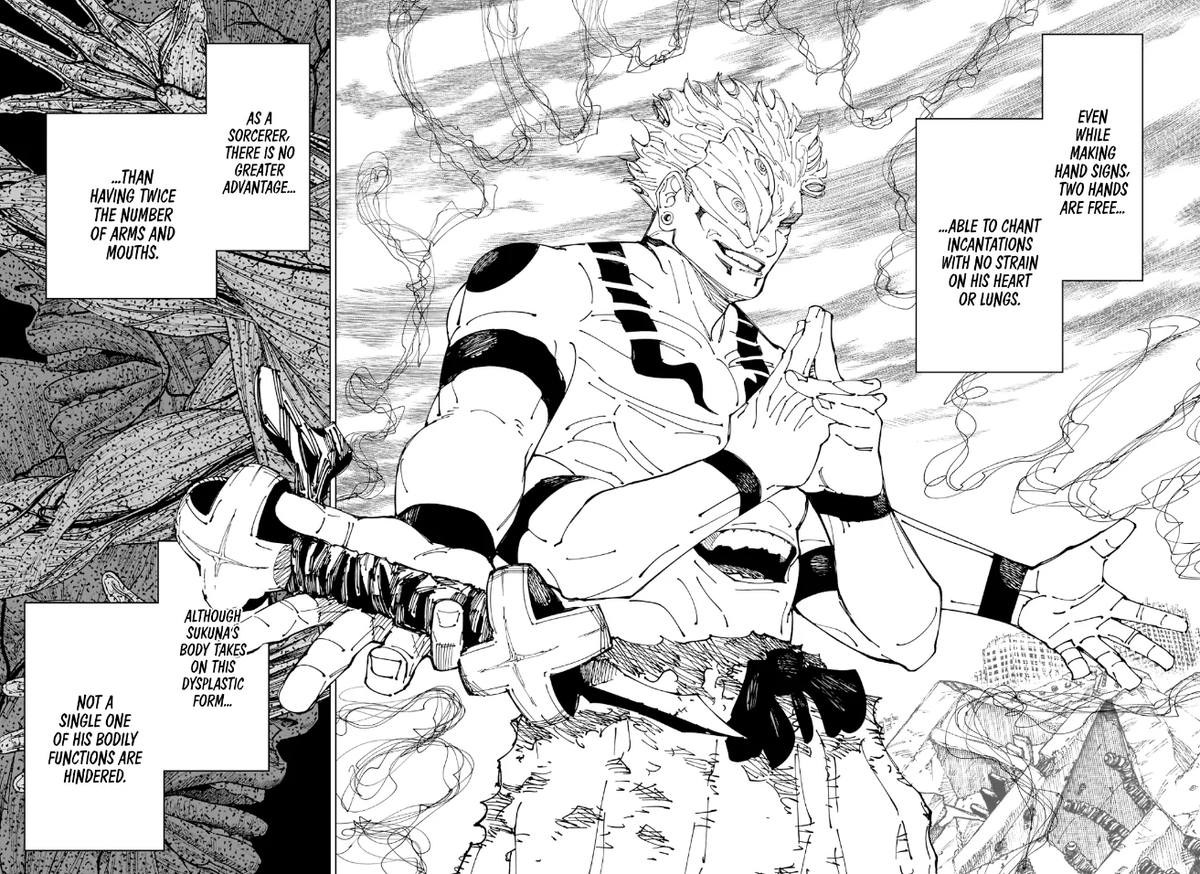
sukuna represents the culmination of unrestricted power unconstrained by morality and bureaucracy, reorganizing social relations around fear and overwhelming destructive capacity alone. under these conditions, jujutsu society no longer functions as a coherent political faction.
40
xi.
to conclude, jjk presents jujutsu society as a political order whose stability conceals structural fragility beneath its hereditary and institutional foundations.
the system sustains itself not through genuine collective consensus but through the containment of violence.
to conclude, jjk presents jujutsu society as a political order whose stability conceals structural fragility beneath its hereditary and institutional foundations.
the system sustains itself not through genuine collective consensus but through the containment of violence.
41
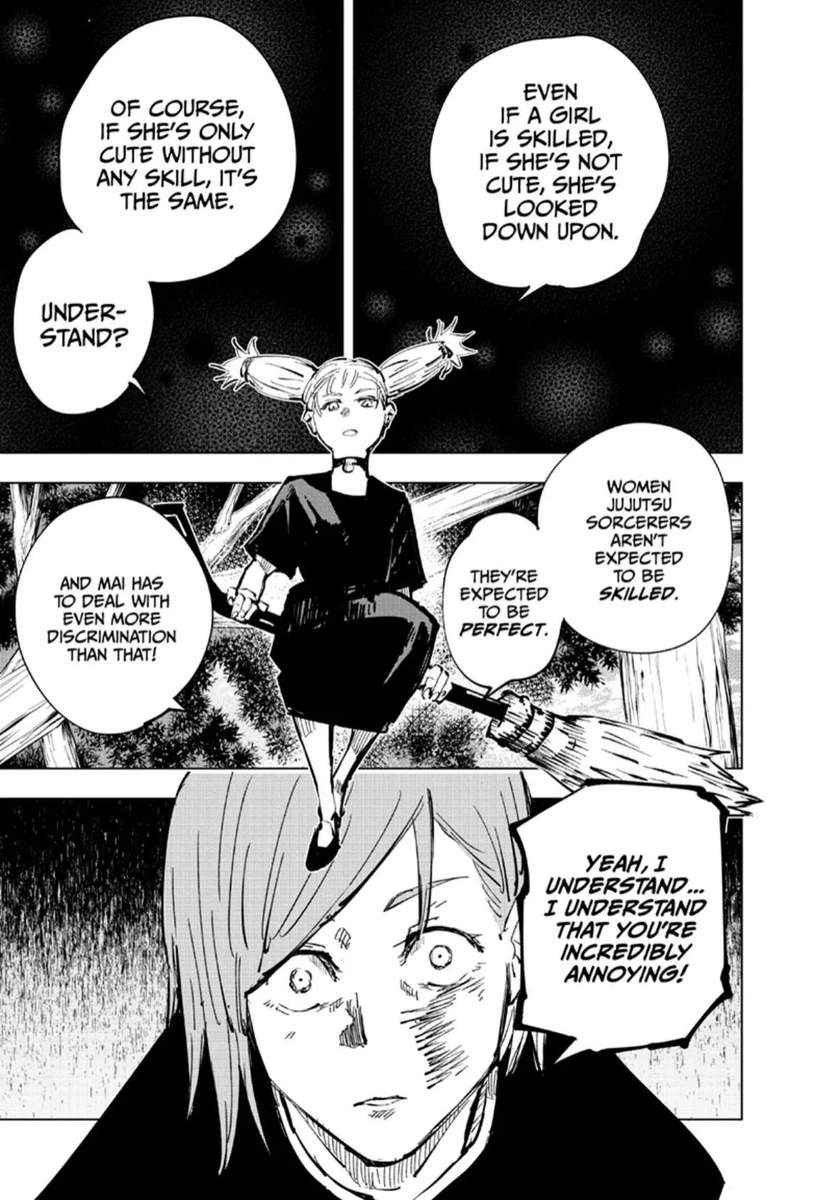
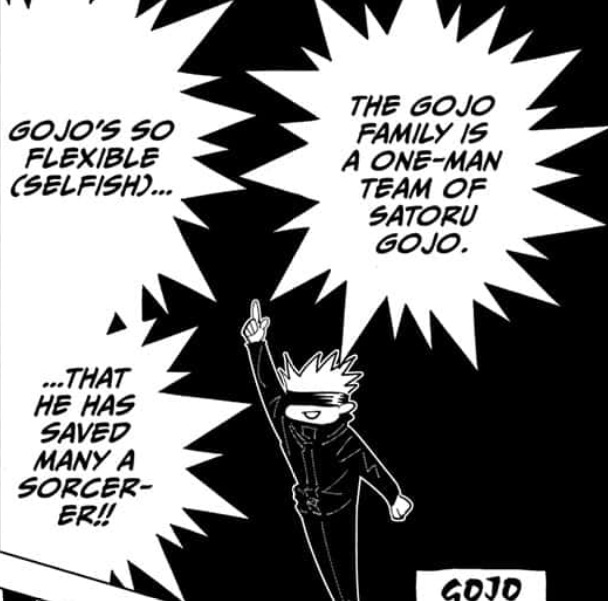
the existence of gojo as a de facto sovereign exposes this contradiction most clearly: the social order appears institutionalized, yet its continuity depends overwhelmingly upon singular deterrent force rather than durable legitimacy or mutual political obligation.
42
once this sovereign function collapses following gojo’s sealing, the instability of jujutsu society rapidly surfaces. kenjakus culling games reveal a world in which law, hierarchy, and inherited authority lose coherence, giving way to a hobbesian state of nature

43
in this sense, jjk functions not merely as a supernatural narrative but as a political critique and meditation on sovereignty, legitimacy, and the boundary between institutional order and force-driven collapse, reflecting themes woven into japanese history.
end of thread !!
end of thread !!
44
extra:
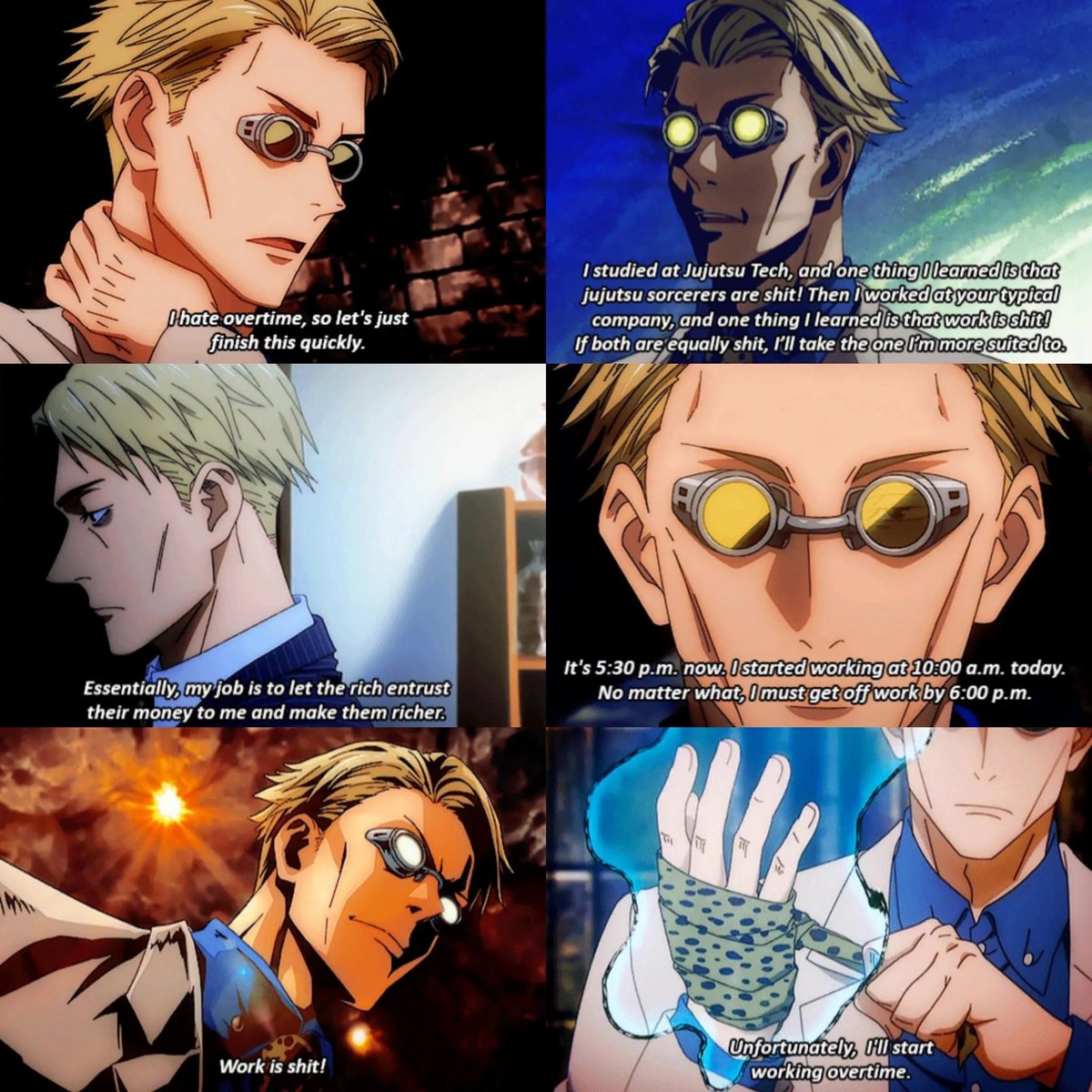
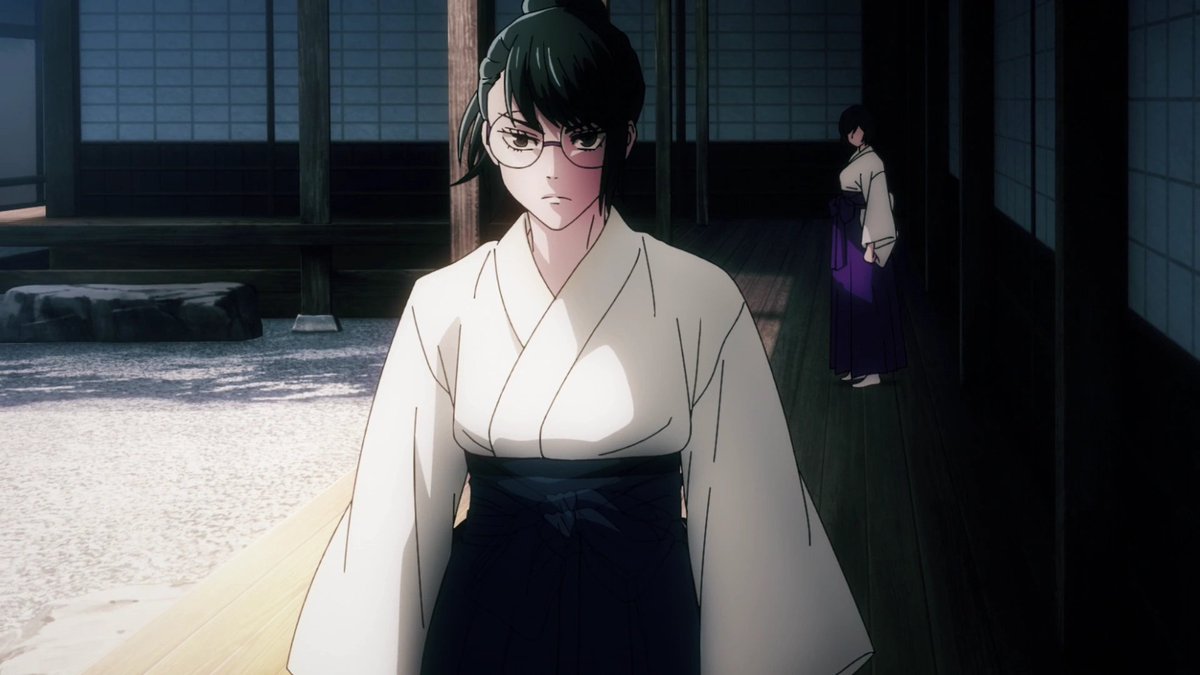
nanami actually functions as the opposite of mei mei by being an actual good person who notices the flaws in the system and is therefore extremely critical on capitalism
hes very pragmatic and finds jobs to be "meaningless labor" due to burnout and he rejects meritocracy
nanami actually functions as the opposite of mei mei by being an actual good person who notices the flaws in the system and is therefore extremely critical on capitalism
hes very pragmatic and finds jobs to be "meaningless labor" due to burnout and he rejects meritocracy