@soumitrashukla9: 1/9 On Bourdieu, caste, and so...
@soumitrashukla9
4 views
May 09, 2026
Advertisement
1
1/9 On Bourdieu, caste, and social class 🧵
In India, caste IS class in practice. It bundles economic, cultural, social & symbolic capital that society instantly reads as “status.”
The state even uses caste lists (SC/ST/OBC) to target class disadvantage.
In India, caste IS class in practice. It bundles economic, cultural, social & symbolic capital that society instantly reads as “status.”
The state even uses caste lists (SC/ST/OBC) to target class disadvantage.

2
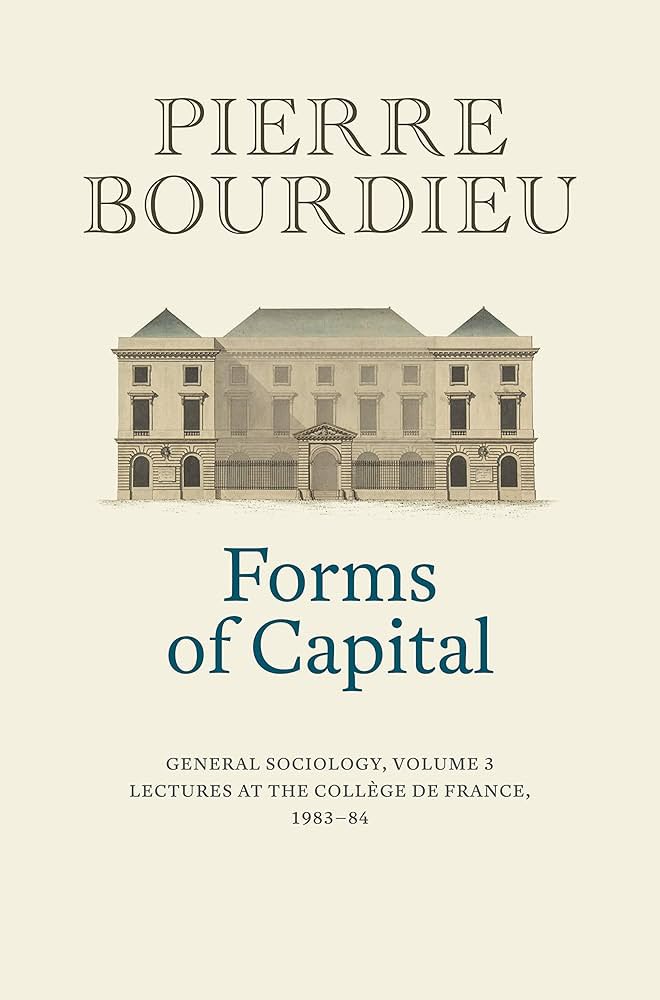
2/9 Bourdieu’s insight: class = composition & volume of capital: economic (money), cultural (credentials/accent), social (networks), symbolic (prestige).
Indian caste crystallizes ALL of these into a durable hierarchy.
Indian caste crystallizes ALL of these into a durable hierarchy.
3
3/9 India operationalizes “Socially & Educationally Backward Classes” via caste lists.
These aren’t just labels, they’re live policy instruments for admissions & public jobs, treating caste as a workable proxy for historical social disadvantage.
These aren’t just labels, they’re live policy instruments for admissions & public jobs, treating caste as a workable proxy for historical social disadvantage.

4
4/9 Landmark precedent: Indra Sawhney (1992) explicitly allows caste as proxy for social class, targeting “social & educational backwardness,” while rejecting purely income-based criteria.

5
5/9 Why this maps to Bourdieu: caste co-moves with wealth, schooling, networks, accents, pedigree—exactly the bundle of capitals that creates recognizable social class positions.

6
6/9 The Mandal Commission constituted in the early 1980s embedded this Bourdieusian logic: identify backward classes via “social and educational criteria,” using caste as the organizing signal.
Income helps target policy (“creamy layer”), but DOESN’T define the category.
Income helps target policy (“creamy layer”), but DOESN’T define the category.

7
7/9 Historical note: Before “Scheduled Castes,” British colonial policy called them “Depressed Classes.”
The 1935 Government of India Act formalized caste-based classifications that persist in modern India’s affirmative action.
The 1935 Government of India Act formalized caste-based classifications that persist in modern India’s affirmative action.

8
8/9 Early pioneer: Princely Mysore under Maharaja Krishnaraja Wadiyar IV introduced reservations in 1921 for “backward classes” including Depressed Classes, decades before independence.

9
9/9 Administrators have long treated caste as social class for policy.
Articles 15(4), 16(4), and 340 built on this caste-as-class framework to direct benefits to the structurally excluded. It’s not accidental but institutional design.
Articles 15(4), 16(4), and 340 built on this caste-as-class framework to direct benefits to the structurally excluded. It’s not accidental but institutional design.
