people told you cardio was the healthiest exercise. they lied it...

vittorio@IterIntellectus
13 views
Apr 11, 2025
1
people told you cardio was the healthiest exercise.
they lied
it damages your mitochondria, inflames your system, and accelerates aging.
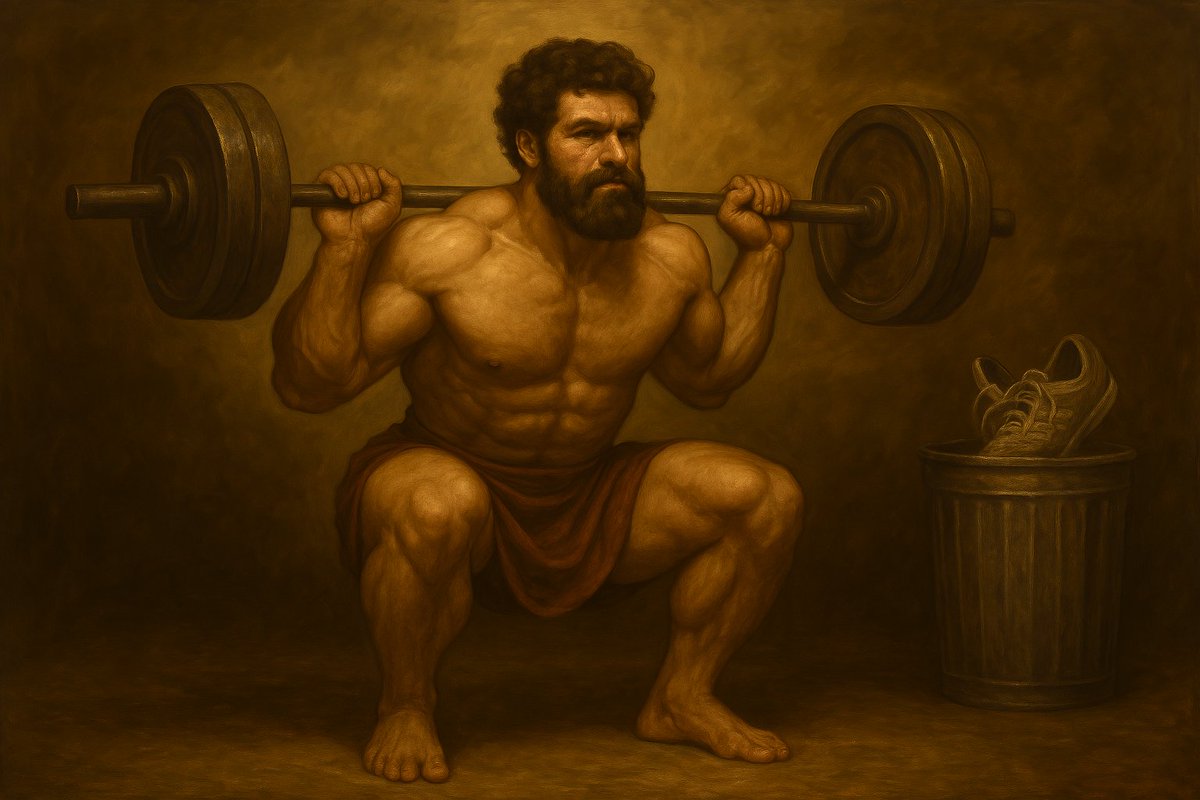
weightlifting is the real longevity protocol, biochemically, hormonally, and evolutionarily
1/
they lied
it damages your mitochondria, inflames your system, and accelerates aging.
weightlifting is the real longevity protocol, biochemically, hormonally, and evolutionarily
1/
View Tweet
2
chronic cardio lovers are endurance-obsessed martyrs
but their mitochondria know the truth: resistance training gives you superior metabolic adaptations with lower inflammatory cost
the weight room leads to metabolic advantages that traditional cardio cannot match
2/
but their mitochondria know the truth: resistance training gives you superior metabolic adaptations with lower inflammatory cost
the weight room leads to metabolic advantages that traditional cardio cannot match
2/
3
mechanism: resistance training stimulates all three major muscle fiber types, while steady-state cardio primarily involves slow-twitch fibers
limiting the stimulus to one fiber type creates metabolic imbalance. full spectrum recruitment optimizes mitochondrial adaptation
3/
limiting the stimulus to one fiber type creates metabolic imbalance. full spectrum recruitment optimizes mitochondrial adaptation
3/
4
oxidative stress: prolonged cardio (60+ minutes) amplifies reactive oxygen species (ROS) beyond the healthy threshold. excessive ROS accelerates telomere shortening
resistance training, instead, creates beneficial stress without crossing inflammatory tipping point
4/
resistance training, instead, creates beneficial stress without crossing inflammatory tipping point
4/
5
mitochondrial biogenesis: heavy lifting triggers PGC-1α (regulator of mitochondrial biogenesis) activation similar to endurance training
12 weeks of resistance training increase mitochondrial content 15-20%, similar to moderate cardio but with additional anabolic advantages
5/
12 weeks of resistance training increase mitochondrial content 15-20%, similar to moderate cardio but with additional anabolic advantages
5/
6
cardiac tissue: the idea that cardio exclusively benefits heart is scientifically obsolete. resistance training reduces blood pressure 10-13 mmHg and improves heart rate variability as much as moderate cardio. both exercise increase cardiac function
6/
6/
7
HIIT vs steady cardio: 20 minutes of high-intensity intervals creates more mitochondrial density than 40 minutes steady-state training
metabolic flexibility improves more with intensity fluctuations than sustained moderate effort
7/
metabolic flexibility improves more with intensity fluctuations than sustained moderate effort
7/
8
resistance-trained people show comparable or better glucose disposal rates compared to endurance athletes
one study showed that 16 weeks of lifting improved insulin sensitivity 45%, equivalent to moderate cardio, while keeping muscle mass that cardio often makes you lose
8/
one study showed that 16 weeks of lifting improved insulin sensitivity 45%, equivalent to moderate cardio, while keeping muscle mass that cardio often makes you lose
8/
9
inflammation profile: endurance athletes show high baseline inflammation markers (IL-6, CRP) compared to people who weightlift, when controlling for training volume
chronic cardio leads to persistent inflammatory signaling without recovery cycles
9/
chronic cardio leads to persistent inflammatory signaling without recovery cycles
9/
10
rate limiting factor: bone mineral density declines in people who do exclusively cardio. resistance training increases bone density 1-3% every year; running gives you a minimal osteogenic stimulus above normal conditions. the integrity of your skeleton needs resistance
10/
10/
11
how to fix this:
prioritize resistance training 2-3x/week as metabolic foundation
add 1-2 brief HIIT sessions (20 minutes including warmup) for cardiovascular-specific adaptations. minimize long steady-state sessions
11/
prioritize resistance training 2-3x/week as metabolic foundation
add 1-2 brief HIIT sessions (20 minutes including warmup) for cardiovascular-specific adaptations. minimize long steady-state sessions
11/
12
2: if doing both trainings the same day, weights before cardio preserves resistance training quality and testosterone response
separate sessions by 6+ hours ideally to avoid interference effect between competing adaptation pathways
12/
separate sessions by 6+ hours ideally to avoid interference effect between competing adaptation pathways
12/
13
3: monitor recovery markers when combining modalities. heart rate variability (HRV) and resting heart rate when waking up predict systemic recovery status
consecutive green scores = proceed
yellow/red = focus on one type of training
13/
consecutive green scores = proceed
yellow/red = focus on one type of training
13/
14
one could claim that marathon runners look healthy, but that's survivorship bias
you see only those still capable of running, not those sidelined by injuries. on top of that, elite endurance athletes die at similar ages to general population despite extreme cardio training
14/
you see only those still capable of running, not those sidelined by injuries. on top of that, elite endurance athletes die at similar ages to general population despite extreme cardio training
14/
15
as if thgis was not enough, resistance training improves VO2max 8-12% in untrained people, enough for better health outcomes without added cardio. strength adaptations give you overflow benefit to cardiac capacity; reverse is not true
15/
15/
16
the best approach: resistance training should be the foundation of your training with some HIIT for specific cardiovascular health.
create separate high and low intensity days. avoid moderate-intensity purgatory that maximizes neither strength nor recovery
16/
create separate high and low intensity days. avoid moderate-intensity purgatory that maximizes neither strength nor recovery
16/
17
for more detail
open.substack.com/pub/iterintell…
open.substack.com/pub/iterintell…