@photobiogenesis: THE DEFINITIVE GUIDE TO MAGNES...
@photobiogenesis
13 views
Apr 14, 2025
1
THE DEFINITIVE GUIDE TO MAGNESIUM
Today we're going back to the basics with an overview of my favorite mineral of all time, magnesium, one of the cornerstones of life on earth
Why magnesium is so important, and how to use it to improve your health
THREAD //
Today we're going back to the basics with an overview of my favorite mineral of all time, magnesium, one of the cornerstones of life on earth
Why magnesium is so important, and how to use it to improve your health
THREAD //

2
This thread will be split into two sections:
The chemistry of magnesium, and how to supplement magnesium
If you're only interested in practical advice feel free to scroll down to the second section
Now without further ado, let's jump right in
The chemistry of magnesium, and how to supplement magnesium
If you're only interested in practical advice feel free to scroll down to the second section
Now without further ado, let's jump right in
3
MAGNESIUM CHEMISTRY
Magnesium is what's known as a divalent cation
This means it has two outer orbital electrons, and it tends to lose them giving it a +2 charge in solution
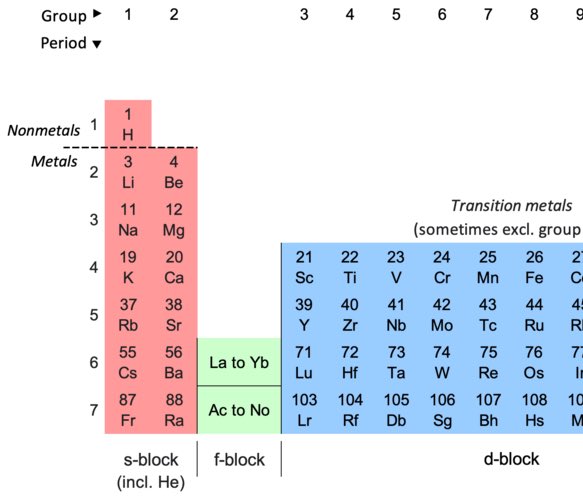
It's found in group 2 in the periodic table with other divalent cations like calcium and beryllium
Magnesium is what's known as a divalent cation
This means it has two outer orbital electrons, and it tends to lose them giving it a +2 charge in solution
It's found in group 2 in the periodic table with other divalent cations like calcium and beryllium
4
The defining property of magnesium as an element is its high charge/size ratio
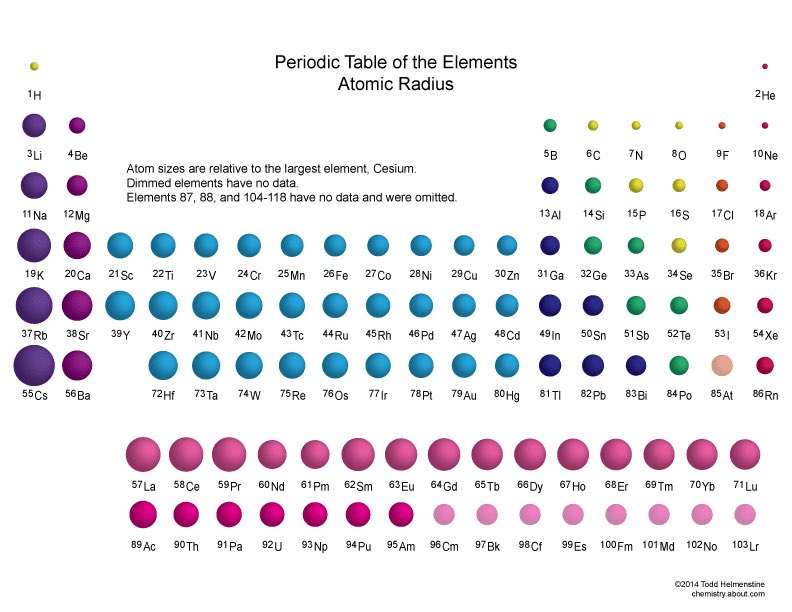
Compared to the other cations used in biology (calcium, sodium, and potassium) magnesium has the smallest atomic radius but +2 charge
This plays a role in how magnesium interacts with water
Compared to the other cations used in biology (calcium, sodium, and potassium) magnesium has the smallest atomic radius but +2 charge
This plays a role in how magnesium interacts with water
5
Water is a molecular dipole, the oxygen side holds more negative electrons, while the two hydrogens are more positive
This means a "hydration shell" of water molecules will cluster around charged ions dissolved in water
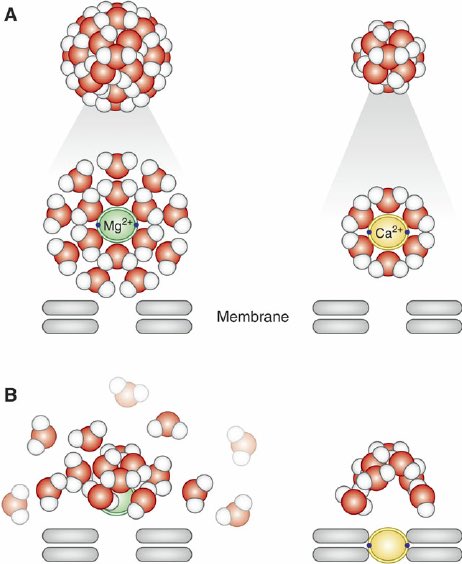
Magnesium forms a larger hydration shell than calcium
This means a "hydration shell" of water molecules will cluster around charged ions dissolved in water
Magnesium forms a larger hydration shell than calcium

6
Calcium's small hydration shell allows it to diffuse quickly
Because calcium and magnesium have the same +2 charge, calcium binding sites in proteins are occupied by magnesium at rest
Sudden calcium influx displaces it, activating various proteins and stimulating the cell
Because calcium and magnesium have the same +2 charge, calcium binding sites in proteins are occupied by magnesium at rest
Sudden calcium influx displaces it, activating various proteins and stimulating the cell
7
This is also what allows magnesium to act as a calcium channel blocker
It binds calcium channels, such as the excitatory NMDA glutamate receptors in neurons, but its hydration shell is too large to pass through
This gives it an inhibitory effect on muscle, neuron firing, etc
It binds calcium channels, such as the excitatory NMDA glutamate receptors in neurons, but its hydration shell is too large to pass through
This gives it an inhibitory effect on muscle, neuron firing, etc
8
Another important role magnesium plays is its interaction with ATP
ATP serves several purposes in living cells
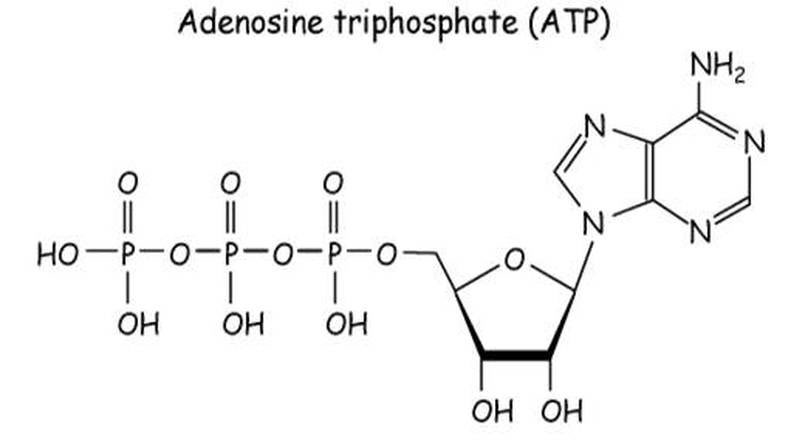
It contains a tail made of three phosphate groups, and directly activates many protein by attaching phosphate groups to them
It also acts as a marker of energy status
ATP serves several purposes in living cells
It contains a tail made of three phosphate groups, and directly activates many protein by attaching phosphate groups to them
It also acts as a marker of energy status
9
This is because the level of ATP is directly coupled to the charge separation that mitochondria use to generate energy
Normally in solution, ATP will rapidly degrade into ADP by losing phosphate groups
The cell maintains a far-from-entropy state by keeping a high ATP/ADP ratio
Normally in solution, ATP will rapidly degrade into ADP by losing phosphate groups
The cell maintains a far-from-entropy state by keeping a high ATP/ADP ratio

10
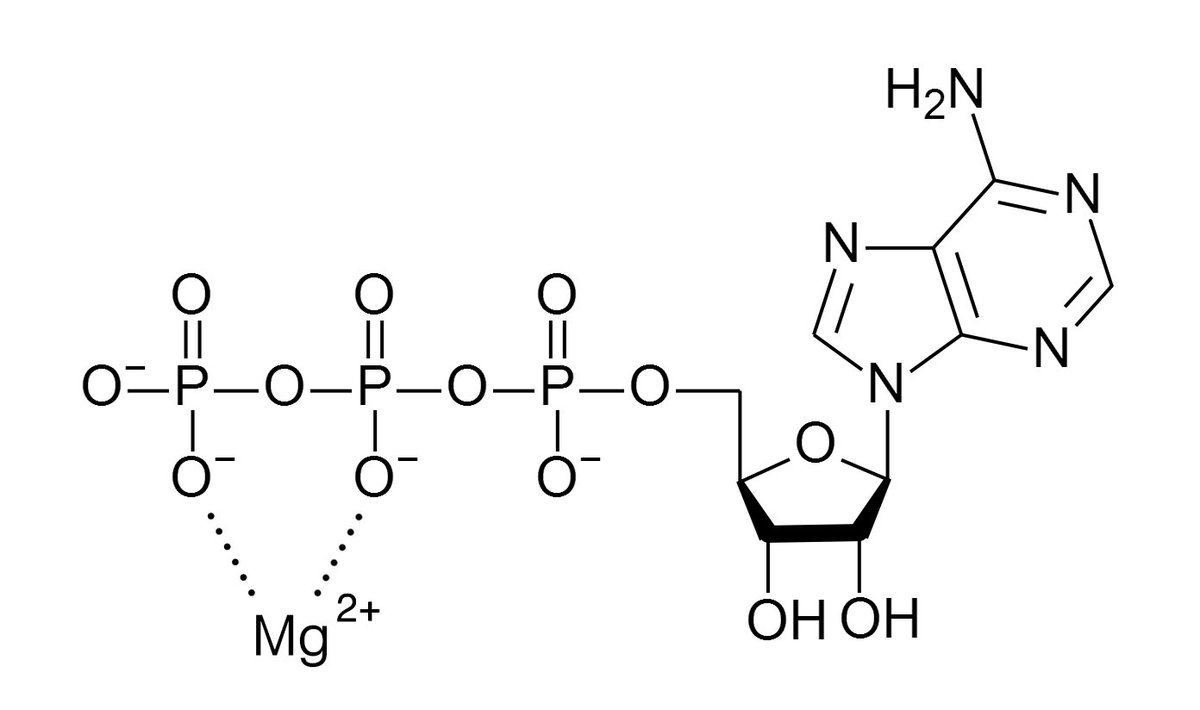
Magnesium slows down the natural breakdown of ATP into ADP by stabilizing its phosphate chain
Magnesium is ideal for this purpose because its high charge/size ratio allows it to form a tight bond with the phosphate groups
Replacing it with other ions tends to destabilize ATP
Magnesium is ideal for this purpose because its high charge/size ratio allows it to form a tight bond with the phosphate groups
Replacing it with other ions tends to destabilize ATP
11
Magnesium also acts as a direct cofactor by speeding up various reaction in cells
Some estimates suggest that more than 40% of all enzymes in the body require magnesium to function
Often this stems from magnesium's ability to bind nearby water rather than magnesium itself
Some estimates suggest that more than 40% of all enzymes in the body require magnesium to function
Often this stems from magnesium's ability to bind nearby water rather than magnesium itself
12
A good example of this is hydrolysis reactions
Hydrolysis refers to a type of bond-breaking reaction that uses water as a cofactor
Usually this involves splitting water into -OH and +H and attaching each half to one of the resulting byproducts, such as in breaking peptide bonds
Hydrolysis refers to a type of bond-breaking reaction that uses water as a cofactor
Usually this involves splitting water into -OH and +H and attaching each half to one of the resulting byproducts, such as in breaking peptide bonds

13
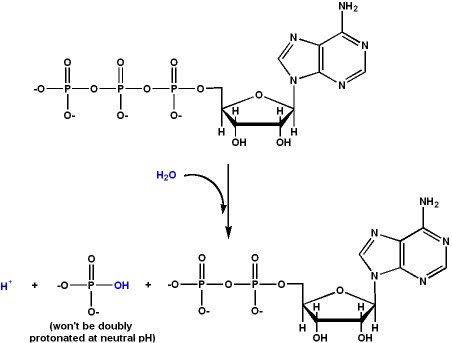
Another reason magnesium works closely with ATP is that breaking the phosphate bond in ATP also involves hydrolysis
This means proteins that are phosphorylated (activated) by ATP usually have a magnesium binding site that provides water
Magnesium is necessary to burn ATP
This means proteins that are phosphorylated (activated) by ATP usually have a magnesium binding site that provides water
Magnesium is necessary to burn ATP
14
Other factors in biology including GTP, vitamin B1, glucose, and creatine have phosphate forms that require magnesium to stabilize or use
Magnesium is also a mild Lewis acid and can speed up reactions that require acidity
DNA and other proteins even coil around magnesium ions
Magnesium is also a mild Lewis acid and can speed up reactions that require acidity
DNA and other proteins even coil around magnesium ions
15
HOW TO SUPPLEMENT MAGNESIUM
Magnesium is one of the most accessible, affordable, and well-tolerated supplements on the market
I think just about everyone could benefit from using it
First, let's talk about two concepts:
"magnesium burn rate" and
"magnesium saturation"
Magnesium is one of the most accessible, affordable, and well-tolerated supplements on the market
I think just about everyone could benefit from using it
First, let's talk about two concepts:
"magnesium burn rate" and
"magnesium saturation"
16
The "burn rate" for magnesium refers to how much the body uses in a given period of time
Factors like age, stress, disease, aging, and physical activity can all affect your daily magnesium requirement
This concept applies to other nutrients like potassium and B-vitamins as well
Factors like age, stress, disease, aging, and physical activity can all affect your daily magnesium requirement
This concept applies to other nutrients like potassium and B-vitamins as well
17
Magnesium saturation occurs when the magnesium supply is enough for the body to fulfill its requirements, with some extra
Most people don't realize that bone doesn't just serve as a reservoir for calcium
It's estimated that more than 10 grams of magnesium can be stored in bone!
Most people don't realize that bone doesn't just serve as a reservoir for calcium
It's estimated that more than 10 grams of magnesium can be stored in bone!
18
When magnesium burn rate is high, and magnesium intake is low, the storage levels of magnesium can be depleted over time
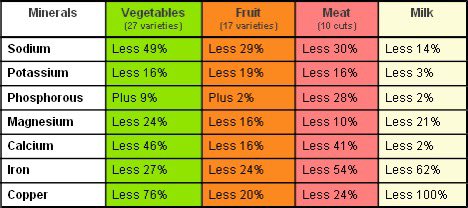
This is compounded by the fact that modern agriculture has led to most fruits/vegetables being significantly depleted of magnesium due to low soil levels
This is compounded by the fact that modern agriculture has led to most fruits/vegetables being significantly depleted of magnesium due to low soil levels
19
Magnesium storage also means that blood tests like serum magnesium are not able to detect deficiency
Patients often end up in the ICU before they're diagnosed with deficient magnesium
ncbi.nlm.nih.gov/pmc/articles/P…
RBC magnesium is a more accurate test that looks at cellular levels
Patients often end up in the ICU before they're diagnosed with deficient magnesium
ncbi.nlm.nih.gov/pmc/articles/P…
RBC magnesium is a more accurate test that looks at cellular levels
20
Some estimates suggest as much as 90% of the population is magnesium deficient
Often this is "sub-clinical" deficiency that could take years to cause problems, but severe illness will increase its severity
This is why I'm so passionate about supplementing magnesium
Often this is "sub-clinical" deficiency that could take years to cause problems, but severe illness will increase its severity
This is why I'm so passionate about supplementing magnesium
21
So how do we reverse deficiency and get to a point of magnesium saturation?
There are three main ways to get more magnesium:
- eat magnesium-rich foods
- use a magnesium supplement
- apply magnesium topically
Let's briefly look at all three options
There are three main ways to get more magnesium:
- eat magnesium-rich foods
- use a magnesium supplement
- apply magnesium topically
Let's briefly look at all three options
22
Magnesium-rich foods include:
- hemp seeds
- sprouted brown rice or oats
- spinach/kale/chard/beet greens
- pumpkin/chia/flax seeds
- dark chocolate (make sure it's low in heavy metals)
- avocados
- bananas
- meats like wild game/turkey/fish
- potatoes and other root vegetables
- hemp seeds
- sprouted brown rice or oats
- spinach/kale/chard/beet greens
- pumpkin/chia/flax seeds
- dark chocolate (make sure it's low in heavy metals)
- avocados
- bananas
- meats like wild game/turkey/fish
- potatoes and other root vegetables
23
When it comes to magnesium supplements there are various forms to choose from
The most important thing to consider is how well each form absorbs
Well-absorbed forms:
magnesium glycinate, taurate, lysinate, malate
Poorly absorbed forms:
magnesium citrate, oxide, hydroxide
The most important thing to consider is how well each form absorbs
Well-absorbed forms:
magnesium glycinate, taurate, lysinate, malate
Poorly absorbed forms:
magnesium citrate, oxide, hydroxide
24
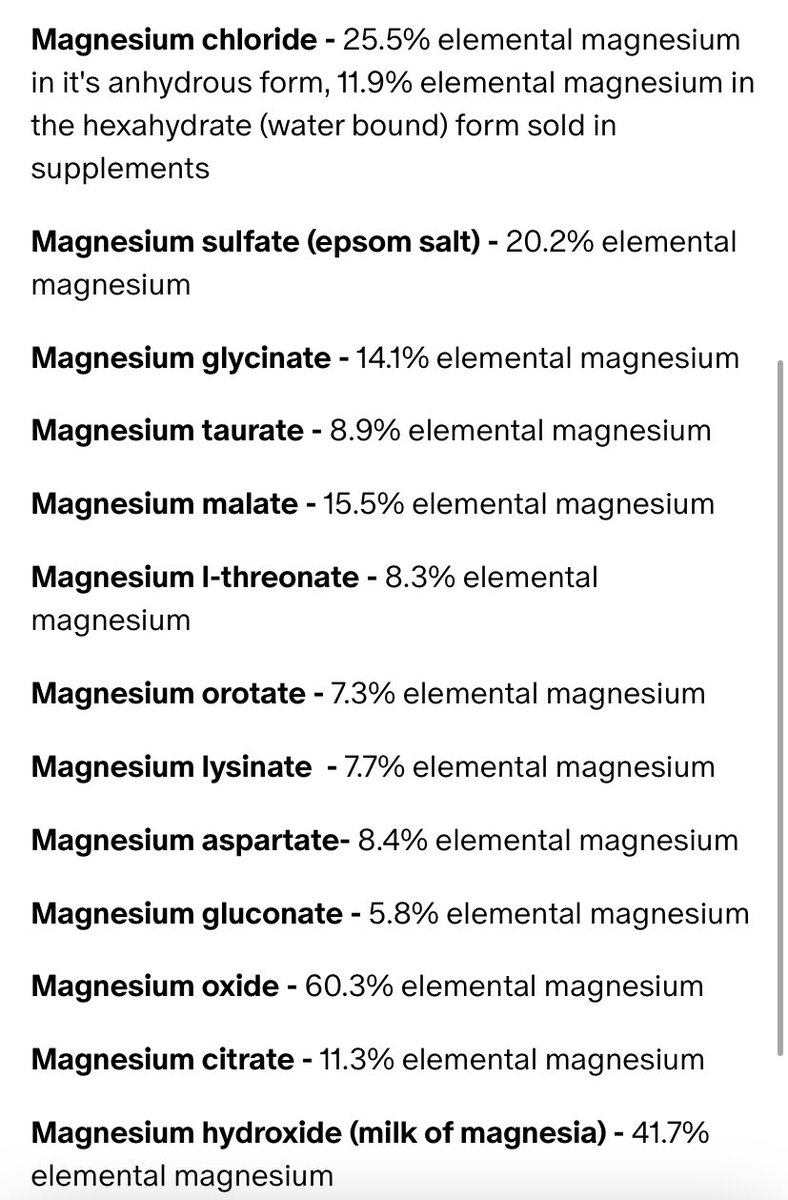
The magnesium content of each form also varies, since whatever carrier the magnesium ions are bound to makes up a % of the weight
The percentage of "elemental" magnesium lets us calculate the magnesium it provides
Total weight in mg x decimal percentage = magnesium content
The percentage of "elemental" magnesium lets us calculate the magnesium it provides
Total weight in mg x decimal percentage = magnesium content
25
So what's the best way to dose magnesium?
There are many protocols available but my personal approach is to use as much as is tolerated orally
Too much magnesium in a serving, especially of poorly absorbed forms, can induce a laxative effect and this should generally be avoided
There are many protocols available but my personal approach is to use as much as is tolerated orally
Too much magnesium in a serving, especially of poorly absorbed forms, can induce a laxative effect and this should generally be avoided
26
The "bowel flush" from magnesium is actually due to its ability to hold water once again
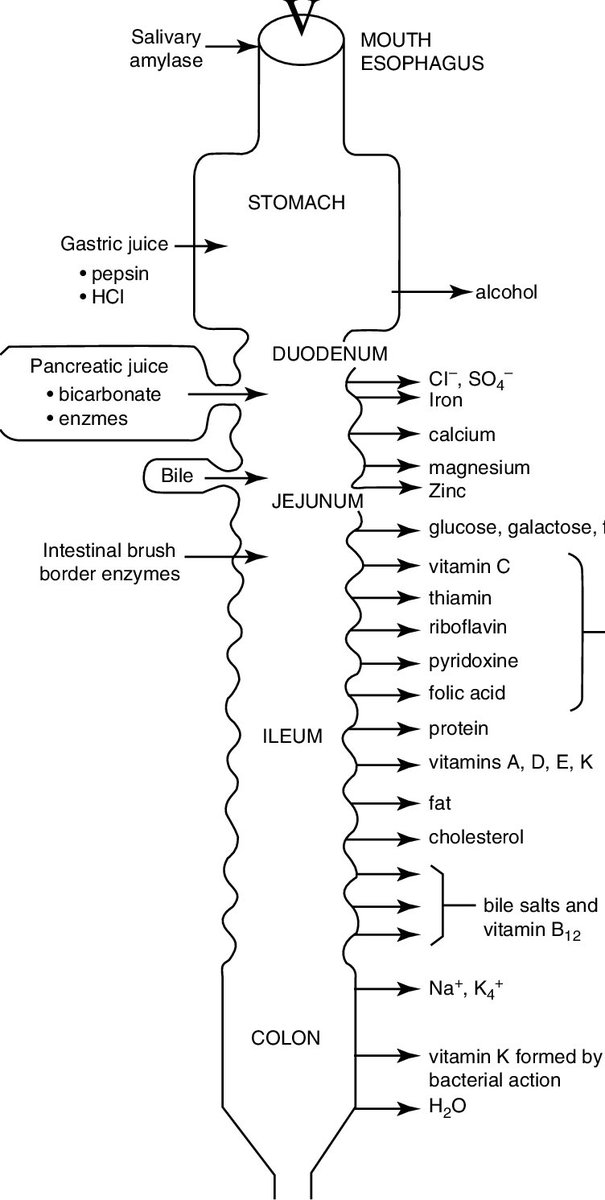
Magnesium absorption channels occur in the upper intestine, so if unabsorbed magnesium makes it to the colon it prevents water removal
Other nutrients like calcium can work the same way
Magnesium absorption channels occur in the upper intestine, so if unabsorbed magnesium makes it to the colon it prevents water removal
Other nutrients like calcium can work the same way
27
This means the optimal way to dose magnesium is smaller doses spread throughout the day (ie 100-300mg)
The bowel flush can be useful to relieve constipation, but it's best to avoid it long term
Taking magnesium with food/water also seems to improve its absorption
The bowel flush can be useful to relieve constipation, but it's best to avoid it long term
Taking magnesium with food/water also seems to improve its absorption
28
My three favorite forms are:
- magnesium glycinate
- magnesium taurate
- magnesium chloride
The first two can be purchased as powder or pre-filled capsules, and taken throughout the day/before bed
Magnesium chloride can be dissolved in water and sipped throughout the day
- magnesium glycinate
- magnesium taurate
- magnesium chloride
The first two can be purchased as powder or pre-filled capsules, and taken throughout the day/before bed
Magnesium chloride can be dissolved in water and sipped throughout the day
29
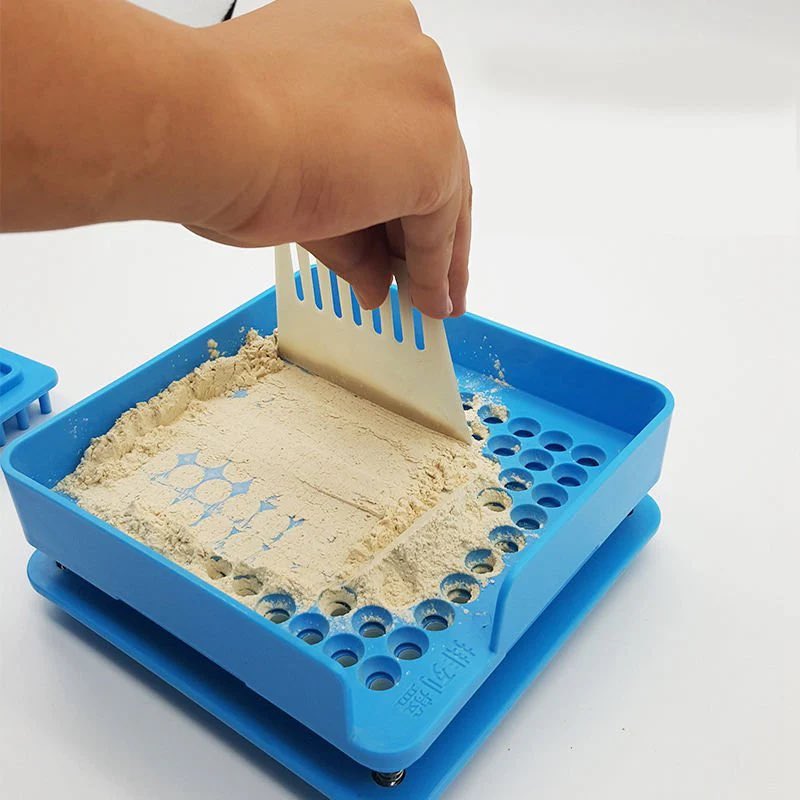
I highly suggest buying gel caps and bulk magnesium powder and making your own capsules to save money
If you find filling capsules tedious, you can use a "capsule machine" or filling tray
If using food grade magnesium chloride, I would simply start with ~1/4 tsp in water
If you find filling capsules tedious, you can use a "capsule machine" or filling tray
If using food grade magnesium chloride, I would simply start with ~1/4 tsp in water
30
This brings us to topical magnesium
There are two forms of magnesium that are used topically:
magnesium chloride and epsom salt (magnesium sulfate)
Either form can be dissolved in water and applied topically using a spray bottle, bath, or foot soak
There are two forms of magnesium that are used topically:
magnesium chloride and epsom salt (magnesium sulfate)
Either form can be dissolved in water and applied topically using a spray bottle, bath, or foot soak
31
Magnesium chloride spray recipe:
- Buy a glass spray bottle
- Measure out 1-2 cups of water
- Measure 10-25% of the volume of the water as magnesium chloride, add to water until it dissolves
- Add a few drops of essential oil for scent if desired
This means 25% magnesium solution is 1 cup water + 1/4 cup magnesium
It may be necessary to lightly warm the water to fully dissolve the magnesium
Magnesium sulfate can be used instead if you find chloride itchy/irritating
- Buy a glass spray bottle
- Measure out 1-2 cups of water
- Measure 10-25% of the volume of the water as magnesium chloride, add to water until it dissolves
- Add a few drops of essential oil for scent if desired
This means 25% magnesium solution is 1 cup water + 1/4 cup magnesium
It may be necessary to lightly warm the water to fully dissolve the magnesium
Magnesium sulfate can be used instead if you find chloride itchy/irritating
32
To make a magnesium bath simply buy bulk epsom salt and add 1-2lbs per bath
You can also add 1lb of sea salt, and 1/4-1/2 cup baking soda, to make it even more relaxing
Lately I've been favoring foot soak trays as well, since they can be used conveniently while working/reading
You can also add 1lb of sea salt, and 1/4-1/2 cup baking soda, to make it even more relaxing
Lately I've been favoring foot soak trays as well, since they can be used conveniently while working/reading
33
Do not underestimate the effectiveness of topical magnesium
Topical absorption is estimated to have "nearly 100%" bioavailability, though this depends on soak time
mdpi.com/2072-6643/9/8/…
Furthermore it completely bypasses the risk of bowel flush from oral supplements
Topical absorption is estimated to have "nearly 100%" bioavailability, though this depends on soak time
mdpi.com/2072-6643/9/8/…
Furthermore it completely bypasses the risk of bowel flush from oral supplements
34
What benefits can I expect from getting more magnesium daily?
Experiences vary, and some people get more noticeable effects than others, but either way it's a good to avoid deficiency
Here are a few things my friends/clients have reported:
- better sleep
- less anxiety
- better mood
- less blood sugar issues
- less brain fog/better memory
- lower blood pressure
- better sleep
- reduced muscle tension
- better recovery after a workout
- improved skin quality
- less allergies
- reduction in pain/inflammation
Experiences vary, and some people get more noticeable effects than others, but either way it's a good to avoid deficiency
Here are a few things my friends/clients have reported:
- better sleep
- less anxiety
- better mood
- less blood sugar issues
- less brain fog/better memory
- lower blood pressure
- better sleep
- reduced muscle tension
- better recovery after a workout
- improved skin quality
- less allergies
- reduction in pain/inflammation
35
Need more evidence?
Here are a few research papers on the long-term benefits of getting more magnesium:
"Circulating magnesium (per 0.2 mmol/L increment) was associated with a 30% lower risk of CVD"
200mg more dietary magnesium was associated with a 22% lower risk
ncbi.nlm.nih.gov/pmc/articles/P…
"A difference of 100 mg/d in energy adjusted magnesium intake was related to a 30–40% lower risk of CVD and all-cause mortality"
This study look at patients with a history of myocardial infarction
frontiersin.org/journals/cardi…
"Strenuous exercise apparently increases urinary and sweat losses that may increase magnesium requirements by 10-20%"
Magnesium burn rate!
pubmed.ncbi.nlm.nih.gov/17172008/
"Magnesium and oxidative status were investigated in young volunteers exposed to chronic stress... or subchronic stress consisting of everyday mortal danger in military actions lasting more than 3 months. Significant decreases in plasma ionized Mg2+, total Mg and ionized Ca2+ concentrations were found in both groups"
Magnesium burn rate again!
pubmed.ncbi.nlm.nih.gov/10761188/
"On average, higher baseline dietary Mg intake was associated with larger brain volumes in both men and women"
"Higher dietary Mg intake is related to better brain health in the general population, and particularly in women"
link.springer.com/article/10.100…
"Every 100 mg per day decrement in magnesium intake was associated with a 24% increase in the incidence of pancreatic cancer"
nature.com/articles/bjc20…
"Mg supplementation at a median dose of 368 mg/d for a median duration of 3 months significantly reduced systolic BP by 2.00 mm Hg and diastolic BP by 1.78 mm Hg"
"Mg supplementation with a dose of 300 mg/d or duration of 1 month is sufficient to elevate serum Mg and reduce BP"
ahajournals.org/doi/10.1161/hy…
"Magnesium deficiency may decrease membrane integrity and membrane function and increase the susceptibility to oxidative stress, cardiovascular heart diseases as well as accelerated aging"
pubmed.ncbi.nlm.nih.gov/11295157/
Here are a few research papers on the long-term benefits of getting more magnesium:
"Circulating magnesium (per 0.2 mmol/L increment) was associated with a 30% lower risk of CVD"
200mg more dietary magnesium was associated with a 22% lower risk
ncbi.nlm.nih.gov/pmc/articles/P…
"A difference of 100 mg/d in energy adjusted magnesium intake was related to a 30–40% lower risk of CVD and all-cause mortality"
This study look at patients with a history of myocardial infarction
frontiersin.org/journals/cardi…
"Strenuous exercise apparently increases urinary and sweat losses that may increase magnesium requirements by 10-20%"
Magnesium burn rate!
pubmed.ncbi.nlm.nih.gov/17172008/
"Magnesium and oxidative status were investigated in young volunteers exposed to chronic stress... or subchronic stress consisting of everyday mortal danger in military actions lasting more than 3 months. Significant decreases in plasma ionized Mg2+, total Mg and ionized Ca2+ concentrations were found in both groups"
Magnesium burn rate again!
pubmed.ncbi.nlm.nih.gov/10761188/
"On average, higher baseline dietary Mg intake was associated with larger brain volumes in both men and women"
"Higher dietary Mg intake is related to better brain health in the general population, and particularly in women"
link.springer.com/article/10.100…
"Every 100 mg per day decrement in magnesium intake was associated with a 24% increase in the incidence of pancreatic cancer"
nature.com/articles/bjc20…
"Mg supplementation at a median dose of 368 mg/d for a median duration of 3 months significantly reduced systolic BP by 2.00 mm Hg and diastolic BP by 1.78 mm Hg"
"Mg supplementation with a dose of 300 mg/d or duration of 1 month is sufficient to elevate serum Mg and reduce BP"
ahajournals.org/doi/10.1161/hy…
"Magnesium deficiency may decrease membrane integrity and membrane function and increase the susceptibility to oxidative stress, cardiovascular heart diseases as well as accelerated aging"
pubmed.ncbi.nlm.nih.gov/11295157/
36
Frequently Asked Questions (FAQ):
Is there an upper limit to magnesium intake?
General no since the kidneys are very good at clearing surplus magnesium, but certain disorders like CKD can impair this process. When in doubt talk to your doctor!
Should I worry about absorbing too much magnesium topically?
Sensory deprivation tanks regularly use a whopping 50-100 POUNDS of magnesium per float tank, and are considered safe. So I wouldn't worry about adding too much to your bathtub.
What supplement brand do you suggest?
I don't promote particular brands or use affiliate links. Simply try to find an affordable brand with minimal/no fillers besides magnesium, or buy bulk magnesium on its own.
What about patented magnesium forms like magnesium threonate?
I haven't seen enough evidence to suggest that this form is superior. All form of magnesium reach the brain effectively, and most forms are well absorbed.
Is there an upper limit to magnesium intake?
General no since the kidneys are very good at clearing surplus magnesium, but certain disorders like CKD can impair this process. When in doubt talk to your doctor!
Should I worry about absorbing too much magnesium topically?
Sensory deprivation tanks regularly use a whopping 50-100 POUNDS of magnesium per float tank, and are considered safe. So I wouldn't worry about adding too much to your bathtub.
What supplement brand do you suggest?
I don't promote particular brands or use affiliate links. Simply try to find an affordable brand with minimal/no fillers besides magnesium, or buy bulk magnesium on its own.
What about patented magnesium forms like magnesium threonate?
I haven't seen enough evidence to suggest that this form is superior. All form of magnesium reach the brain effectively, and most forms are well absorbed.
37
Other nutrients or supplements that pair well with magnesium include:
- vitamin B1 (thiamine)
- potassium/electrolytes
- l-theanine (great sleep combo with magnesium glycinate or taurate)
- taurine itself
- inositol
- vitamins D/K2 (calcium balance)
- black seed oil
- vitamin B1 (thiamine)
- potassium/electrolytes
- l-theanine (great sleep combo with magnesium glycinate or taurate)
- taurine itself
- inositol
- vitamins D/K2 (calcium balance)
- black seed oil
38
If you enjoyed this thread, I also offer one-on-one educational calls where we can discuss nutrition, supplements, longevity, circadian rhythm optimization, and more 👇
multiflora-herbs.com/products/healt…
I have 80+ articles/lectures on my Patreon as well:
patreon.com/photobiogenesi…
multiflora-herbs.com/products/healt…
I have 80+ articles/lectures on my Patreon as well:
patreon.com/photobiogenesi…