Vitamin C can reduce cortisol by ~40%, according to a critical new study.
(🧵1/7)

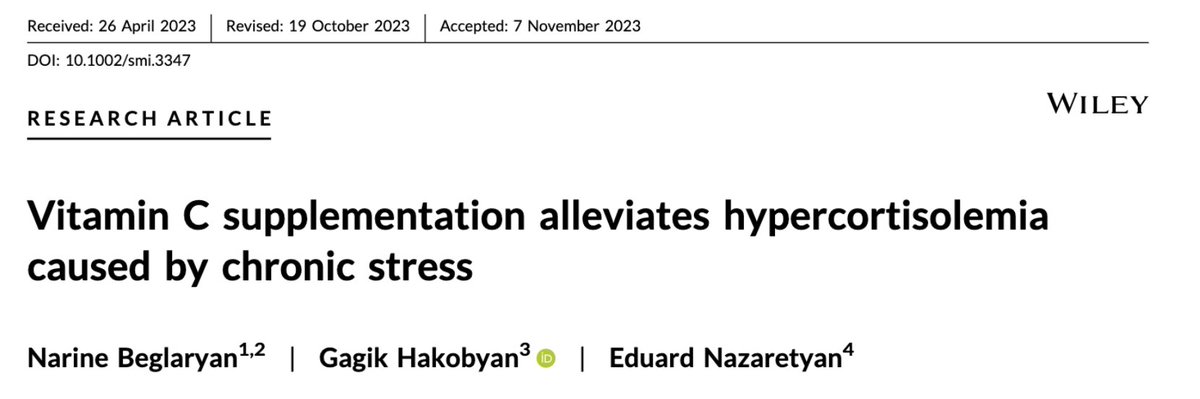
This study was published last year, examining the effects of 1g of vitamin C per day in people with high stress hormones.
Vitamin C is known to be stored in the adrenal glands and released in times of stress.
A few previous studies suggested adding vitamin C could lower cortisol.
(2/7)
Vitamin C is known to be stored in the adrenal glands and released in times of stress.
A few previous studies suggested adding vitamin C could lower cortisol.
(2/7)
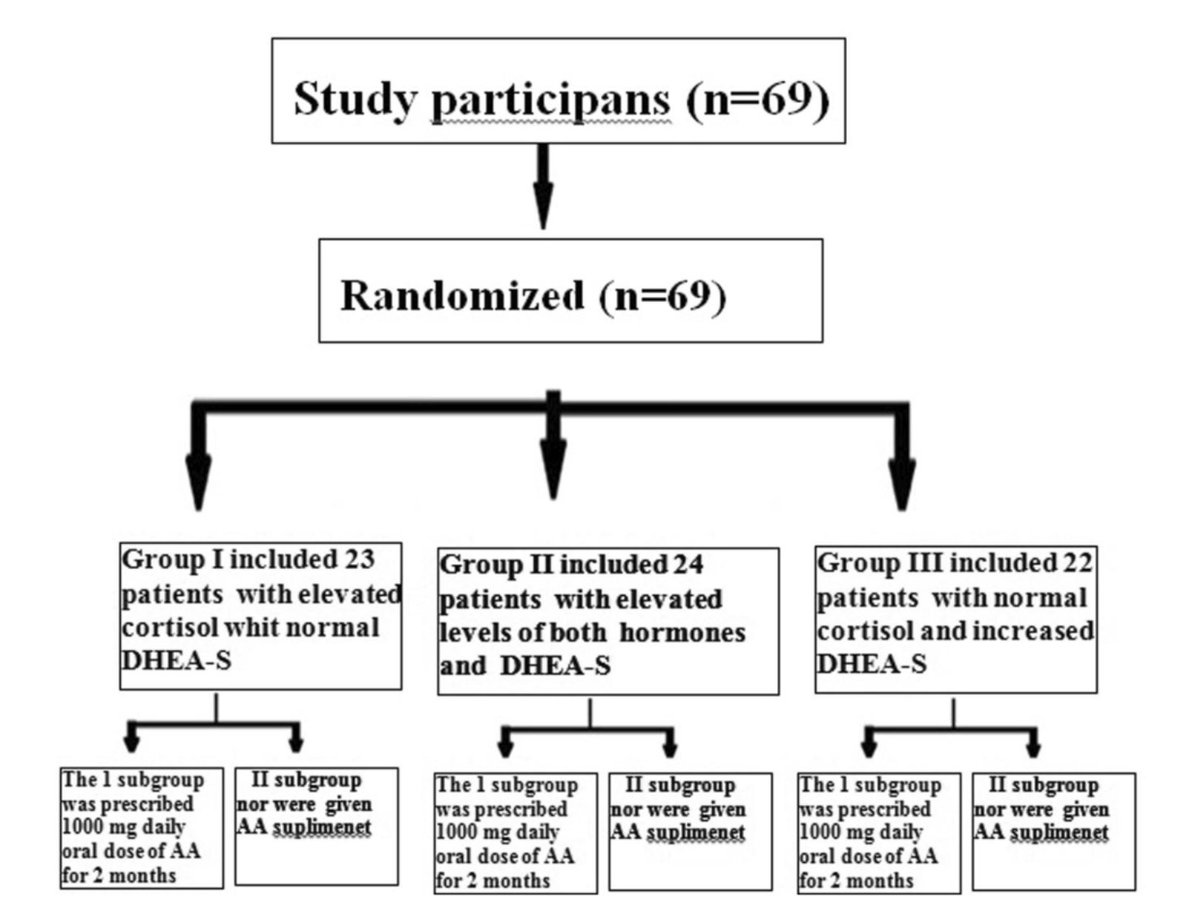
There were 3 groups.
Group 1: high cortisol + normal DHEA-S
Group 2: high cortisol + high DHEA-S
Group 3: normal cortisol + high DHEA-S
DHEA is an anti-stress hormone, and its levels rise in the early stress response to balance the effects of high cortisol.
Each group either got 1g of vitamin C or placebo.
(3/7)
Group 1: high cortisol + normal DHEA-S
Group 2: high cortisol + high DHEA-S
Group 3: normal cortisol + high DHEA-S
DHEA is an anti-stress hormone, and its levels rise in the early stress response to balance the effects of high cortisol.
Each group either got 1g of vitamin C or placebo.
(3/7)
Those with high cortisol at baseline saw huge drops in cortisol with vitamin C.
Nearly 40% after 2 months.
This is a massive impact - by our ranges would take people from well above the healthy range back into the normal range of cortisol.
(4/7)
Nearly 40% after 2 months.
This is a massive impact - by our ranges would take people from well above the healthy range back into the normal range of cortisol.
(4/7)

Group 2 saw similar benefits.
Cortisol dropped by nearly 30%, less than group 1, but they had lower cortisol at baseline.
It also reduced DHEA-S by ~40% in people who had highly elevated DHEA-S.
(5/7)
Cortisol dropped by nearly 30%, less than group 1, but they had lower cortisol at baseline.
It also reduced DHEA-S by ~40% in people who had highly elevated DHEA-S.
(5/7)

Group 3 saw a big drop in DHEA-S - nearly 40%.
It's important to note that DHEA is highly protective against stress, so it dropping is normally not a good thing,
but in the context of high stress, having it normalize indicates that it is no longer needed in high amounts.
(6/7)
It's important to note that DHEA is highly protective against stress, so it dropping is normally not a good thing,
but in the context of high stress, having it normalize indicates that it is no longer needed in high amounts.
(6/7)

Most important of all - the drop in cortisol was directly related to how high baseline levels of cortisol were.
Vitamin C doesn't lower cortisol indiscriminately, in fact it can raise it in situations where it is chronically low.
It NORMALIZES the response.
(7/7)
Vitamin C doesn't lower cortisol indiscriminately, in fact it can raise it in situations where it is chronically low.
It NORMALIZES the response.
(7/7)

This is the best vitamin C product I've seen, ultra high purity.
It also comes in 1g servings - like is done in the study.
lifegivingstore.com/vitamin-c-qual…
It also comes in 1g servings - like is done in the study.
lifegivingstore.com/vitamin-c-qual…
I've written all about the benefits and biological mechanisms behind vitamin C, as well as supplementing strategies and how to get enough in the diet here:
View Tweet
If you want to get your stress + hormones back in balance, we'd be happy to help with a personalized plan.
Book a free call with us here and we'll get you right: go.prism.miami/consultation
Book a free call with us here and we'll get you right: go.prism.miami/consultation
See the full study here: onlinelibrary.wiley.com/doi/epdf/10.10…
Generated by Thread Navigator
Press ⌘ + S to quick-export
auto_awesome
Image exported!
Pro export renders embedded tweets & media at 2x Retina resolution.
Upgrade — $5 for 30 days