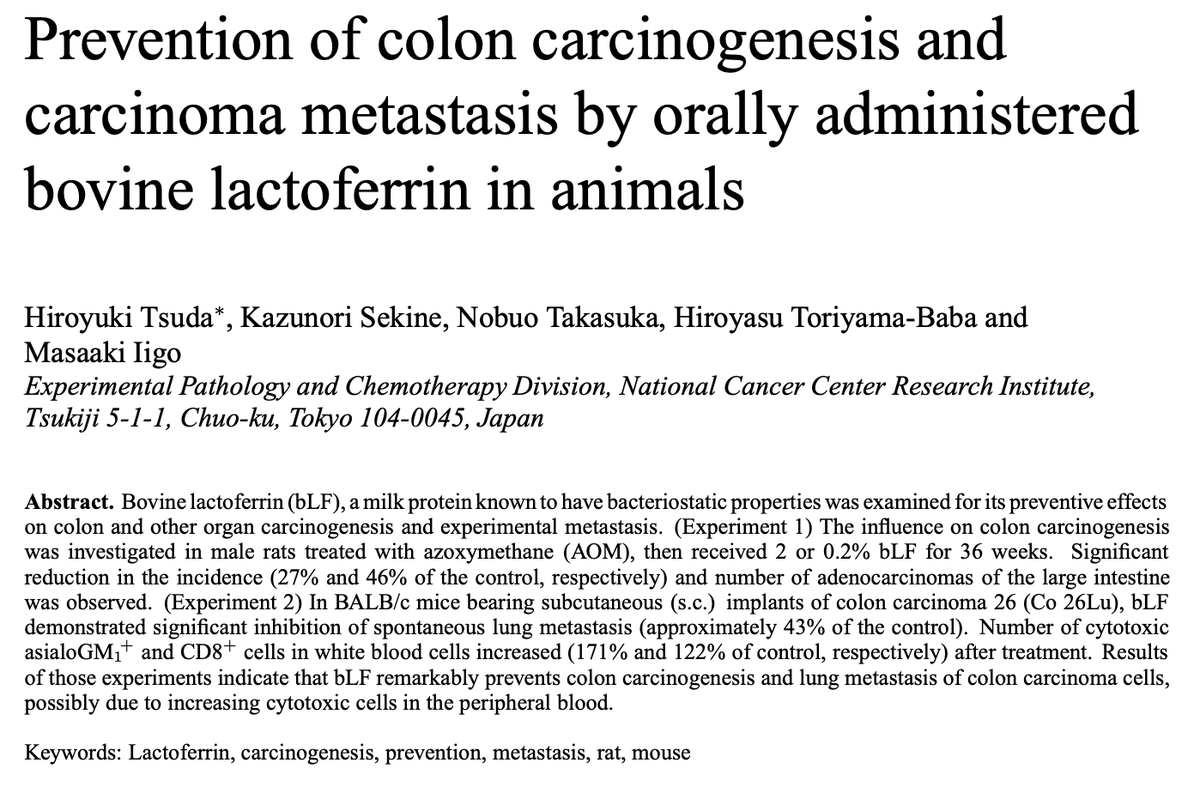
Shown to prevent and even reverse cancer in the digestive tract of animals.
Researchers took the leap and studied it in humans:
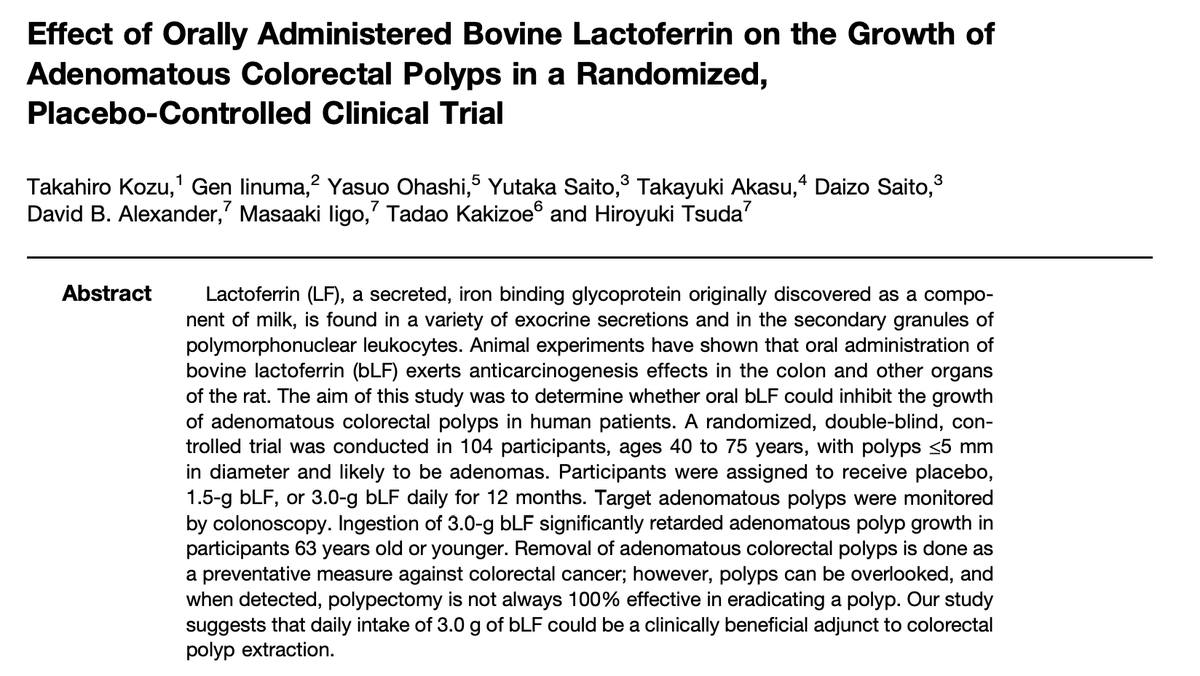
Patients given 3g/day experienced a significant slowdown in colon tumor growth.
Dalton (Analyze & Optimize)
@Outdoctrination
Curing IBD with Lactoferrin:
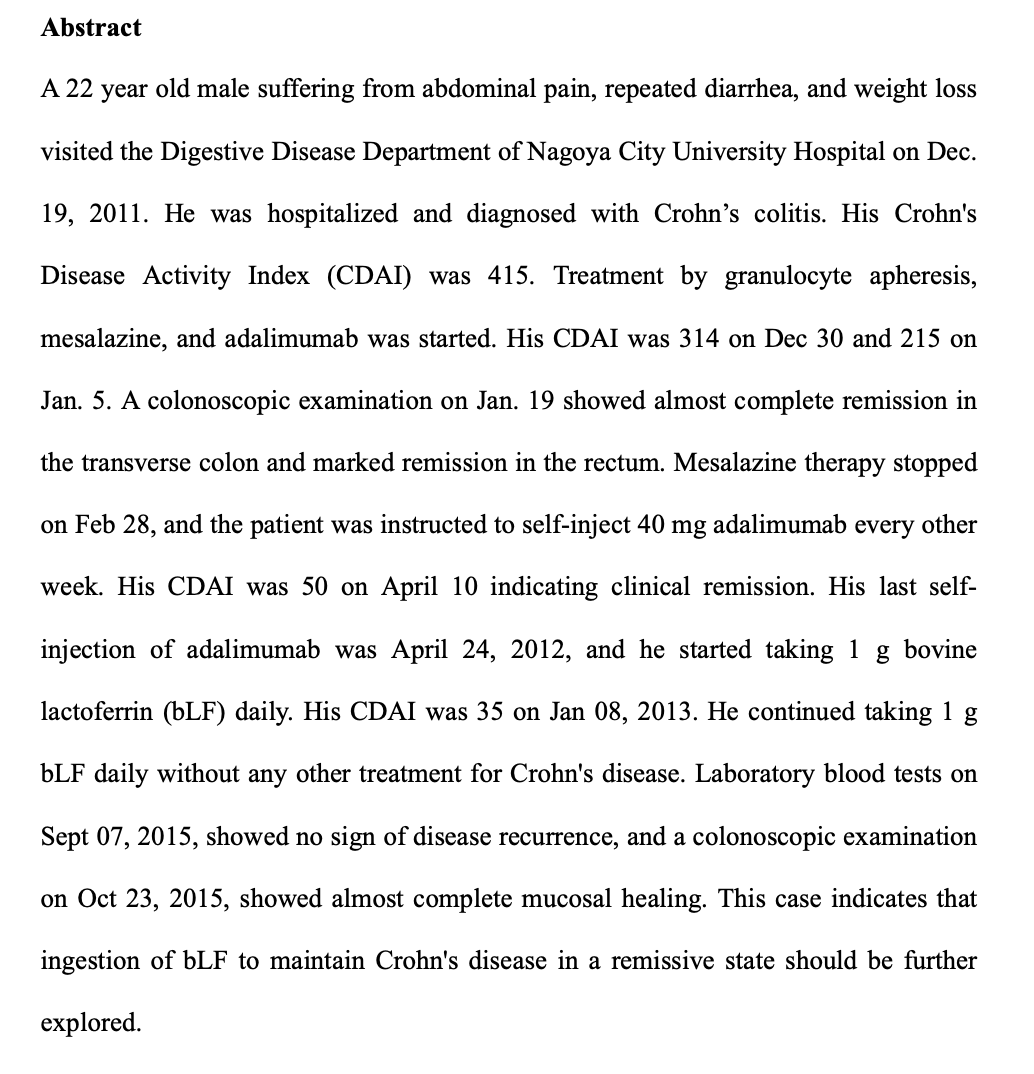
A man with severe Crohn’s disease moved to the U.S. and lost access to his prescriptions.
He began taking 1g/day of lactoferrin in lieu of them.
No relapse. Sustained remission.
This case alone should've put lactoferrin on the map.
Dalton (Analyze & Optimize)
@Outdoctrination
Lactoferrin is strikingly therapeutic for all sorts of gut issues.
600mg/day dramatically reduces:
➜ Nausea ➜ Diarrhea ➜ Abdominal pain
in children suffering from digestive disorders.
100mg/day stopped vomiting and inflammation in pediatric patients.
Dalton (Analyze & Optimize)
@Outdoctrination
Lactoferrin rapidly reverses diarrhea.
3g/day cut antibiotic-associated diarrhea cases in half in under 2 weeks.
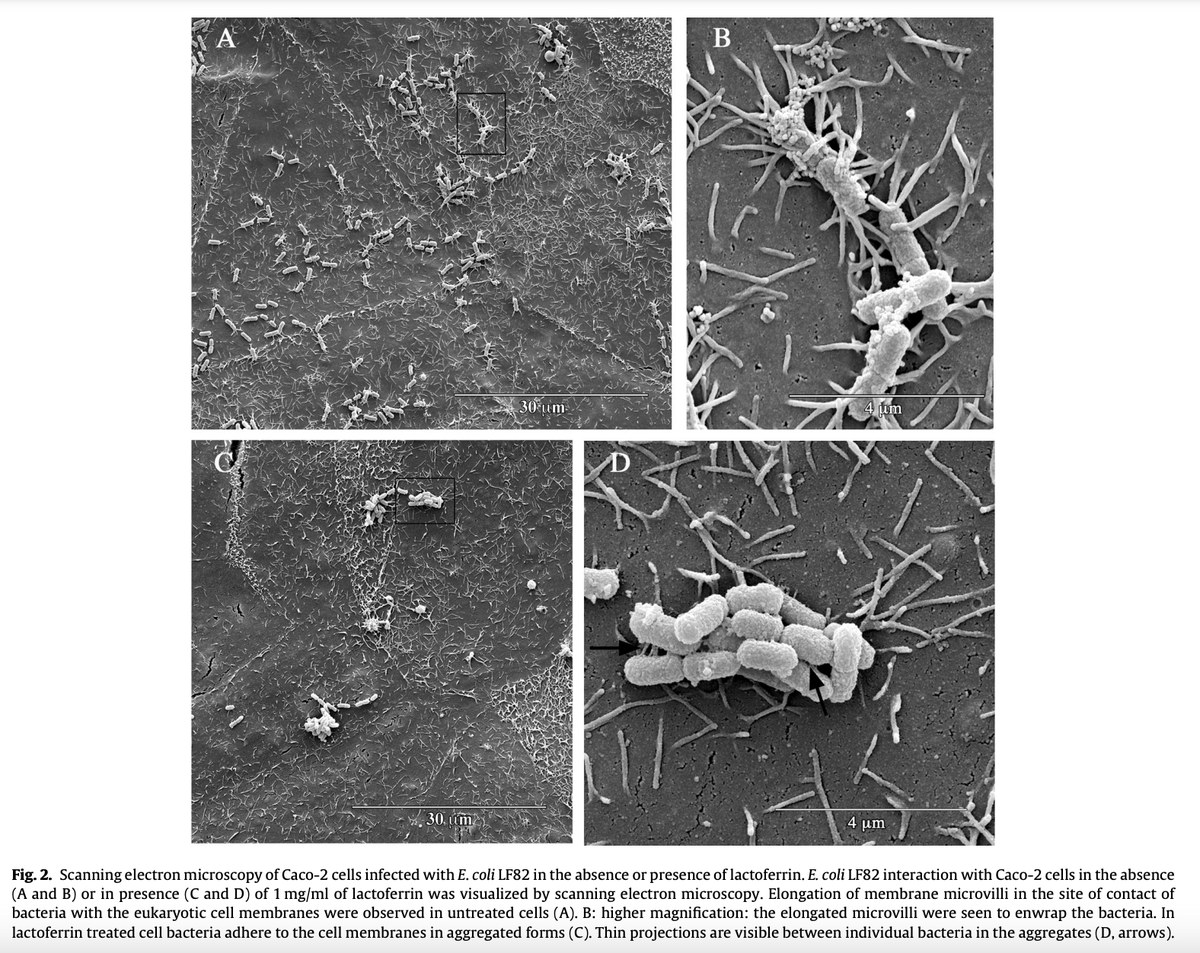
Lactoferrin, unlike antibiotics has a selective impact on gut bacteria - fostering the growth of commensal bacteria while also having antibacterial properties.
Dalton (Analyze & Optimize)
@Outdoctrination
Lactoferrin is a powerful antifungal, even against Candida.
The protein found in raw milk:
◈ Reduces fungal growth ◈ Disrupts fungal biofilm formation ◈ Is synergistic with other antifungals
Things like autoimmunity and allergies are the result of an overactive immune system
◇ Increases tolerogenic immune cells that keep the peace ◇ Suppresses overactive CD4+ T cells that drive inflammation ◇ Helps the immune system distinguish between friend and foe
This means fewer reactions to food, better nutrient absorption, and a calmer immune system.
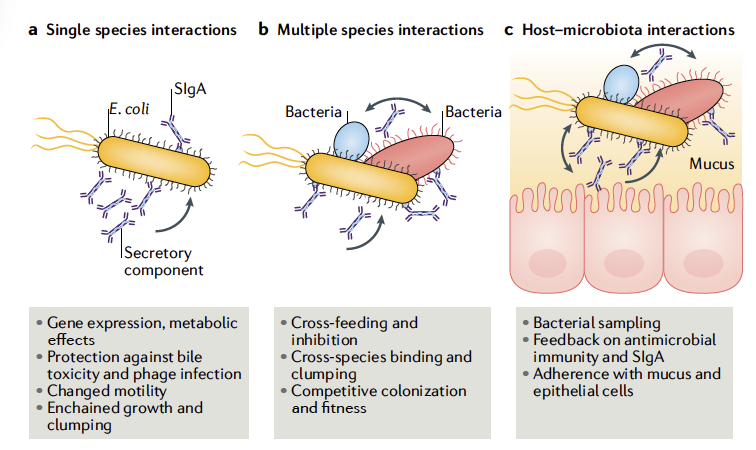
It also ramps up secretory IgA, the antibody that patrols the gut lining:
◇ Binds to pathogens before they cause harm ◇ Protects you during stress, illness, or gut infections
sIgA becomes depleted with chronic stress - lactoferrin brings it back.
It doesn’t stop there.
Toll-like receptors (TLRs) are immune sensors that detect bacterial components like endotoxin. They are chronically elevated in IBS and IBD.