Ringing in your ears? Read this.
This is all about TINNITUS - how it happens, and what you might be able to do about it:

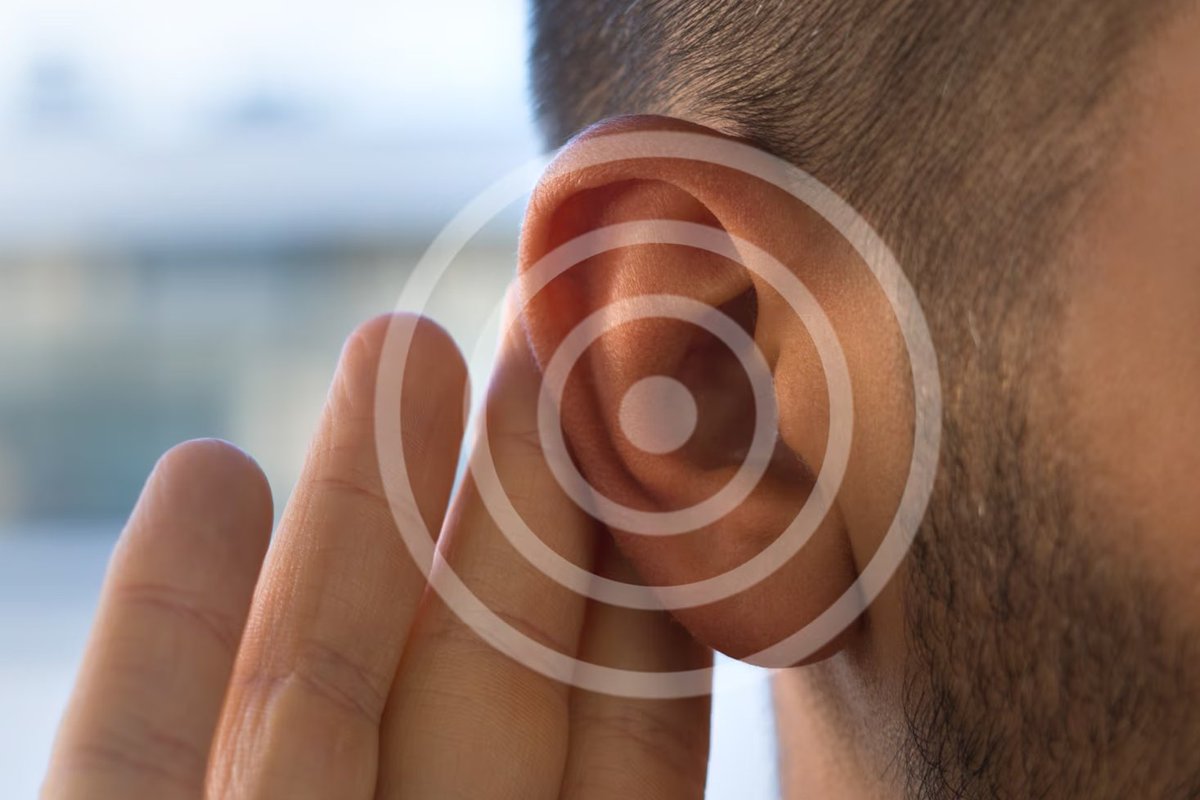
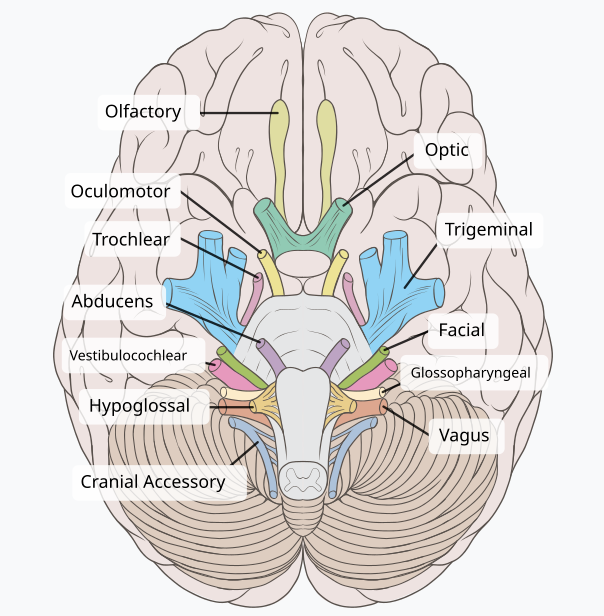
The ears are connected to the brain through the cranial nerves system.
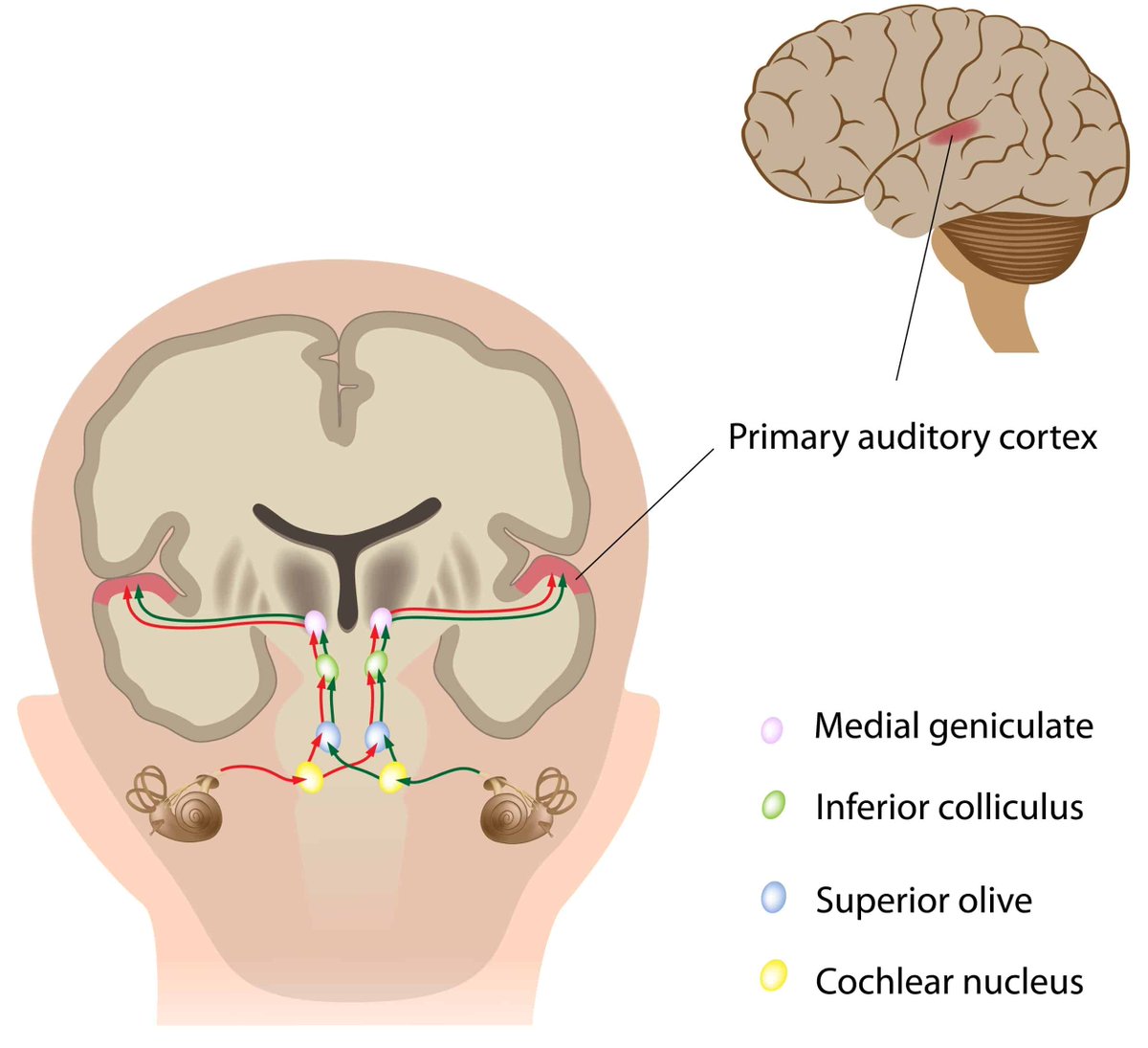
The cochlea (those little snail looking things in the ears) are what absorb + transmit sounds.
It does this through the vestibulocochlear nerve to the cochlear nucleus in the brain stem, eventually to the auditory cortex where your brain makes sense of these waves.
The cochlea (those little snail looking things in the ears) are what absorb + transmit sounds.
It does this through the vestibulocochlear nerve to the cochlear nucleus in the brain stem, eventually to the auditory cortex where your brain makes sense of these waves.
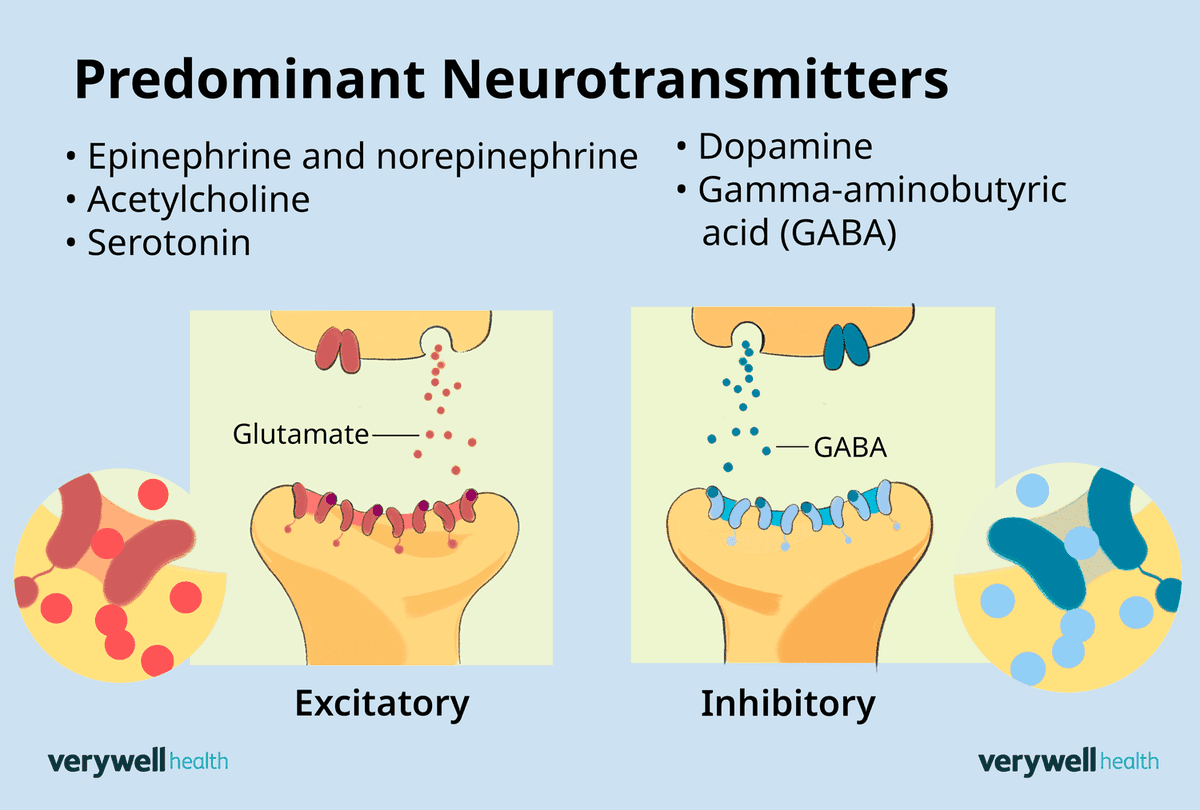
Nerves use both excitatory and inhibitory neurotransmitters.
Excitatory transmitters (glutamate mainly) promote the activity of the nerves.
Inhibitory transmitters (GABA, glycine) do the opposite.
Ideally we keep these in balance to maintain things properly, but things like stress and inflammation can throw things out of wack, typically in favor of excitation.
Excitatory transmitters (glutamate mainly) promote the activity of the nerves.
Inhibitory transmitters (GABA, glycine) do the opposite.
Ideally we keep these in balance to maintain things properly, but things like stress and inflammation can throw things out of wack, typically in favor of excitation.
The prime cause of tinnitus is excess excitation of the nerves that facilitate hearing.
◇ Glutamate activity is increased
◇ Glycine activity is decreased
◇ GABA activity is decreased
This is often after a traumatic event (loud noise), but can also just be from aging.
◇ Glutamate activity is increased
◇ Glycine activity is decreased
◇ GABA activity is decreased
This is often after a traumatic event (loud noise), but can also just be from aging.


Inflammation in the nerves also drives tinnitus.
Some of the key inflammatory pathways are upregulated during aging + noise trauma,
and this can directly kill the neurons of the cochlear nucleus and cause the ringing phenomenon.
Some of the key inflammatory pathways are upregulated during aging + noise trauma,
and this can directly kill the neurons of the cochlear nucleus and cause the ringing phenomenon.

Taurine is therapeutic in tinnitus.
Taurine blocks the main inflammatory pathway in tinnitus (TLR4).
Taurine is also an activator of the GABA receptors, which reduces the excess excitation of the nerves.
Taurine blocks the main inflammatory pathway in tinnitus (TLR4).
Taurine is also an activator of the GABA receptors, which reduces the excess excitation of the nerves.

Taurine has a ton of other protective effects that I've covered at length here:
View Tweet
Vitamin C stops ringing in the ears.
It upregulates the glutamate transporter,
which pulls glutamate into cells + degrades it - lowering overall glutamate signaling.
It also is a potent anti-inflammatory / antioxidant, which is key for maintaining the health of these nerves.
It upregulates the glutamate transporter,
which pulls glutamate into cells + degrades it - lowering overall glutamate signaling.
It also is a potent anti-inflammatory / antioxidant, which is key for maintaining the health of these nerves.

I've also covered the actions and benefits of vitamin C here:
View Tweet
Glycine is one of the KEYS to tinnitus.
As an inhibitory neurotransmitter, a lack of glycine signaling is a key driver of the excess excitation and ringing.
This is why high doses of salicylate cause tinnitus - they impair glycine neurotransmission.
As an inhibitory neurotransmitter, a lack of glycine signaling is a key driver of the excess excitation and ringing.
This is why high doses of salicylate cause tinnitus - they impair glycine neurotransmission.

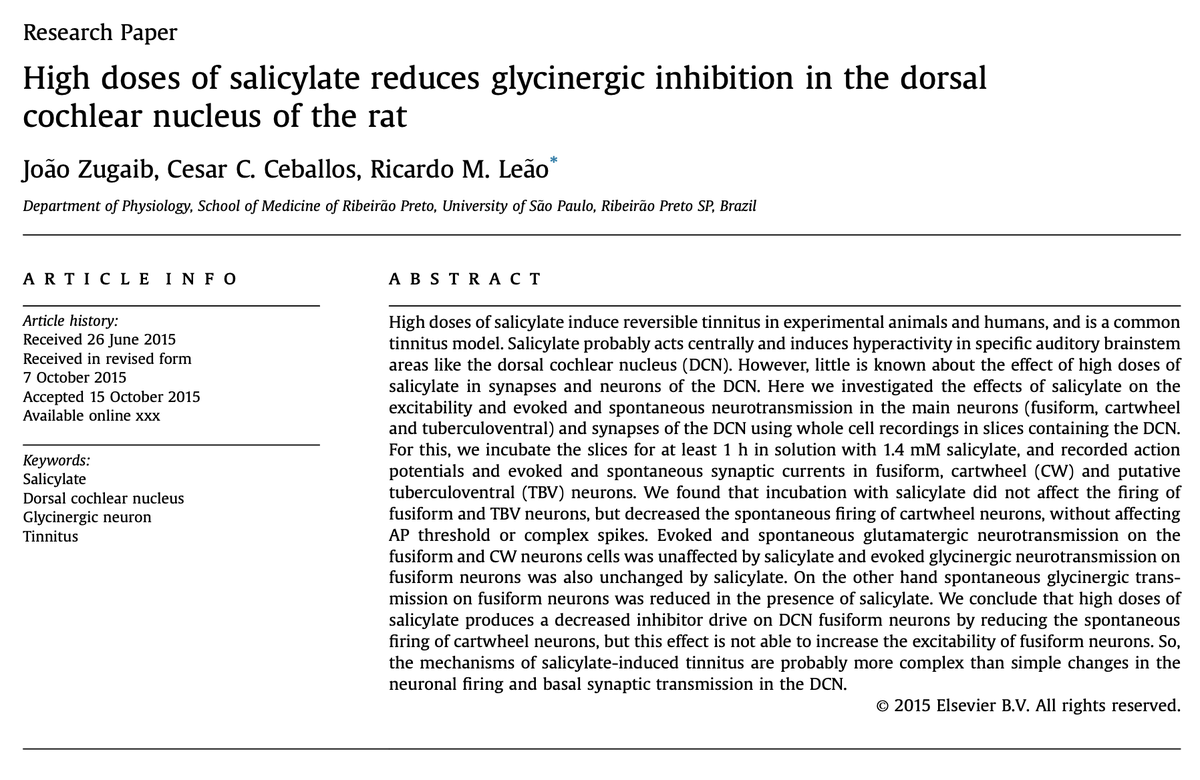
Trying to consume more glycine, via supplementation or from collagen containing foods, seems like a reasonable strategy for this reason.
I've written all about glycine + collagen here:
I've written all about glycine + collagen here:
View Tweet
Glycine also increases GABAnergic steroids.
It promotes the conversion of progesterone into allopregnanolone, a neurosteroid that activates the GABA receptors.
I've written about allopregnanolone in relation to its precursor, pregnenolone, below.
It promotes the conversion of progesterone into allopregnanolone, a neurosteroid that activates the GABA receptors.
I've written about allopregnanolone in relation to its precursor, pregnenolone, below.
View Tweet

Another direct precursor to allopregnanolone is progesterone, which I've covered below.
Pregnenolone and progesterone can have powerful relaxing effects due to their GABAnergic potential through allopregnanolone.
Pregnenolone and progesterone can have powerful relaxing effects due to their GABAnergic potential through allopregnanolone.
View Tweet
GABA agonists for tinnitus.
Again - there is impaired inhibitory neurotransmission, causing the constant firing of the nerves from the ears.
Here, the GABA agonist gabapentin improved tinnitus.
Not exactly a drug I'm a fan of, but you can just take GABA itself orally.
Again - there is impaired inhibitory neurotransmission, causing the constant firing of the nerves from the ears.
Here, the GABA agonist gabapentin improved tinnitus.
Not exactly a drug I'm a fan of, but you can just take GABA itself orally.

Some other GABAnergics:
◇ L-Theanine
◇ Vitamin B6
◇ Beta alanine
Focusing on increasing GABA should be one of the foundations of tinnitus support.
◇ L-Theanine
◇ Vitamin B6
◇ Beta alanine
Focusing on increasing GABA should be one of the foundations of tinnitus support.
The NMDA receptor is overactive in tinnitus.
This is one of the primary glutamate receptors, and plays a critical role in the excess excitation of the nerves seen in tinnitus.
Some NMDA blockers:
◇ Phenylalanine
◇ Huperzine
◇ Agmatine
This is one of the primary glutamate receptors, and plays a critical role in the excess excitation of the nerves seen in tinnitus.
Some NMDA blockers:
◇ Phenylalanine
◇ Huperzine
◇ Agmatine

Zinc is therapeutic in tinnitus.
People with tinnitus tend to have lower zinc levels.
Zinc inhibits the NMDA glutamate receptors, inhibiting the excess excitation.
Zinc is also an important anti-inflammatory / antioxidant, which as we've discussed is important in tinnitus.
People with tinnitus tend to have lower zinc levels.
Zinc inhibits the NMDA glutamate receptors, inhibiting the excess excitation.
Zinc is also an important anti-inflammatory / antioxidant, which as we've discussed is important in tinnitus.

More on the incredible zinc here:
View Tweet
Antioxidants in general are helpful in tinnitus.
Antioxidants preserve the integrity of neurons, and thus reduce their excess excitation.
☆ Vitamin E
☆ Vitamin C
☆ B1
☆ B2
☆ Selenium
☆ Copper
☆ Zinc
☆ NAc
☆ Glycine
☆ Taurine
Are primary for antioxidant status.
Antioxidants preserve the integrity of neurons, and thus reduce their excess excitation.
☆ Vitamin E
☆ Vitamin C
☆ B1
☆ B2
☆ Selenium
☆ Copper
☆ Zinc
☆ NAc
☆ Glycine
☆ Taurine
Are primary for antioxidant status.
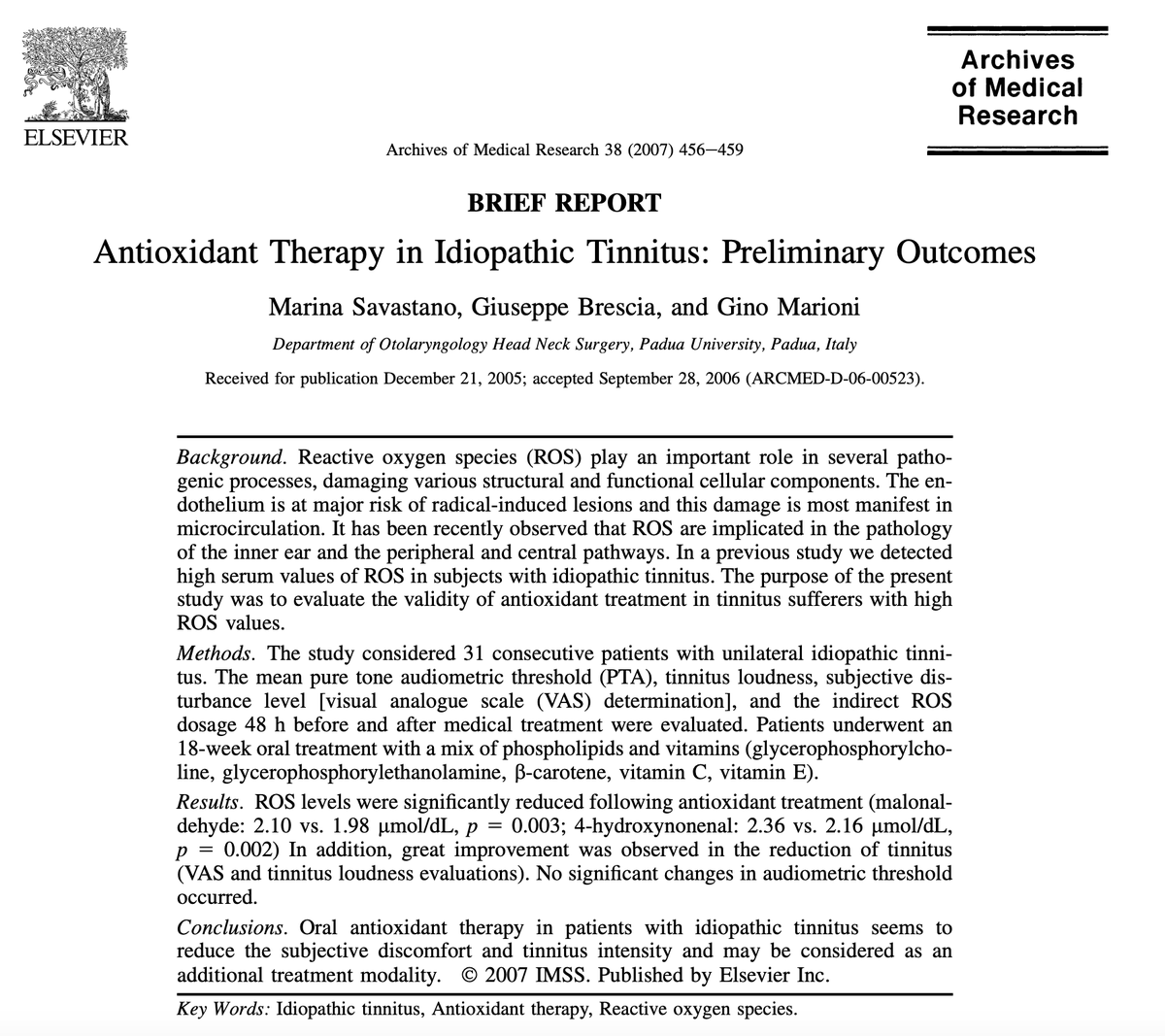
Ginkgo Biloba eliminates severe tinnitus.
Thought to be due to its antioxidant / neuroprotective role, this supplement has been studied a few different times for tinnitus relief.
Thought to be due to its antioxidant / neuroprotective role, this supplement has been studied a few different times for tinnitus relief.

Generated by Thread Navigator
Press ⌘ + S to quick-export
auto_awesome
Image exported!
Pro export renders embedded tweets & media at 2x Retina resolution.
Upgrade — $5 for 30 days