Keto, Carnivore and Fasting are DECIMATING your metabolism.
The thyroid needs carbs.
Here’s why:


The thyroid, is the master gland of our metabolism,
and our metabolic mastery is what drives our health.
The thyroid plays frequently neglected role in a myriad of health issues, if you don't believe me see here:
and our metabolic mastery is what drives our health.
The thyroid plays frequently neglected role in a myriad of health issues, if you don't believe me see here:
View Tweet
Unfortunately, it's quite common for patients displaying obvious signs of health problems to encounter doctors who readily admit they are stumped, without ever evaluating thyroid function.
And when they do get around to testing, they often only measure Thyroid Stimulating Hormone (TSH).
Here's the crucial piece they miss: TSH alone is far from the full picture.
And when they do get around to testing, they often only measure Thyroid Stimulating Hormone (TSH).
Here's the crucial piece they miss: TSH alone is far from the full picture.

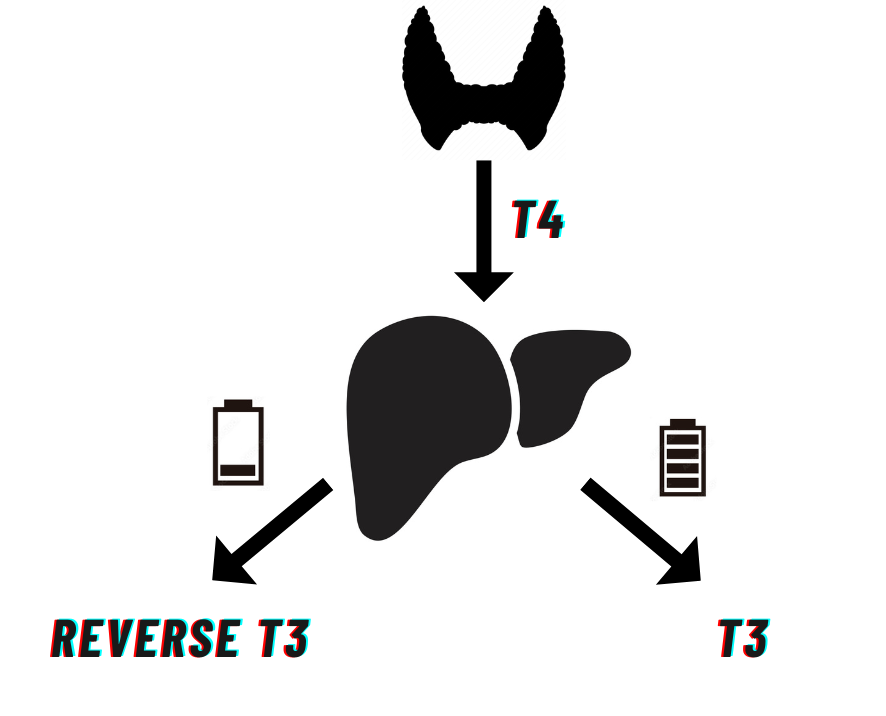
TSH is a precursor produced by the pituitary gland that must be converted by the thyroid into T4, which itself isn't the active thyroid hormone that the body ultimately utilizes.
T4 can be converted by peripheral tissues into reverse T3, which is anti-metabolic, or into T3, the active thyroid hormone that is truly essential for our metabolic health.
Understanding this distinction is vital.
T4 can be converted by peripheral tissues into reverse T3, which is anti-metabolic, or into T3, the active thyroid hormone that is truly essential for our metabolic health.
Understanding this distinction is vital.

Why is this important, especially in the context of low carb diets?
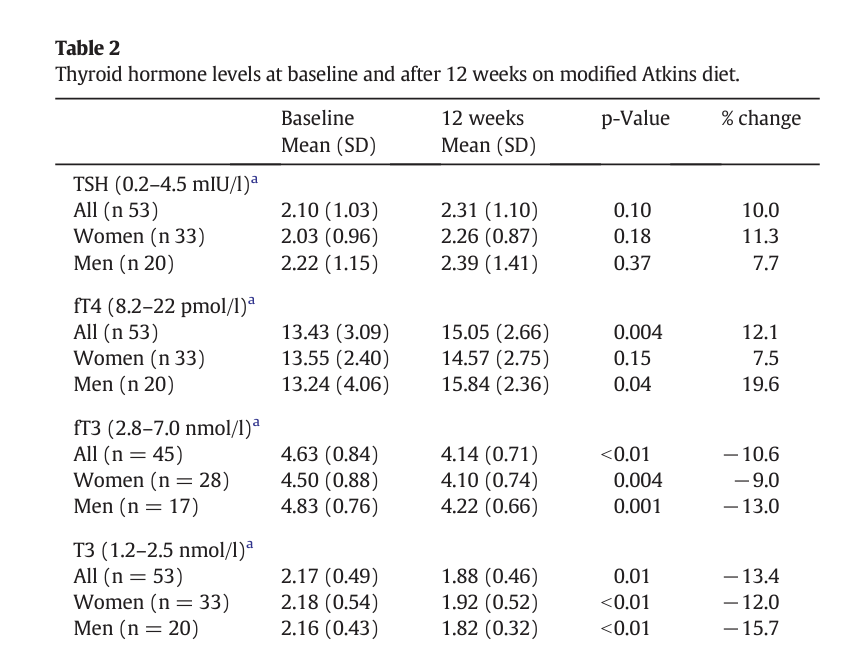
Well, even though TSH levels may be maintained on a low carb regimen, people following such diets typically show decreases in T3 levels, the metabolically active thyroid hormone.
Well, even though TSH levels may be maintained on a low carb regimen, people following such diets typically show decreases in T3 levels, the metabolically active thyroid hormone.
It's repeatedly observed that individuals on low carb diets tend to experience elevated levels of LDL cholesterol, one of the reasons for which might be connected to lower T3 levels, since T3 is critical in the creation of LDL receptors, which pull the cholesterol out of the blood into the liver.
Thyroid hormone is also crucial for converting the cholesterol into downstream steroid hormones.
Thyroid hormone is also crucial for converting the cholesterol into downstream steroid hormones.
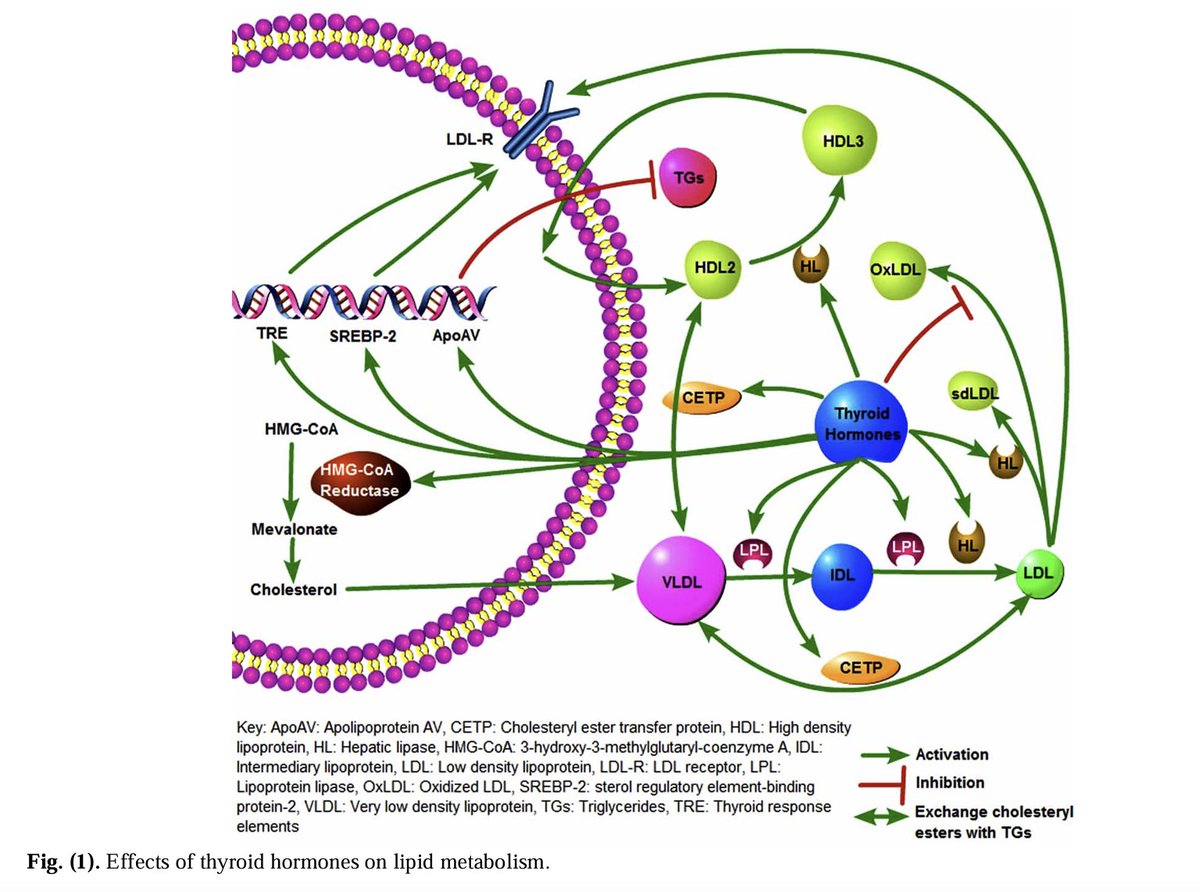
The relationship between thyroid hormone levels and LDL cholesterol is striking, as desiccated thyroid therapy reliably lowers cholesterol.

Check out this thread for more on implementing desiccated thyroid:
View Tweet
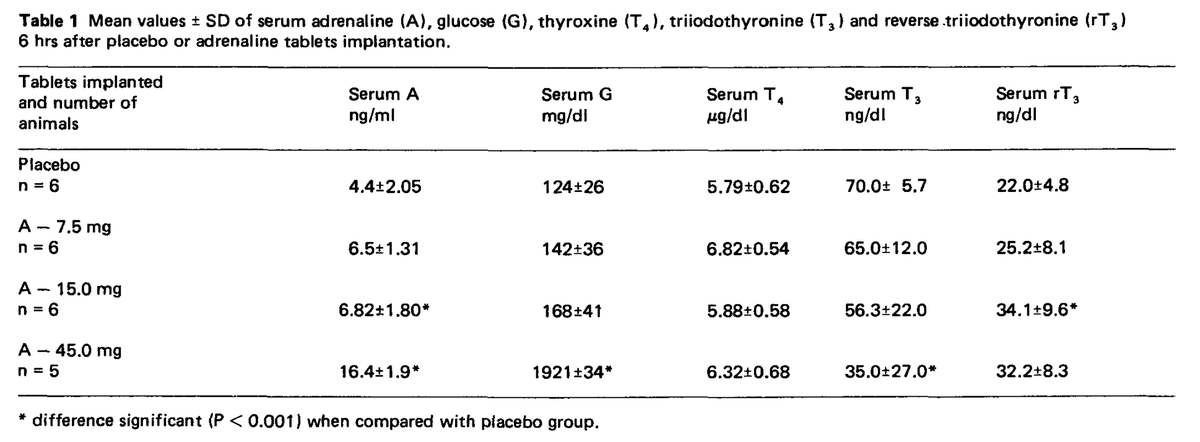
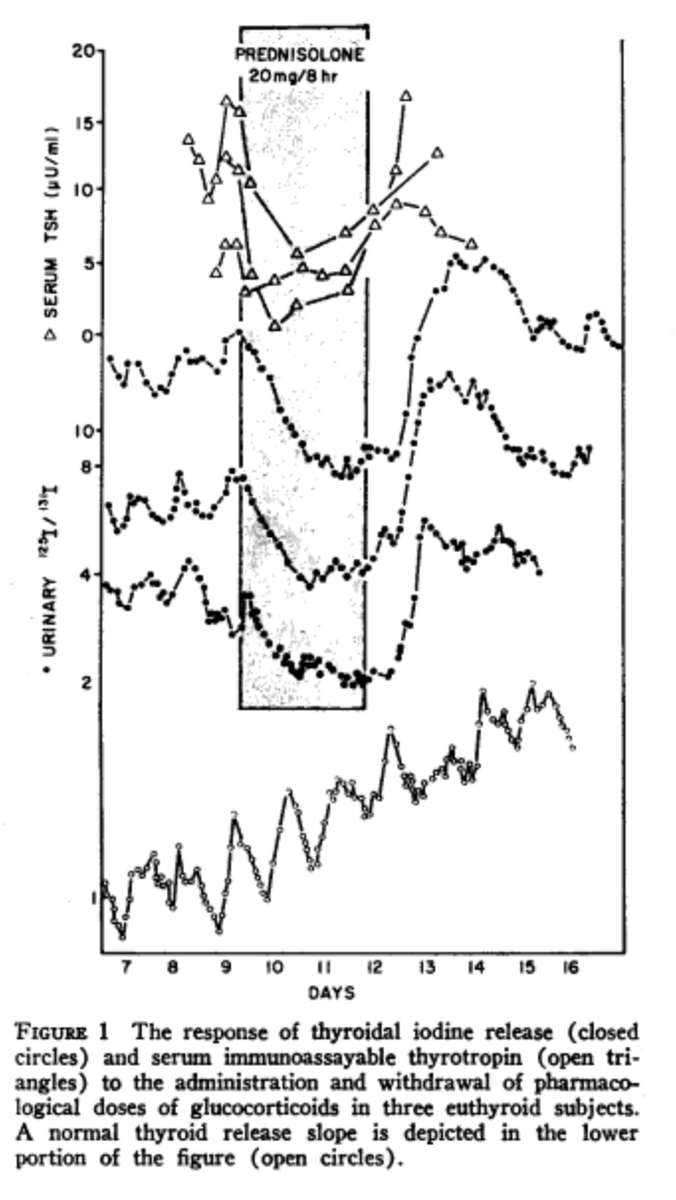
On a low carb diet, there is a decrease in insulin, corresponding with an increase in the functioning of stress hormones such as adrenaline, noradrenaline, and cortisol.
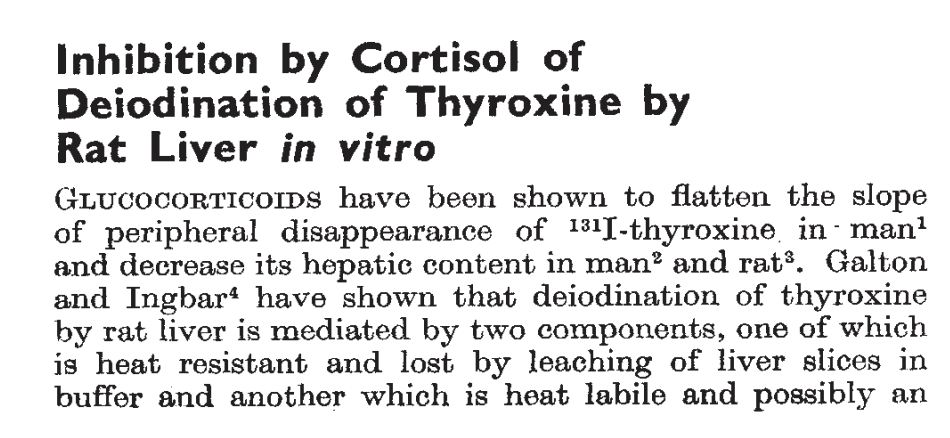
These hormones are known to decrease the conversion of T4 into T3 and increase the conversion into reverse T3.
Cortisol in particular can suppress the output of TSH.
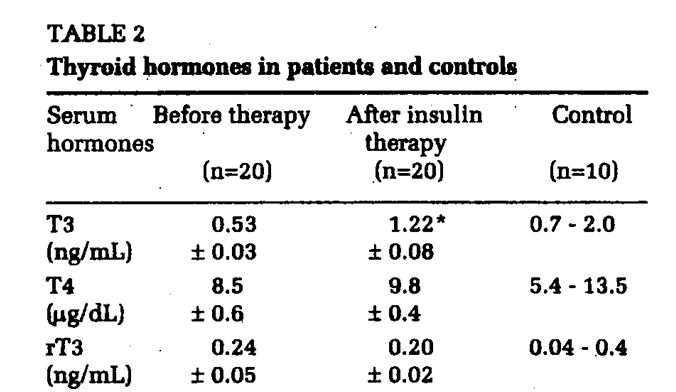
Meanwhile, insulin is known to increase the output of T4 from the thyroid and the conversion of T4 into T3.
These hormones are known to decrease the conversion of T4 into T3 and increase the conversion into reverse T3.
Cortisol in particular can suppress the output of TSH.
Meanwhile, insulin is known to increase the output of T4 from the thyroid and the conversion of T4 into T3.
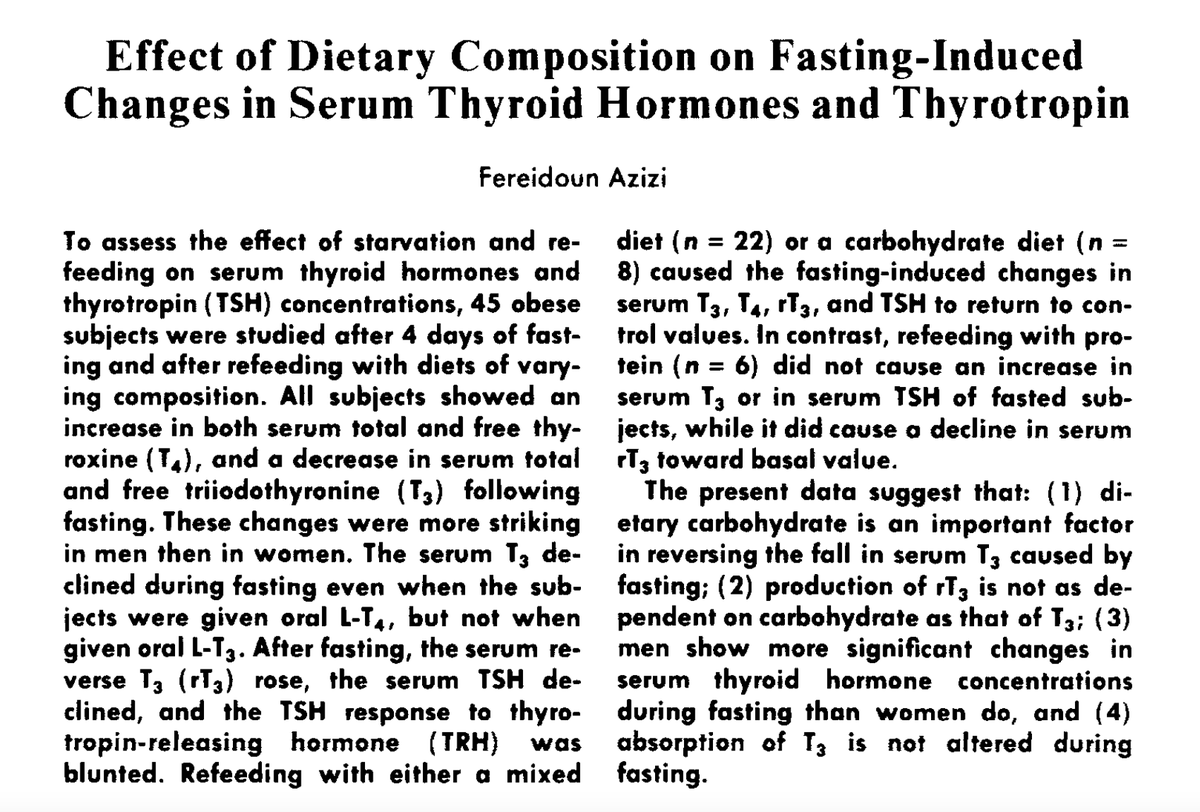
Fasting is known to tank T3 status, and increase reverse T3 to suppress the metabolic rate.
Carbohydrate feeding differentially improves the thyroid profile, which is not replicated by protein and fat.
Carbohydrate feeding differentially improves the thyroid profile, which is not replicated by protein and fat.

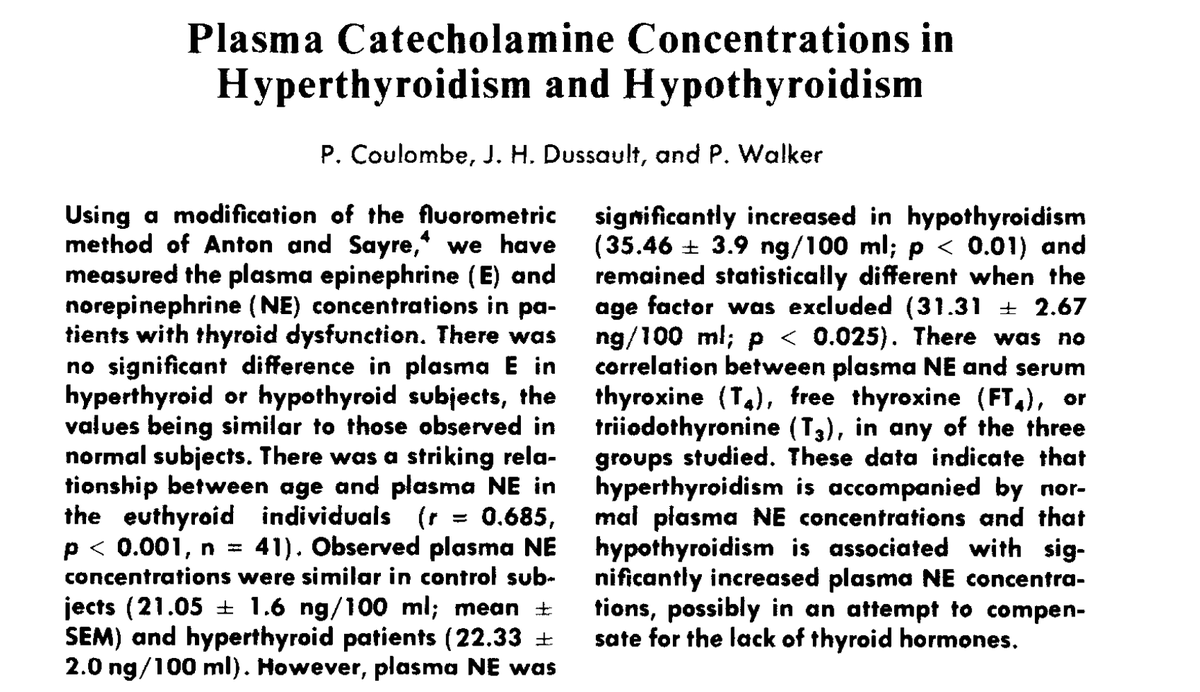
Interestingly, elevated levels of noradrenaline are also found in patients with hypothyroidism.
Ultimately, with reduced levels of T3 due to a low carb diet, the body is likely compensating by increasing the levels of these stress hormones as a mechanism to maintain energy and metabolic function.
Ultimately, with reduced levels of T3 due to a low carb diet, the body is likely compensating by increasing the levels of these stress hormones as a mechanism to maintain energy and metabolic function.
Low carb or fasting proponents may suggest that because low carb diets have been shown to improve insulin and leptin sensitivity, the same positive effect might be assumed for thyroid hormones, that you need less thyroid hormone and become more “thyroid sensitive,” and therefore lower T3 is okay.
Unfortunately, nothing could be further from the truth.
Here's why:
Unfortunately, nothing could be further from the truth.
Here's why:
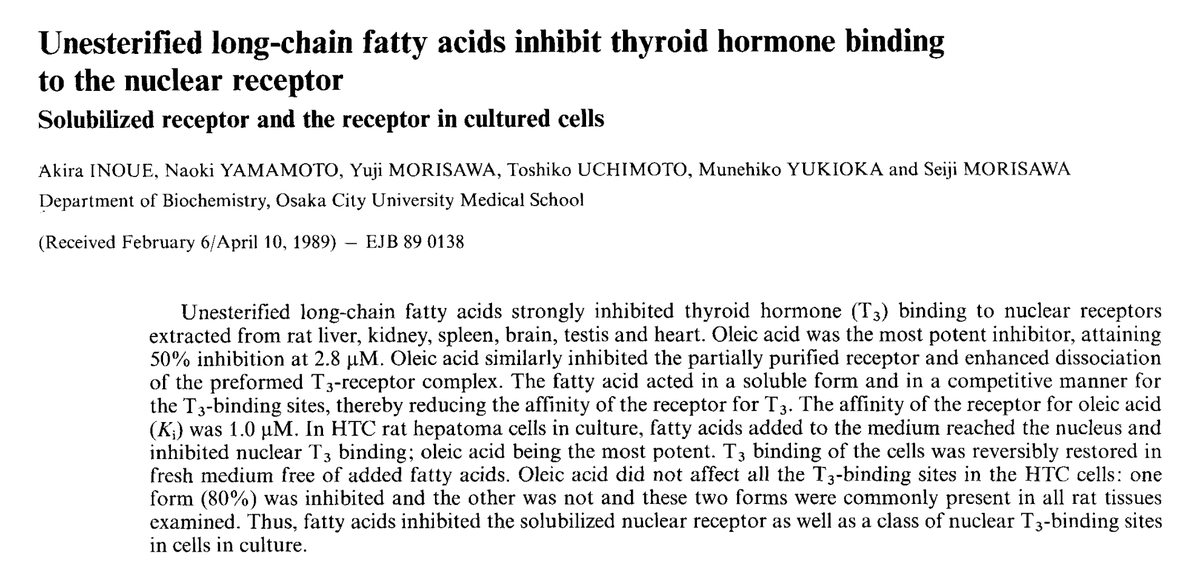
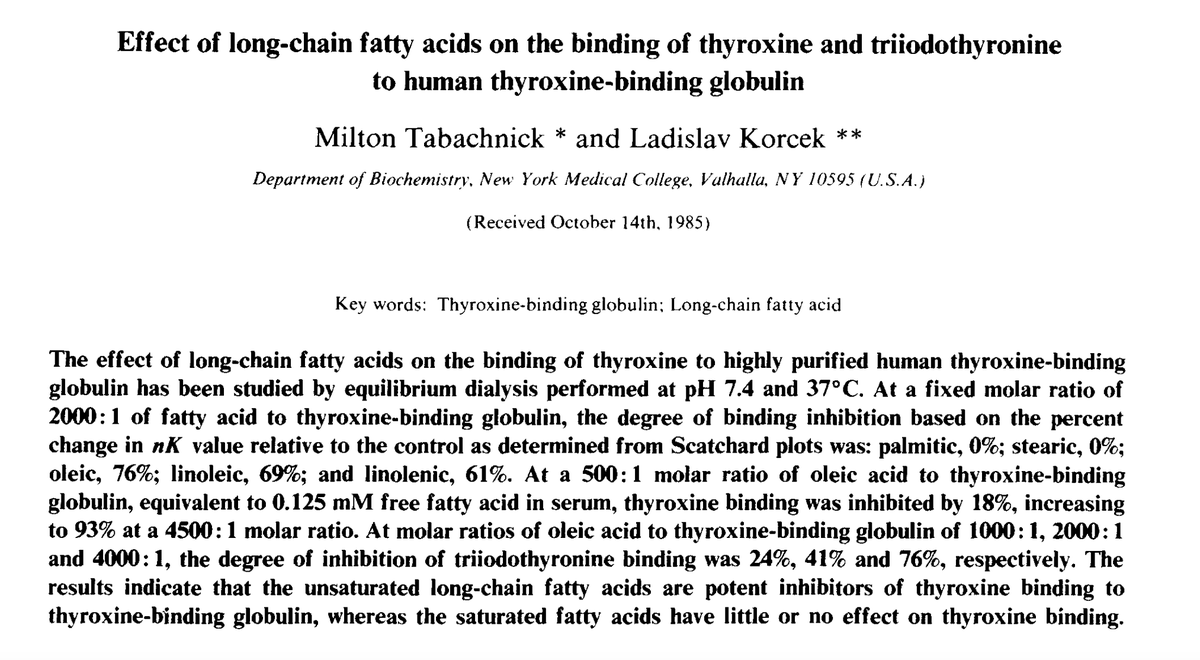
With a lack of carbohydrates and insulin in the picture, fat gets released from the adipose tissue and free fatty acid levels rise systemically.
These free fatty acids are known to not only prevent the transport of thyroid hormones, but also to block their actions in the cell, something that won’t get picked up on any blood test.
These free fatty acids are known to not only prevent the transport of thyroid hormones, but also to block their actions in the cell, something that won’t get picked up on any blood test.

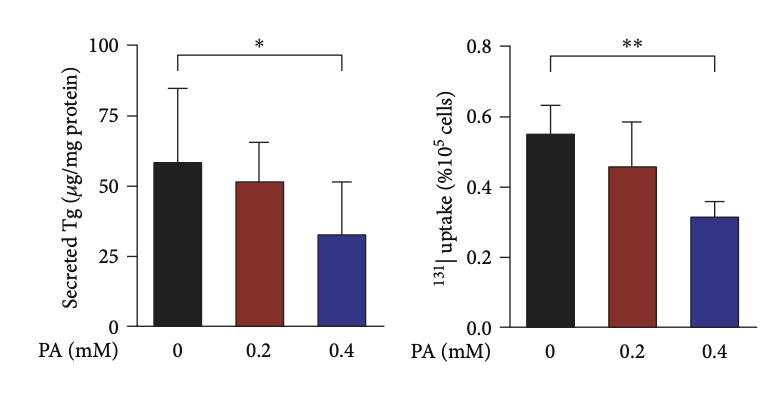
Free fatty acids also act directly at the thyroid level to suppress the production of important thyroid components, such as thyroglobulin, thyroperoxidase and the iodine transporter.
Fasting causes serum T3, T4 and TSH to decrease, along with lower conversion of T4 into T3.
The effects on serum TH concentrations become more pronounced with longer fasting periods.
The effects on serum TH concentrations become more pronounced with longer fasting periods.
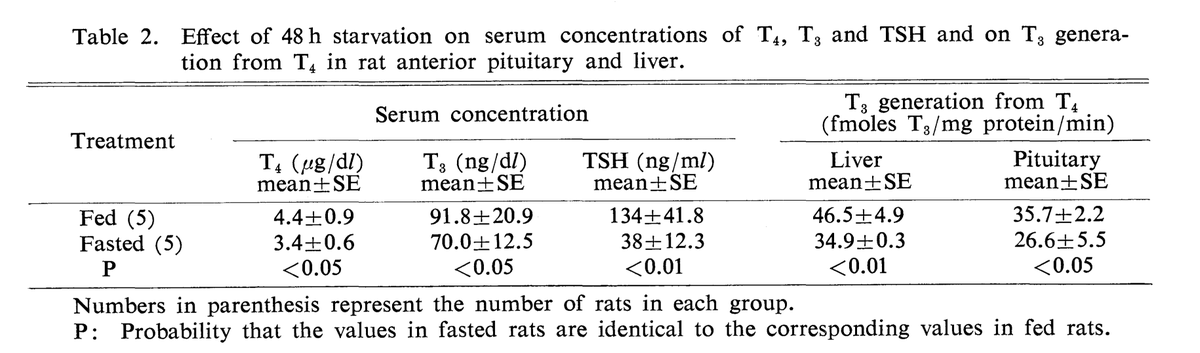
Thyroid hormone conversion is largely regulated in the liver, driven by enzymes known as deiodinases, which facilitate the interconversion of thyroid hormones.
Deiodinase 3, the primary enzyme in deactivating thyroid hormones (T4 into reverse T3 or T2), is known to be induced in response to liver injury, inflammation... or fasting.
Deiodinase 3, the primary enzyme in deactivating thyroid hormones (T4 into reverse T3 or T2), is known to be induced in response to liver injury, inflammation... or fasting.


Additionally, the liver influences thyroid hormone concentrations in the bloodstream by producing binding proteins that lower thyroid hormone bioavailability.
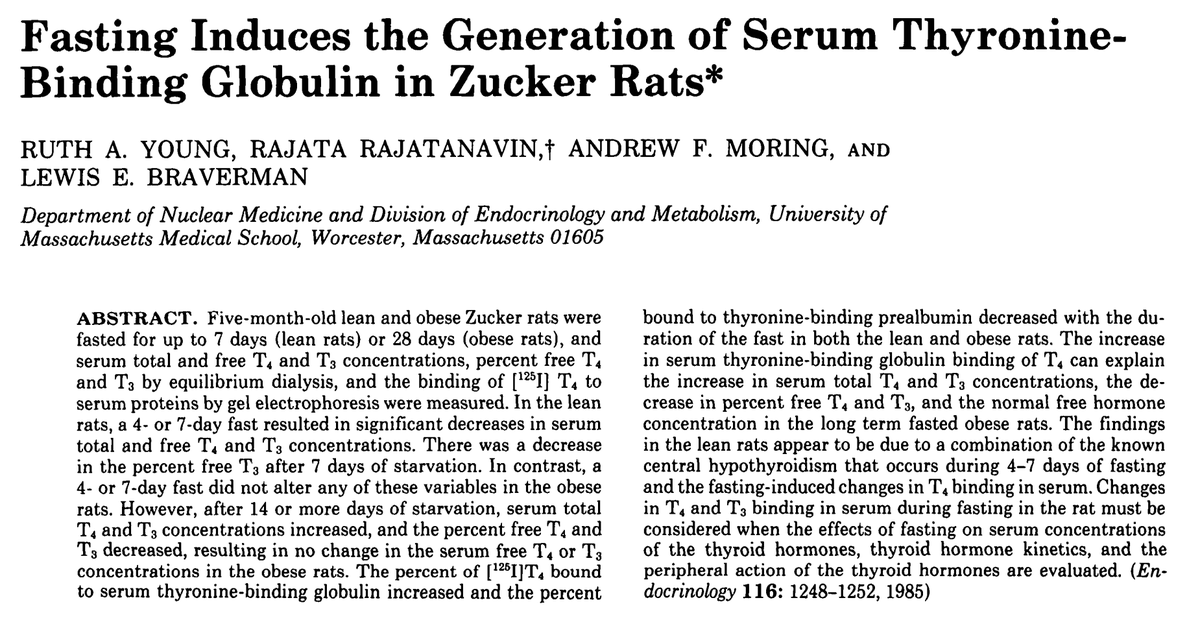
For instance, the proportion of one of these proteins, thyroid binding globulin, increases in fasting, contributing to a less bioavailable form of the hormone to other tissues.
For instance, the proportion of one of these proteins, thyroid binding globulin, increases in fasting, contributing to a less bioavailable form of the hormone to other tissues.
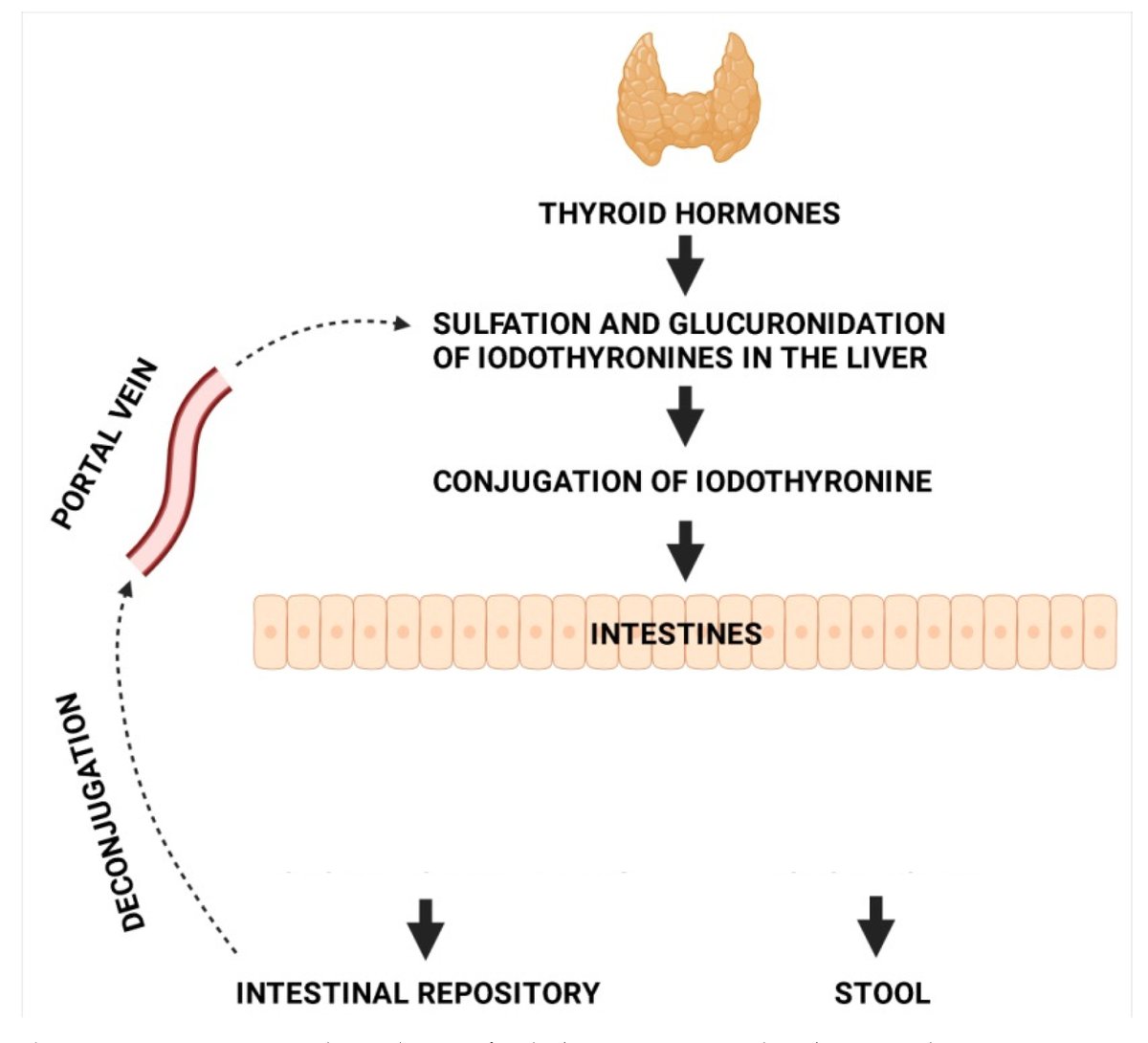
However, thyroid hormones can also be inactivated and excreted through the feces or urine, through the processes of sulfation and glucuronidation, which are ubiquitous in detoxification.
Enzymes responsible for sulfation and glucuronidation of thyroid hormone are increased by fasting.
In other words, by chronically fasting, you are literally pissing away your metabolism.
Enzymes responsible for sulfation and glucuronidation of thyroid hormone are increased by fasting.
In other words, by chronically fasting, you are literally pissing away your metabolism.
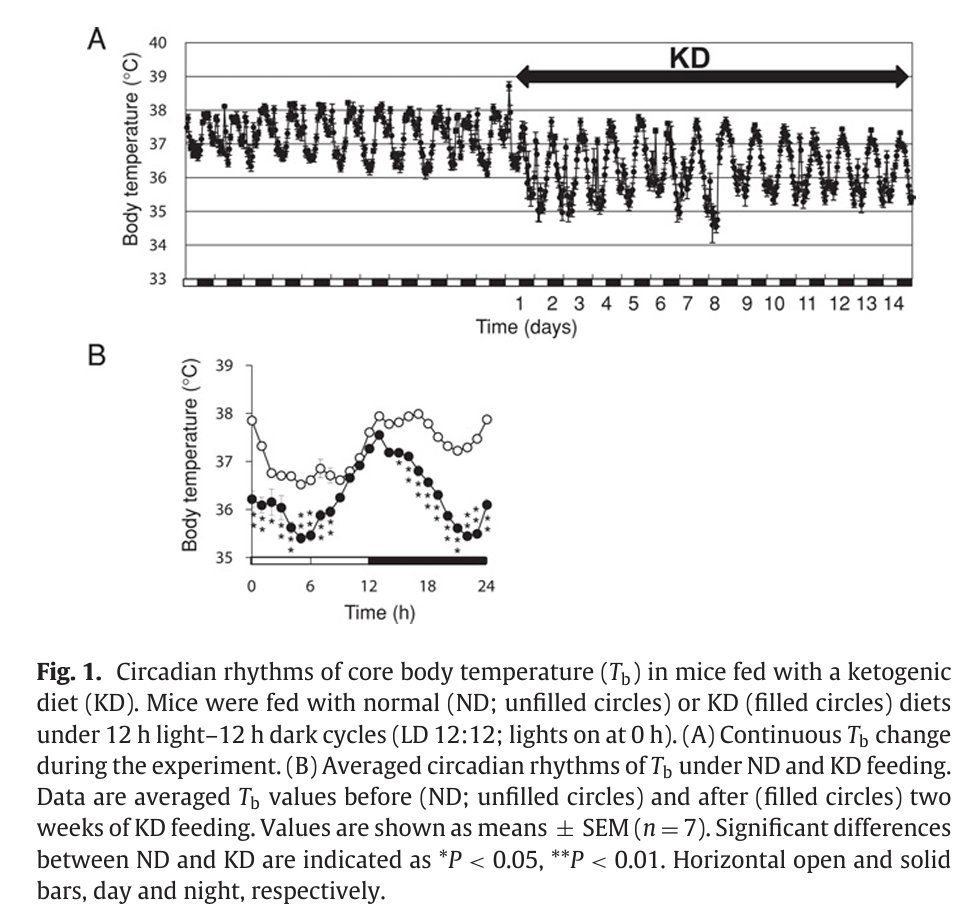
Ketogenic diets and fasting are also liable to decrease the body temperature, a well known outcome of inadequate thyroid function.
All in all, it seems very clear that the thyroid thrives on carbohydrate and becomes sluggish in times of fasting.
Given how important thyroid function is for nearly every bodily function, it's definitely something to be aware of if you choose to undertake such a lifestyle.
Personally, I can attest to the fact that chronic fasting and carb restriction made me unnaturally cold seemingly all the time.
Given how important thyroid function is for nearly every bodily function, it's definitely something to be aware of if you choose to undertake such a lifestyle.
Personally, I can attest to the fact that chronic fasting and carb restriction made me unnaturally cold seemingly all the time.
Generated by Thread Navigator
Press ⌘ + S to quick-export
auto_awesome
Image exported!
Pro export renders embedded tweets & media at 2x Retina resolution.
Upgrade — $5 for 30 days