Canvas & Ratio
Choose your destination platform format
Layout Template
Choose a content structure for your slides
Preset Themes
Typography & Sizing
Brand Kit Customization
AGENCYConfigure brand assets for headers & footers
Outro Slide CTA
Customize your closing call-to-action slide
Background Pattern
Build Your Carousel
Drag and drop any post card below onto a slide, or use the quick buttons to insert content/images instantly!

6 years in the gym taught me If you want to have 13% body fat, you need to eat this every day: #1 Cooked and cooled potato
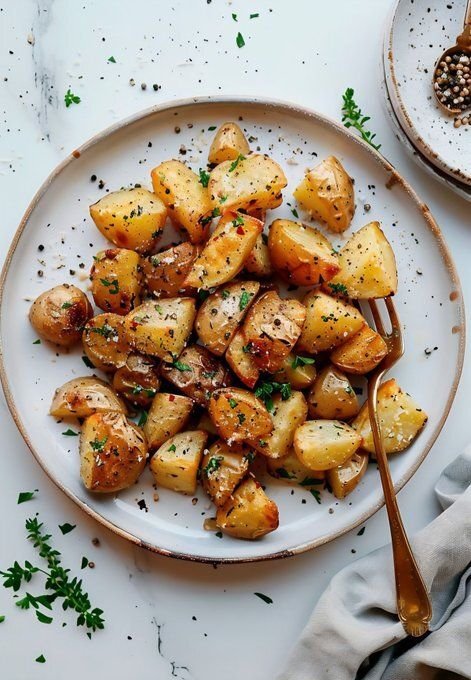

Hot potatoes have a high glycemic index. Chilled for 12 hours in the refrigerator, this index drops dramatically due to the formation of resistant starch. It is also the food with the highest satiety index per calorie documented in research from the University of Sydney. More satiety = less total intake without counting calories.
#2 Sardines The most underrated food for body composition. Complete protein, omega-3, calcium, vitamin D and zinc in one food. Omega-3 activates PPAR-alpha receptors that regulate fat oxidation. Intracellular calcium improves lipolysis, the breakdown of stored fat. One can a day. Raw. Without cooking.
#3 Cottage cheese Casein is the slowest digestible protein that exists. Consumed before bed, it keeps protein synthesis active during sleep. Sleep is where most muscle repair and growth occurs. More muscle at rest = more calories burned at rest = 13% more accessible fat.
#4 Beef liver The most nutrient-dense food that exists. Vitamin B12, zinc, copper, vitamin A and heme iron in concentrations that no other food matches. Zinc regulates testosterone. B12 maintains energy metabolism. Heme iron optimizes oxygen transport to the muscle. A 100g serving twice a week covers deficits that silently block body composition.
#5 Natural kefir 95% of serotonin is produced in the intestine. An impaired microbiome produces less serotonin. Less serotonin = more sugar cravings = more unintentional calories. Kefir has more bacterial strains than any commercial yogurt. Two weeks of daily consumption changes the composition of the microbiome in a measurable way.
#6 Cooked and cooled lentils High plant protein plus resistant starch. Cooked and cooled, they develop resistant starch that does not raise glucose. They feed the bacteria that produce butyrate, which reduces visceral inflammation directly. In addition, its high iron and folate content optimizes red blood cell production and training performance.
#7 Whole eggs on an empty stomach I don't eat a full breakfast. As the first intake of the day. Two whole eggs on an empty stomach stabilize morning glucose and reduce the insulin peak of the first meal of the day. The Journal of Nutrition documented that those who ate eggs vs. carbohydrates for breakfast consumed significantly fewer calories over the next 36 hours.
#8 Grass-Fed Beef Not just any meat. Specifically grass fed. Contains CLA, a conjugated fatty acid that stimulates lipolysis and reduces the accumulation of visceral fat. Furthermore, its omega-6/omega-3 ratio is significantly better than conventional meat. Less inflammation = better hormonal response = more favorable body composition.
#9 Arugula and bitter leaves Bitter vegetables stimulate bile production. Bile is the emulsifier the body uses to process and absorb dietary fats. Without enough bile, the healthy fats you eat are not absorbed properly. A liver that produces bile efficiently metabolizes body fat more effectively.
10 Brazil Nuts Two walnuts a day cover the complete daily requirement of selenium. Selenium is a direct cofactor of the enzyme that converts T4 to T3, the active form of thyroid hormone. The thyroid regulates basal metabolism. With selenium deficiency, the metabolism operates below its capacity without you knowing it.
Why do 13% require specific foods? Not just fewer calories. 13% require optimal testosterone to maintain muscle. Healthy microbiome to process food correctly. Thyroid working to keep metabolism active. Enough bile to metabolize fats. Each food on this list attacks one of those mechanisms. Calories are 30% of the work.
The 13% is not for athletes or people with special genetics. It is for those who understand that body composition is hormonal and metabolic before caloric. And eat accordingly.