Thread Truncated (Cap Enforced)
Only the first 20 tweets are unrolled into slides to ensure reliable PDF exporting and high server performance.
Canvas & Ratio
Choose your destination platform format
Layout Template
Choose a content structure for your slides
Preset Themes
Typography & Sizing
Brand Kit Customization
AGENCYConfigure brand assets for headers & footers
Outro Slide CTA
Customize your closing call-to-action slide
Background Pattern
Build Your Carousel
Drag and drop any post card below onto a slide, or use the quick buttons to insert content/images instantly!

Robert Caldwell to Joseph Vijay (Thread) May 2026 Joseph Vijay, first ever Christian CM of Tamil Nadu But foundation for this event was laid 170 years ago by Christian missionary Robert Caldwell. A detailed thread How Tamil Identity Was Weaponized Against Its Hindu roots 1/26

19th Century In Britain, the Church was not separate from the government; it functioned as part of the broader British imperial system British rulers believed that to maintain long-term control over India, they needed to weaken Hindu civilization, as conquered societies often
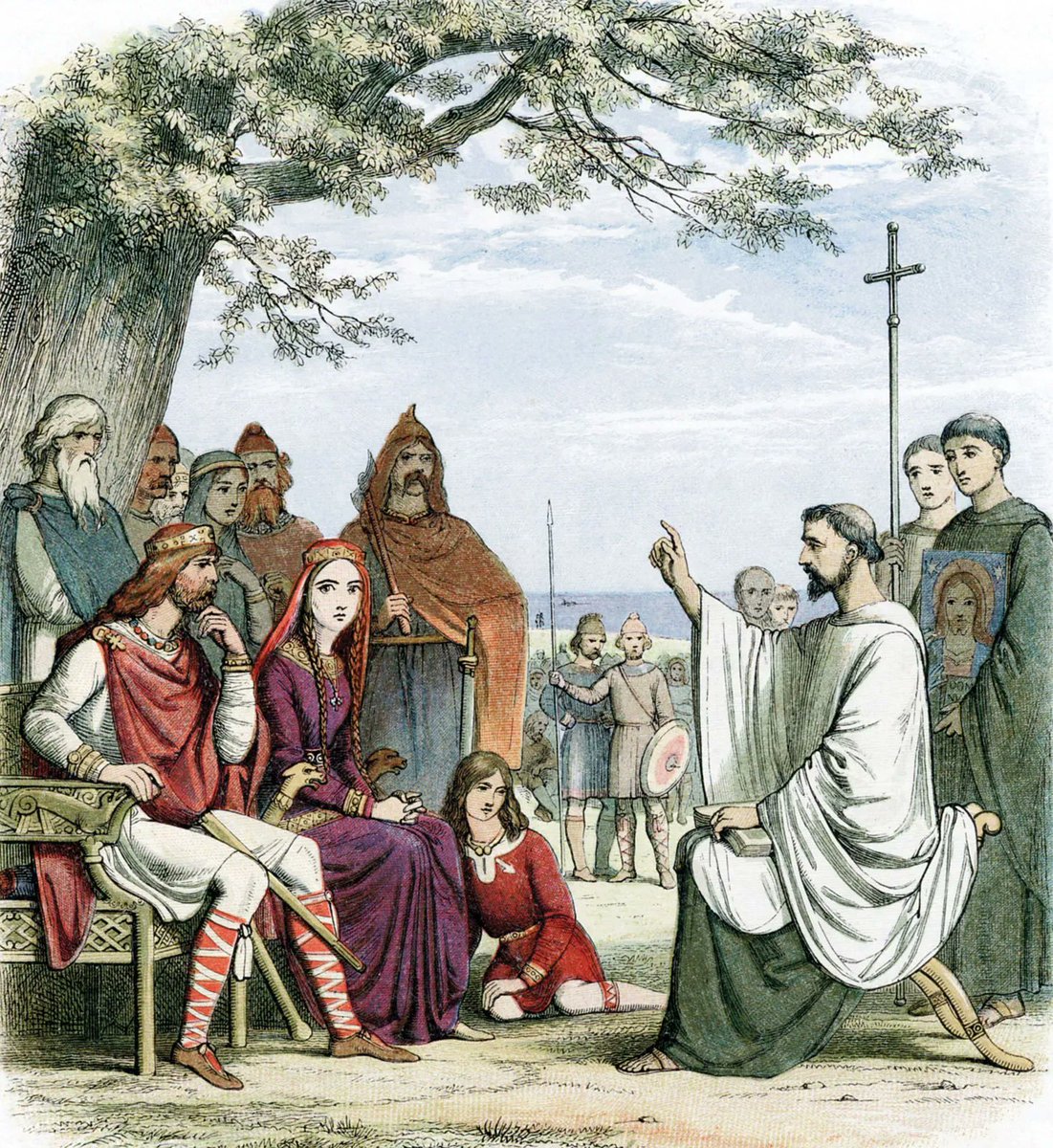
adopted the faith and culture of the ruling power. With this objective, Christian missionaries were sent to India to convert native Hindus. And the toughest resistance they faced in Madras (Tamil Nadu) Tamil Nadu one of the most flourished place of Hindu civilization

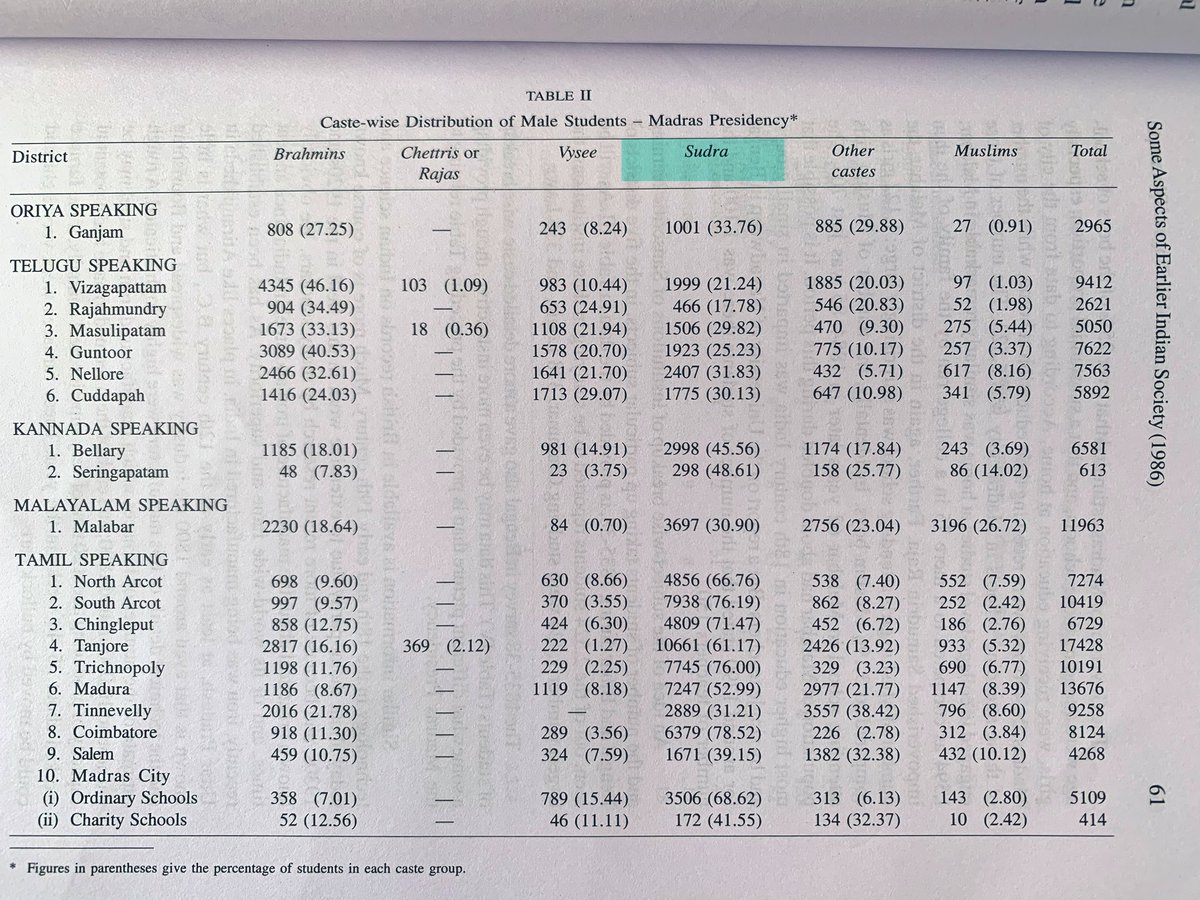
Missionaries found very difficult to convert Tamilians because of their deep-rooted Hindu traditions Tamilians were staunch Hindu As per Thomas Munro survey (1822-1826), around 70% students in Gurukuls of Tamil Nadu were Shudra A dangerous plan was made by missionaries
It was a two stage plan Stage 1 was: Destroy their Hindu identity- To convince Tamilians that they are not Hindu. Their culture is different from Hindu culture Stage 2: Once they are convinced that they are not Hindu, convince them that they are more close to Christianity
1. Linguistic Seed First attack happened by language 1816 British civil servant Francis Whyte Ellis, published “Dravidian Proof”. He said that South Indian language formed a distinct family, separate from Sanskrit Britishers started Tamil language for civil services
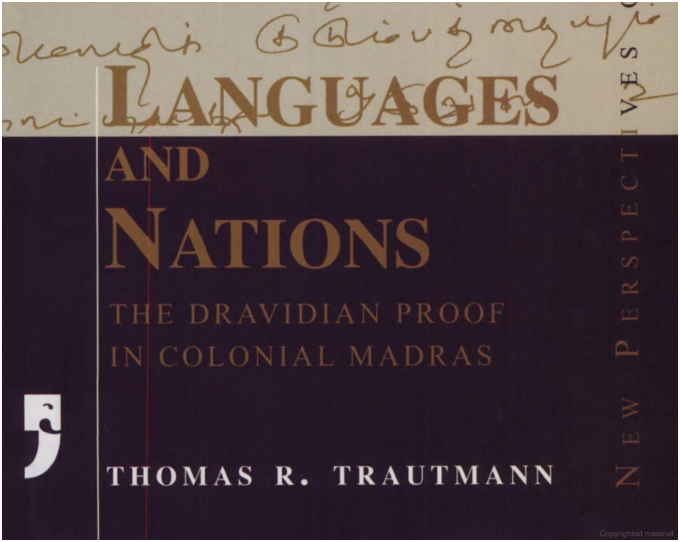
By distinguishing “Dravidian” languages, Ellis inadvertently supplied ammunition for ethnic separatism. Tamil culture, rich in Sangam literature with its Vedic echoes and Hindu deities, was ripe for redefinition. But the most deadly civilizational attack happened in 1856
2. Bishop Robert Caldwell: Architect of Division 1856 Robert Caldwell, Scottish missionary and Anglican Bishop of Tinnevelly (Tirunelveli) published "A Comparative Grammar of the Dravidian or South-Indian Family of Languages" He transformed linguistics into ethnology

He presented Dravidians as indigenous, oppressed “natives” subjugated by “Brahmanical Aryans” from the north. He portrayed Brahmins as foreign invaders exploiting locals, while positioning low-caste groups like Shanars as pure Dravidians He said Tamilians are not Hindu
Caldwell attempted to link Dravidian words to Hebrew and the Old Testament to suggest a historical connection between Tamilians and the Middle East, rather than the rest of India At the same time Max Muller presented Aryan Invasion theory and Britishers captured Indian education

Robert Caldwell's A Comparative Grammar of the Dravidian or South Indian Family of Languages and Max Mullers' Aryan Invasion theory presented as scientific facts, became part of Tamil education curriculum And seeds of separate Tamil identity were sowed by Britishers

3. Census 1901 British Raj further amplified this with pseudoscience. Herbert Hope Risley, architect of the 1901 Census, deployed nasal indices and anthropometry to classify Indians into “racial types”: Aryans (fair, north) Dravidians (dark, south)
His "The People of India (1908)" froze fluid jatis into rigid castes, portraying caste as Aryan-Dravidian conflict frozen in time. Census operationalized these divisions, embedding them in administration and fueling non-Brahmin resentment.

This “race science” provided intellectual cover for separatism, aligning perfectly with missionary goals. 4. The Justice Party and British Patronage (1916–1930s) Till now Dravidians are not Hindu was a social, academic, scientific project, now it was time to convert it into political project
1916 Justice Party emerged via the Non-Brahmin Manifesto. It demanded reservations and opposed Brahmin dominance in education and jobs. British authorities, practicing divide-and-rule amid rising nationalism, backed it. The party governed Madras Presidency under dyarchy
Justice Party implemented reforms while pledging loyalty to the Crown. It established thousands of schools with British help, spreading the new ideology. 1925-1947 Periyar E.V. Ramasamy further radicalized this movement He said “If you see a snake and a Brahmin, kill the Brahmin first”
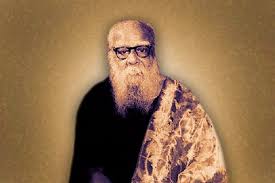
He was loyal to Britishers. He supported Simon commission. He praised British rule as superior to “Brahmin Raj,” and met the Cripps Mission demanding Dravida Nadu He wanted a separate country for Dravidians but Congress did not listen him
5. Temple Takeover and Institutional Control (1920s–1959) Justice Party and successors enacted the Madras Hindu Religious Endowments Act (1920s), placing temples under government boards. Tamil Nadu has one of the finest Hindu temples

They controlled over tens of thousands of Hindu temples, their lands, and revenues while churches and mosques remained autonomous. This financial strangulation weakened Hindu institutions, easing ideological inroads for Church
6. Literature, Art, and Cinema (1930s–1960s) Dravidian ideology permeated culture. Periyar’s writings, plays, and journals attacked “Aryan” gods and rituals. C.N. Annadurai (1909–1969), Periyar’s lieutenant, broke away in 1949 and founded DMK
