Thread Truncated (Cap Enforced)
Only the first 20 tweets are unrolled into slides to ensure reliable PDF exporting and high server performance.
Canvas & Ratio
Choose your destination platform format
Layout Template
Choose a content structure for your slides
Preset Themes
Typography & Sizing
Brand Kit Customization
AGENCYConfigure brand assets for headers & footers
Outro Slide CTA
Customize your closing call-to-action slide
Background Pattern
Build Your Carousel
Drag and drop any post card below onto a slide, or use the quick buttons to insert content/images instantly!

1/ With American ground forces building up in the Gulf region, much attention has been paid to Kharg Island in the northern Persian Gulf. But what about the Iranian-held islands in the Strait of Hormuz? Here's why they might be a higher priority for possible landings. ⬇️
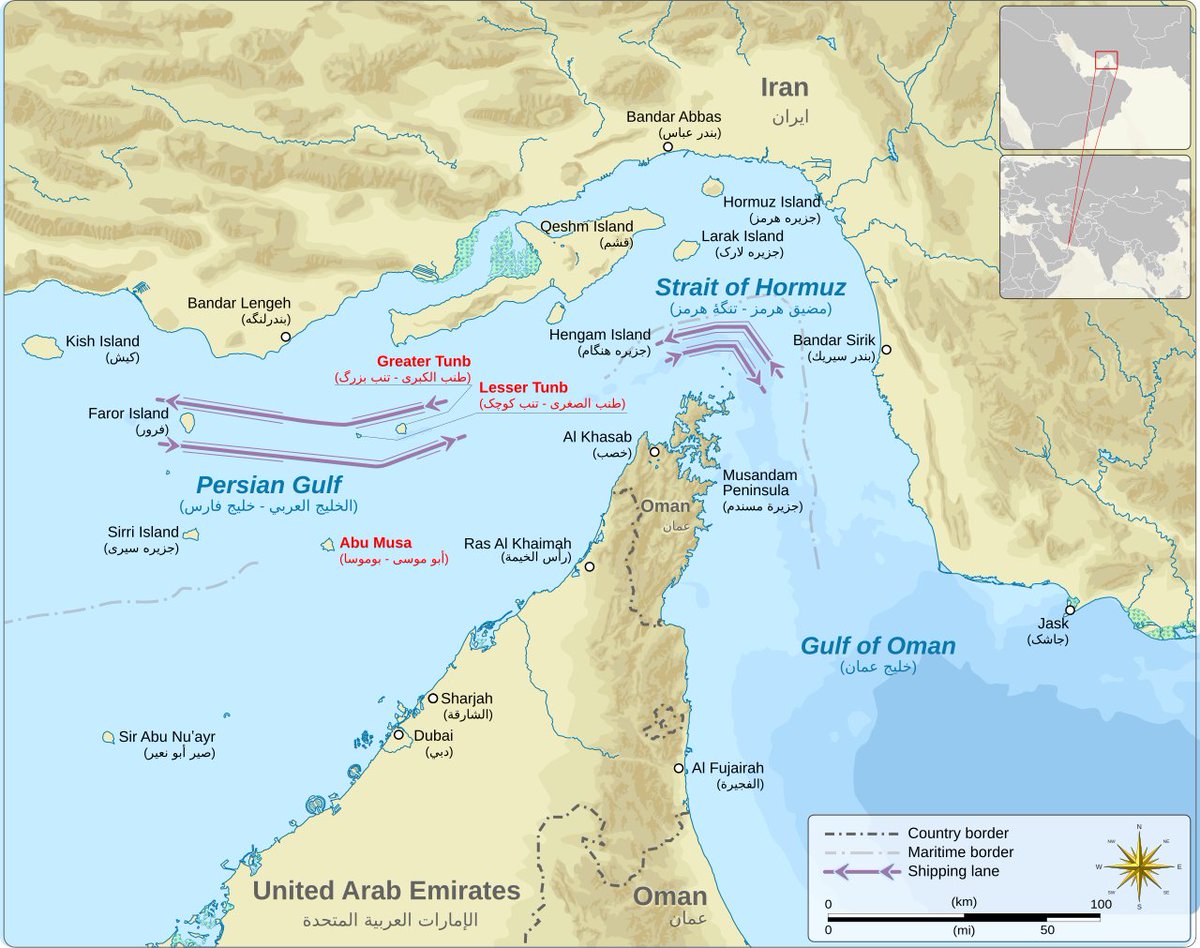
2/ Seven Iranian-controlled islands punctuate the narrow strait between Iran and Oman: from west to east, Abu Musa, Greater and Lesser Tunb, Qeshm, Hengam, Larak and Hormuz itself. All are part of Iran's Hormozgan province.
3/ Two more Iranian islands, Bani Forur and Sirri, are located further west, in the Persian Gulf proper. They have strategic value as locations for reconnaissance, surveillance of shipping traffic, and possible interdiction. Both have an Iranian military presence.
4/ Greater and Lesser Tunb are small and arid, with no civilian population and no fresh water. Both islands offer little cover, with low rocky hills interspersed with flatter patches of land. They are between 45-52 km (26-32 miles) from the mainland, in range of some artillery.
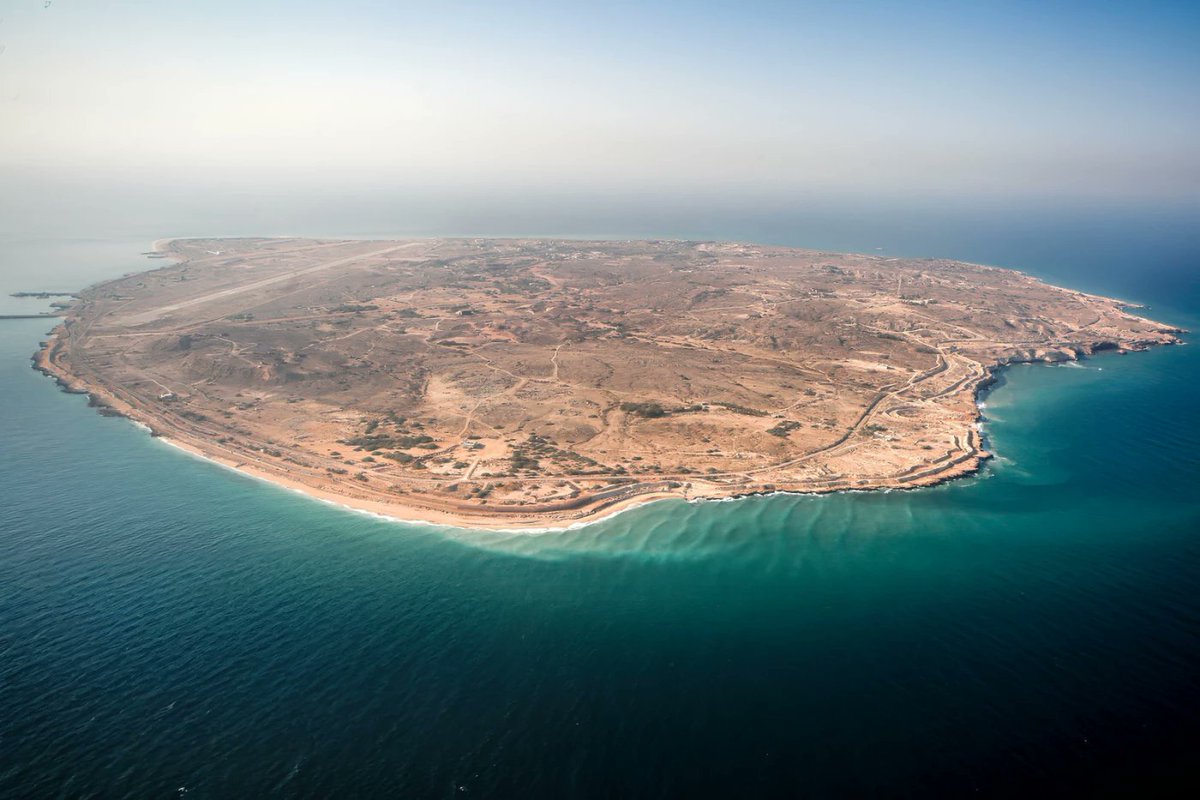
5/ Abu Musa is much further out at 80 km (50 miles) from the mainland, putting it out of range of all but the longest-ranged Iranian artillery rockets – though not of ballistic missiles or drones.

6/ The island is about 12.8 sq km (4.9 sq mi) in size, with a civilian population of about 2,100 people. It is arid and mostly flat, apart from the 110 m (360 ft) high prominence of Mount Halva. Most of it is only 4 m above sea level. Unlike the Tunbs, it does have fresh water.
7/ The Tunbs and especially Abu Musa are particularly strategically significant. The former IRGC commander Major General Mohammad Ali Jafari once referred to Abu Musa as Iran's "beating heart" in the Persian Gulf. It is very heavily militarised, as this 2019 overview illustrates.
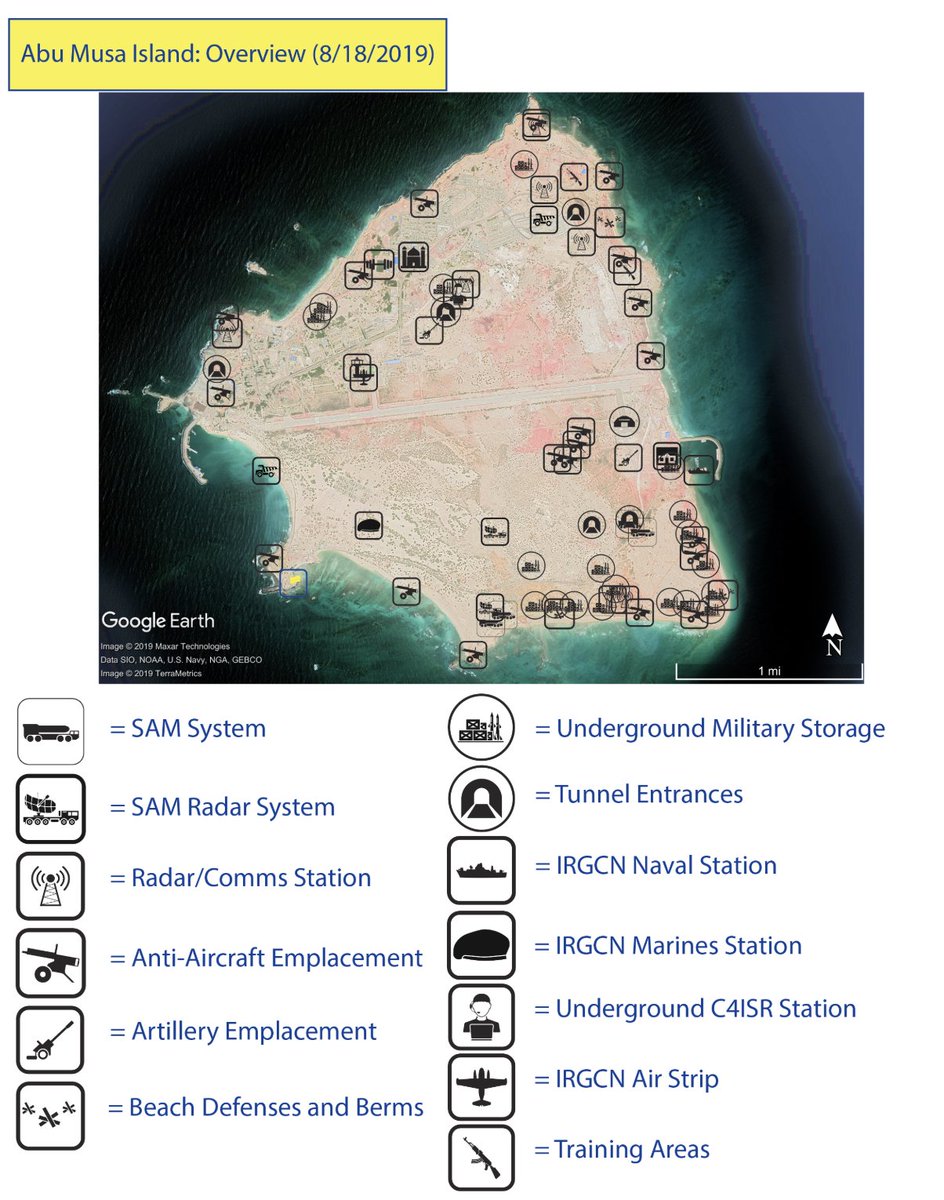
8/ Over the past decade, Iran has been revitalising and expanding air defence, intelligence, and naval emplacements, fielding new strategic weapons systems, and increasing IRGC operations on the island.
9/ US officials say that Iran has operated GPS jammers on Abu Musa that have interfered with civilian aircraft and ship navigation systems, possibly to cause assets to wander into Iranian territorial claims. Anti-ship missiles are also almost certainly emplaced there.
10/ IRGC naval forces have regularly conducted exercises and operations from the island. Abu Musa hosts indigenously produced air defence systems and fast attack boats with long-range missiles, giving it a capacity to project force across a wide area of the Gulf and Strait.

11/ Abu Musa and the Tunb islands have a somewhat anomalous status, in that they are contested between the UAE and Iran, which seized them in November 1971 under the Shah's regime. They have never actually been part of the UAE, but were previously ruled by Sharjah and the UK.
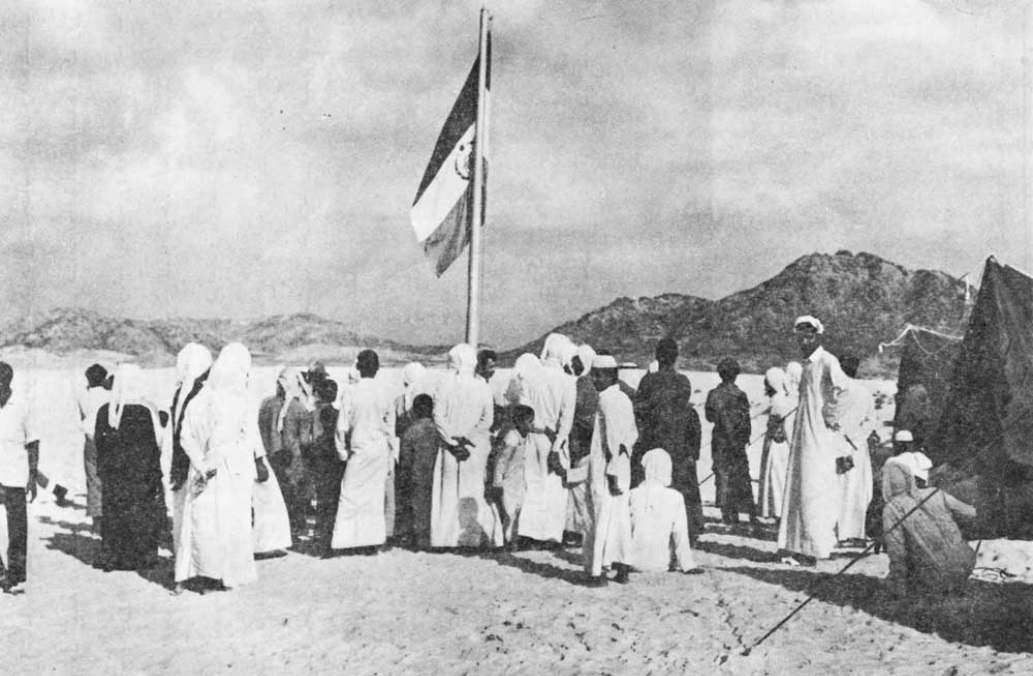
12/ The Trump Administration might well be tempted to detach the islands from Iran and hand them over to the UAE. However, this would be controversial with Iranian nationalists – not just with the Islamic Republic's supporters – as the Iranian claim dates back centuries.
13/ The largest Strait island by far is Qeshm, which is between only 2 to 16 km (1.5-10 miles) from the mainland. It covers an area of approximately 1,491 sq km (576 sq mi), twice the size of Bahrain, with a population of around 149,000 people.
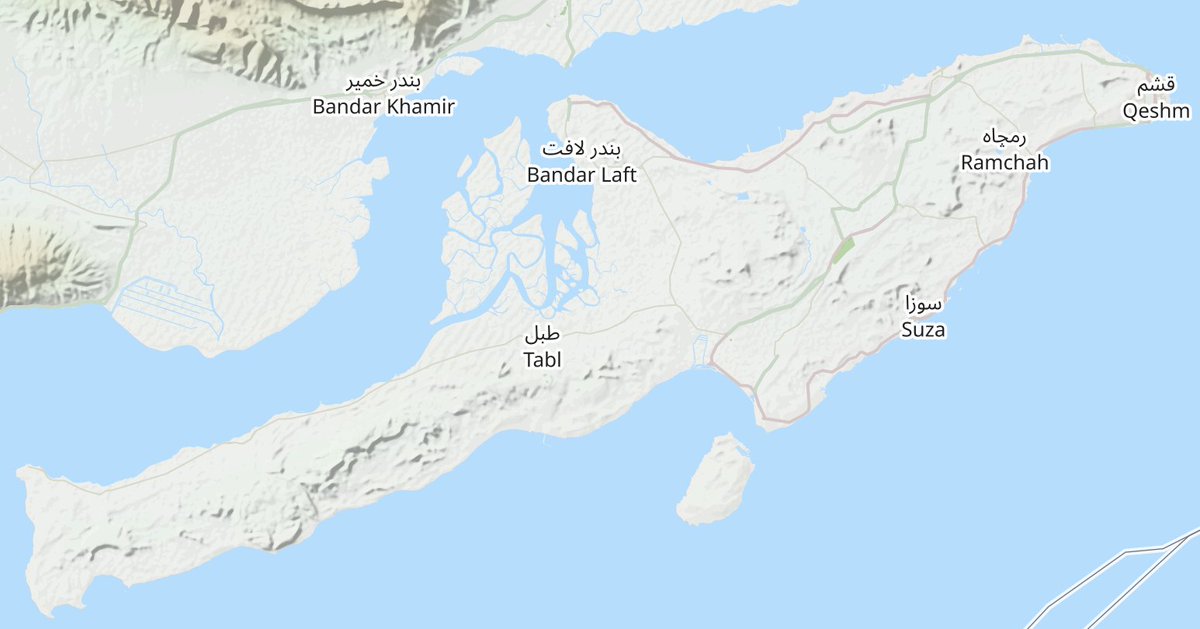
14/ Its terrain is very different from the Tunbs and Abu Musa, with rocky shores, table-topped hills and ridges that provide elevated observation and firing positions overlooking the strait's shipping lanes.

15/ Various sources have reported that tunnels have been built on the island to protect IRGC weapons including anti-ship missiles, mines, Nasir underwater drones, and small attack craft.
16/ Qeshm's size means that it would be difficult to seize without a very large force. It is somewhat larger than Okinawa – coincidentally the last island to be seized by the US with a contested amphibious landing, which required a US invasion force of around 183,000 personnel.
17/ The island has already been bombed by the US, on 7 March, in a strike which destroyed Qeshm's desalination plant. It is said to be the location of one of Iran's underground 'missile cities', a vast subterranean base containing large numbers of long-range weapons.
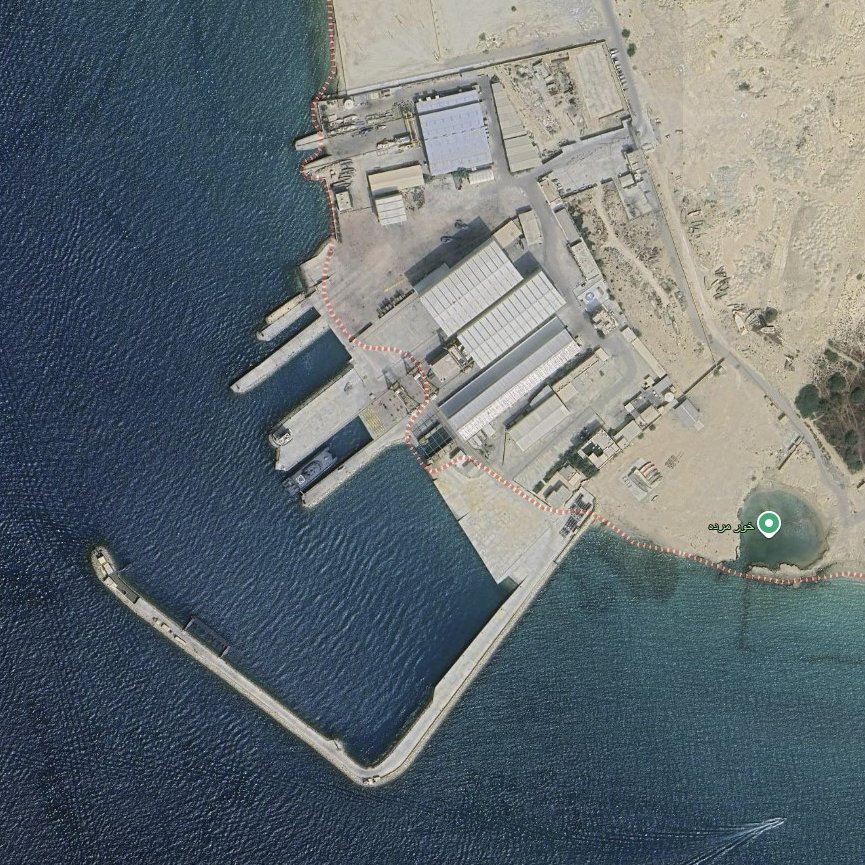
18/ Above ground, the IRGC's 112th Naval Brigade has a base on Qeshm (pictured here), anti-ship missiles are known to be based there, and at least one probable drone base has been identified on the island. These provide Iran with strong interdiction capabilities in the Strait.
19/ Just to the south of Qeshm is the small island of Hengam, inhabited by only a few hundred people. In the 16th and 17th centuries the Portuguese occupied the island to control Gulf trade routes, with remnants of a shipwreck from that period still visible on its shores.
20/ It does not appear to be militarised and likely is under the defensive envelope of Qeshm. Invading the island would likely be pointless as it does not seem to play a major role in controlling the Strait of Hormuz.