Canvas & Ratio
Choose your destination platform format
Layout Template
Choose a content structure for your slides
Preset Themes
Typography & Sizing
Brand Kit Customization
AGENCYConfigure brand assets for headers & footers
Outro Slide CTA
Customize your closing call-to-action slide
Background Pattern
Build Your Carousel
Drag and drop any post card below onto a slide, or use the quick buttons to insert content/images instantly!

The highest form of intelligence isn't IQ, logic, memory or speed. According to neuroscientists, the rarest intelligence is something else entirely. Most people never develop it and those who do quietly outgrow everyone around them. -Let's uncover the secret 🧵-

Neuroscientist Anil Seth and psychologist Robert Sternberg agree on this: The highest form of intelligence is metacognition. The ability to think about your own thinking. - Not reacting blindly. - Not running on autopilot. But observing your mind in real time.

Metacognition means: - You notice your thoughts - You question your reactions - You interrupt emotional reflexes - You update beliefs instead of defending them Every time you say: "Wait... why did I react like that?" Your brain starts changing.

Neuroscientists found that when you observe your own thoughts, a region called the anterior prefrontal cortex (BA10) activates. This region isn't for action. - It's not for emotion. - It's for self-observation. Your brain literally turns its attention inward.

Think of it this way: Most people run their mental software automatically. Metacognition is different. It's like a computer that can edit its own programming while running. That's why self-aware people evolve faster than everyone else.

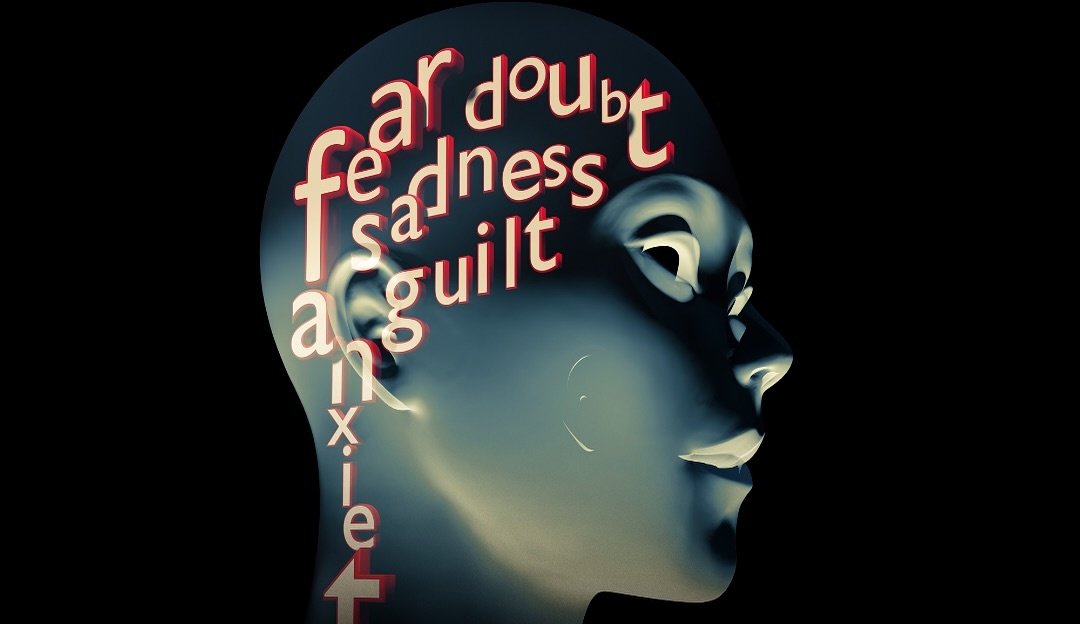
Awareness Physically Changes the Brain UCLA researchers discovered Simply labeling your emotions ("I'm anxious,” “I'm angry," "I'm overwhelmed") changes brain activity instantly. This activates the right ventrolateral prefrontal cortex and calms the amygdala, your fear center.

This isn't mindset fluff. It's neuroelectric remodeling. Awareness alone alters neural signaling. Naming an emotion reduces its intensity. Observation weakens impulsive reactions. Your brain rewires through noticing.

Memory research uncovered.. When you recall a memory while being aware you're recalling it, the brain enters a state called memory reconsolidation. During this : - Emotional meaning softens - Old interpretations loosen This is how deep change happens.

You don't heal by "thinking positive." You heal by observing your thoughts without becoming them. That moment of distance: - Separates you from old stories - Reduces emotional charge - Allows beliefs to be rewritten - Awareness edits the file system.