Canvas & Ratio
Choose your destination platform format
Layout Template
Choose a content structure for your slides
Preset Themes
Typography & Sizing
Brand Kit Customization
AGENCYConfigure brand assets for headers & footers
Outro Slide CTA
Customize your closing call-to-action slide
Background Pattern
Build Your Carousel
Drag and drop any post card below onto a slide, or use the quick buttons to insert content/images instantly!

They want businesses controlled by the state. They praise politicians who fight "greedy capitalists." They see your property as something the collective gets to control. Who are we describing? If you said fascists, you're right. If you said socialists, you're also right. 🧵

You've been taught that fascism and socialism are opposites on the political spectrum. Left vs. right. Freedom vs. oppression. Good vs. evil. But here's what nobody tells you: they're not opposites. They're rival gangs fighting over the same territory.
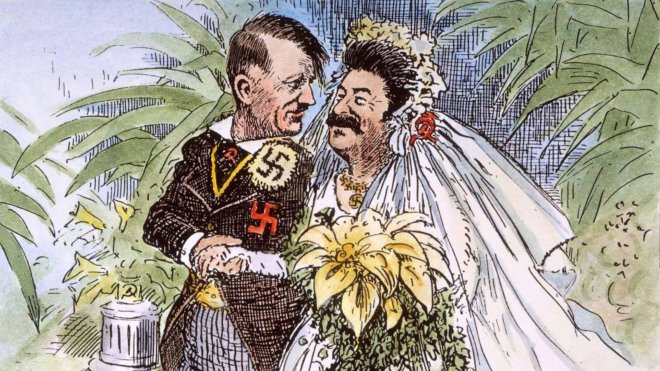
And that territory? Your life. Both want to control what you produce, what you own, what you can say, and how you live. The only difference is which gang gets to be in charge.

Socialists and fascists claim to hate each other. But they don't hate each other's methods. They don't hate censorship. They don't hate imprisoning opponents. They don't hate controlling the economy. They just hate when they're not the ones doing it.

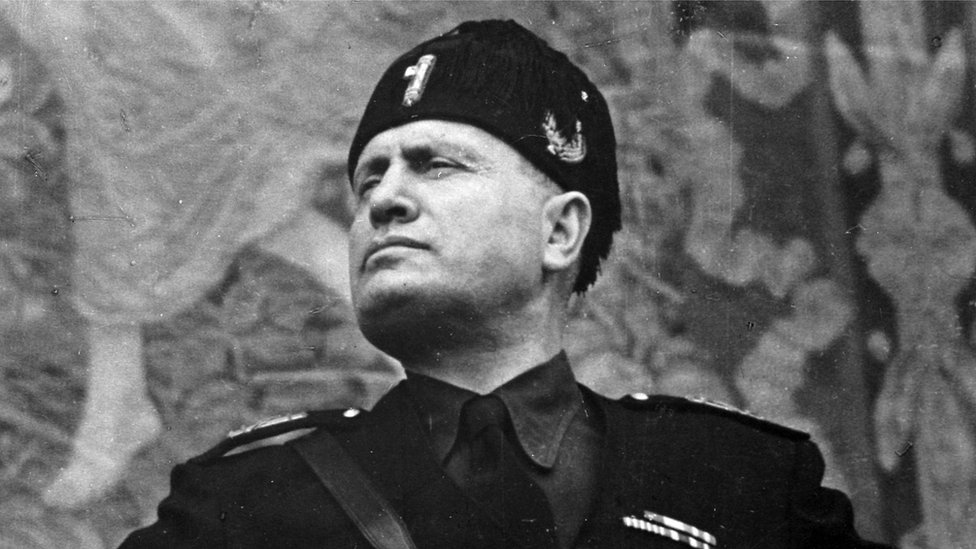
Consider how Mussolini described the individual in a fascist state: "The citizen in the Fascist State is no longer a selfish individual who has the antisocial right to rebel against any law of the Collectivity." Now tell me which modern political movement disagrees with this.
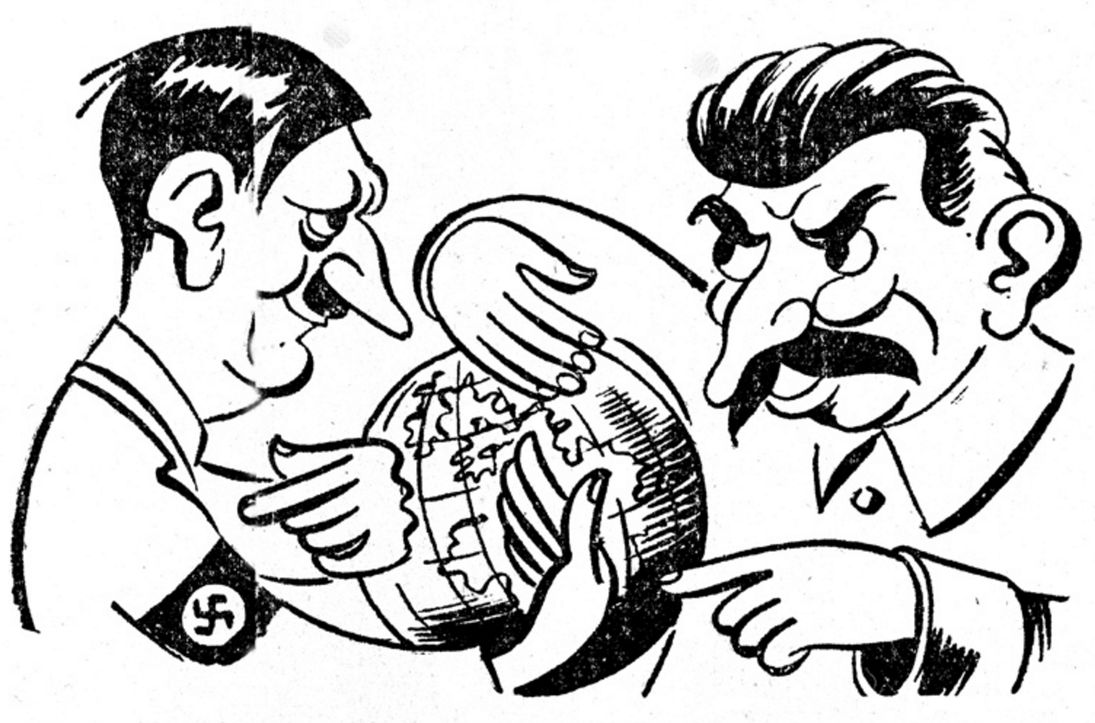
Or take Hitler's vision of the economy: "The state should retain oversight, and each property owner should consider himself appointed by the state. The Third Reich will always maintain its right to control the owners of property." Central planning with extra steps.

Still not convinced? In 1936, Lawrence Dennis, a prominent American fascist, wrote: "Fascism does not accept the liberal dogmas regarding the sovereignty of the consumer or trader in the free market. Social planning is the paramount imperative." Sound familiar?

Dennis continued: "Under fascism, private property, private enterprise, and private market choices have no intrinsic rights. They are valued only for their social utility, subject to proper public control." Replace "fascism" with "democratic socialism" and this could be a campaign platform today.
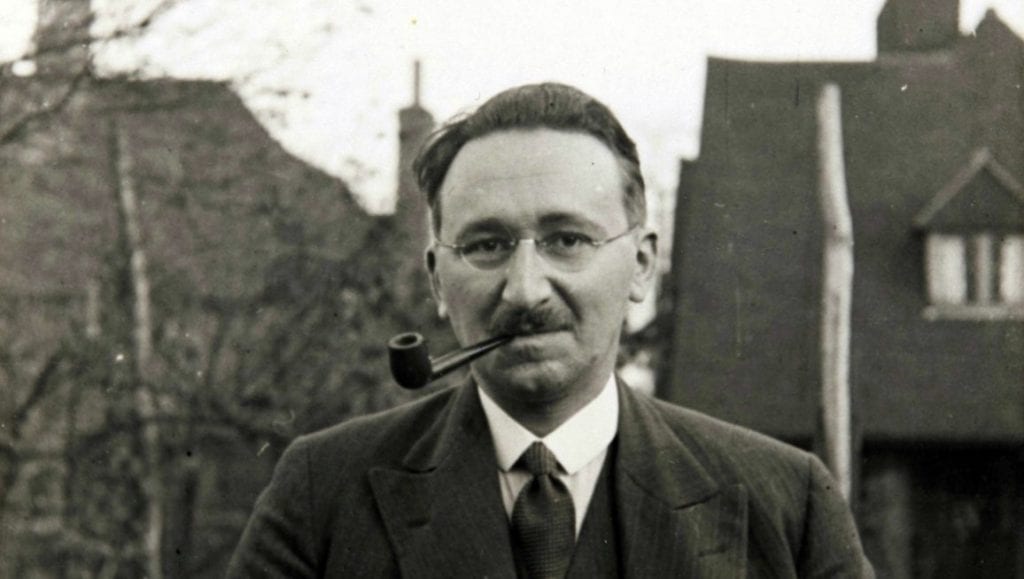
F.A. Hayek saw this pattern in "The Road to Serfdom." Ayn Rand expanded on it. In 1962, Rand quoted the 1920 Nazi Party platform. It demanded "an end to the power of financial interests," "profit sharing in big businesses," "care for the aged," and "expansion of public education."
These aren't fringe ideas from history. These are mainstream political positions today. The Nazi platform concluded: "The Common Good Before the Individual Good." Can you imagine any socialist opposing these words?

The rhetoric is identical because the core belief is identical: you exist to serve the collective. Your dreams, your plans, your pursuit of happiness? All secondary to what a few bureaucrats decide is the "greater good."

Here's what both fascists and socialists fundamentally cannot accept: People want to live their own lives. Pursue their own dreams. Make their own plans. The pursuit of happiness finds no room in fascist or socialist projects. Only obedience does.

Under both systems, the state controls manufacturing, commerce, finance, and agriculture through official cartels and planning boards. They determine what gets produced, at what price, under what conditions, by whom. Your choices don't matter. Their plans do.

The difference between socialism and fascism isn't in their methods or their end goals. Both view individual desires as not just irrelevant but detrimental. Both demand total sacrifice to the collective will. Both require you to shut up and obey.

Ayn Rand demolished the "public interest" argument six decades ago: "There is no such thing as 'the public interest' except as the sum of the interests of individual men. And the basic, common interest of all men is freedom."

She continued: "Freedom is the primary requirement of 'the public interest.' Not what men do when they are free, but that they are free. All their achievements rest on that foundation and cannot exist without it." This is what both movements cannot tolerate. We see these authoritarian tendencies spreading on campuses right now. Political disputes increasingly rely on force rather than reason. Students disrupt activities, shout down speakers, demand compliance. The methods are identical. Only the slogans change.

So what do we do? Ayn Rand gave us the answer sixty years ago: "When brute force is on the march, compromise is the red carpet." We don't negotiate with authoritarians. We don't split the difference between freedom and control.

Rand warned us: "The uncontested absurdities of today are the accepted slogans of tomorrow." That's why silence isn't an option. That's why we must engage in intellectual battle now, before these ideas become unopposable.

She called us to action: "Reason and morality are the only weapons that determine the course of history. Collectivists dropped them because they had no right to carry them. Pick them up; you have."

You don't have to choose between rival authoritarians. You don't have to sacrifice your liberty for anyone's "greater good." You don't have to silence yourself to survive four years on campus. There's a third option: individual freedom.
