Canvas & Ratio
Choose your destination platform format
Layout Template
Choose a content structure for your slides
Preset Themes
Typography & Sizing
Brand Kit Customization
AGENCYConfigure brand assets for headers & footers
Outro Slide CTA
Customize your closing call-to-action slide
Background Pattern
Build Your Carousel
Drag and drop any post card below onto a slide, or use the quick buttons to insert content/images instantly!

My most recent article has a new update! Today, a new paper came out detailing organoid evidence that Tylenol does not cause autism! Researchers grew human cortical organoids and then exposed them to acetaminophen (APAP). Here's what happened🧵

Organoids give us human cells that respond like human cells in the lab, making them a potentially useful preclinical model for evaluating drug effects. They've already successfully been used to evaluate genetic effects, alcohol exposure, and endocrine disruptors.
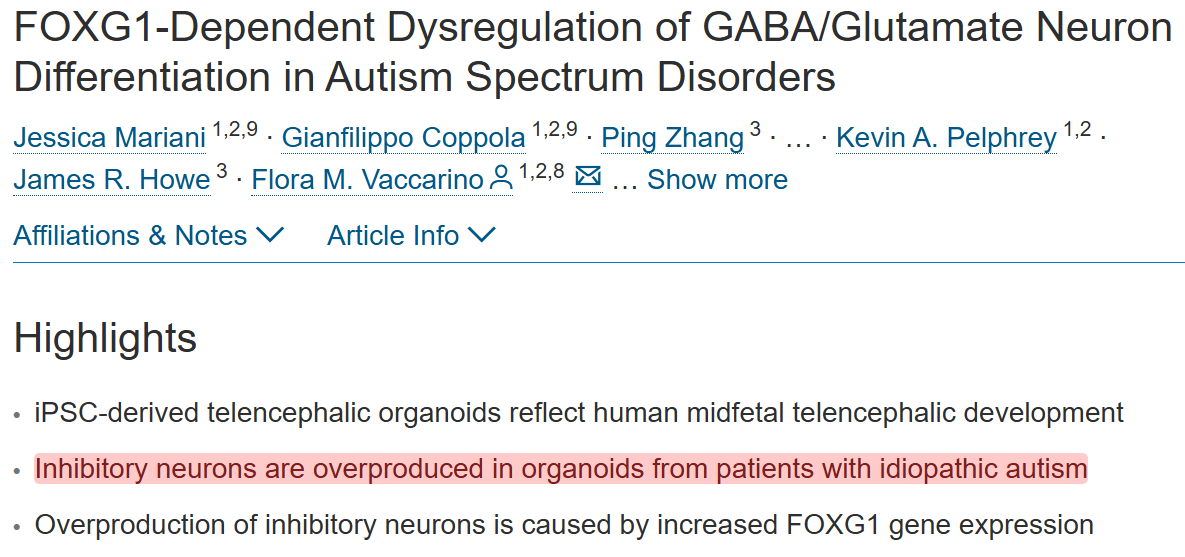
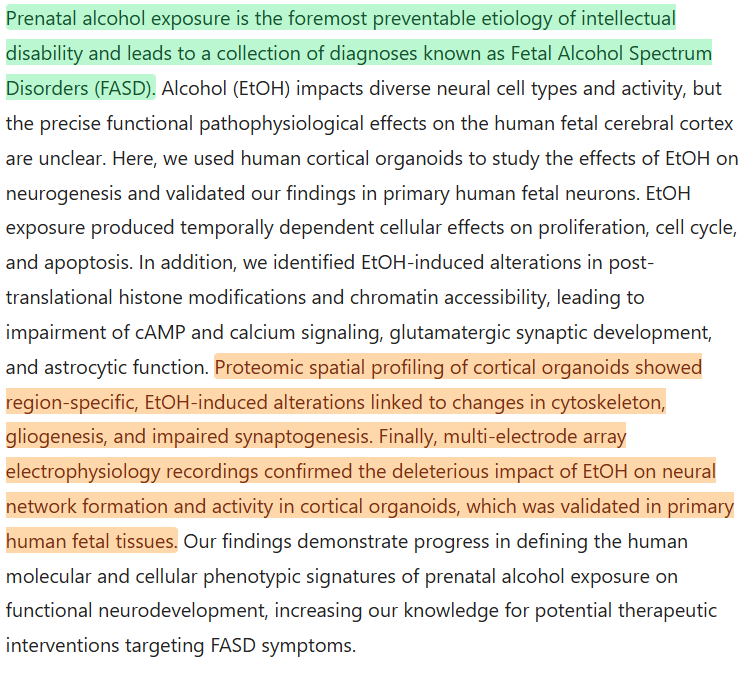

Use of organoids is developing rapidly precisely because they seem so promising. In fact, the FDA has recently made calls for more organoid-based drug vetting, so they should love this. First finding: at representative doses, acetaminophen doesn't affect neuronal growth!

Second finding: no evidence of cytotoxicity from acetaminophen! This is a major proposed explanation for how acetaminophen might lead to autism, but it just didn't show up here, despite sizable direct exposure.

Third finding: effects on gene expression were minimal and inconsistent.

Autism is related to differences in neural progenitor cell numbers, but... fourth finding: none of that here!

Though autism is related to all sorts of electrophysiological differences in the brain compared to normal samples, that didn't show up here. Fifth finding: nothing electrical going on developmentally or after quite a while of developing.

This result is a clean fit to the prior causal literature. It disagrees with the causal interpretation of the non-causal literature, because these authors found nothing, but it agrees with the causal literature which does find nothing. That is, Tylenol doesn't cause autism.

To recover from this result, advocates of the Tylenol-autism link would need to propound more expansive causal theories that would still somehow be missed by this design. That means interaction effects, and that means espousing support for less empirically supported theories!

If you want to learn more, go check this out: <a target="_blank" href="https://www.cremieux.xyz/p/tylenol-and-autism-a-replication" color="blue">cremieux.xyz/p/tylenol-and-…</a>