Canvas & Ratio
Choose your destination platform format
Layout Template
Choose a content structure for your slides
Preset Themes
Typography & Sizing
Brand Kit Customization
AGENCYConfigure brand assets for headers & footers
Outro Slide CTA
Customize your closing call-to-action slide
Background Pattern
Build Your Carousel
Drag and drop any post card below onto a slide, or use the quick buttons to insert content/images instantly!

The Native Americans had a word that could heal anxiety naturally: "Hakomi" In 1970, Ron Kurtz turned this ancient wisdom into one of the most powerful therapy methods ever. Here's the protocol: 🧵
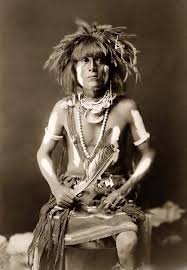
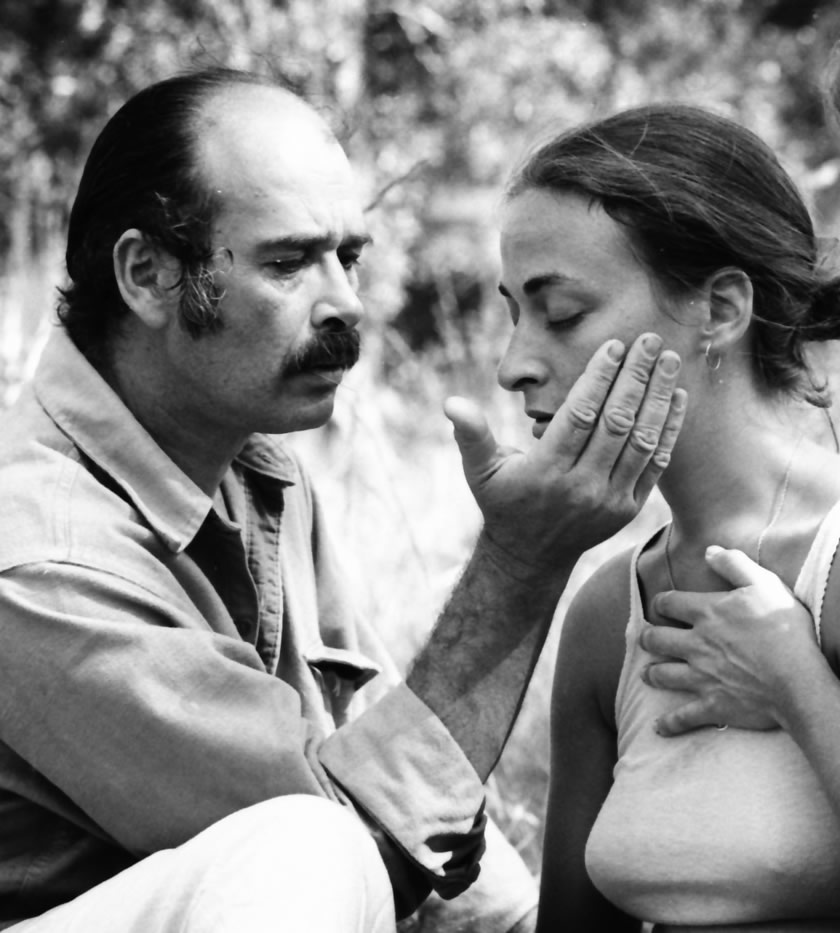
While psychiatrists were prescribing pills for anxiety in the 1970s, Ron Kurtz made a radical discovery: The body holds trauma that talk therapy can't touch. His search for answers led him to Native American healing traditions.
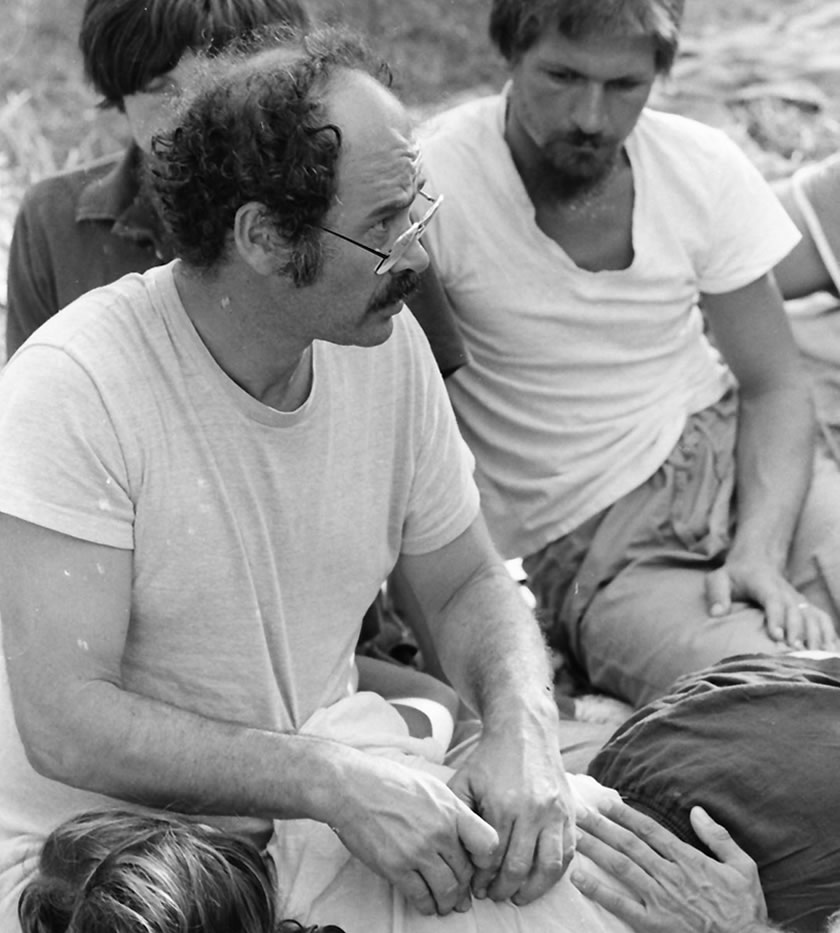
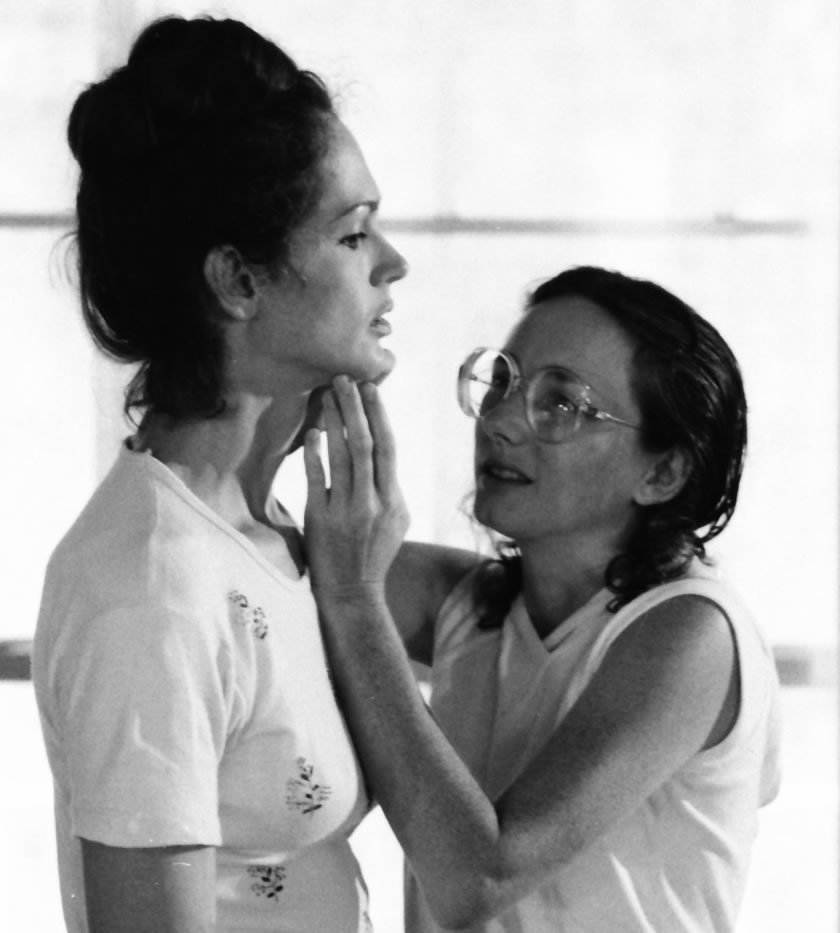
"Hakomi" comes from the Hopi Indians. It means "How do you stand in relation to these many realms?" This question became the foundation of a therapy that would revolutionize how we understand healing.
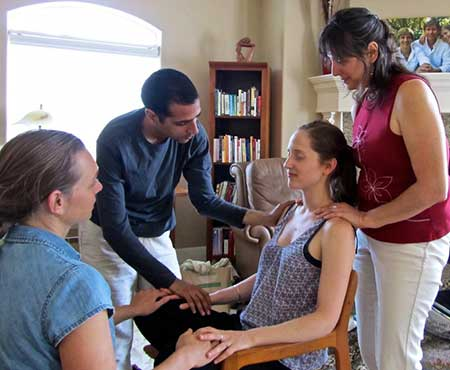
Here's what makes Hakomi revolutionary: Instead of analyzing your thoughts for years, the therapist uses mindful touch and presence. "When I put my hands on you," Kurtz explained, "I'm helping you deepen into what your body already knows."

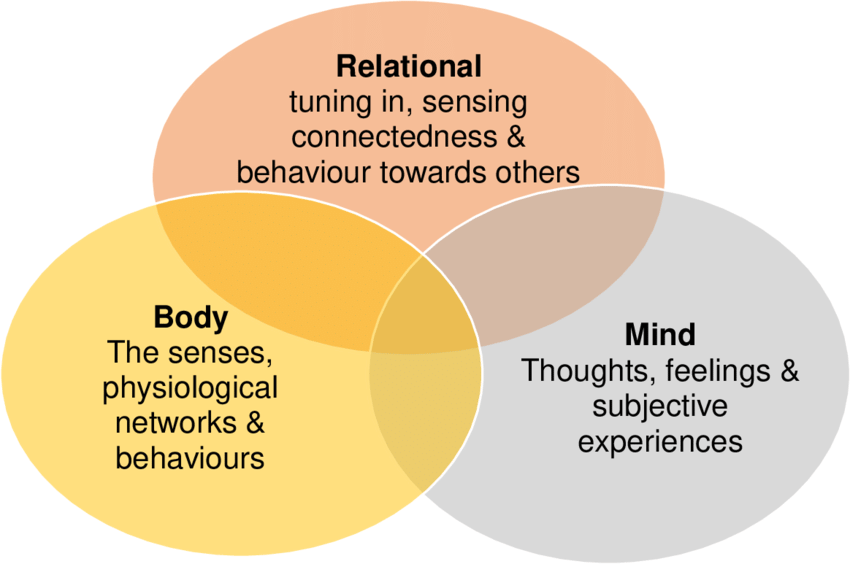
Why does this work? Because anxiety isn't just a thought problem. It lives in your clenched jaw, tight shoulders, and shallow breathing. Your body remembers what your mind has forgotten.

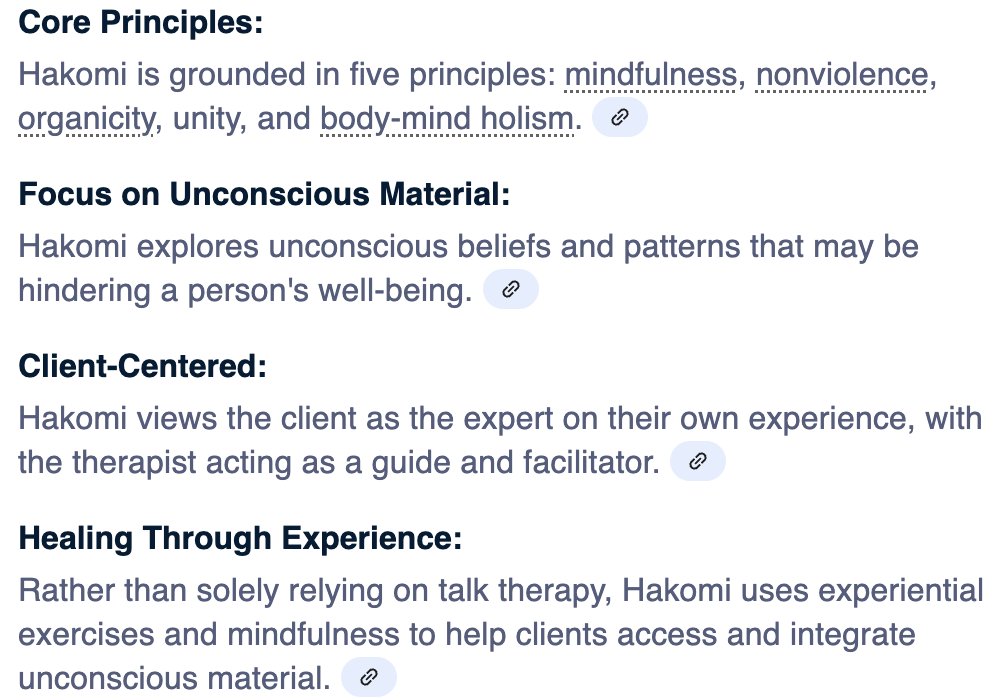
Traditional therapy tries to think its way to healing. Hakomi helps you feel your way through. The difference? One takes years. The other creates shifts in sessions. The method rests on 5 ancient principles:
• Nonviolence - gentleness with yourself • Organicity - trusting your natural wisdom • Mindfulness - awareness without judgment • Mind-body holism - everything is connected • Loving presence - healing happens in relationship Here's how a Hakomi session actually works:
1. First, the therapist creates complete safety. 2. Then, they guide you into mindful awareness. 3. Small "experiments" help you notice body patterns. 4. Gentle touch deepens your experience. 5. Hidden emotions naturally surface and release.

But here's what modern psychology won't admit: We've become so afraid of touch and presence that we've abandoned our most powerful healing tools. We treat the mind like it's separate from the body. It never was. Kurtz's greatest insight was simple:
Healing happens when we stop fighting ourselves and start listening. I've integrated Hakomi principles into my own approach. Combined with walking meditation and expressive arts, it creates what I call "embodied transformation."
The body remembers how to heal. We just forgot how to listen. • Your anxiety isn't broken. • Your depression isn't a defect. • Your overwhelm isn't weakness. They're your psyche's attempt to get your attention. <a target="_blank" href="https://x.com/LORWEN108/status/1932487091478540704" color="blue">x.com/LORWEN108/stat…</a>
What if you finally listened? Anxiety Relief Transformation™ opened August 5th. 12 modules blending Hakomi body wisdom, mindful walking, and expressive arts—the way healing was meant to happen. Join us: <a target="_blank" href="https://offers.lorwenharrisnagle.com/anxiety-relief-transformation-course-sales-page" color="blue">offers.lorwenharrisnagle.com/anxiety-relief…</a>
Hi, I'm Lorwen Nagle. I've spent 40 years as a Harvard-trained psychologist, studying consciousness with the Dalai Lama, and helping thousands untangle their minds. Follow @Lorwen108 for threads on anxiety, mindfulness, and the science of inner peace. <a target="_blank" href="https://twitter.com/LORWEN108/status/1953773227140059225" color="blue">x.com/LORWEN108/stat…</a>