Thread Truncated (Cap Enforced)
Only the first 20 tweets are unrolled into slides to ensure reliable PDF exporting and high server performance.
Canvas & Ratio
Choose your destination platform format
Layout Template
Choose a content structure for your slides
Preset Themes
Typography & Sizing
Brand Kit Customization
AGENCYConfigure brand assets for headers & footers
Outro Slide CTA
Customize your closing call-to-action slide
Background Pattern
Build Your Carousel
Drag and drop any post card below onto a slide, or use the quick buttons to insert content/images instantly!

Your anxiety didn’t start in adulthood. It started when you became "The Good One." People-pleasing is harmful. It rewires your brain and fractures your sense of self. Here's what most therapists won't tell you. This is important. Please open 🧵
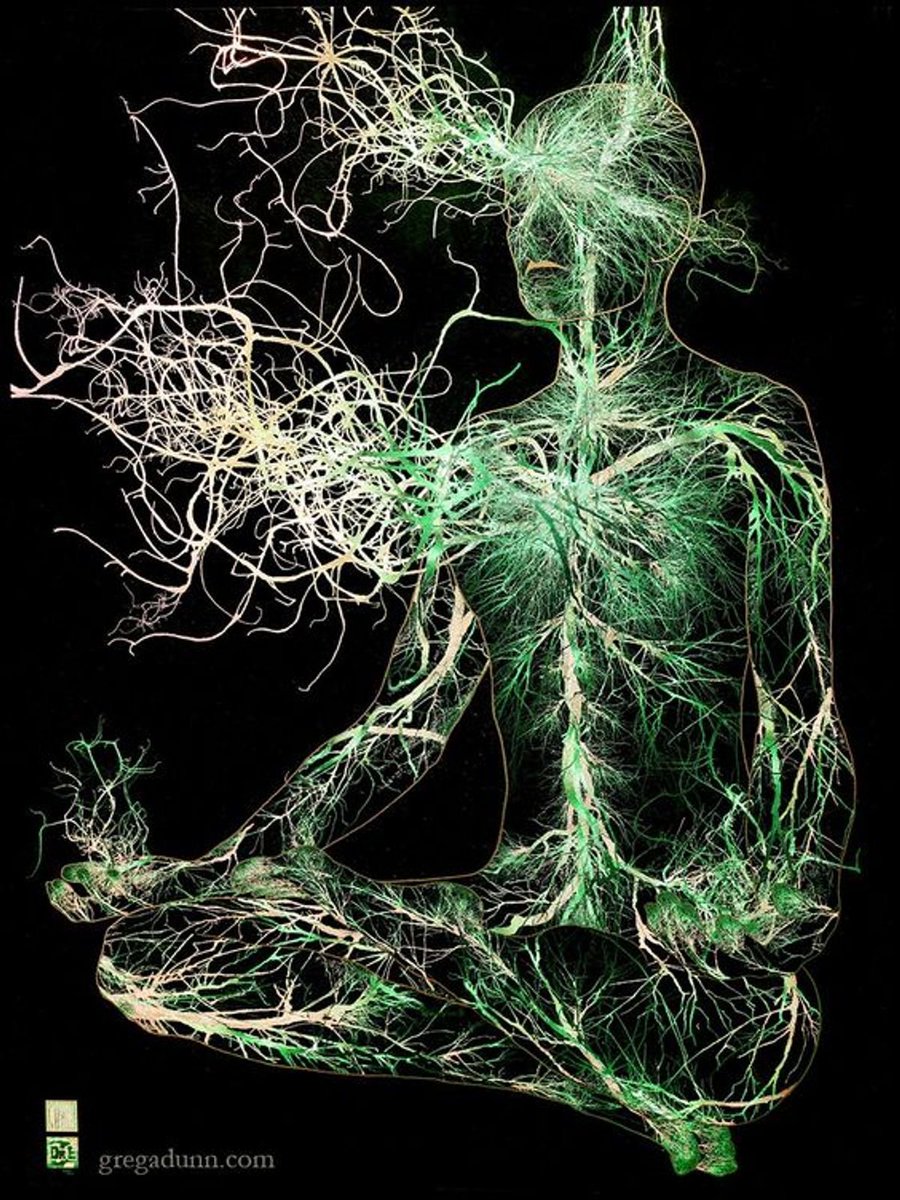
Being a people pleaser is an adaptation that hides your true self. Over time, people-pleasing: 1. Reshapes your brain for survival. 2. Destroys your sense of identity. 3. Sets you up for chronic anxiety. Here’s what you were never told:
1. Most anxiety is learned in childhood. A form of self-abandonment developed to preserve your safety in emotionally unpredictable environments. You weren’t born anxious—you were trained to be nervous.
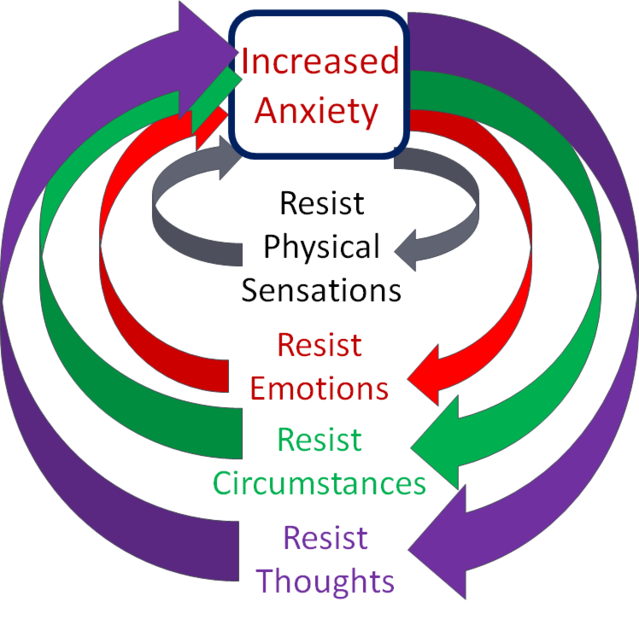
2. The “good child” archetype is a survival role. You stayed quiet and calm because you wanted to survive. - You read the room better than the adults in it. - When chaos struck, you became what everyone else needed. You disappeared to keep the peace.

3. Chronic people-pleasing changes your nervous system. It activates the dorsal vagal shutdown: Your system enters fawn/freeze mode—constantly managing others’ emotions to avoid conflict and rejection. Over time, the brain associates authenticity with danger. So it silences your needs to protect you.

Freeze is a state of paralysis and detachment, where your body shuts down in response to a perceived threat. Fawn is a response where you work at appeasing or pleasing others to avoid conflict or danger.
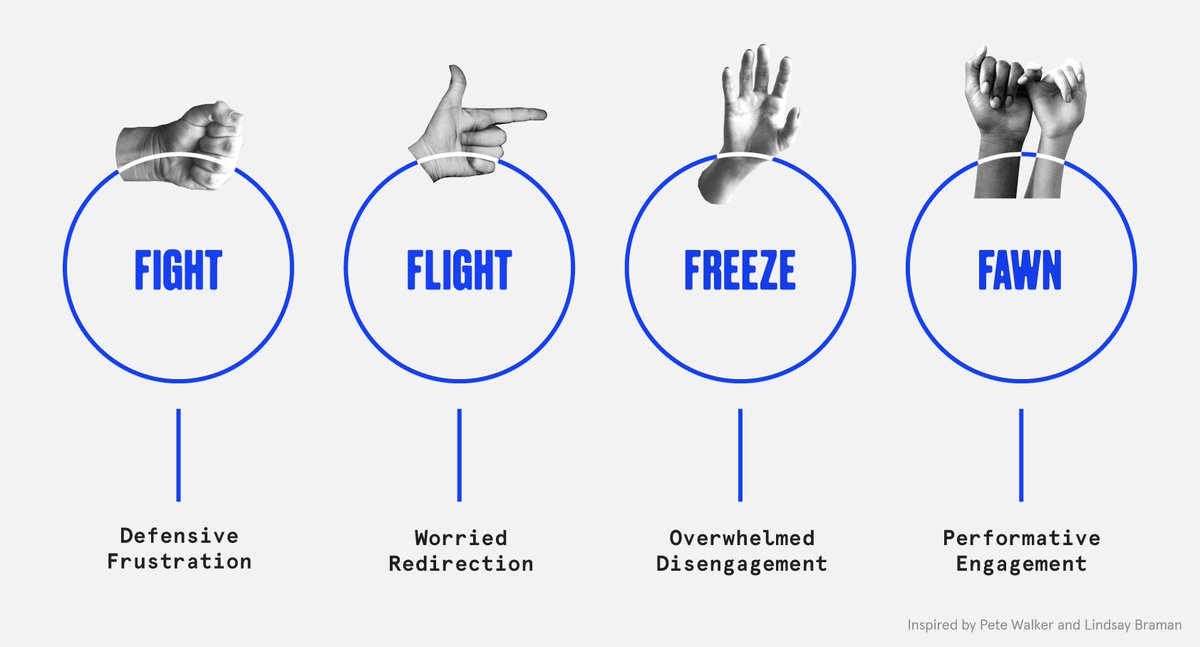
Both freeze and fawn are behaviors you do at the expense of expressing your own needs and boundaries.
4. Your brain adapts through emotional suppression. To stay loved, you learned to repress: • Your anger • Your core needs • Your deeply felt opinions • Your personal boundaries Emotional suppression isn't passive. It takes a lot of psychic energy to repress who you truly are deep down inside.
Neurobiologically, it dulls the prefrontal cortex and overactivates the amygdala. Repression of your true self leads to hypervigilance. You get into a habit of scanning the environment for safety. Not just sometimes. All the time!

5. According to Dr. Gabor Maté: "If a child is given the choice to choose between attachment or authenticity, they'll choose attachment every time."
Why? Because the child wants to survive! Their authentic self is sacrificed because it is too unsafe to reveal. And, over time, the child's true self is lost in the people-pleasing process.

6. The emotional cost of being “the good one” often shows up later. • You can’t say "no" without guilt. • You don't know what you really want. • You perform calm while feeling chaos. • You feel broken but don’t know why? The truth is this is not your true personality. It’s your past running the show.
7. You became successful by staying small or hiding your real self. You might be respected, admired, and reliable, but underneath, you don't value yourself. You need to break this pattern of self-loathing.
8. Healing starts with telling the truth. That truth might sound like: • I’m not okay with this. • I don’t want to fix everything. • I’m angry right now. • I want to relax and rest right now. Every act of honesty rewires your brain for self-trust, not survival.
9. Reclaiming your authenticity will feel like betrayal. Because your nervous system still believes love is conditional. The goal isn’t to stop people-pleasing overnight. It’s to notice when is happening and become aware. Listen to Jordan Peterson.

10. People-pleasers are sensitive people. They are deeply perceptive, creative, and talented people. Alice Miller in her book, "Drama of the Gifted Child," speaks to how quickly these young children learned to attend to others' needs. And chose silence to survive.

If you were a gifted child and saw what was happening around you growing up, you're not alone. I have a community of CEOs and ambitious professionals who are healing themselves....from the inside out. And as they change, they allow themselves to come home.


Here's what makes healing from people-pleasing so difficult: You're trying to rewire survival patterns using the same nervous system that created them. Your body still believes authenticity equals danger.
After 40 years as a Harvard psychologist, I've guided hundreds of "good ones" back to themselves. But people-pleasing isn't a mindset issue. It's encoded in your body's threat detection system. You need more than insight.
You need practices that teach your nervous system: "It's safe to be me now." This requires gentle, consistent rewiring at the cellular level—not another self-help book telling you to "just set boundaries." If you recognized yourself in this thread, you're ready for real work...