Canvas & Ratio
Choose your destination platform format
Layout Template
Choose a content structure for your slides
Preset Themes
Typography & Sizing
Brand Kit Customization
AGENCYConfigure brand assets for headers & footers
Outro Slide CTA
Customize your closing call-to-action slide
Background Pattern
Build Your Carousel
Drag and drop any post card below onto a slide, or use the quick buttons to insert content/images instantly!

Socialists promise "equality" will solve everything. But equal misery is still misery. Still, they've convinced millions that being equally poor is better than being unequally prosperous. How did we fall for this? 🧵

Let's look at what "equality" really means in practice. France and Myanmar have identical income inequality levels according to the World Bank. But: France = wealthy, developed Myanmar = 40% live below the poverty line Clearly, "equal" doesn't always mean "better."
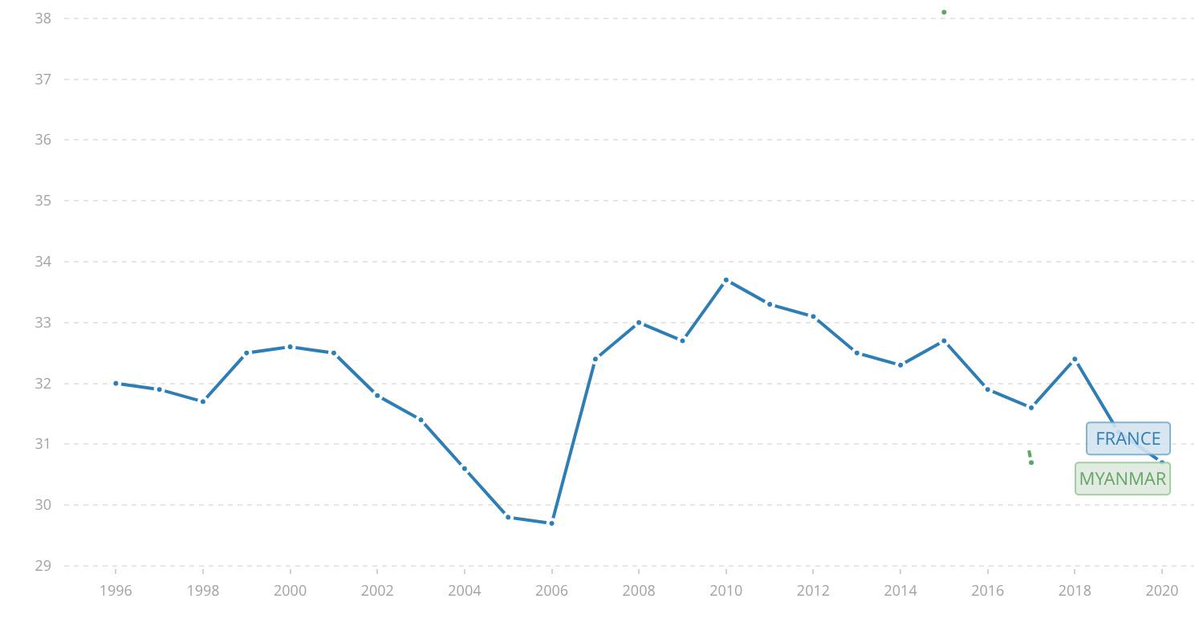
Two societies: Society A: Everyone (except rulers) lives in dire poverty → Low inequality Society B: Most people live well, some are extremely wealthy → High inequality Which would you choose? If you're honest, you'd pick Society B every time.

Because wealth isn't a zero-sum game. The existence of extremely wealthy people doesn't make others poorer. Wealth isn't one finite pie to be divided up. It's the ability to transform resources into useful things—like the phone you're reading this on.
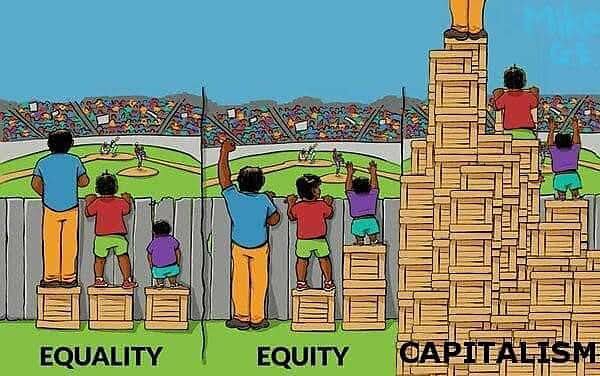
We can bake MORE pies! But redistributionists see the solution as taking away from those with "too much" pie, regardless of how little everyone ends up with. They'd rather everyone be equally poor than unequally prosperous.

Here's what actually matters: 1820: 80% of humanity lived in extreme poverty Today: Less than 9% live in extreme poverty [World Bank data] This unprecedented reduction happened through industrialization and globalization—not redistribution.

700 million people still live in extreme poverty worldwide. If innovation, liberty, and opportunity can lift them out—does it matter if some people end up with more than others? Or should we keep everyone poor to maintain "equality"?

Free markets consistently generate prosperity: → Hong Kong prospered while China suffered under Maoism → South Korea vs North Korea → West Germany vs East Germany Economic freedom creates wealth. Redistribution just moves poverty around.

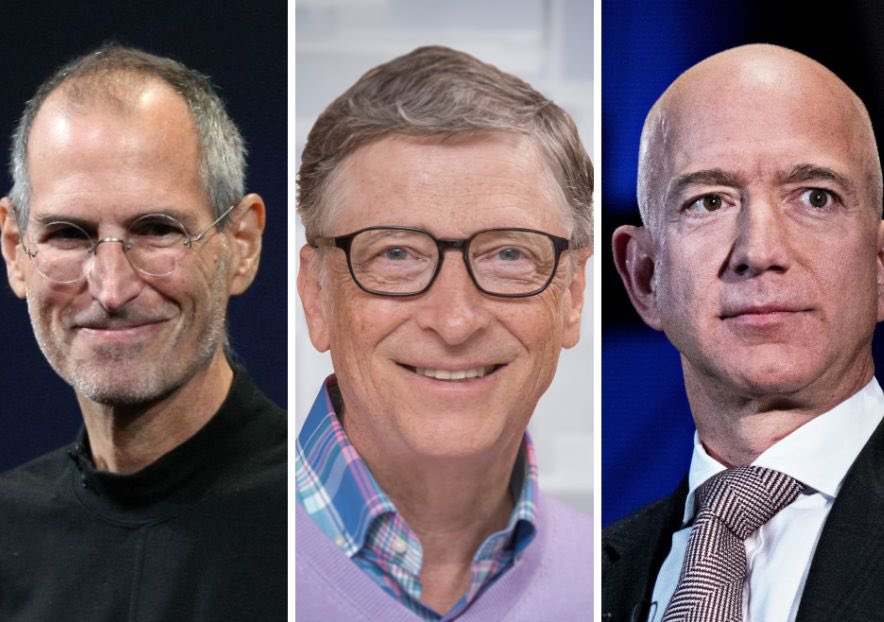
When we obsess over inequality, we only look at dollar accumulation. But Steve Jobs, Jeff Bezos, Bill Gates became rich because WE liked their products and willingly gave them our money. They got wealthy by making our lives better.
Tired of falling for economic narratives that sound compassionate but ignore reality? Learn to spot the difference between good intentions and good results. Thomas Sowell spent decades exposing how "caring" policies often hurt the people they claim to help.

Master the art of thinking past stage one: → Question popular economic assumptions → Look at results, not intentions → Understand how wealth is actually created → Stop falling for zero-sum thinking Get "How Not to Be an NPC": <a target="_blank" href="https://go.studentsforliberty.org/npc-sowell/" color="blue">go.studentsforliberty.org/npc-sowell/</a> Because poverty—not inequality—is the real enemy. Inequality is often a byproduct of dynamic economic growth with abundant upward mobility. If we want to eradicate poverty, embracing inequality might be part of the solution.
