Canvas & Ratio
Choose your destination platform format
Layout Template
Choose a content structure for your slides
Preset Themes
Typography & Sizing
Brand Kit Customization
AGENCYConfigure brand assets for headers & footers
Outro Slide CTA
Customize your closing call-to-action slide
Background Pattern
Build Your Carousel
Drag and drop any post card below onto a slide, or use the quick buttons to insert content/images instantly!

Most people think liberty needs to be justified. Robert Nozick flipped the script: Power does. Here’s how a Harvard-trained socialist tried to debunk libertarianism—and became one of its strongest defenders 🧵
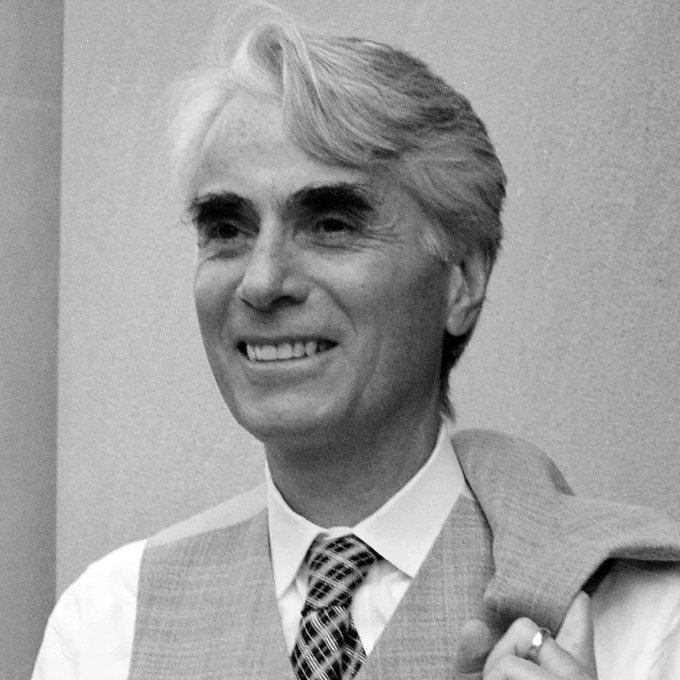
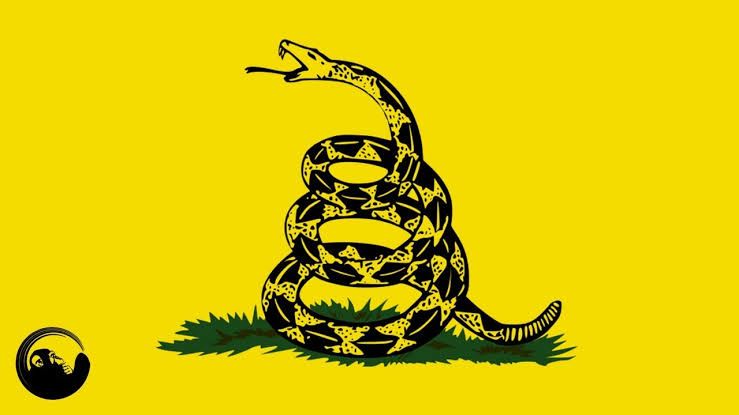
In the 1960s, Nozick was everything the academic world admired: — Columbia-educated — Harvard professor — Proud socialist He believed in redistribution, social justice, and the state. Until one question got stuck in his mind: What if libertarians weren’t just selfish—but right?

He didn’t grow up libertarian. Didn’t read Rand. Didn’t quote Mises. But unlike many of his peers, Nozick didn’t want to win arguments by slogans. He wanted to understand his opponents—to beat them. So he started reading libertarian thinkers. It didn’t go how he expected.


In 1974, Nozick published Anarchy, State, and Utopia. It shook political philosophy. John Rawls had just released A Theory of Justice, arguing for distributive equality. Nozick replied: You don’t need to justify freedom. You need to justify coercion.


Nozick’s core idea was simple: “Individuals have rights, and there are things no person or group may do to them without violating those rights.” Rights aren’t granted by governments. They’re not up for a vote. They exist before politics.
What kind of state survives that test? Maybe a small one—very small. Nozick imagined competing private protection agencies. Eventually, one might dominate… not by force, but through service. That could be a state. But only if it didn’t violate anyone’s rights.

In Nozick’s view, the state is a service provider—not a ruler. It can’t force you to join. It can’t stop you from leaving. And it has no special moral status. It exists to protect you. And only with your consent.

Why did he oppose redistribution? Because it uses people If you can’t force your neighbor to clean your house “for the greater good,” Why can the state force them to give up their labor or income? Nozick’s answer: It can’t. Not morally.
In the ’80s, Nozick moved on to write about other topics: ethics, metaphysics, knowledge. Critics claimed he’d “outgrown” libertarianism. But in his final interview, Nozick rejected that myth. He reaffirmed his core view: Only minimal obligations justify coercion. And liberty defines those limits best.

You don’t have to agree with everything Nozick wrote. But if you believe in power, you now have to answer his question: What gives you the right to use another person without their consent? Most political theories never even try.
Want to bring Nozick’s challenge to your campus? Then don’t just study liberty. Defend it. Apply to be a Local Coordinator with Students For Liberty: 👉 <a target="_blank" href="http://join.studentsforliberty.org" color="blue">join.studentsforliberty.org</a> Put freedom back in the conversation.
