Thread Truncated (Cap Enforced)
Only the first 20 tweets are unrolled into slides to ensure reliable PDF exporting and high server performance.
Canvas & Ratio
Choose your destination platform format
Layout Template
Choose a content structure for your slides
Preset Themes
Typography & Sizing
Brand Kit Customization
AGENCYConfigure brand assets for headers & footers
Outro Slide CTA
Customize your closing call-to-action slide
Background Pattern
Build Your Carousel
Drag and drop any post card below onto a slide, or use the quick buttons to insert content/images instantly!

I found The Flowers of Evil interesting in many ways, even if it didn’t quite land for me. It might just be that, as one of their early works, it’s more experimental and lacks the assured, more concrete vision Oshimi's later manga would develop. 🧵

Because I think I understand what we’re doing. Kasuga, after initially being burdened by shame after stealing Saeki’s uniform, becomes obsessed with proving himself “abnormal” enough for Nakamura.
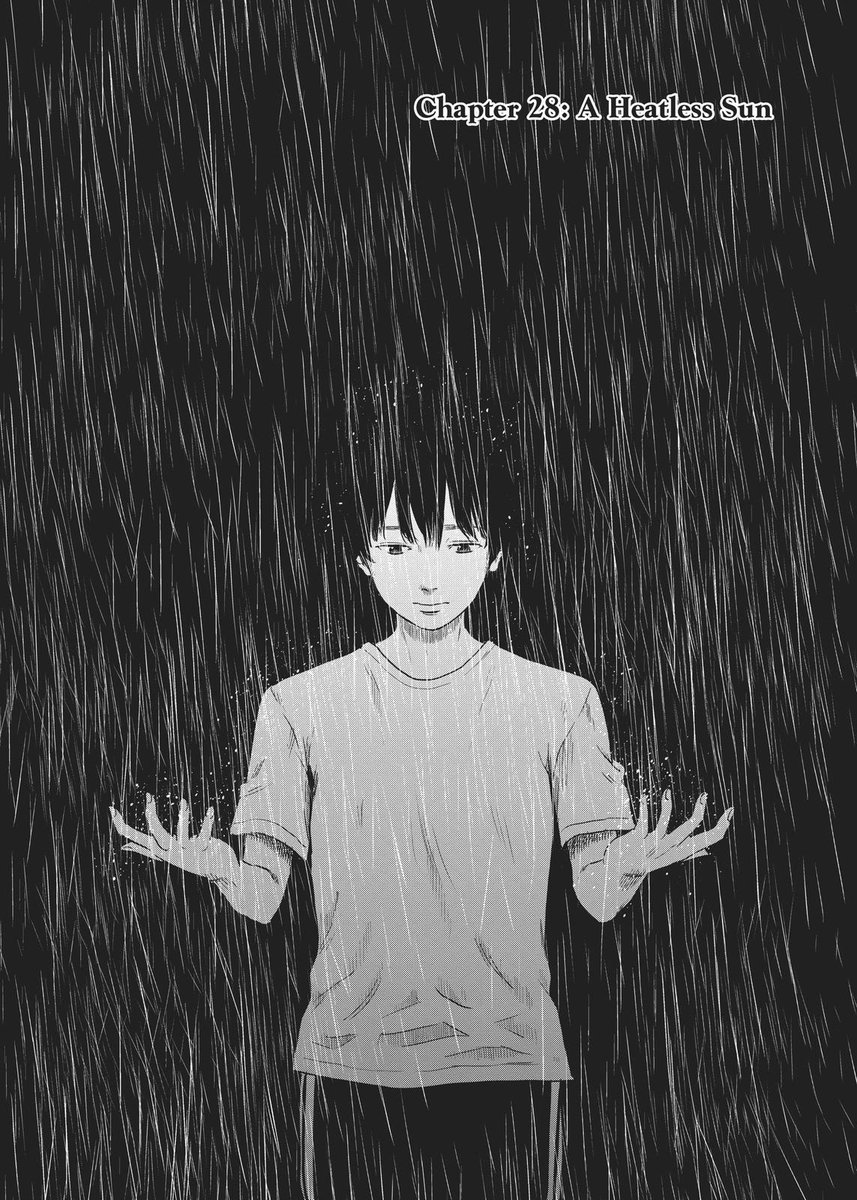
It’s not so much Nakamura’s coercion, but it stems from Kasuga’s already repressed impulses of alienation from his literary obsessions and neurotic sensitivity. Only through Tokiwa, who mirrors his literary passion while of sound mind, does he reconcile with himself.
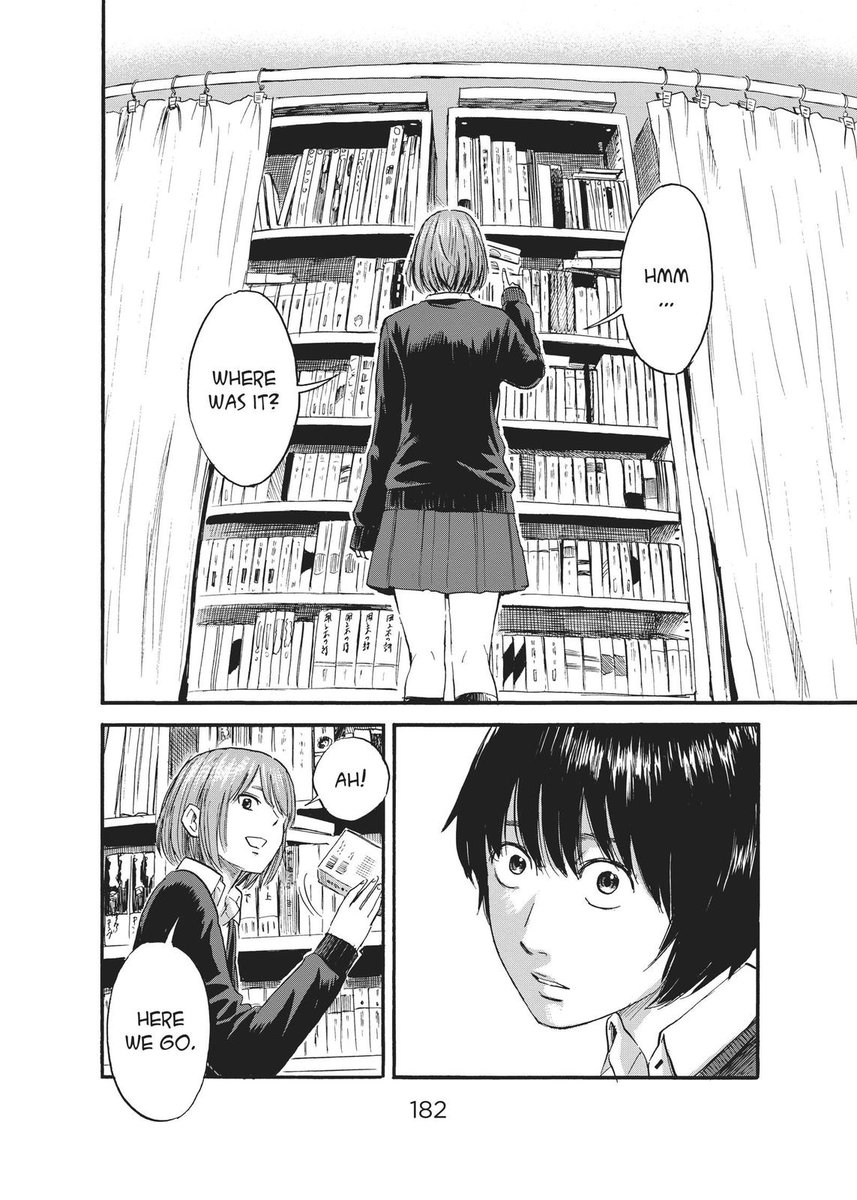

Kasuga’s problem isn’t that he’s a pervert. It’s that he can’t reconcile his desires with his moral ideals. He thinks he’s “better” than others because he reads Baudelaire, but he’s also obsessed with purity (Saeki) and disgusted by his own impulses.
So his guilt over the uniform theft isn’t about the act but about the disparity between who he thinks he is and what he’s done. And it’s that self-disgust which makes him vulnerable to Nakamura, who gives him permission to be “bad.”
Nakamura’s abuse of Kasuga stems from seeing him as a fellow deviant, someone who can validate her own despair. And in (near) adulthood, she is still hollow. The rage has cooled into resignation. She’s given up.
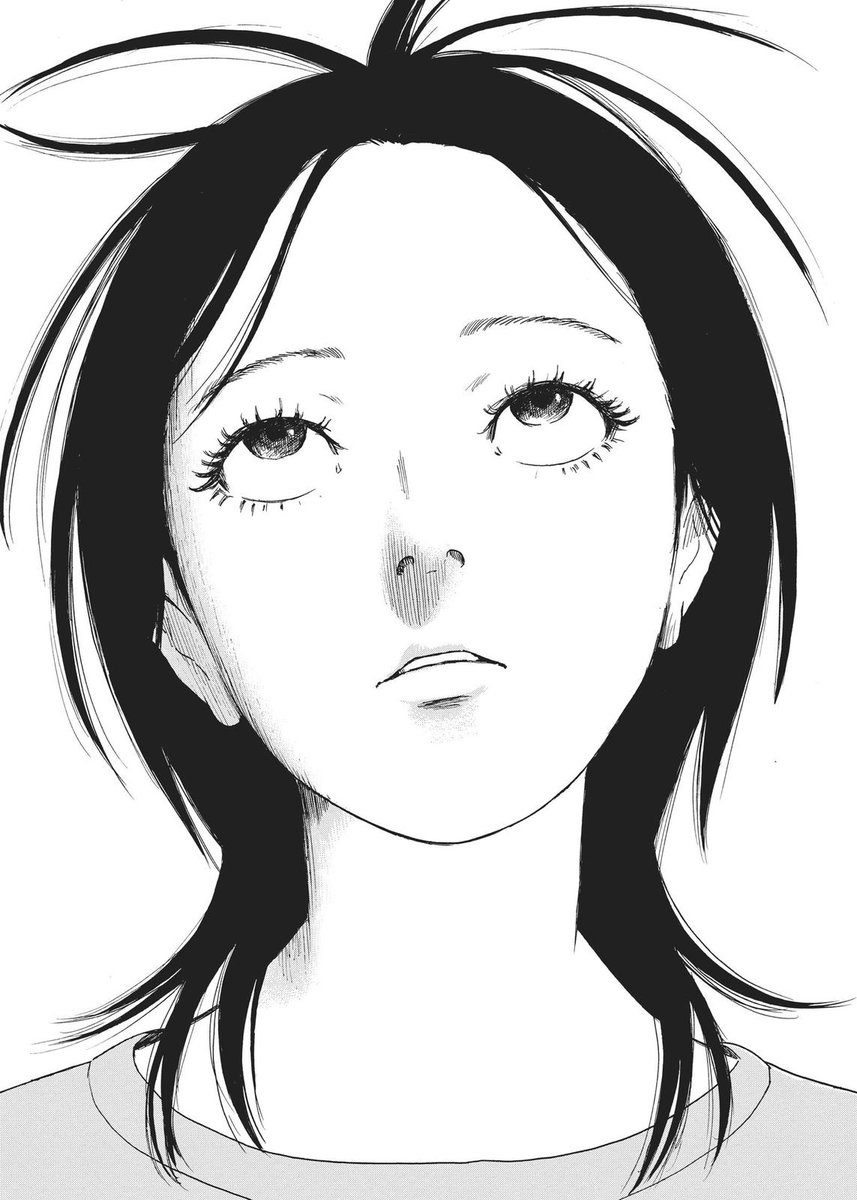
She rejects the world completely. She sees life as a lie and everyone as fake. She wants to destroy the version of Kasuga that tries to be “normal” because she sees that version as dishonest. But she doesn’t know what to replace the world with. She just wants out.

Saeki is the idealized “normal” girl, but slowly unravels as someone suffocating under the pressure to meet others’ expectations. So her interest in Kasuga is her trying to latch onto an abnormal boy to rebel against the perception of her?


But they're fundamentally incompatible, and she ends up with a seemingly happy ending. Maybe it leaves her unfulfilled still, since it’s so normal? Harder to tell, I found her a bit underdeveloped.


I kept asking myself yesterday what the story is actually about. What’s the problem? It’s not about misogyny. Nakamura’s manipulation is psychological, not gendered. It’s not about class or capitalism. There’s no economic context to their despair.
It’s not saying “life is boring,” either, because while neither Nakamura nor (perhaps) Saeki seems properly fulfilled, Kasuga does go on to live the most textbook boring life, but he is happy.


I think it’s just saying that adolescence can feel unbearable when you feel like so much of life is performance. And then it just extrapolates that core feeling (which isn't diagnosable or political, it’s not any sort of analysis but autobiographical) into this story, and
plays on it symbolically. Adolescence feels alienating and performative, since you don’t know who you are yet. Kasuga finds peace by maturing into himself and finding someone he clicks with? Nakamura doesn’t get a resolution because she never accepts that it’s possible for her?
It does mean that—and I’m trying to nail down my dissonance—that we're extrapolating a bit. It’s more of a vibe piece than people let on. Nakamura isn’t an actual character, and her feelings don’t stem from anything concrete; she’s just an embodiment of a reaction to adolescence.
Kasuga’s perversion doesn’t actually matter, cause the sexual deviance is just symbolic of feeling abnormal. For Kasuga, it is basically just that he likes books that his friends don’t; so he feels alone.
It also means that I wonder what would have happened if Nakamura didn’t extort Kasuga, because Saeki showed genuine interest in his likes for books, so he could’ve made a connection there like he did with Toikawa. Is it so important that she needs to be an avid reader?
At the same time, he read books above his level and pretended that he liked them and understood them, so perhaps that wouldn’t have felt like a genuine connection to him through that.
At the same time, he clearly still likes books, so Saeki could’ve connected with him on books that were on their level, and he would’ve grown into it properly later when he's not dumb and 13. For some reason, beyond me, Nakamura never figured her situation out.
Maybe that’s where it trips me off a bit—where I feel that if Kasuga got to connect with Saeki on his own (or someone his age who showed interest in his interests), he probably would have been fine,
and the only reason that he wasn’t is because Nakamura (a non-character representation of something who can’t actually be analysed as a person) interrupts that. And then we extrapolate that conflict into just an extreme representation of how to respond differently to adolescence.