Canvas & Ratio
Choose your destination platform format
Layout Template
Choose a content structure for your slides
Preset Themes
Typography & Sizing
Brand Kit Customization
AGENCYConfigure brand assets for headers & footers
Outro Slide CTA
Customize your closing call-to-action slide
Background Pattern
Build Your Carousel
Drag and drop any post card below onto a slide, or use the quick buttons to insert content/images instantly!

Notice how logos recently all look the same? Not because it makes them look better... But because of THIS psychological trick that manipulates your brain. That's why Google, Microsoft, and Airbnb are all doing it. Here's the full explanation:🧵
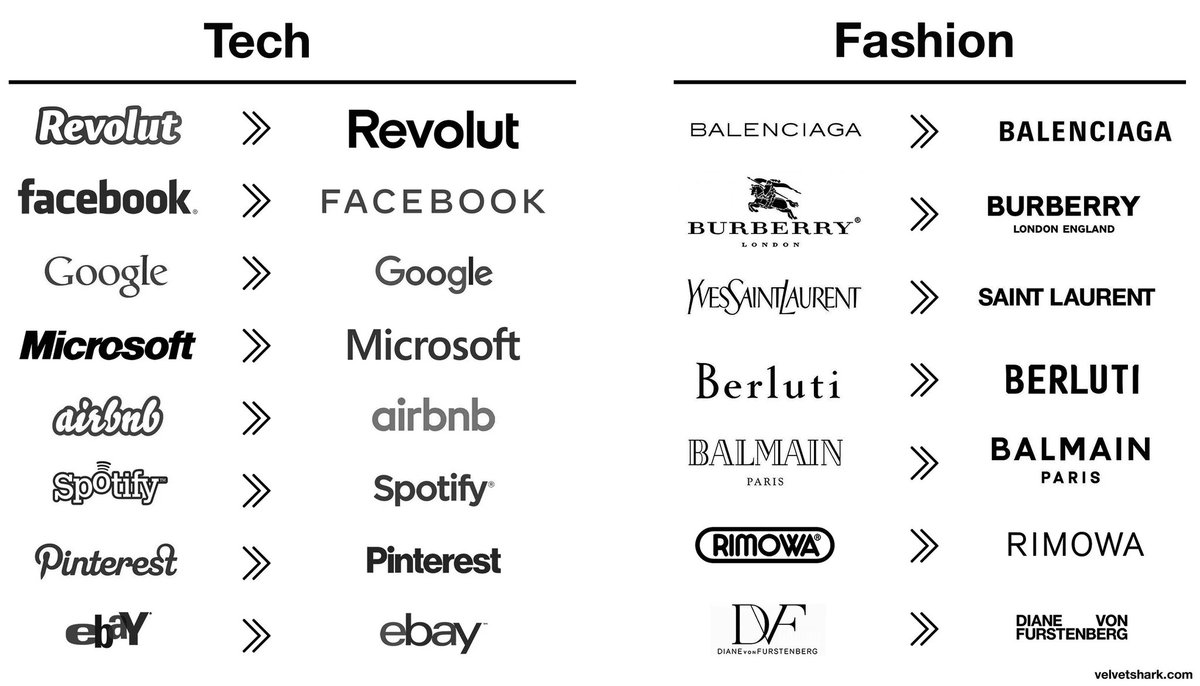
Your brain has a secret weakness. Big Tech discovered it by accident. Now Google, Microsoft, and PayPal are exploiting it to control how you think about their brands. The science behind it is both brilliant and terrifying:

Look closely at these new logos. They're not just simpler - they're starting to look eerily similar. Sans-serif fonts. Basic shapes. Limited colors. It's like they're all following the same hidden playbook. But why? The answer lies in human psychology:

Before we continue, I want to thank @meetgamma for partnering with me on this post. 50M+ users are already using Gamma not only to create AI presentations, but also websites, social media content, documents, and more. 🔗 <a target="_blank" href="http://gamma.app" color="blue">gamma.app</a>

Our brains process visuals 60,000 times faster than text. And here's the fascinating part: The simpler the visual, the faster we process it. This is why companies are racing to simplify their logos. But there's more to this story...

Take Google's evolution: 1999: Complex, shadowed text 2010: Glossy, 3D effect 2015: Flat, sans-serif font Each iteration got progressively simpler. The result?

42% of consumers perceive brands with modernized logos as more trustworthy. Microsoft followed a similar path: • Removed all gradients • Eliminated shadows and depth • Switched to basic geometric shapes But the real genius? These weren't just aesthetic choices...
These changes were driven by the digital revolution. Logos today need to work across dozens of platforms: Think tiny app icons. Social media profiles. Website headers. And that's just online. The rise of wearables (e.g. Apple Watch) accelerated this trend...
Complex logos break down at small sizes. Gradients become muddy. Detailed illustrations blur. Fine text becomes unreadable. This is why Airbnb made a controversial decision in 2014:
They scrapped their casual script font for the "Bélo" symbol. A simple, continuous line forming a unique shape. The internet erupted in mockery - comparing it to various body parts. But Airbnb knew something critics didn't:

Their old logo was failing in the digital age: • Hard to animate • Illegible at small sizes • Inconsistent across platforms It was difficult to remember. The new logo, despite initial backlash, solved all these problems. Here's where it gets interesting:

The human brain has a preference for simple shapes. We're hardwired to remember: • Straight lines over curves • Circles over complex polygons • Basic patterns over intricate designs 75% of consumer perceptions are influenced by simple shapes and colors. So:
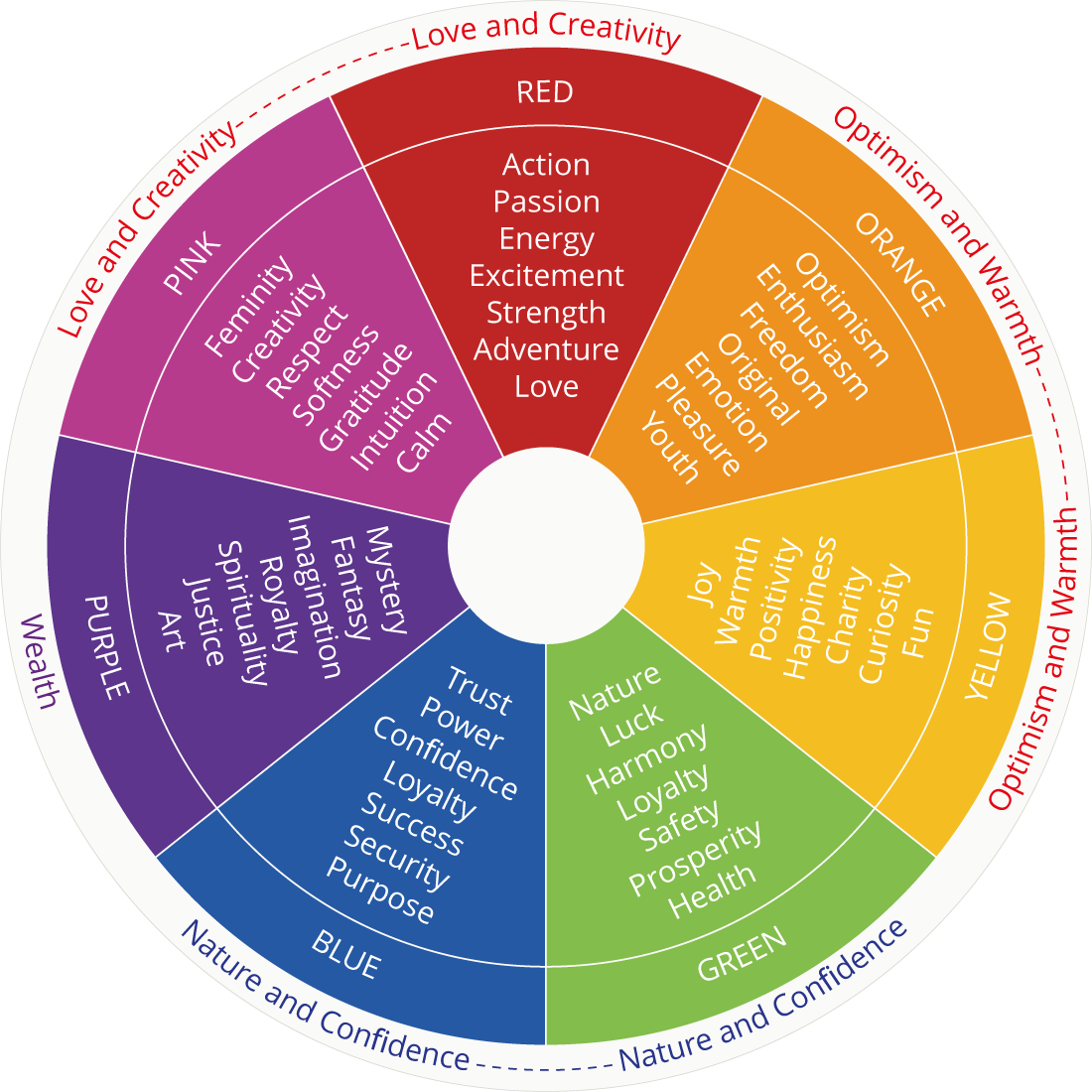
They needed logos that could: • Be instantly recognizable • Cut through the noise • Work at any size • Be memorable • Load quickly This led to an unexpected consequence:
As logos became simpler to meet these requirements, they started looking more alike. It's not laziness or lack of creativity. It's evolution. Just like animals evolving similar features to survive in the same environment.
This trend isn't slowing down. More companies are simplifying their logos every year. Because in a world of infinite content and shrinking attention spans, simplicity isn't just beautiful. It's survival.

The psychology behind these logo changes reveals something profound: In a world of information overload, simplicity wins. The way companies communicate with their customers is changing. But this principle extends far beyond just logos...
There's another way the most successful founders are simplifying their message to cut through the noise. They're building personal brands. Why? Because today, people trust people — not the AI generated, corporate speak we've become used to.
That's the Wrap up🤩 If you found this helpful! 👉 Repost and share with your Network! Follow me @riyazmd774 for more useful content. <a target="_blank" href="https://x.com/riyazmd774/status/1917556987518398906?t=RtKtW1oXo0Udi72D7L99DQ&s=19" color="blue">x.com/riyazmd774/sta…</a>