Thread Truncated (Cap Enforced)
Only the first 20 tweets are unrolled into slides to ensure reliable PDF exporting and high server performance.
Canvas & Ratio
Choose your destination platform format
Layout Template
Choose a content structure for your slides
Preset Themes
Typography & Sizing
Brand Kit Customization
AGENCYConfigure brand assets for headers & footers
Outro Slide CTA
Customize your closing call-to-action slide
Background Pattern
Build Your Carousel
Drag and drop any post card below onto a slide, or use the quick buttons to insert content/images instantly!

You aren’t designed to eat the same foods year-round. Your mitochondria run on seasons. Eat a banana on the 31st of December in New York & you disrupt your engines. Here’s how eating out of season stresses your mitochondria (& how to fix it): 🧵


1/ Mainstream: "It's about calories, fats, carbs, & protein." The truth? Your mitochondria don’t care about calories. They extract electrons from food to run the Electron Transport Chain (ETC) — not the "Calorie Transport Chain". They pump protons & make ATP: your real energy.

2/ The entire food web is tied to light cycles. No sunlight = No carbs. In winter (northern latitudes), no fruits, no grains grow naturally. Eating carbs out of season = wrong signal → metabolic chaos → inflammation. Credit to @DrJackKruse, his work shaped my understanding.

3/ How does this metabolic chaos happen? Inside mitochondria, a motor (ATP synthase) spins to create energy. It’s powered by protons (H⁺) flowing through it. No proton flow = no energy = no life. Protons (H⁺) are hydrogen stripped of their electron—and not all H⁺ is equal.

4/ There are 3 types of hydrogen: Protium (¹H): 1 proton, 0 neutrons → light hydrogen Deuterium (²H): 1 proton, 1 neutron → heavy hydrogen Tritium (³H): 1 proton, 2 neutrons → radioactive (rare on Earth) Your mitochondria are ruthless: they love protium & HATE DEUTERIUM.

5/ Why does ATP synthase (your motor) hate deuterium? Protium (¹H) is lighter → flows faster → spins the ATP motor cleanly. Deuterium (²H) is twice as heavy → clogs the motor → slows ATP production → more oxidative stress. It's like pouring sand into a Ferrari engine.

6/ Why is tropical fruit loaded with deuterium? In hot, humid equatorial climates, heavier water (deuterium) gets trapped. Plants absorb it → fruits become deuterium-rich. At high latitudes, deuterium poor water rains out → plants stay lower in deuterium.

7/ What happens if you eat a banana on December 31st in New York? You ingest high-deuterium plant water… while your mitochondria run low on sunlight. Deuterium clogs the ATP motor (ATPase), slows proton flow & raises oxidative stress. More sand in a Ferrari engine.

8/ “I’ve never heard about this before.” No worries, this is cutting-edge. A 2025 article published in Endocrine & Metabolic Science journal proposed cancer may be driven by deuterium overload in mitochondria. @DrJackKruse was early to call it out.
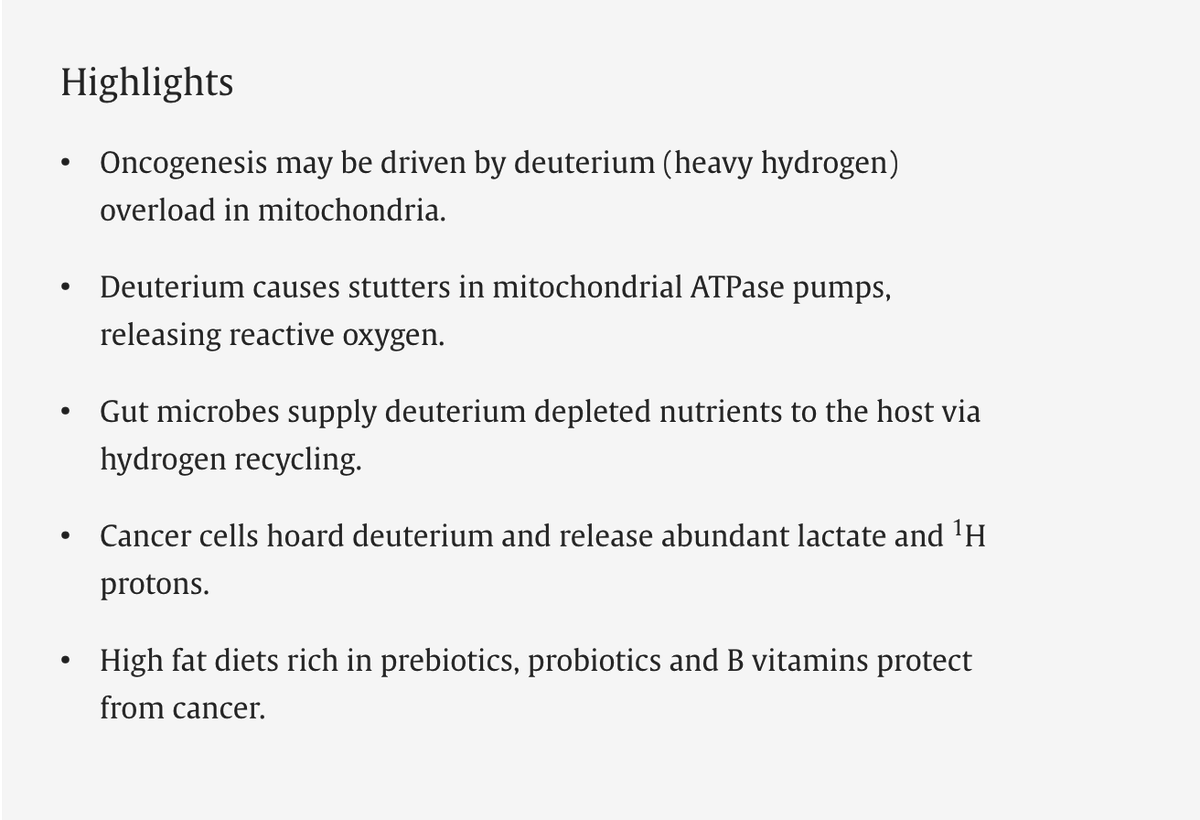
9/ Another 2025 study, published this month, showed that drinking deuterium-depleted water as a complementary cancer therapy significantly increased survival & reduced mortality. And if cancer is a mitochondrial-metabolic disease... Connecting the dots? <a target="_blank" href="https://x.com/the_no_mind/status/1907776446107443557" color="blue">x.com/the_no_mind/st…</a>

10/ Why aren’t bananas a problem in the tropics? Because UV & Infrared light charge your cells. Sunlight structures water, raises redox, & strengthens mitochondria. A stronger redox state helps tolerate more deuterium. Sunlight is nature’s insurance against deuterium overload

11/ Why can your mitochondria tolerate carbs in summer? UV light triggers nitric oxide → inhibits Complex IV → engines produce less ROS IR powers Complex IV → stronger electron flow UV & IR charge structured water → boost bioelectricity More light = better carb handling

12/ Summer = abundance & growth. Light + seasonal carbs = building, mating, expanding. Winter = scarcity & repair. Darkness + fasting + fat-burning = conserve energy, repair damage. Mismatch these light-food cycles → mitochondrial stress, weak redox, faster aging

13/ Red pill: Nature helps filter deuterium. Plants use the enzyme Rubisco, favoring light hydrogen (protium) over heavy (deuterium). Seasonal, local food = lower deuterium. Seed oils & processed foods skip this natural filter = mitochondrial poison → inflammation.

14/ How to eat seasonally (northern latitude): Winter: Protein & fat — meat, organs, fermented foods (low carb). Summer: Add local fruits, berries, raw honey, leafy greens. Local + seasonal = low deuterium, synced mitochondria. Let nature dictate your plate, not supermarkets.


15/ A MUST: Get Morning Sunlight 365 days a year. No sunglasses, no contact lenses. Light resets your circadian clock & your TCA cycle runs on that clock. Skip AM sunlight & your mitochondria lose timing. Morning light = mitochondrial tuning.

16/ In winter, use cold exposure. Cold forces mitochondria to emit internal infrared light — a backup when sunlight is scarce. Cold enhances structured water inside cells, improves electron flow efficiency. Cold isn’t a stressor. It’s nature’s replacement for missing sunlight.

17/ Add DHA-rich seafood year-round. DHA’s unique structure enables quantum electron tunneling — making your neural signals fast & precise. More DHA = higher membrane fluidity → optimized neurotransmission. Less DHA = poor electron flow → brain fog.
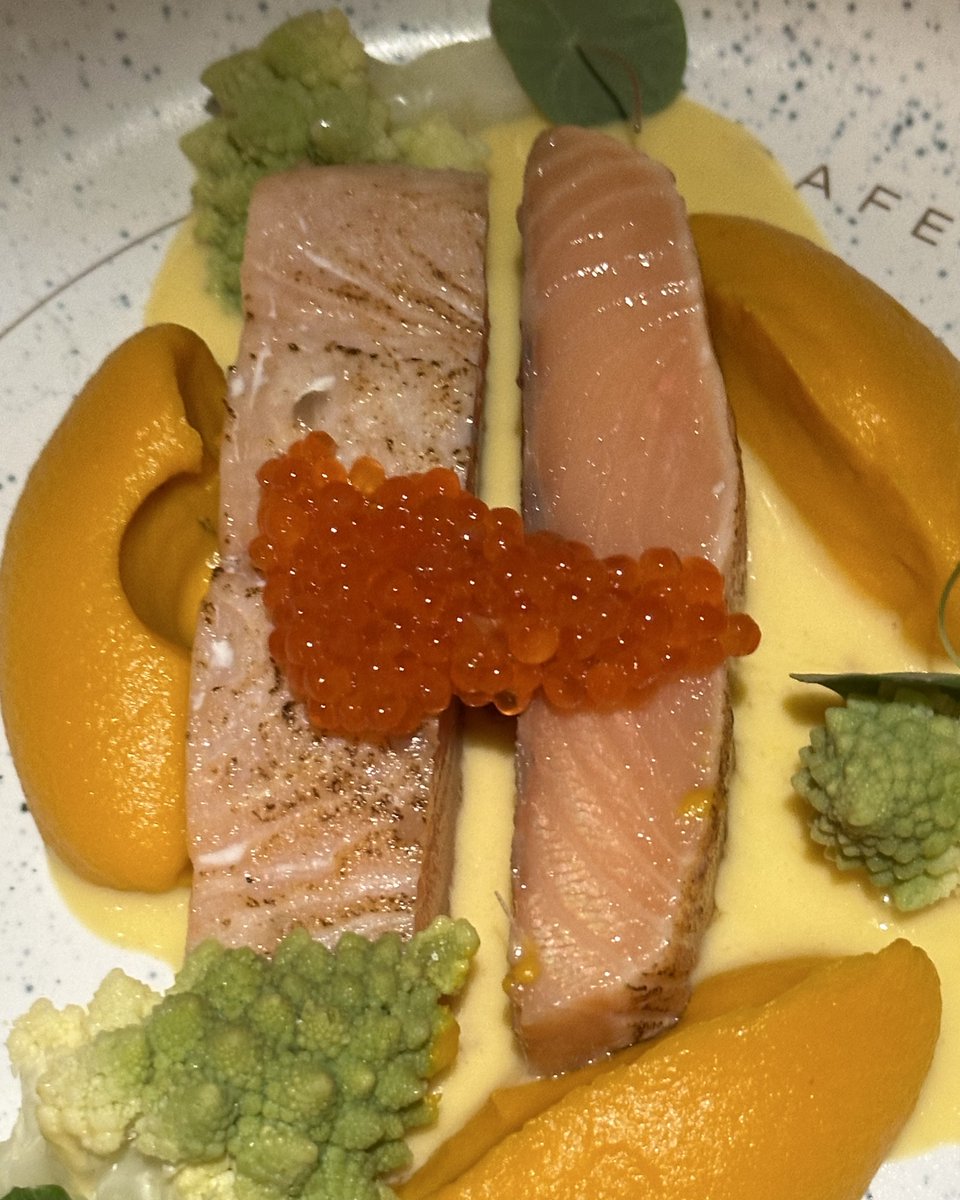
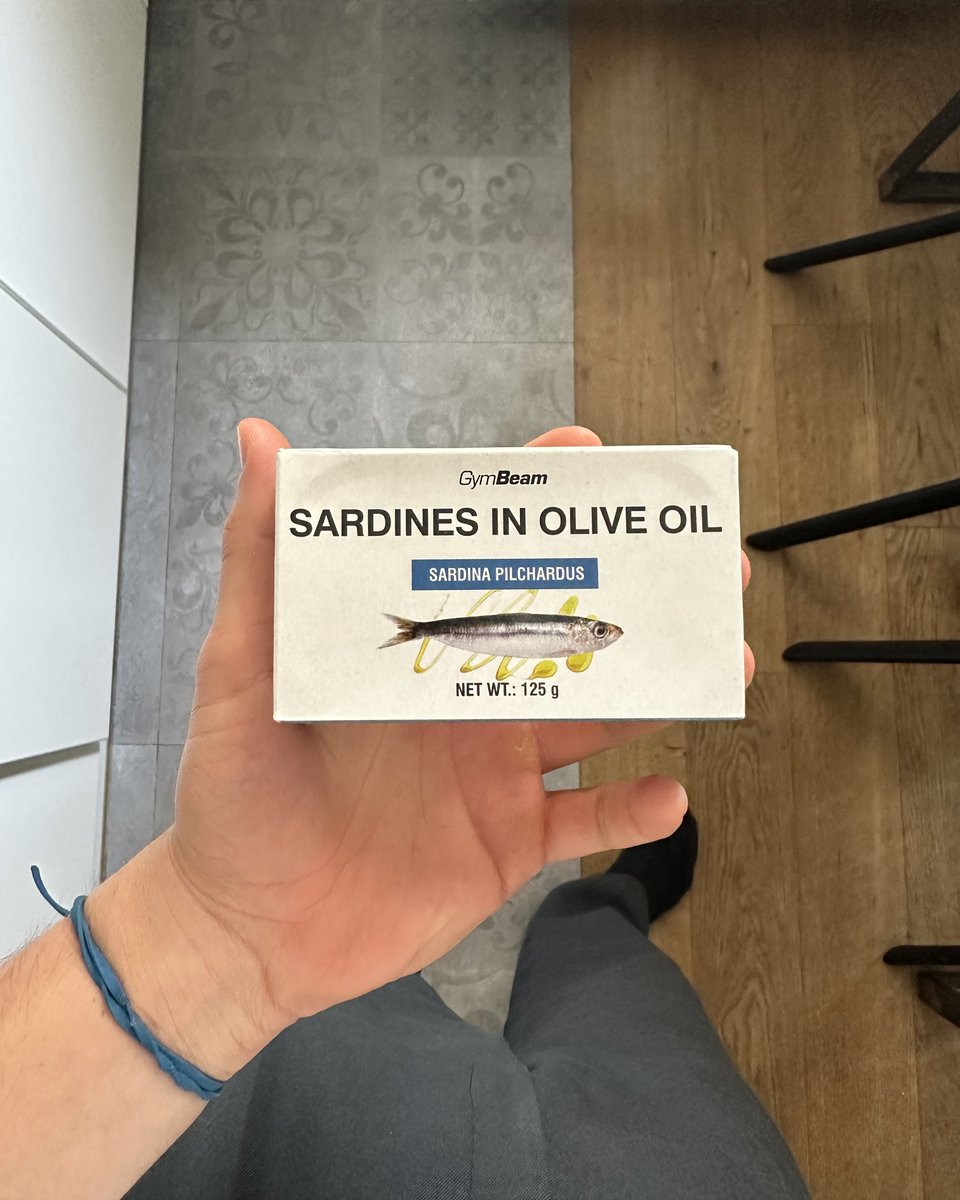
18/ Bottom Line: Your mitochondria obey the sun, not macros. Carbs aren’t bad. Out-of-season carbs are. Match your plate to your place. Add DHA from seafood & never skip morning sunlight. That’s how you were designed to eat.

P.S. If this resonated and you’re serious about fixing your mitochondria: I help high performers restore energy at the root. We start with blood biomarkers & build a personalised game plan from there. DM me “MITOCHONDRIA” if you want to explore this path.