Canvas & Ratio
Choose your destination platform format
Layout Template
Choose a content structure for your slides
Preset Themes
Typography & Sizing
Brand Kit Customization
AGENCYConfigure brand assets for headers & footers
Outro Slide CTA
Customize your closing call-to-action slide
Background Pattern
Build Your Carousel
Drag and drop any post card below onto a slide, or use the quick buttons to insert content/images instantly!

This is the youngest billionaire you never heard of... He was an MIT dropout who built Stripe into a $95B company from his dorm room. His growth strategy was so GENIUS that PayPal, Square, and Visa executives couldn't believe it. Here's the full story: 🧵

Meet Patrick Collison. At 19, he dropped out of MIT to solve the internet's biggest problem: Paypal...
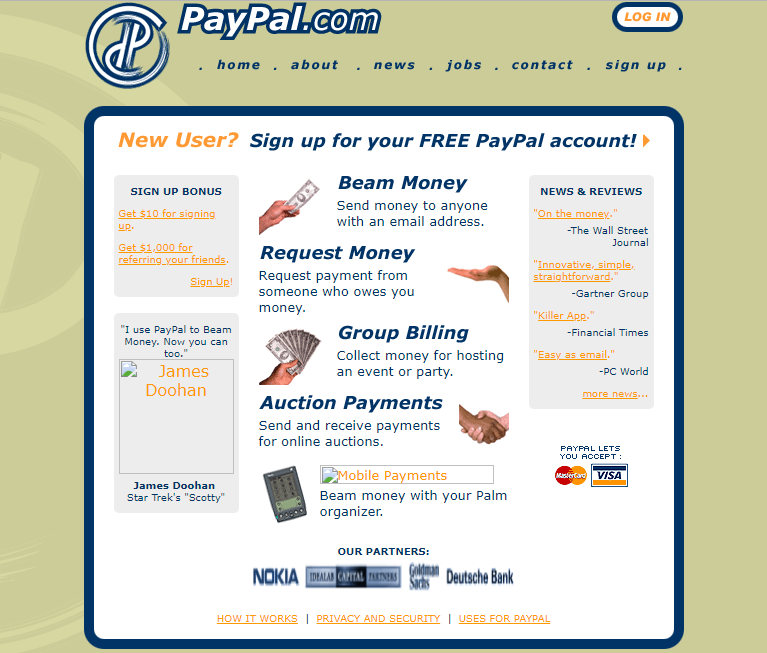
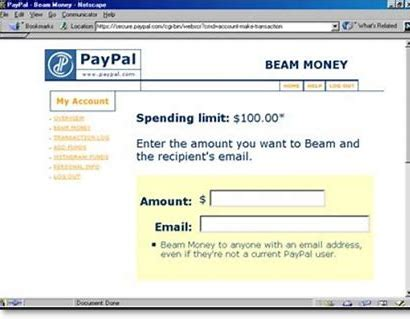
In 2009, accepting online payments was a nightmare. PayPal's integration took 7 days and required a 100-page manual. Meanwhile, companies lost $40B yearly to failed payment processing.
Before we continue, I want to thank @MeetGamma for partnering with me on this post. 50M+ users are already using Gamma not only to create AI presentations, but also websites, social media content, documents, and more. 🔗 <a target="_blank" href="http://gamma.app" color="blue">gamma.app</a>

Patrick saw an opportunity hiding in plain sight. His solution? Make payments stupidly simple. Just 7 lines of code to accept payments. (PayPal needed 500+)

When Patrick showed this to PayPal execs, they laughed. "It's impossible to make it that simple" they said.

But Patrick had a secret weapon: his brother John. • Both spoke multiple languages. • Both dropped out to build Stripe. • Both were programming since age 10. They lived on ramen, coded 16 hours daily, and focused on one metric: Developer happiness.

Y Combinator's Paul Graham called their demo "suspiciously good." Peter Thiel, PayPal's founder, was so impressed he invested $2M.
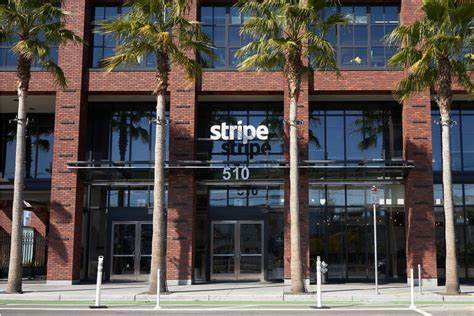
Stripe's first office? A 2-bedroom apartment with 6 people coding non-stop. Their mission: "increase the GDP of the internet." Here's Patrick's belief for the first 10 hires:

2011: Stripe launches publicly. Their timing was perfect: - Shopify was taking off - App stores were booming - SaaS was exploding Every startup needed simple payments. Stripe was there.
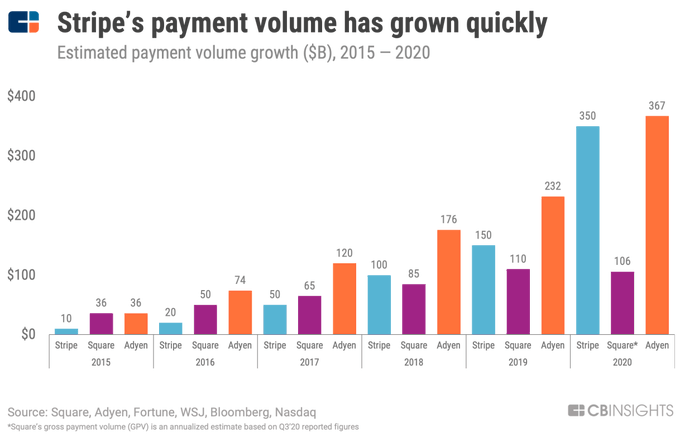
The growth was insane: 2011: $1M processed 2012: $100M processed 2013: $1B processed 2015: $20B processed Traditional banks called it "beginner's luck." They were wrong, here's why:
Patrick's realized payment complexity wasn't necessary – it was just historical baggage. While competitors added features, Stripe removed them. Result: Developers could integrate payments in minutes, not weeks.

By 2016, Stripe powered: - Lyft - Instacart - DoorDash - Shopify - Amazon The college dropout was now worth billions. Patrick's next move shocked everyone:
He expanded beyond payments into: - Business incorporation (Atlas) - Fraud prevention (Radar) - Company cards (Issuing) Each product simplified another complex problem.

2021: Stripe becomes worth $95B More valuable than: - Goldman Sachs - BMW - General Motors - Target Patrick's age? Just 32.

Key lessons from Patrick's success: 1. Simplicity beats complexity 2. Focus on developer happiness 3. Think decade-long games 4. Stay humble, keep building 5. Solve real problems Here's Patrick vision for the future of the internet:

The craziest part? Stripe still has less than 1% of global payment processing. Their mission to "increase the GDP of the internet" is just beginning. And Patrick's still just getting started.

That's wrap If you found this thread helpful: Follow me @thetripathi58 for more such content.