Thread Truncated (Cap Enforced)
Only the first 20 tweets are unrolled into slides to ensure reliable PDF exporting and high server performance.
Canvas & Ratio
Choose your destination platform format
Layout Template
Choose a content structure for your slides
Preset Themes
Typography & Sizing
Brand Kit Customization
AGENCYConfigure brand assets for headers & footers
Outro Slide CTA
Customize your closing call-to-action slide
Background Pattern
Build Your Carousel
Drag and drop any post card below onto a slide, or use the quick buttons to insert content/images instantly!

The most dangerous, oddly glorified, yet overlooked problem in the world: Overthinking and underacting. It's why you're stressed, depressed and your immune system is always in chaos. Here's Eckhart Tolle 7-step protocol to escape the prison of overthinking: 🧵
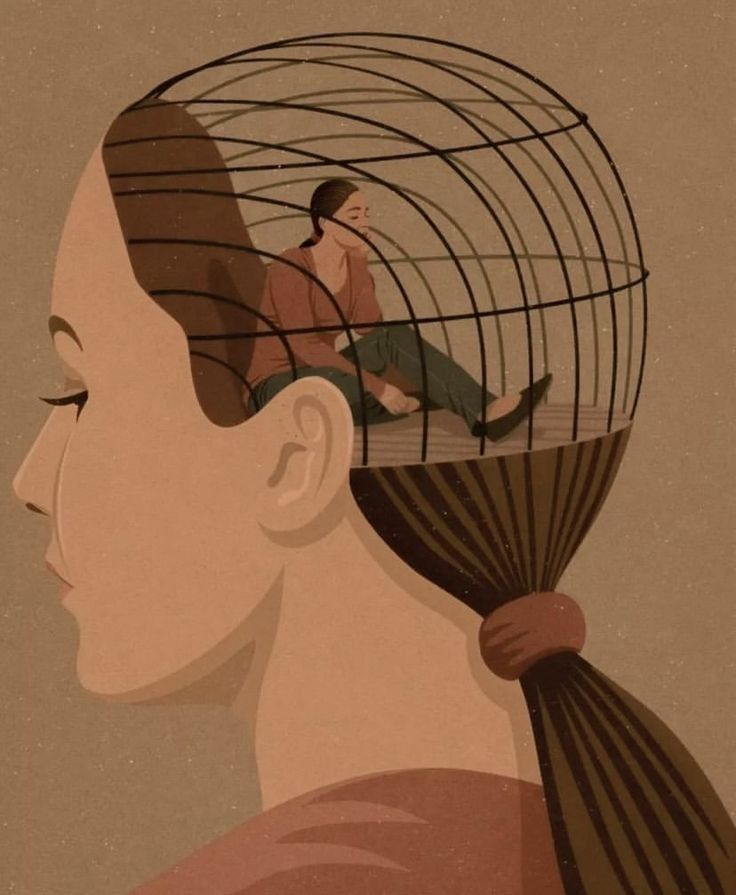

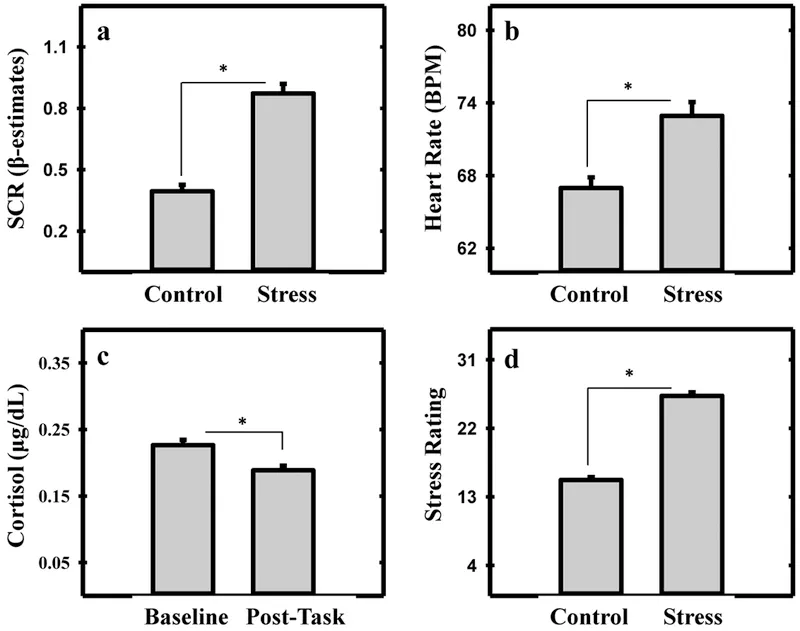
Most people don't realize that unnecessary negative mind activity generates a significant part of their unhappiness. Overthinking isn't just annoying - it's physically damaging your body...
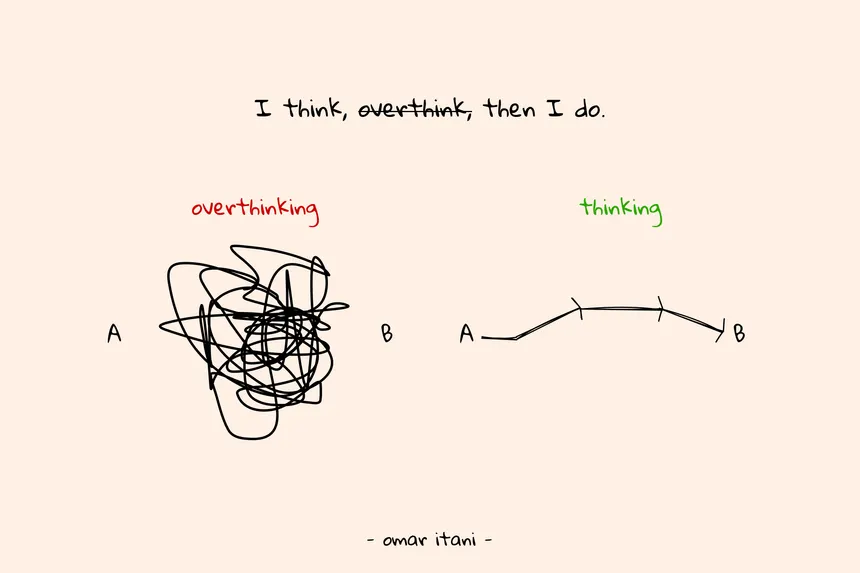
As Tolle discovered, your body can't distinguish between an actual threat and your anxious thoughts. When you think fearful thoughts, your body reacts as if you're in real danger. Here's what's happening in the mind...

Your mind says "what if I fail?" and your body releases stress hormones. Do this for years and it depletes your immune system. Even mainstream medicine now acknowledges this mind-body connection.

The first awakening, according to Tolle, is surprisingly simple: Recognizing there's a voice in your head that never stops commenting on your life. This realization alone can be transformative. Most people are completely unaware they're trapped in continuous mental chatter.

Listen to your self-talk patterns: •"I shouldn't have said that." •"You really messed up again." • "Why can't I stop thinking about this?" That last one? Still overthinking! For many people, this internal dialogue is predominantly negative and rarely stops.
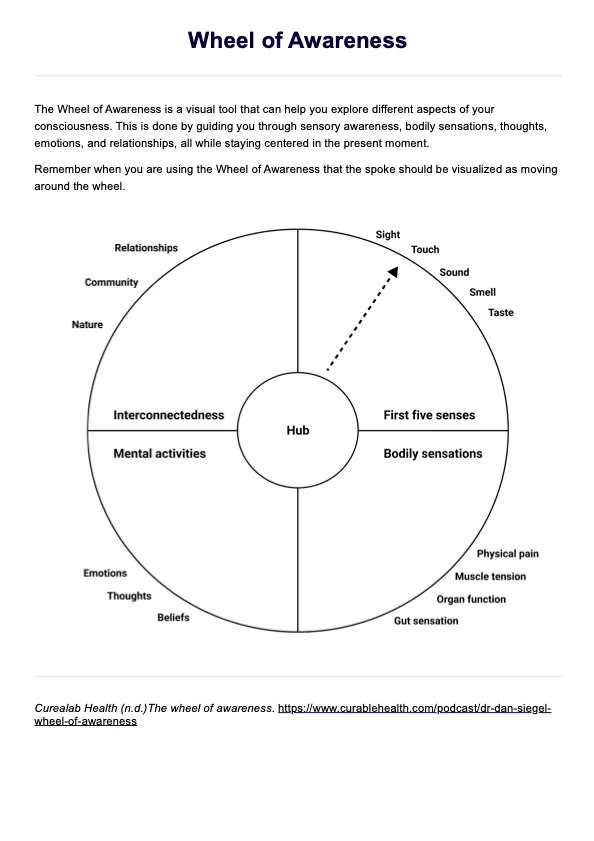
Here's where it gets fascinating... Your mind dwells on negative events much longer than positive ones. You can think about a beautiful sunset for a moment. But someone who slighted you yesterday? You can ruminate for hours, days, even years.

This creates what Tolle calls a "cluttered mind" where you: • Identify completely with your thoughts • Instantly judge everything you encounter • Live in a near-constant state of mental noise • Feel compelled to have opinions on everything Sound familiar?
Tolle discovered this at age 29 after contemplating suicide: "I cannot live with myself any longer." This thought created a breakthrough - who is the 'I' that can't live with 'myself'?
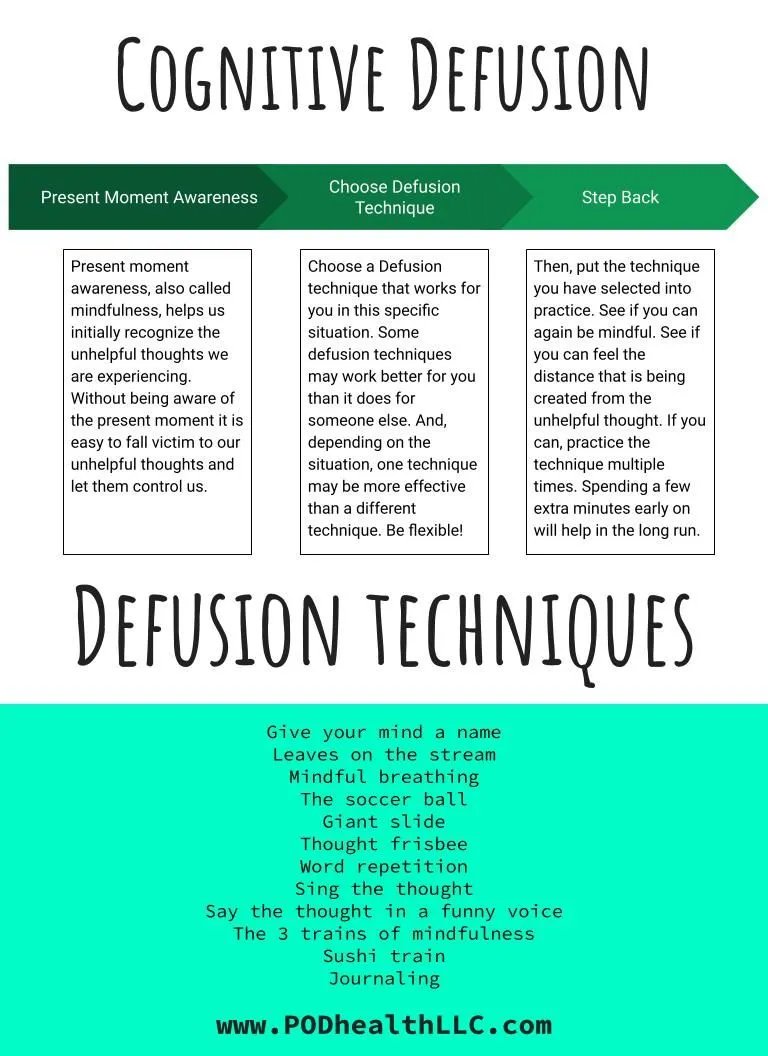
If there are two - the 'I' and the 'self' - then one must be false. In that moment, Tolle experienced what neuroscientists now call "cognitive defusion" - separation from thought. His mind collapsed into silence.
Tolle discovered something profound through his own suffering: There's a correlation between your mental-emotional state and what happens in your life. Your predominant thoughts influence who you spend time with, where you work, and even what events occur around you.

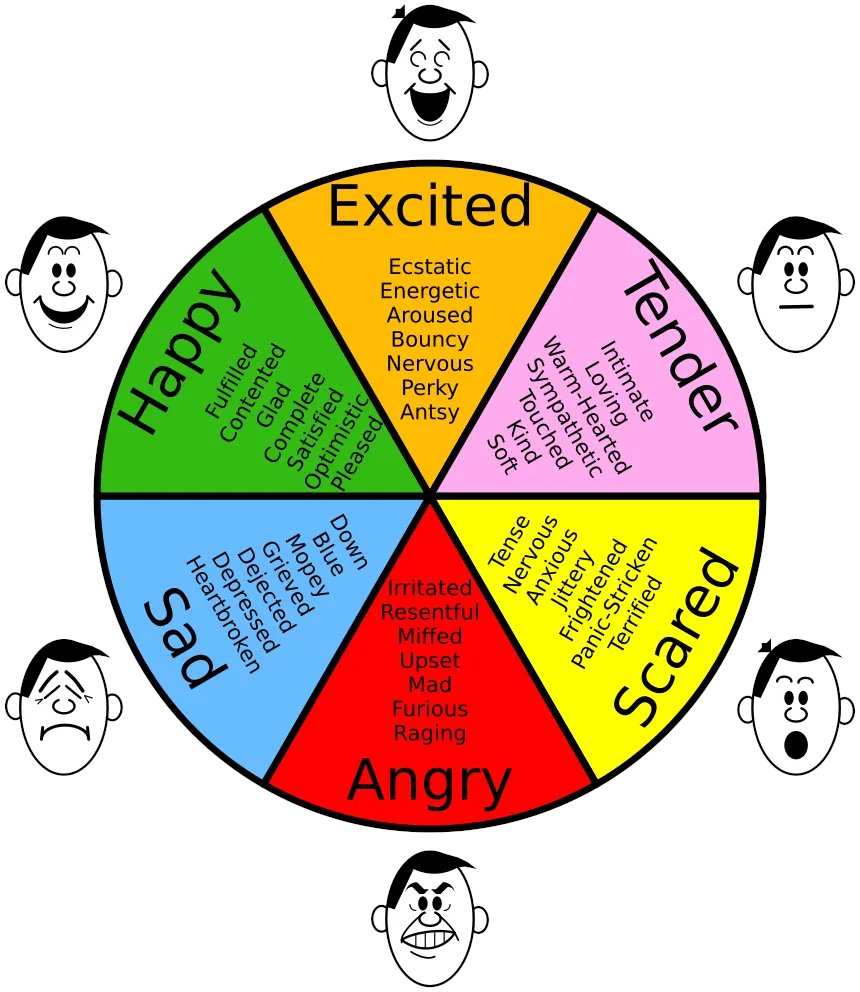
It works like this: Your thoughts → create emotions → influence behaviors → attract similar people/situations → reinforce thoughts If you believe "bad things always happen to me," you'll notice, remember and create more negative experiences. Here's Tolle's 7-step protocol to escape overthinking:
Step 1: Witness Consciousness Don't just "be aware" of thoughts - create deliberate distance by labeling them: "Having a thought about failure" instead of "I'm going to fail." This neurologically activates your prefrontal cortex and deactivates your amygdala, breaking the stress cycle.
Step 2: Pattern Interruption Tolle recommends a specific technique: When caught in rumination, focus on your hands for 30 seconds. Feel the subtle energy or tingling sensation in your palms. This instantly shifts brain activity from Beta to Alpha waves, breaking thought loops.
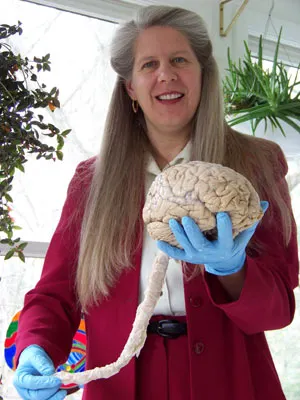
Step 3: The Power of Pause When negative thoughts arise, wait 90 seconds before responding. Neuroscientist Jill Bolte Taylor proved this is exactly how long emotional reactions take to flush through your body - if you don't feed them with more thoughts.
Step 4: The Reality Test Ask: "Is this thought happening in physical reality right now?" Not "Is this thought true?" (which keeps you in thought). Tolle emphasizes testing against present sensory experience, not debating content. This activates your right brain hemisphere.
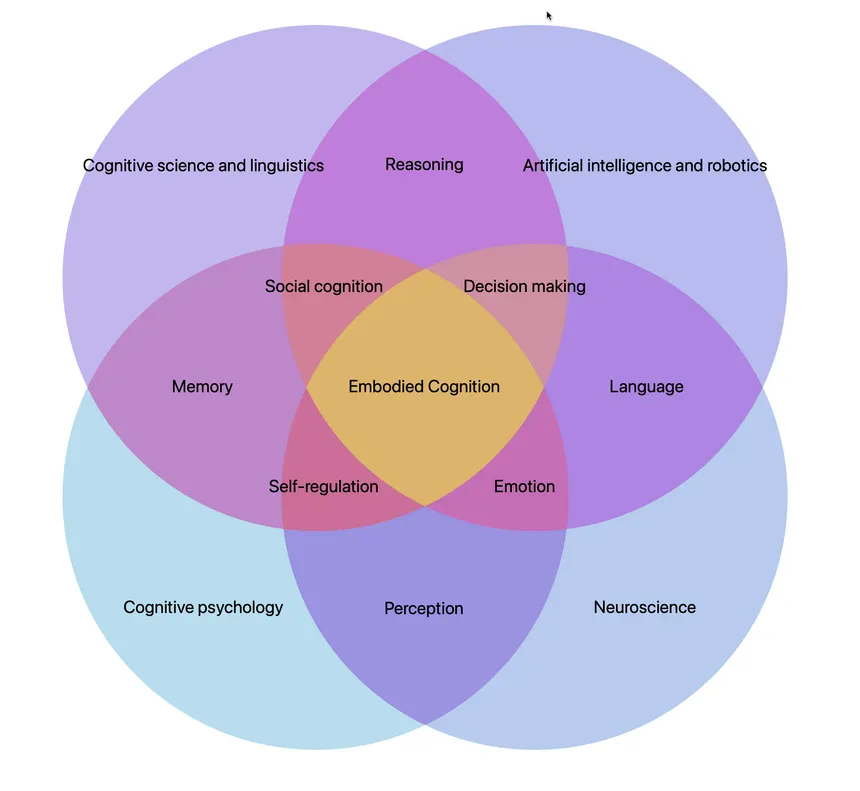
Step 5: Body Anchoring Instead of general "body awareness," Tolle recommends feeling your inner energy field: The tingling life-energy inside your hands, feet, and entire body. This creates what neuroscientists call "embodied cognition" - thinking from your whole nervous system.
Step 6: Radical Acceptance Don't just "accept what is" - Tolle teaches saying "yes" to the feeling of resistance itself. When you feel yourself fighting reality, accept the fighting. This paradoxical approach dissolves the ego's oppositional nature at its root.
Step 7: Present Moment Anchoring Rather than trying to "be present," Tolle suggests focusing on one sense perception completely: The sound of water, the sensation of breath, the feeling of air on skin. This creates what he calls "portals to presence" - gateways beyond thinking.
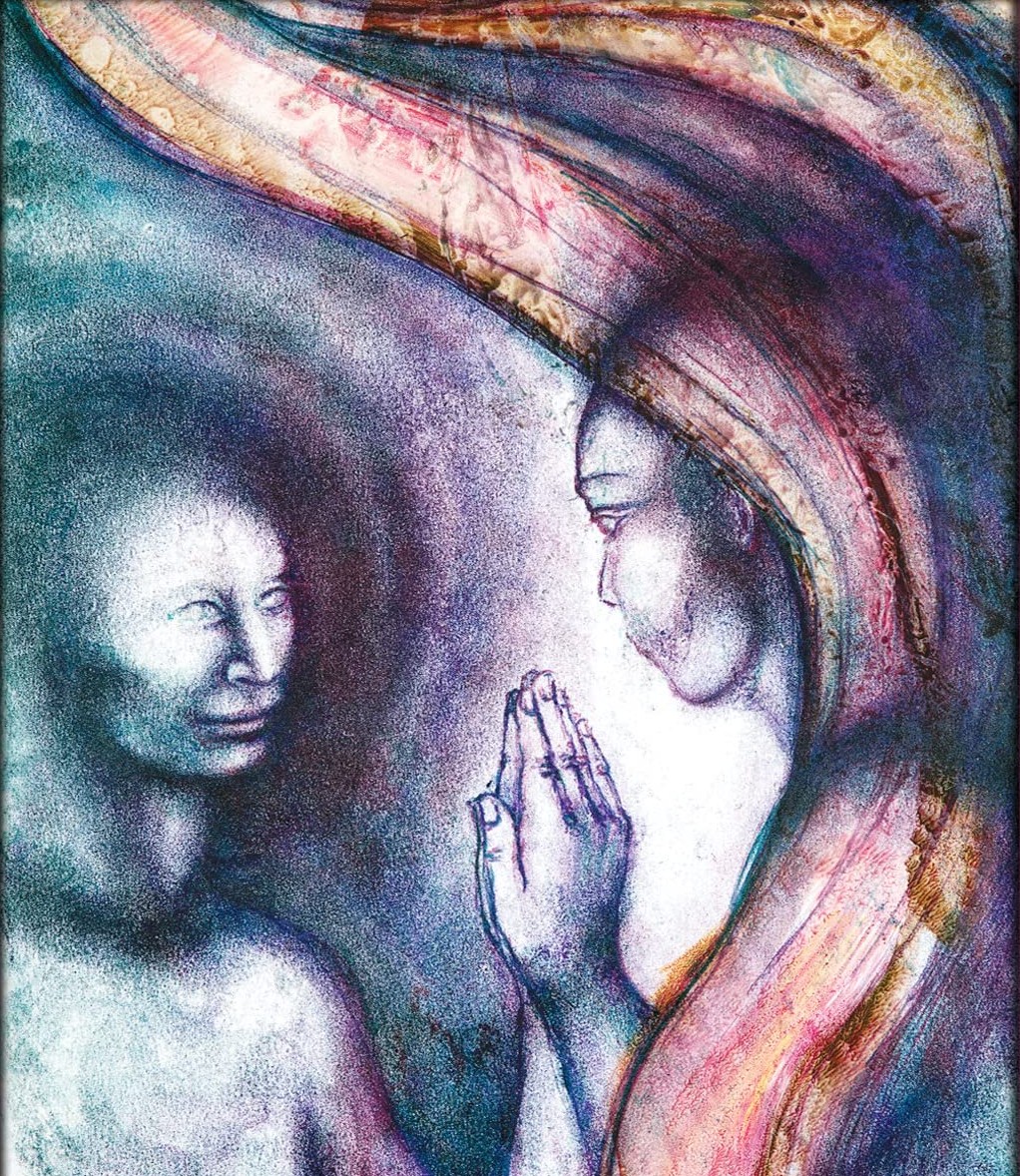
But here's what makes Tolle's approach different from standard mindfulness: He's not just teaching a technique to feel better. He's revealing that your true identity isn't your thinking mind at all. You are the awareness behind thoughts - unchanging, peaceful, and whole.