Canvas & Ratio
Choose your destination platform format
Layout Template
Choose a content structure for your slides
Preset Themes
Typography & Sizing
Brand Kit Customization
AGENCYConfigure brand assets for headers & footers
Outro Slide CTA
Customize your closing call-to-action slide
Background Pattern
Build Your Carousel
Drag and drop any post card below onto a slide, or use the quick buttons to insert content/images instantly!

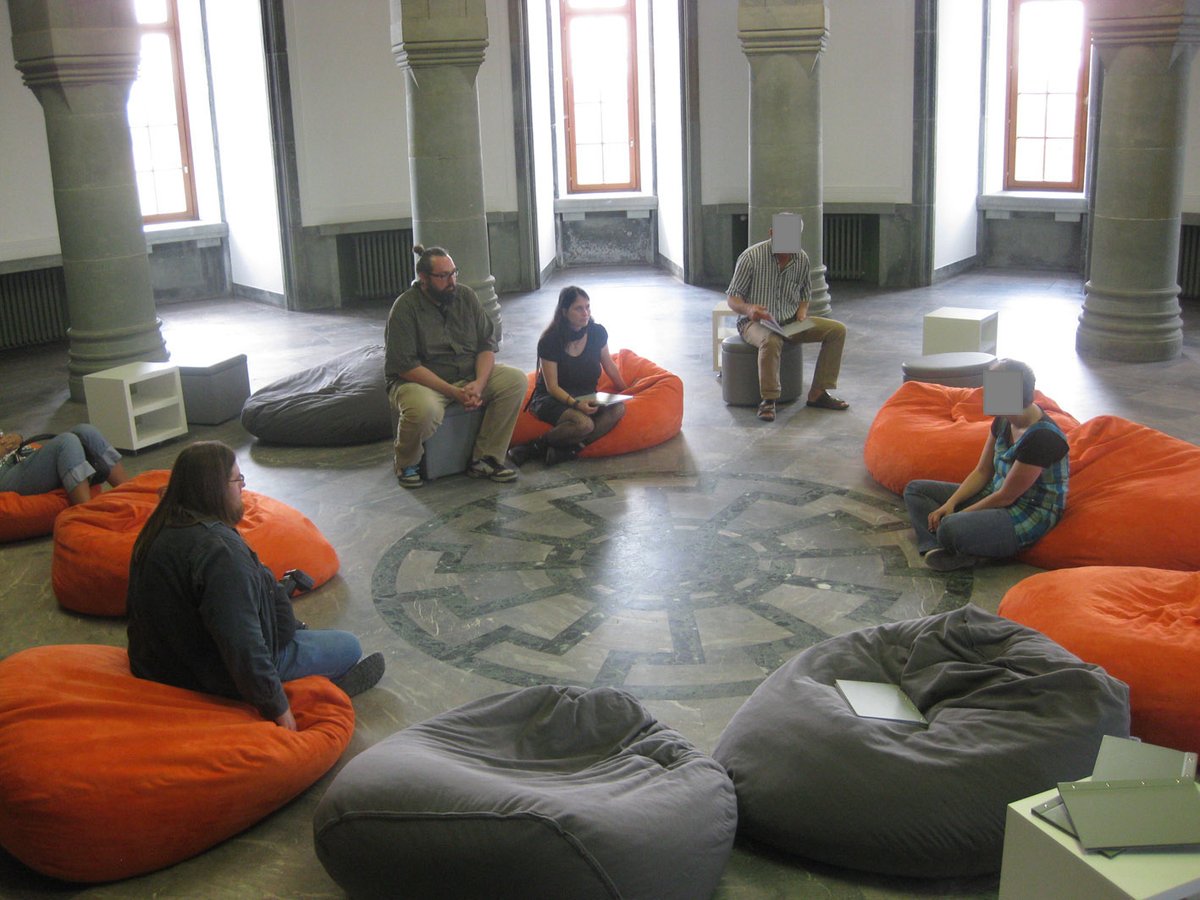
What are Zierscheibe? 🧵 On the internet, the word has been used to describe the specific Germanic sun wheel which was used by Himmler to decorate the floor of Wewelsberg castle (used as a school for the SS). In fact Himmler took the so called “sonnenrad” or” black sun” design from a Zierscheibe, but Zierscheibe just means “ornamental disc” and such discs have many different symbols on them. The example here was found in Niederbreisig. 1/5

The decorative discs, cast from bronze, were part of a Germanic woman's belt-fastened sash in the late Merovingian period (6th-7th century). They are particularly common in Germany, and Holland, but are also found in France, England, Scandinavia and Italy. Today they are associated with allegedly solar motifs. These include sun wheels, black suns and swastikas. You can see why the Nazis liked them. However such geometric designs are no more common than theriomorphic and anthropomorphic-figurative motifs. Pictured: Alemannic Zierscheibe from Herbrechtingen (6th century), from pfahlheim, a Frankish eg with sunwheel, several german designs 2/5


These variants feature a man on horseback - possibly a god. The left one is Frankish and the right is Alemannic from the NYC Met museum 3/5


But a great many feature zoomorphic variants of triskelions and swastikas, sometimes comprised of what are usually identified as Odinic ravens, other times of snakes and boars or even of horses, and the last type is thought to be influenced by ancient Mediterranean art where horse headed triskelions are found. 4/5
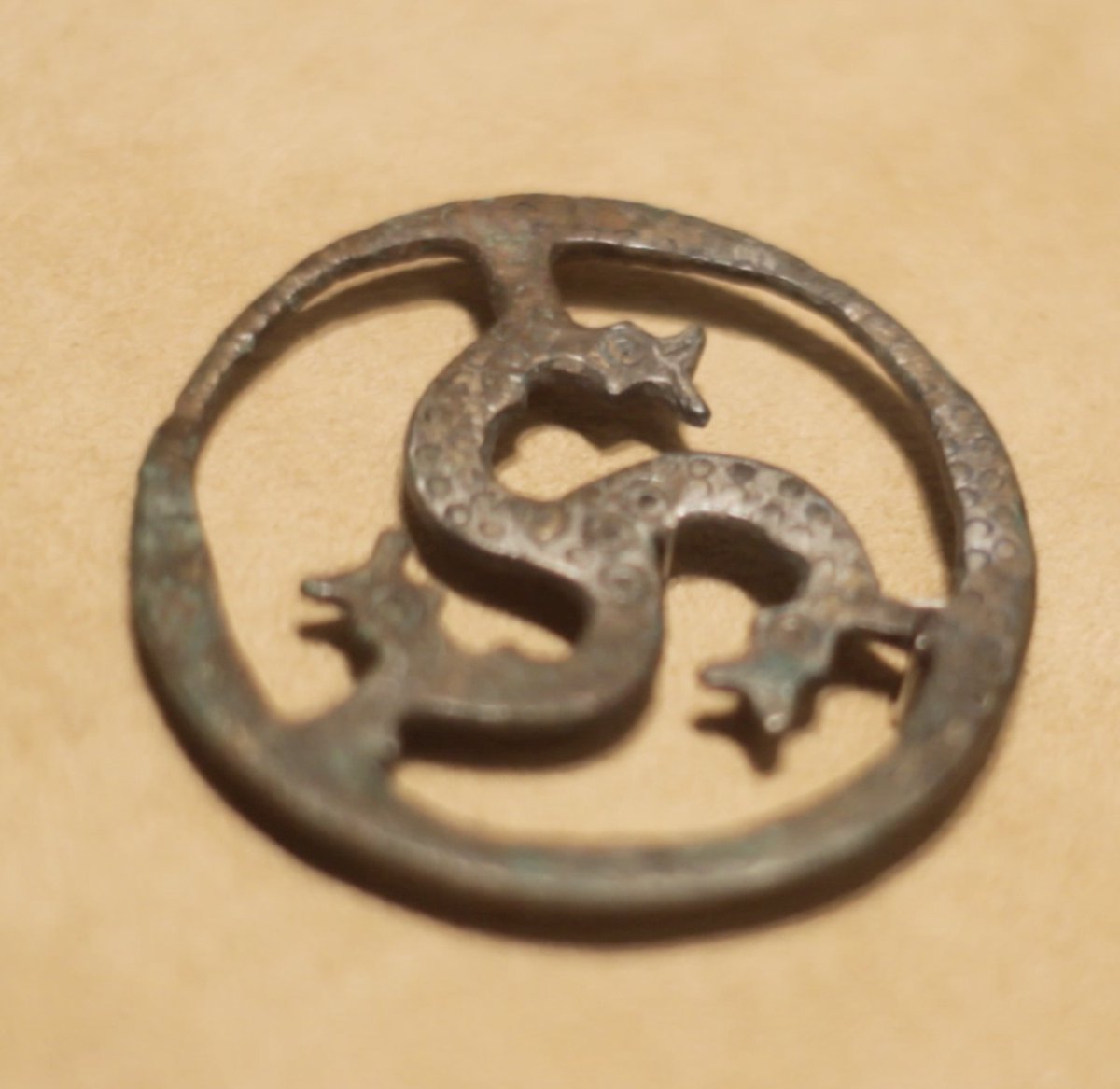
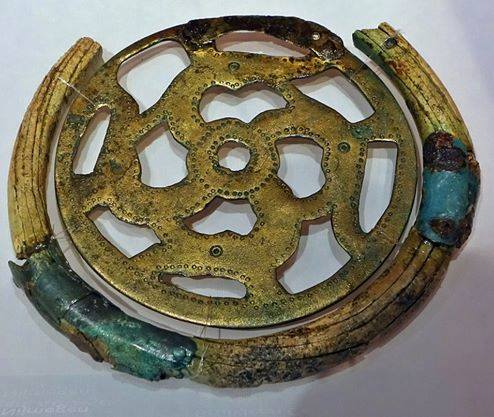
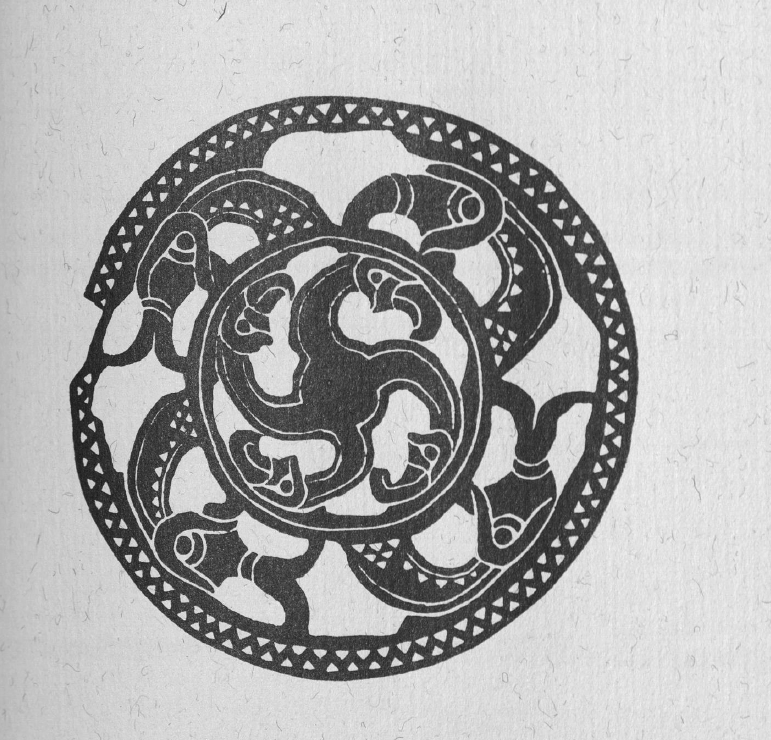
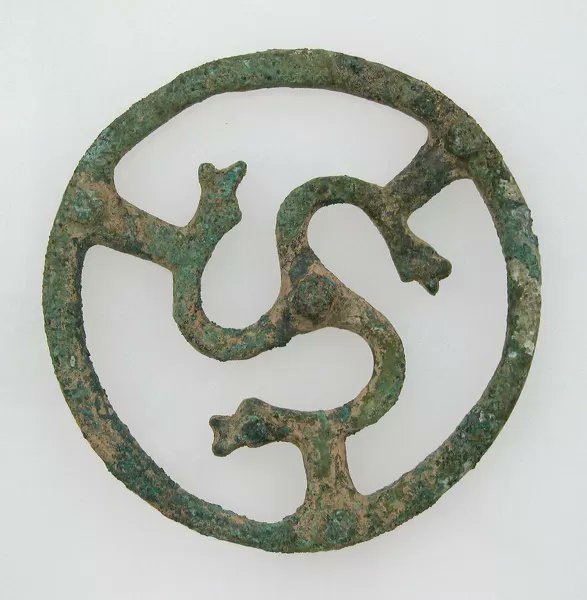
Frank Behrens thinks that the Zierscheiben must be amulets which were worn by women along with other kinds of amulets including crystals, snail shells, keys, bear teeth etc all dangling in the pelvic and thigh area. Therefore they may have specifically been intended to protect the female genital area. It is interesting to note that the Arab, Ibn Fadlan, wrote that when approaching a funeral pyre, a Germanic pagan would cover his arse with his hand to prevent a spirit from entering him. If malicious beings can enter the body through an orifice, then naturally a woman would seek to use magical protection around her vagina. 5/5
