Canvas & Ratio
Choose your destination platform format
Layout Template
Choose a content structure for your slides
Preset Themes
Typography & Sizing
Brand Kit Customization
AGENCYConfigure brand assets for headers & footers
Outro Slide CTA
Customize your closing call-to-action slide
Background Pattern
Build Your Carousel
Drag and drop any post card below onto a slide, or use the quick buttons to insert content/images instantly!

Everyone loves the same geniuses like: Einstein, Tesla, or Hawking. But I found a man who stands head and shoulders above all. After research, I realized his legacy covered some dark truths forgotten by history. Here's his story... 🧵
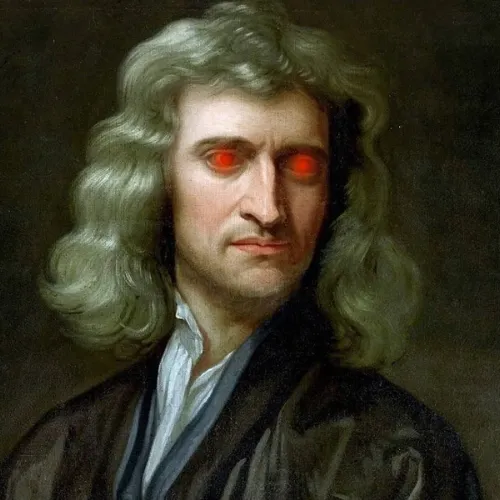
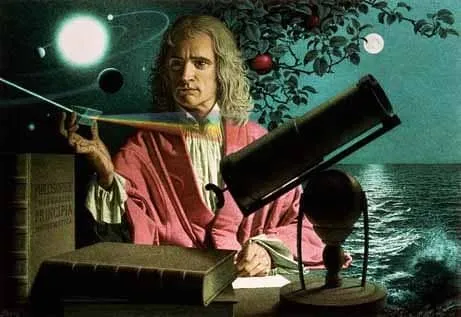
Born prematurely on Christmas Day 1642, Isaac Newton seemed unlikely to survive. His father died before his birth and his mother abandoned him at age 3. But even as a child, Newton's mechanical inclinations shone through as he built sundials.

Newton's GENIUS mind led him to Cambridge in 1661. There, he dared to question the theories of ancient Greek philosophers. He vowed to find truth through rigorous experimentation. Then the bubonic plague ravaged Europe in 1665, forcing Newton into isolation.

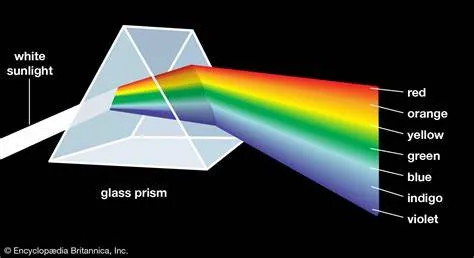
But in this solitude, his genius flourished. Using prisms, he discovered that white light is composed of a spectrum of colors. He even stuck a needle in his eye to study perception!
Newton's falling apple story is legendary, but did it really happen? Watching an apple fall from a tree supposedly inspired his theory of gravity. He reasoned the same force pulling apples down also kept the moon orbiting Earth.


To explain the motion of celestial bodies, Newton invented calculus. But controversy brewed when Gottfried Leibniz published similar work. Though they likely developed calculus independently, Newton's secretive nature fueled the dispute.

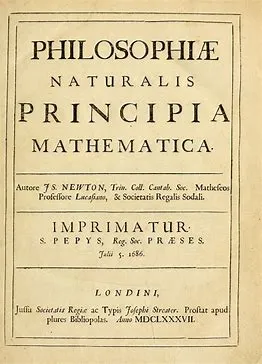
Newton's masterpiece, Principia, revolutionized our understanding of the universe. Published in 1687, these principles still guide modern physics and engineering.
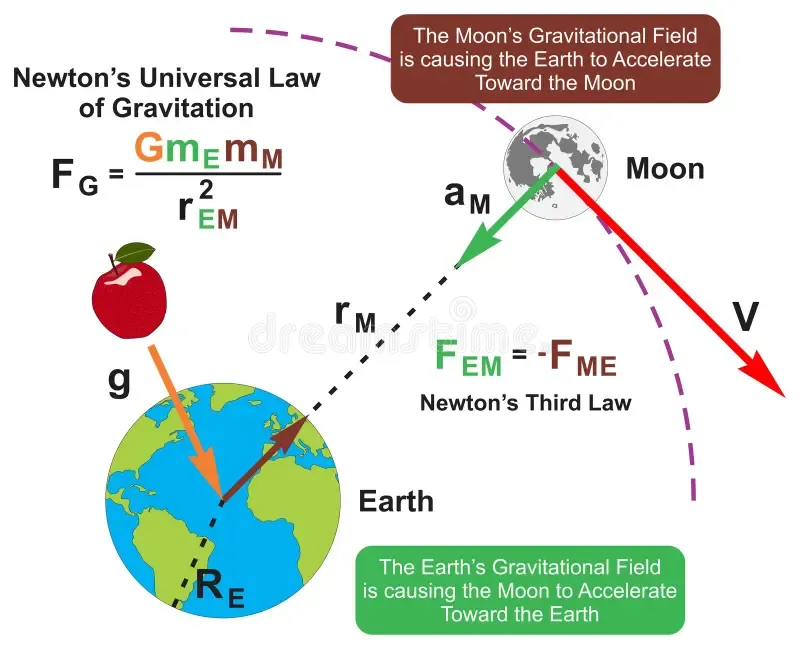
• Objects at rest stay at rest unless acted upon. • Force equals mass times acceleration. • For every action, an equal and opposite reaction. Newton's laws of motion, simply stated, conceal the depth of their implications.

Newton wrote more about theology than science, a side often overshadowed. Obsessed with the Bible, he predicted the apocalypse would occur in 2060. He rejected mainstream Christian doctrines like the Trinity.
For 25 years, Newton secretly toiled in the mystical art of alchemy. He sought the legendary Philosopher's Stone, believed to turn lead into gold and bestow immortality. Did mercury poisoning from these experiments trigger his 1693 mental breakdown?

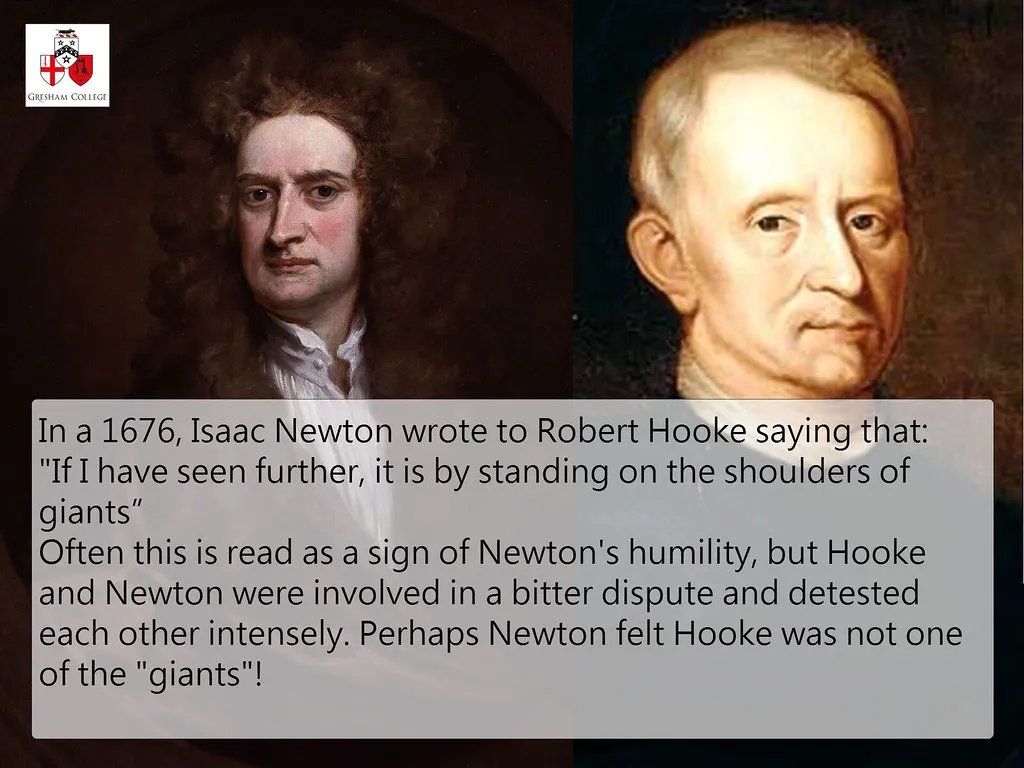
Newton's rivalry with Robert Hooke took a dark turn. As President of the Royal Society, Newton allegedly destroyed the only known portrait of Hooke. Erased from history, NO definitive image of Hooke survives.
In his later years, Newton took charge of the Royal Mint. He reformed the British currency and zealously hunted counterfeiters. Knighted in 1705, Sir Isaac Newton's scientific achievements earned him fame and royal favor.


On March 20, 1727, Newton died in his sleep and was laid to rest in Westminster Abbey. His tomb bears a Latin inscription: "Here lies what was mortal of Isaac Newton"

Newton's genius is undeniable, but so is the hidden shadow behind the legend. Thank you for reading this thread. What was your biggest takeaway from this thread? Follow me @geniusgtx for more threads to become a genius thinker.