Canvas & Ratio
Choose your destination platform format
Layout Template
Choose a content structure for your slides
Preset Themes
Typography & Sizing
Brand Kit Customization
AGENCYConfigure brand assets for headers & footers
Outro Slide CTA
Customize your closing call-to-action slide
Background Pattern
Build Your Carousel
Drag and drop any post card below onto a slide, or use the quick buttons to insert content/images instantly!

Teach your kids how to think, not what to think. Here’s 11 things you should teach your kids (that most adults were never taught)…

1. Teach mental models Mental models are tools for your mind: •Inversion •Incentives •First Principles •Feynman Technique The more tools you have, the more problems you solve. Great books on the topic: -“Seeking Wisdom” -“Poor Charlies Almanac”
2. Teach emotional intelligence •Love •Sympathy •Politeness •Compassion Empathy helps you think from the other perspective, giving you a better understanding of life.

3. How to make a decision Factor in: •Incentives •Pros and cons •Goals and values •Game theory (40% knowledge is enough for action

4. Teach how to write Writing will clarify your thinking and give you creative ideas. To be a good writer, read and write a LOT. “The pen is mightier than the sword.”

5. How to argue All you need is… •Basic logic •Know your beliefs and research •No emotions (clouds judgement) •Open mind to see other perspectives

6. Teach money basics •Leverage •Incentives •Trade-offs •Supply and demand Instil a message of prosperity, not scarcity. A good relationship with money is created in your childhood.
7. Teach philosophical razors Razor’s help you shave off unnecessary problems. Here’s a few good ones: •Grice’s razor •Hume’s razor •Popper’s razor •Occam’s razor
8. Teach philosophical values Teach: •Logic •Ethics •History Strong values will lead to purpose and emotional intelligence AND… it’s okay to stand against the crowd if you’re doing the right thing.

9. Teach cognitive biases Biases cloud your judgement and slow down thinking. Learn these: •Anchoring •Self-serving •Availability •Halo effect •Confirmation Further reading: “Poor Charlie’s Almanac”
10. How to find good information You live in an age of abundant information. It’s important to know how to find good, relevant information: •Primary source? •Where is the information from? •Is it written with emotion or bias?
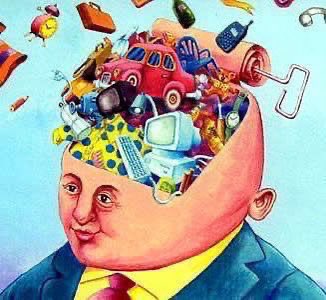
11. Spark curiosity •Why? •What do you think? •What is your prediction? Active learning creates curiosity, which helps with adaptability and problem solving.
Found this helpful ? •Give it a ❤️ •Repost the first post •Follow @HarmonyHaven_1 for more