Canvas & Ratio
Choose your destination platform format
Layout Template
Choose a content structure for your slides
Preset Themes
Typography & Sizing
Brand Kit Customization
AGENCYConfigure brand assets for headers & footers
Outro Slide CTA
Customize your closing call-to-action slide
Background Pattern
Build Your Carousel
Drag and drop any post card below onto a slide, or use the quick buttons to insert content/images instantly!

What happened to the idea that universities should be inspiring places?

There are some obvious objections to the claim that university architecture is not as good as it was in the past. Foremost among them, of course, is that all those old and beautiful university buildings still exist and are still being used for accommodation and study.
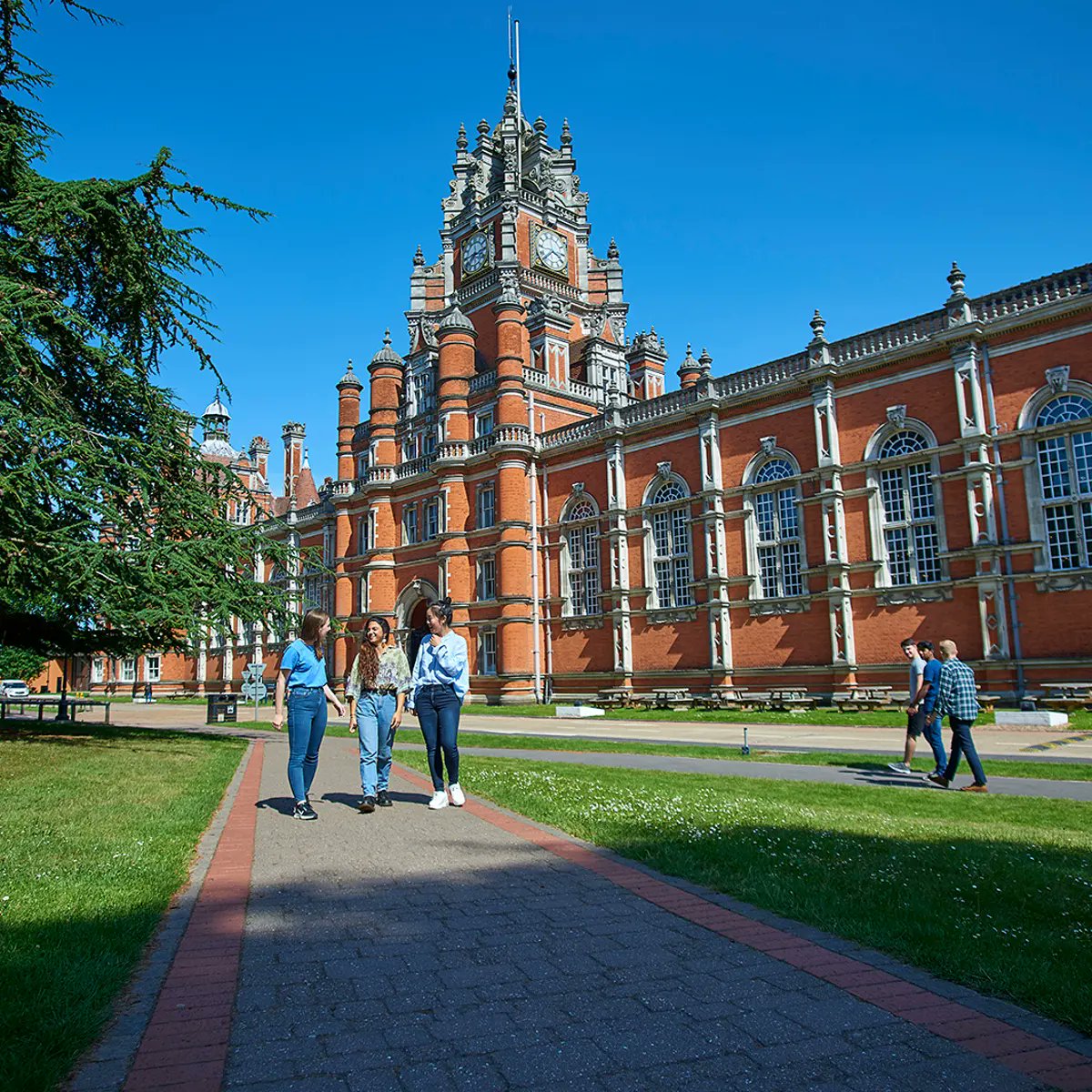
And, secondly, that the most important thing is to actually have a university, regardless of how it looks. Better to have a poorly designed place of education than none whatsoever; to build them at all should be the priority. Then again, Aristotle gave lectures in a gym...
Besides, bad university architecture is nothing new. The great Renaissance scholar Erasmus famously hated his time at the University of Paris, and later wrote of how his accommodation was cold, dirty, ugly, and rat-infested. A rite of passage for students to live in squalor?

It's also true that universities are places where experimentation with new ideas ought to be welcomed; this is surely true of architecture as much as philosophy or politics. Cleaving too rigorously to the past would be antithetical to the spirit of inquiry and learning.

But experiments with Brutalism aren't the problem here. Such buildings, even though some may dislike them, are at least trying to say something. They are bold, interesting, and full of character — in other words, they are engaging, intellectually or otherwise.

The trouble comes with architecture and design that is essentially careless and in which cost is the main priority, to the exclusion of all and any real aesthetic considerations. To call this sort of university building uninspired is rather an understatement.

And so there's something to be said for the idea that educational architecture, and the design of universities, ought to be inspiring and uplifting. A nation's youth is its future, and the design of the places in which they are educated is surely of vital importance.

Pick any university and you'll find graduating students inevitably take photographs in front of the most beautiful buildings on campus — and they are usually of the sort that we no longer build. The crowds don't lie about what architecture people genuinely like.

Studies prove that our surroundings impact us psychologically and emotionally. Boring, badly designed, and ugly architecture isn't just annoying or unpleasant — it is actively harmful to our mood and can quite literally make us unproductive, uncomfortable, and unhappy.

Students, if taught in carelessly designed and boring universities, will rightly conclude that society doesn't particularly care about them. In which case, these students will very fairly ask, why should they care about society? Not the best way to educate people.


Inspiring and engaging architecture, meanwhile, whether that be great Gothic towers, elegant Neoclassical libraries, boldly Brutalist halls, or eco-architectural edifices, does two things. First of all, it tells the students that both they and their studies genuinely matter.

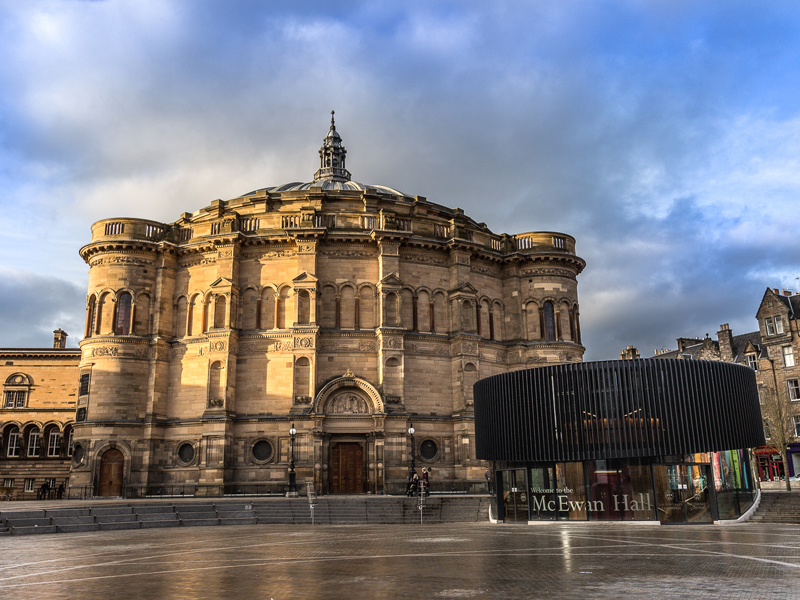
And, secondly, it sets a standard and inculcates a sense of heritage, progress, and responsibility. As when the local businessman William McEwan funded a new graduation hall for the University of Edinburgh in 1888. Something for the students to live up to.


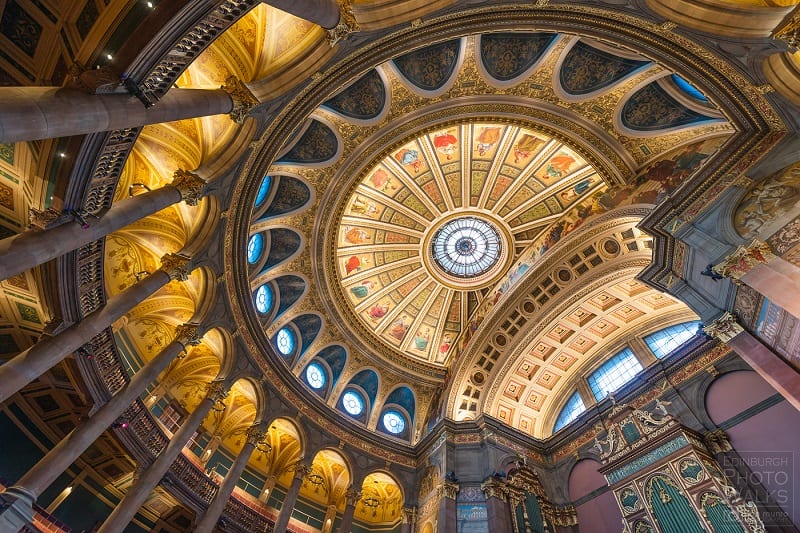
At the National University of Athens there are frescos depicting the great Greek thinkers and leaders of the past — an invocation to learn from, equal, and even exceed the greatest minds of previous generations. Placing faith in what students can achieve.

Nobody put it better than John F. Kennedy:

Another important point is that, even if all that old and beautiful architecture remains, it is largely restricted to the oldest, richest, and most elite universities. Why should good design be limited to the best universities? All students deserve good architecture.

What has caused the decline in the quality of university architecture? Much of it is related to broader trends in architecture and design, but some of it is surely connected to the commercialisation of universities. Students are now treated as customers rather than... students.
And so for as long as the priority is to build as quickly and cheaply as possible, therefore ensuring that ever more students can be admitted and their fees collected, inspiring educational architecture will remain difficult, if not impossible, because it is not deemed necessary.

There are many failures with which we may justifiably charge the generations that have come before us, but failing to accord higher education due respect is, largely, not one of them, as proven by the wealth of beloved architecture they have bequeathed to the students of today.

There can be little doubt that a certain kind of system benefits from educational architecture which is almost actively oppressive. Alas, great architecture endures and offers a model for universities of the future — from which students, and everybody else, would surely benefit.
